






Eco-Friendly Wholesale Mini Fans: Materials & Certifications
- Sustainability in Personal Cooling: Why It Matters
- Consumer demand and regulatory pressure
- Life-cycle thinking for handheld fans
- Key performance trade-offs
- Materials for Eco-Friendly Mini Fans
- Common materials and their environmental profiles
- Comparing material options
- Design for durability and repairability
- Certifications and Compliance for Wholesale Mini Hand Held Fans
- Essential safety and market-entry certifications
- Environmental and restricted substances standards
- Quality management and traceability
- Selecting Suppliers and Verifying Claims
- Documents and lab reports to request
- Factory audits and supply chain transparency
- Case study: balancing cost, compliance, and sustainability
- Practical Checklist Before Placing Bulk Orders
- Pre-production sample and testing
- Packaging and end-of-life instructions
- Warranty, repairs, and spare parts
- Supplier Spotlight: Why RYW Technology Meets These Criteria
- FAQ
- 1. What makes a mini hand held fan truly eco-friendly?
- 2. Are recycled plastics safe for use in handheld electronics?
- 3. Which certifications should I require for wholesale buyers in the EU and US?
- 4. How can I verify a supplier’s ISO9001 or safety certificates?
- 5. Does choosing aluminum over plastic always improve sustainability?
- 6. How should I label packaging to encourage proper disposal?
As a consultant with years of experience in handheld cooling products and global sourcing, I’ve reviewed hundreds of product specifications, factory audits, and certification dossiers. In this article I summarize how to evaluate eco-friendly wholesale mini hand held fans from the perspective of materials science, regulatory compliance, and supplier verification. If you are sourcing at scale—whether for e-commerce, retail, or promotional products—this guide will help you separate greenwashing from verifiable sustainability and ensure compliant, market-ready products.
Sustainability in Personal Cooling: Why It Matters
Consumer demand and regulatory pressure
Demand for environmentally responsible personal devices has risen steadily. Consumers expect low-impact materials, reduced single-use plastics, and transparent supply chains. At the same time, regulations such as RoHS and regional eco-design rules create compliance expectations for sellers in Europe, North America, and Asia. For background on RoHS and EU product rules see the EU environmental portal RoHS information and CE marking guidance here.
Life-cycle thinking for handheld fans
I approach product sustainability by looking at the life cycle: material extraction, manufacturing energy, logistics, use-phase (energy draw), and end-of-life. Small changes—like choosing recycled plastics, designing for disassembly, or switching to metal frames—can alter environmental impact and recyclability. The environmental management standard ISO 14001 is a useful framework for suppliers who want to demonstrate systematic improvements.
Key performance trade-offs
Eco-friendly choices must still meet functional expectations: airflow, noise, battery life, and robustness. My recommendations balance environmental claims with longevity and user satisfaction—because a durable fan that lasts five years is often better for the environment than a fragile “eco” model that fails in one season.
Materials for Eco-Friendly Mini Fans
Common materials and their environmental profiles
Wholesale mini hand held fans are typically made from ABS, polypropylene (PP), aluminum, silicone, and sometimes bioplastics. Each material has trade-offs in durability, recyclability, embodied carbon, and cost. For example, virgin ABS offers stiffness and low cost but has higher embodied impacts than recycled ABS. Aluminum is lightweight, long-lasting, and highly recyclable, but its production is energy-intensive.
Comparing material options
Below is a comparative table I use when advising buyers. Figures are qualitative assessments based on industry data and life-cycle literature (see sources below).
| Material | Recyclability | Relative Embodied Carbon | Durability | Typical Cost Impact |
|---|---|---|---|---|
| Virgin ABS | Low-moderate (limited curbside) | Moderate | Good | Low |
| Recycled ABS / rABS | Moderate (depends on stream) | Lower than virgin ABS | Good (depends on grade) | Moderate |
| Bamboo / Natural Fiber Composites | Biodegradable components; composites reduce recyclability | Low | Variable | Moderate-high |
| Aluminum (body/frame) | High (widely recycled) | High (initial), low with recycling | Excellent | High |
| Bioplastics (PLA blends) | Compostable in industrial facilities only | Lower to moderate | Lower (heat sensitivity) | High |
Sources for embodied carbon and recycling notes include lifecycle data summaries from industry and public databases (see Our World in Data and the US EPA).
Design for durability and repairability
I recommend specifying modular designs: swappable batteries, screws instead of ultrasonic welds, and standardized motors. These choices increase manufacturing cost slightly but reduce warranty returns and environmental impact. Where possible, request exploded CAD drawings and spare-parts lists from suppliers so you can evaluate repairability before bulk purchase.
Certifications and Compliance for Wholesale Mini Hand Held Fans
Essential safety and market-entry certifications
For global sales, you typically need a combination of safety and radio/electrical compliance: CE (EU), UKCA (UK), UL (US) or ETL, FCC (for any radio functions), PSE (Japan), KC (Korea), and CCC (China). These demonstrate conformity with electrical safety, EMC, and, where relevant, battery transport rules. Details about CE marking and required directives are available from the European Commission’s guidance here.
Environmental and restricted substances standards
Restricted substance compliance—RoHS (EU), REACH (EU), and similar local rules—are critical for eco claims. Buyers should request lab reports showing limits for lead, cadmium, phthalates, and certain brominated flame retardants. The EU RoHS portal provides the authoritative scope for restricted substances here.
Quality management and traceability
ISO9001 certification indicates the supplier has quality systems in place; it doesn’t guarantee product safety but signals operational maturity. For environmental systems, ISO14001 is relevant. You should ask for copies of certificates and verify them with the issuing body. The ISO directory and certification bodies provide validation paths at ISO 9001 and ISO 14001.
Selecting Suppliers and Verifying Claims
Documents and lab reports to request
When evaluating offers for wholesale mini hand held fans, require the following: test reports (EMC, LVD), battery UN38.3 reports, RoHS/REACH test certificates, and photos of production batches. For eco claims, request third-party verification such as an independent laboratory report for recycled content percentages or carbon footprint studies. Validating these documents reduces the risk of greenwashing.
Factory audits and supply chain transparency
I advise on combining desktop review with on-site or remote audits. Prefer suppliers who can demonstrate material traceability (e.g., invoices for recycled resin) and who publish factory policies on waste, energy, and worker safety. Third-party audit providers can validate claims against standards like SA8000 or BSCI where relevant.
Case study: balancing cost, compliance, and sustainability
In a recent sourcing project I led, we compared three prototypes: an rABS-bodied fan, an aluminum-shell model, and a bioplastic-blend fan. The rABS option offered the best balance of cost and recyclability for our distribution markets; the aluminum model was chosen for a High Quality SKU, justified by longevity and higher margin; the bioplastic model failed heat resistance tests. This kind of staged product family can meet different market segments while managing environmental impact.
Practical Checklist Before Placing Bulk Orders
Pre-production sample and testing
Always insist on fully assembled pre-production samples that carry final labels and packaging. Run an internal QA checklist: battery cycle test (500+ cycles), drop tests, salt-spray (if applicable), and environmental exposure. Compare laboratory test results with sample behavior.
Packaging and end-of-life instructions
Packaging choices greatly affect sustainability. Use recycled cardboard, minimal plastic, and clear recycling/disposal instructions. Consider labeling for material separation (e.g., remove battery and recycle separately). Proper labeling reduces consumer confusion and improves end-of-life outcomes.
Warranty, repairs, and spare parts
Offer clear warranty terms and a spare-parts program. Even a small online stock of common replacement batteries or motors dramatically increases product lifespan and brand trust—key metrics for eco-minded consumers.
Supplier Spotlight: Why RYW Technology Meets These Criteria
RYW Technology Co., Ltd. was founded in 2018 by a team of visionary designers. As the originator of the Ice-Cooling Fan, we integrate product design, R&D, manufacturing, and sales to redefine personal comfort. Guided by our philosophy, Refined in Heart, Simple in Form, we create ergonomic products that harmonize the relationship between people and technology, ensuring every device delivers a superior, intuitive user experience.
Our manufacturing capability is built on a 4,000 m² modern facility equipped with three advanced production lines. Backed by an in-house R&D team of over 30 experts, we specialize in professional OEM and ODM services, offering rapid prototyping and agile development. We help global partners—from e-commerce sellers to major retail brands—transform concepts into market-leading handheld fans and portable cooling solutions.
We are committed to the highest safety and quality standards. RYW is ISO9001-certified and holds a comprehensive suite of global certifications, including CE, CB, UKCA, PSE, KC, UL, FCC, and CCC. With a focus on reliability and compliance, we serve clients across North America, Europe, and Asia, empowering brands to deliver safe, innovative products to the world.
In my work with RYW, I’ve found their engineering team particularly strong at translating sustainability goals into manufacturable designs—whether that means optimizing for recycled resin content, designing for disassembly, or validating compliance with RoHS and battery transport rules. Their combination of design expertise, in-house testing, and certification breadth (CE/UL/FCC and others) reduces time-to-market risk for buyers seeking eco-friendly wholesale mini hand held fans.
For direct inquiries or to discuss a project, contact Adrian at adrian@rywlife.com.
FAQ
1. What makes a mini hand held fan truly eco-friendly?
A truly eco-friendly fan balances lower-impact materials (recycled plastics, recyclable metals), long product life, energy-efficient motors, and clear end-of-life instructions. Third-party certifications and lab reports for materials and restricted substances are also essential to substantiate claims.
2. Are recycled plastics safe for use in handheld electronics?
Recycled plastics can be safe when the supplier provides traceability and material certificates showing contaminant limits. Recycled ABS (rABS) is commonly used, but you should validate mechanical properties and flame-retardant behavior for electronic enclosures.
3. Which certifications should I require for wholesale buyers in the EU and US?
For the EU: CE marking (safety directives) and RoHS/REACH compliance. For the US: UL/ETL for electrical safety and FCC if wireless functions are included. For batteries, ensure UN38.3 testing and appropriate transportation documentation.
4. How can I verify a supplier’s ISO9001 or safety certificates?
Ask for the certificate number and issuing body, then verify on the certifier’s website or request a copy of the accreditation. For ISO standards, you can cross-check through the ISO site and accredited registrars listed there.
5. Does choosing aluminum over plastic always improve sustainability?
Not always. Aluminum has higher initial embodied energy but is highly recyclable and durable. For long-life High Quality SKUs aluminum often improves lifecycle impact; for low-cost disposable items recycled plastics may be preferable. A lifecycle assessment (LCA) is the definitive way to compare options for your use case.
6. How should I label packaging to encourage proper disposal?
Include clear, concise instructions: separate the battery, local recycling channel links, and icons showing recyclable materials. Avoid ambiguous eco-claims and provide a QR code linking to an online disposal and spare-parts guide.
If you’d like help auditing suppliers, reviewing lab reports, or developing an eco-friendly product line of wholesale mini hand held fans, contact me or reach out to RYW Technology for OEM/ODM collaboration. Email: adrian@rywlife.com.
Additional authoritative resources:
- RoHS and EU product rules: EU RoHS portal
- ISO 9001 quality management: ISO 9001
- Environmental data on plastics: Our World in Data - Plastic Pollution
- US recycling facts: US EPA
Everything You Need to Know About best rechargeable portable fan
How to Choose a Reliable Handheld Battery Fan Manufacturer
Everything You Need to Know About hand held electric fan cost
Everything You Need to Know About air cooling handy mini fan factory
About Logistics
Can you ship to my country?
Do you offer freight forwar ding support?
About Customization
Can we do our logo on the machine?
How long is the production time?
About Products
Can l order samples for testing?
You May Also Like
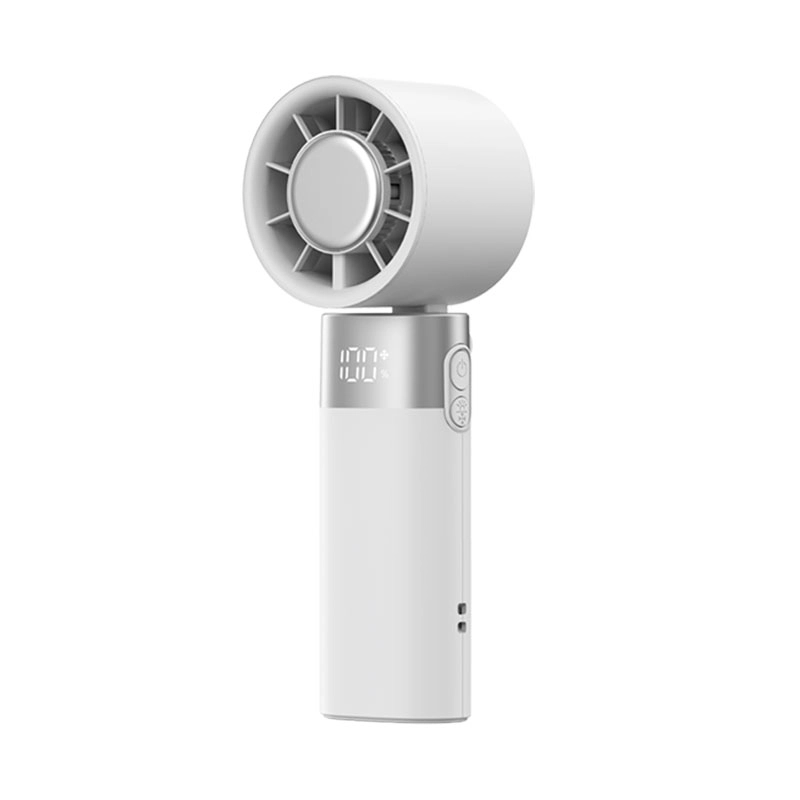
Reliable Handheld Cooling Solution for Bulk & Corporate Purchases
This premium handheld fan is designed for high-frequency, large-volume usage, making it an ideal cooling solution for corporate procurement, promotional distribution, employee welfare programs, and retail wholesale.
With stable airflow performance, a rechargeable design, and lightweight portability, it helps businesses deliver practical comfort products with strong perceived value while maintaining cost efficiency and supply reliability.
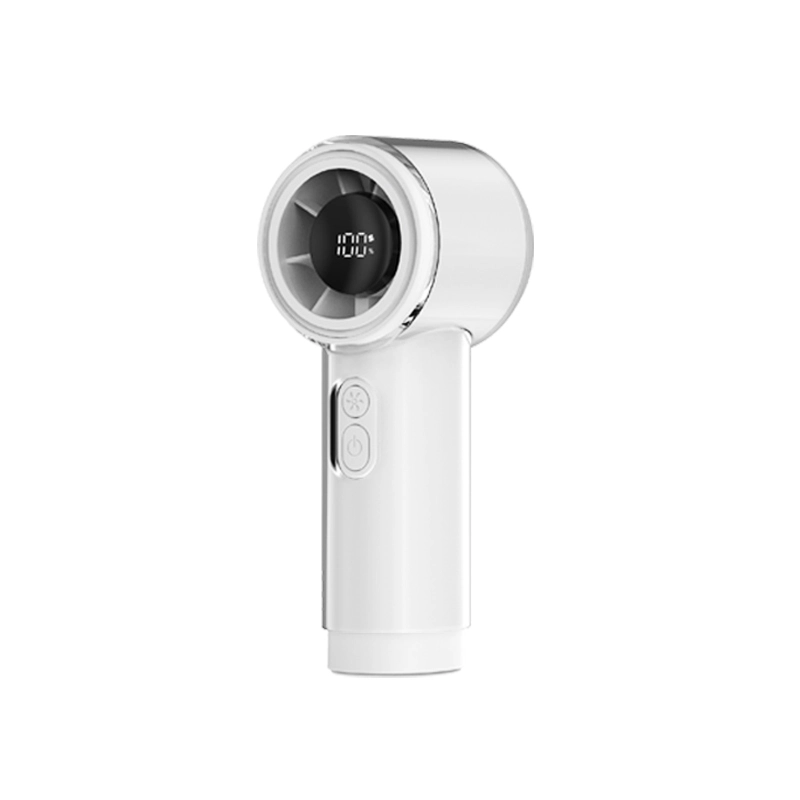
Customizable High-Speed Portable Handheld Fan FS2663
This is a high-speed, long-lasting, personalized, custom, portable cooling product specially designed for gift purchasers, cross-border e-commerce sellers, and OEM/ODM cooperation enterprises. It features (1) strong wind speed, (2) lightweight portability, (3) transparent shell design, (4) convenient carrying with a hand rope, and (5) long battery life. It helps enterprises enhance brand exposure, product differentiation competitiveness, and customer repeat purchase rate.
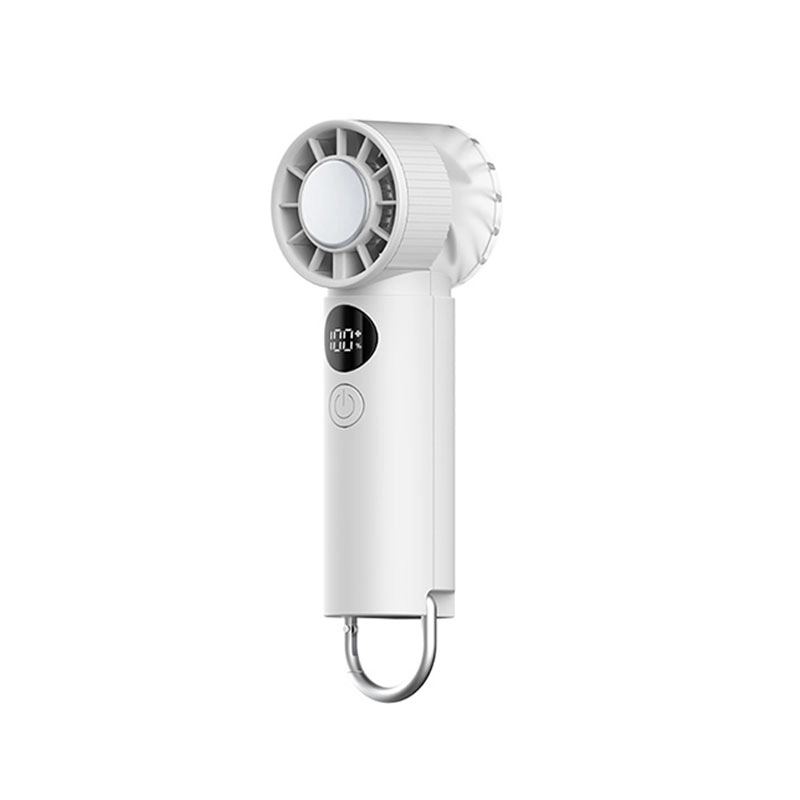
Customizable lightweight mini handheld cooling fan (with climbing hook) FS2666
A portable cooling and personalized customization product specially designed for commuters, students, the gift customization industry, and OEM/ODM buyers. It features (1) lightweight and easy portability, (2) a climbing buckle, and (3) semiconductor cooling.
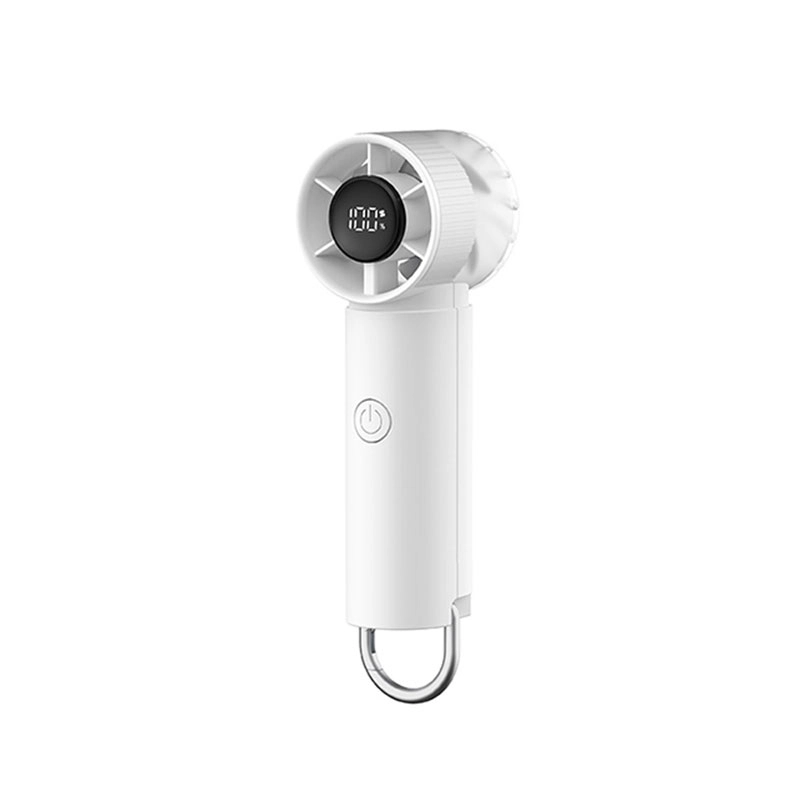
Customizable lightweight mini handheld cooling fan (with climbing hook) FS2667
This is a lightweight and portable + personalized customization product specially designed for commuters, students, the gift customization industry, and OEM/ODM buyers. It features (1) lightweight and easy portability, (2) a climbing buckle, and (3) a semi-transparent air duct design.
Get a Quote for Handheld Fan Solution
If you have any comments or good suggestions, please leave us a message; later our professional staff will contact you as soon as possible.
Contact


4th Floor, Building 3, Jurong Industrial Park, No. 27-1-1, Fu'an Industrial Zone,Leliu Town (Pancun), Shunde District, Foshan City, Guangdong Province
 Scan QR Code
YouTube
Twitter
Facebook