






What materials are commonly used in rechargeable fan construction? | Insights by RYW
- Which housing plastics (ABS vs polycarbonate vs blends) best balance drop resistance, heat management and weight in rechargeable handheld fans?
- Are 18650 cylindrical cells safer than pouch or prismatic cells in portable rechargeable fans, and which battery certifications should I insist on?
- How do blade materials (soft silicone vs polycarbonate) influence cooling performance, user safety and audible noise at low RPM?
- What conductive materials are used in motor windings and bearings, and how do they affect efficiency, longevity and maintenance?
- Which seals, gaskets and exterior finishes deliver meaningful dust and water resistance (IP ratings) without sacrificing airflow in outdoor rechargeable fans?
- How do flame‑retardant, halogen-free and recycled materials compare in cost, safety and compliance for modern rechargeable fan production?
Which housing plastics (ABS vs polycarbonate vs blends) best balance drop resistance, heat management and weight in rechargeable handheld fans?
For handheld rechargeable fans the housing material is the primary structural component that affects durability, thermal behavior and cost. Common materials are ABS, polycarbonate (PC) and PC/ABS blends; less commonly magnesium or thin-wall aluminum are used for High Quality models.
Key material comparisons:
- ABS — low cost, good moldability, decent impact resistance. Density ~1.04 g/cm3; glass transition ~105°C. Pros: economical for high-volume consumer handheld fans; cons: lower heat resistance and can deform under concentrated heat from charging ports or motor vents.
- Polycarbonate (PC) — higher impact strength and better heat resistance (Tg ~145°C). Pros: superior shatter resistance for drop-prone use, better dimensional stability around warm electronics. Cons: higher cost and can be more prone to yellowing under UV without additives.
- PC/ABS blends — combine PC toughness with ABS cost and surface finish; commonly used in mid-tier fans to get a pragmatic balance of weight, impact and thermal behavior.
- Aluminum / magnesium alloy — used on High Quality fans for improved thermal dissipation and perceived quality; heavier and costlier, but helps convect heat from motor and battery more quickly.
Design notes: Thin-wall injection molding, rib patterns and internal metal inserts can dramatically affect drop resistance independent of base polymer. For products that use fast charging or house higher-capacity cells, prefer PC or PC/ABS near the charge port and battery cavity for improved thermal stability. Also check UL 94 flammability ratings for the chosen polymer (V‑0 preferred for battery compartments).
Are 18650 cylindrical cells safer than pouch or prismatic cells in portable rechargeable fans, and which battery certifications should I insist on?
Cell format impacts mechanical robustness, energy density, serviceability and safety management. Common cell formats in handheld fans: cylindrical 18650/21700, pouch (flattened), and occasionally small prismatic cells.
Tradeoffs:
- 18650/21700 cylindrical cells — robust mechanical structure, mature supply chain, relatively easy to replace and to use with standard protection circuits. They typically have good cycle life and thermal dissipation through the metal can. Favoured in mid-to-high capacity handheld fans where cell replacement or higher capacity is needed.
- Pouch cells — allow lower-profile designs and higher energy density per volume but are mechanically vulnerable to puncture and swell if not supported in a rigid frame. Pouch cells require careful mechanical design and pressure-equalizing seals.
- Prismatic cells — compromise between pouch and cylindrical: good space utilization but can be sensitive to mechanical stress.
Battery chemistry considerations: NMC/NCA lithium‑ion chemistries give higher energy density (useful for runtime and compact size) but lower thermal tolerance than LiFePO4 (LFP), which offers superior thermal stability, longer cycle life (~2000+ cycles) and better abuse tolerance at lower energy density. Many industrial or outdoor-oriented rechargeable fans are moving to LiFePO4 for safety-conscious markets.
Critical certifications and protections to require:
- IEC 62133 — battery safety standard (applies to portable sealed secondary cells) — ensures cell-level testing for safe operation.
- UN38.3 — mandatory transportation tests (vibration, altitude, thermal, shock) for lithium cells and batteries to be shipped legally by air/ground.
- Built-in BMS / protection PCB — overcharge, overdischarge, short-circuit, cell balancing and temperature cutoffs are must-haves.
- Manufacturer test reports — ask for cell datasheets, cycle life graphs, and third‑party test certificates.
Recommendation: For rugged handheld fans sold to commercial or safety-conscious customers, specify either quality cylindrical cells from reputable suppliers with IEC 62133 certification or LiFePO4 prismatic/pouch cells where long life and thermal safety trump volumetric energy density.
How do blade materials (soft silicone vs polycarbonate) influence cooling performance, user safety and audible noise at low RPM?
Blade material affects stiffness, aerodynamic shape retention, safety on contact and noise generation. Two common blade materials are soft silicone and rigid polycarbonate (PC) or ABS blades; some High Quality designs use molded acrylic or composite blades.
Performance tradeoffs:
- Polycarbonate / ABS blades — high stiffness preserves aerodynamic profile at low RPM, resulting in better air throughput per watt and typically less flutter noise because the blade profile is stable. They can produce higher tip speed noise at higher RPMs. PC blades are best when efficiency and consistent airflow profiles are priorities.
- Silicone / soft blades — compliant, safer on accidental contact (important for child-safe designs), quieter on impact because the material absorbs shock. However, soft materials deform at higher RPMs which reduces aerodynamic efficiency and can add low-frequency “flapping” noise. They are excellent for wearable or fan-guarded applications where safety outweighs peak airflow.
Aerodynamic notes: Blade chord, pitch and tip geometry matter more than material alone for cooling efficiency. For low‑RPM quiet operation, a stiffer blade with optimized airfoil sections (mimicking micro‑fan aerofoil designs) will usually deliver better CFM per watt. If safety and low noise from contact are required, silicones with thicker cross-sections and limiting RPM via motor control are a valid trade-off.
What conductive materials are used in motor windings and bearings, and how do they affect efficiency, longevity and maintenance?
The electric motor is the core of a rechargeable fan. Common choices for winding and bearing materials directly influence efficiency and expected life.
Winding materials:
- Copper windings — the industry standard due to low electrical resistivity and excellent thermal behavior. Copper yields higher efficiency and lower heat generation than aluminum for the same conductor geometry.
- Aluminum windings — lower material cost and weight but higher resistivity (≈1.6× copper) leading to reduced efficiency or need for larger cross-section conductors. Less common in small motors where efficiency and heat are important.
Bearings:
- Sleeve bearings (plain bushings) — low cost and quiet initially; tend to wear faster, especially in vertical or high-heat applications. Service life may be in the range of 5,000–15,000 hours depending on lubrication and operating temperature.
- Ball bearings — more expensive but longer life and better tolerance for varied mounting orientations; typical consumer-grade ball bearings can reach 10,000–50,000 hours.
- Fluid dynamic / magnetic bearings — found in High Quality designs; lowest friction and longest life (30,000+ hours) but higher cost and more complex manufacturing.
Design considerations: Copper windings with high-temperature enamel and quality insulation improve motor longevity. For continuous-use commercial fans, specify sealed ball bearings and a motor designed for 40–60°C ambient operation. Also check motor thermal cutouts or integrated NTC temperature sensing on the PCB to prevent overheating when airflow is obstructed.
Which seals, gaskets and exterior finishes deliver meaningful dust and water resistance (IP ratings) without sacrificing airflow in outdoor rechargeable fans?
Buyers often see a simple “waterproof” claim without understanding trade-offs. For portable fans the typical relevant ratings are IP54, IP65 and IP67—each requires design choices that affect airflow, serviceability and noise.
Materials and techniques:
- Silicone gaskets — flexible, temperature-resistant and commonly used for battery compartment lids and port seals. Silicone remains pliable at low temps and maintains a seal over cycles.
- Hydrophobic membrane vents (e.g., PTFE/Gore membranes) — used to equalize pressure and prevent water ingress while allowing venting of internal gases and minimizing condensation. These are essential if you want IP65-level ingress protection without trapping pressure or impairing battery venting pathways.
- Anodized or coated aluminum — corrosion resistance plus better heat conduction for metal housings. Combine with stainless or zinc-plated fasteners to avoid galvanic corrosion.
- Rubberized port covers and silicone boots — for USB ports and charging connectors to hit IP54-level protection while keeping user access.
Airflow vs sealing trade-off: Higher IP ratings usually require more robust covers and smaller inlet sizes; designers compensate with larger fan blades or higher-efficiency motors to maintain CFM. If your use-case is outdoor camping or dusty environments, prioritize IP65-rated designs with pressure-equalizing membranes to prevent internal condensation and to preserve battery and PCB reliability.
How do flame‑retardant, halogen-free and recycled materials compare in cost, safety and compliance for modern rechargeable fan production?
Sustainability and safety regulations push manufacturers to choose between conventional flame-retardant plastics (often brominated) and halogen-free alternatives or recycled content. Each option has pros and cons.
- Flame‑retardant additives (traditional) — meet UL 94 V‑0 with small additive loads, lower cost vs some alternatives. However, halogenated retardants can raise environmental and regulatory concerns (RoHS/REACH restrictions in some markets).
- Halogen‑free flame retardants — increasingly used to meet both safety and sustainability targets. They tend to be slightly more expensive and can affect mechanical properties; however, they improve compliance for eco-conscious markets.
- Recycled plastics — post-consumer recycled ABS or PC blends are viable for housings and reduce carbon footprint. Challenges include color consistency, possible slight reductions in impact strength, and the need for validated supply chains to ensure food/medical-grade concerns are avoided.
Certifications and regulations to verify:
- UL 94 flammability testing (V‑0 preferred for electronics enclosures near batteries)
- RoHS and REACH compliance for hazardous substance limits
- Supplier CO2 footprint and recycled content verification for sustainability claims
Recommendation: For commercial-grade handheld fans, require V‑0 rated polymer for battery compartments and request detailed material safety data sheets (MSDS). If marketing sustainability, specify minimum recycled content and secure supplier test reports that demonstrate no compromise in impact or thermal performance.
Final summary — advantages of understanding material choices
Selecting the right materials in rechargeable fan construction delivers measurable benefits: improved safety (reduced thermal runaway risk through better battery selection and UL/IEC-compliant designs), longer product life (correct motor bearings and copper windings), predictable performance (stiff aerodynamic blades and thermally stable housings), and better field reliability (IP-rated seals and membrane vents). Balancing cost, weight and sustainability depends on the target use-case: indoor personal fans prioritize lightweight housings and efficient PC blades; outdoor and commercial models prioritize robust sealing, LiFePO4 or protected cylindrical cells, and metal inserts for impact resistance.
For quotations or to discuss certified component sourcing (IEC 62133, UN38.3, UL 94 compliance), contact us: www.rywlife.com or adrian@rywlife.com.
Contacts
WhatsApp/Phone
You May Also Like
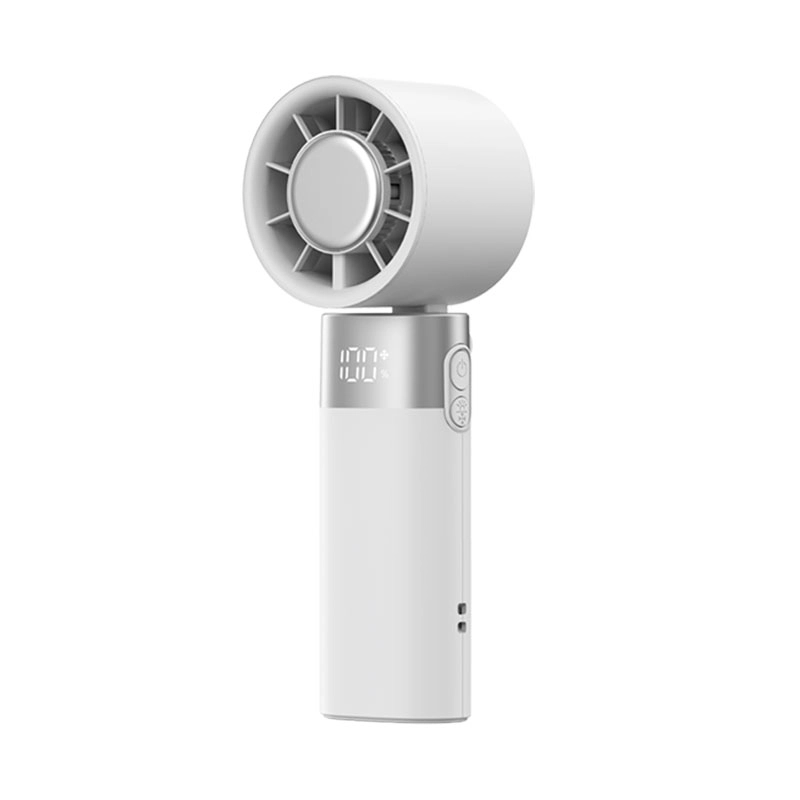
Reliable Handheld Cooling Solution for Bulk & Corporate Purchases
This premium handheld fan is designed for high-frequency, large-volume usage, making it an ideal cooling solution for corporate procurement, promotional distribution, employee welfare programs, and retail wholesale.
With stable airflow performance, a rechargeable design, and lightweight portability, it helps businesses deliver practical comfort products with strong perceived value while maintaining cost efficiency and supply reliability.
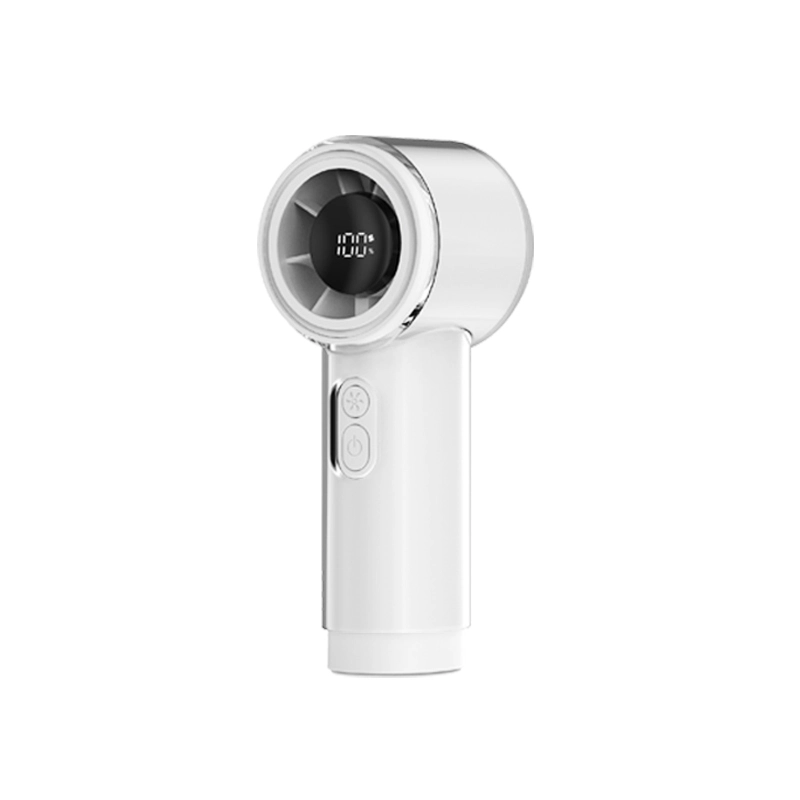
Customizable High-Speed Portable Handheld Fan FS2663
This is a high-speed, long-lasting, personalized, custom, portable cooling product specially designed for gift purchasers, cross-border e-commerce sellers, and OEM/ODM cooperation enterprises. It features (1) strong wind speed, (2) lightweight portability, (3) transparent shell design, (4) convenient carrying with a hand rope, and (5) long battery life. It helps enterprises enhance brand exposure, product differentiation competitiveness, and customer repeat purchase rate.
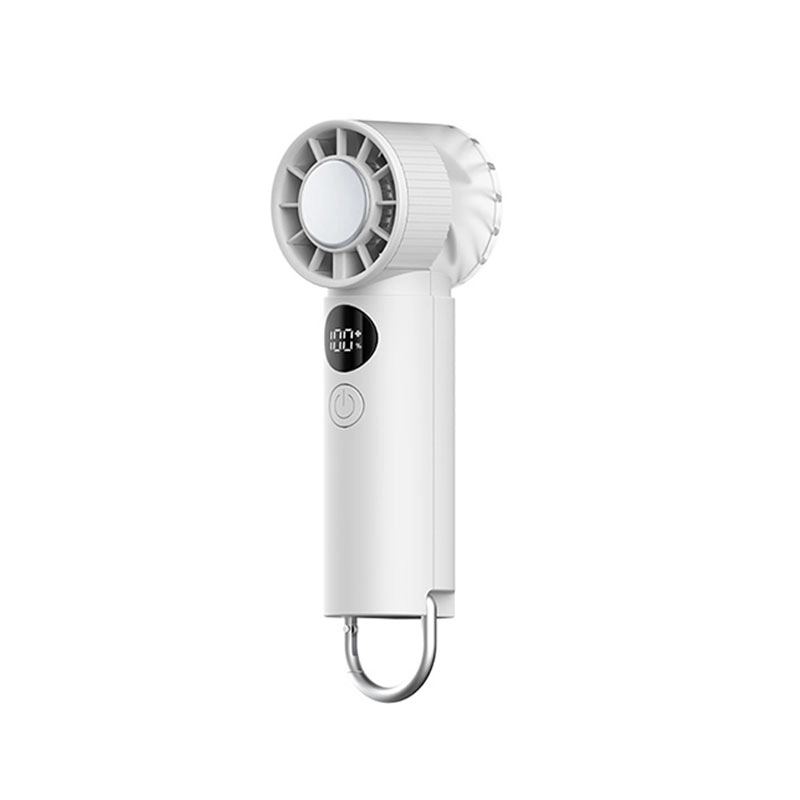
Customizable lightweight mini handheld cooling fan (with climbing hook) FS2666
A portable cooling and personalized customization product specially designed for commuters, students, the gift customization industry, and OEM/ODM buyers. It features (1) lightweight and easy portability, (2) a climbing buckle, and (3) semiconductor cooling.
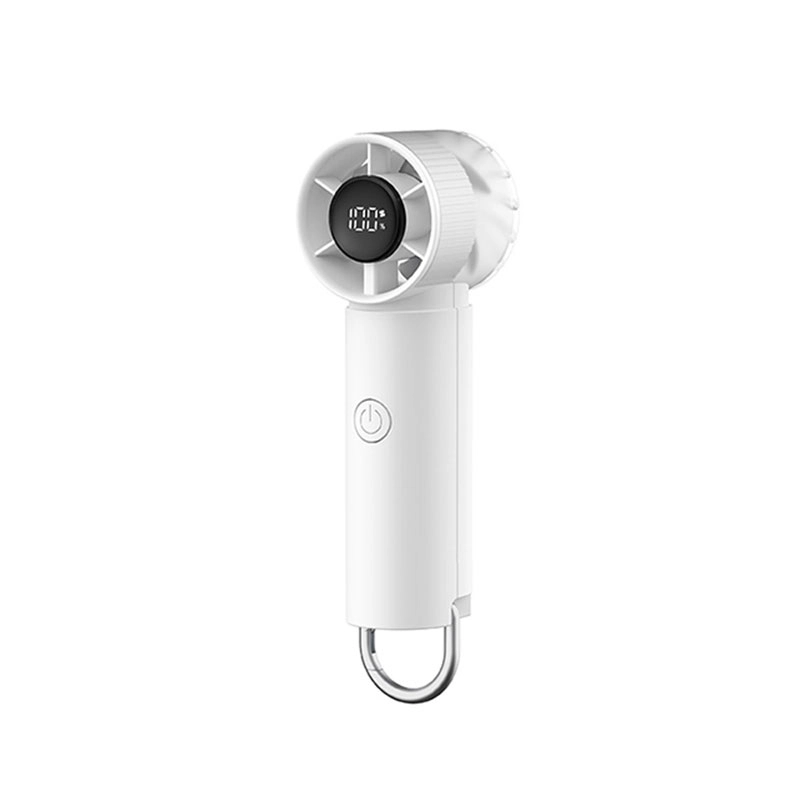
Customizable lightweight mini handheld cooling fan (with climbing hook) FS2667
This is a lightweight and portable + personalized customization product specially designed for commuters, students, the gift customization industry, and OEM/ODM buyers. It features (1) lightweight and easy portability, (2) a climbing buckle, and (3) a semi-transparent air duct design.
Start Your Custom Handheld Fans Manufacturing Project Today
If you have any comments or good suggestions, please leave us a message; later our professional staff will contact you as soon as possible.
Contact


4th Floor, Building 3, Jurong Industrial Park, No. 27-1-1, Fu'an Industrial Zone,Leliu Town (Pancun), Shunde District, Foshan City, Guangdong Province
 Scan QR Code
YouTube
Twitter
Facebook