






Shipping and Packaging Tips for Bulk Custom Mini Fan Orders
- Understanding Buyer Expectations for Custom Mini Fans
- What buyers expect from packaging and delivery
- Key performance metrics to track
- Aligning packaging with sales channels
- Packaging Design and Testing Best Practices
- Selecting materials: cushioning, cartons, and inner trays
- Testing protocols: ISTA and drop testing
- Pack optimization and cartonization math
- Shipping Compliance, Documentation, and Logistics
- Regulatory requirements for electronics and batteries
- Customs, HS codes, and documentation
- Choosing carriers and balancing cost vs. speed
- Operational Controls: Quality, Packaging Cost Management, and Claims Prevention
- Pre-shipment inspection and AQL
- Minimizing returns and damage claims
- Cost-saving packaging strategies without sacrificing protection
- RYW Technology Co., Ltd. — Manufacturing Strengths and How We Support Your Shipping Needs
- Checklist & Quick Reference Before You Ship
- Pre-shipment checklist
- When to escalate packaging redesign
- Working with freight forwarders and 3PLs
- Frequently Asked Questions (FAQ)
- 1. Can I ship custom mini fans with lithium-ion batteries by air?
- 2. What is the optimal carton weight for manual handling?
- 3. How do I choose between single-wall and double-wall corrugated cartons?
- 4. What documentation is essential to avoid customs delays?
- 5. How can I reduce shipping costs for small-batch custom runs?
- 6. Do I need ISTA testing for custom mini fans?
- Contact & Next Steps
I advise brands and sourcing teams worldwide on how to move bulk custom mini fans from factory floor to customers’ hands with minimal damage, lowest landed cost, and full regulatory compliance. Whether you ship small batches to e-commerce fulfillment centers in North America, palletized containers to Europe, or express parcels across Asia, the right packaging design, testing protocols, and documentation reduce risk and improve margin.
Understanding Buyer Expectations for Custom Mini Fans
What buyers expect from packaging and delivery
Buyers ordering custom mini fans expect products to arrive intact, fully functional, and presentable for immediate sale or drop-shipping. That means packaging must protect delicate components (fan blades, motors, PCB), preserve cosmetic finishes and printing (logos, custom colors), and meet retailers’ receiving standards. For consumer-facing brands, unboxing experience influences returns and reviews, so protective packaging should not compromise perceived value.
Key performance metrics to track
Measure these KPIs to evaluate your packaging strategy: on-time delivery rate, in-transit damage rate (per 1,000 units), customs clearance delay frequency, and cost-per-unit-to-fulfill. A realistic target for damage rate at scale is under 1% for well-packaged consumer electronics; if you exceed that, prioritize redesign and testing.
Aligning packaging with sales channels
E-commerce, retail, and wholesale channels have different requirements. FBA and many 3PLs require specific carton dimensions, labeling, and minimum case pack sizes. Retail buyers may require hang-sell or blister options and barcode placement. I recommend creating three packaging SKUs: retail-ready, e-commerce bulk (multi-unit inner pack), and industrial bulk for distribution.
Packaging Design and Testing Best Practices
Selecting materials: cushioning, cartons, and inner trays
Choose materials that balance protection, cost, and sustainability. For most custom mini fans, I recommend:
- Corrugated cartons (single-wall for small inner packs; double-wall for master cartons) — customize flute type based on weight and compression needs.
- Molded pulp or thermoformed trays to prevent movement and protect fan blades and control knobs.
- Polyethylene foam or EPE rolls for high-impact cushioning at corners and between units.
- Moisture barrier bags with desiccant if shipping to high-humidity regions.
For technical background on corrugated fiberboard strength, see the article on corrugated fiberboard (Wikipedia).
Testing protocols: ISTA and drop testing
Implement a tiered testing approach: visual inspection and fit-check for prototypes, simple drop and vibration tests for production validation, and full ISTA-certified testing for high-volume SKUs or sensitive launches. ISTA testing simulates real-world handling and reduces surprises at scale. If your product contains batteries, test according to the relevant IATA/ICAO lithium battery shipping guidance (IATA).
Pack optimization and cartonization math
Efficient cartonization reduces freight cost and damage. I use a simple calculation: determine unit dimensions with inner protective packing, then optimize units per master carton to minimize void space while respecting weight limits (e.g., max 20–25 kg per carton is easier for manual handling and reduces crush risk). Below is an example:
| Item | Single Unit (with inner tray) | Master Carton |
|---|---|---|
| Dimensions (L×W×H cm) | 15 × 10 × 7 | 45 × 30 × 28 |
| Units per carton | — | 12 |
| Single unit weight (kg) | 0.25 | — |
| Estimated gross carton weight (kg) | — | 4.5 |
This configuration keeps carton weight under 5 kg, which is favorable for both air and express rates and reduces strain-related damage.
Shipping Compliance, Documentation, and Logistics
Regulatory requirements for electronics and batteries
Custom mini fans often include lithium-ion or lithium-polymer batteries. Shipping batteries triggers dangerous goods regulations across air and ocean carriers. For guidance, consult IATA for air shipments (IATA DGR) and the International Maritime Dangerous Goods Code for sea freight. Non-compliance can result in seizure, fines, or carrier refusal.
Also ensure product certifications are in order: CE for EU markets (see the European Commission's CE guidance here), FCC for radio modules in the U.S. (FCC), and UL or equivalent safety approvals for markets that require listed components (UL).
Customs, HS codes, and documentation
Assign the correct Harmonized System (HS) code to avoid delays and unexpected duties; handheld fans typically fall under consumer electrical appliances categories—consult your customs broker or the World Customs Organization (WCO) for classification. Always provide: commercial invoice, packing list, certificate of origin, test reports (EMC, safety), and any battery-specific paperwork. Incorrect paperwork is the leading cause of customs delays.
Choosing carriers and balancing cost vs. speed
Decide between air, sea, and express based on inventory urgency, unit value, and order cadence. I routinely recommend:
| Mode | Transit Time | Cost per kg (relative) | Best for |
|---|---|---|---|
| Air Freight | 3–7 days | High | Large pallets, faster than sea; time-sensitive replenishment |
| Sea Freight (FCL/LCL) | 20–45 days | Low | Bulk shipments, predictable replenishment cycles |
| Express Couriers | 2–10 days | Very High | Samples, small B2B/B2C orders |
Consider hybrid strategies: air for initial launch stock, sea for steady-state replenishment. Work with freight forwarders that understand electronics, battery paperwork, and customs in your target markets.
Operational Controls: Quality, Packaging Cost Management, and Claims Prevention
Pre-shipment inspection and AQL
Implement Pre-Shipment Inspection (PSI) and use AQL (Acceptable Quality Limit) sampling plans for cosmetic, functional, and packaging checks. For consumer electronics, a common AQL is 2.5/4.0 for major defects, but tighten this for new suppliers or launches. Document PSI checklists to include package weight verification, carton integrity, barcode scans, and a random power-on test.
Minimizing returns and damage claims
Common causes of claims: inadequate cushioning, poor palletization, moisture damage, and battery failures. Mitigation tactics include:
- Adding corner protection and cross-bracing inside master cartons.
- Using quality transits—shrink-wrapped pallets with corner boards and strapping.
- Implementing desiccants and humidity indicators when shipping to tropical climates.
- Labeling fragile and handling instructions clearly for low-tech warehouses.
Cost-saving packaging strategies without sacrificing protection
Two techniques I use to reduce cost-per-unit while protecting units: right-sizing cartons (reduce void space) and using modular inner trays that fit multiple SKUs. Negotiate carton and foam pricing with suppliers based on annual volume commitments. Remember: a modest increase in packaging cost that reduces damage rates can lead to net savings when you factor in return processing, refurbishing, and customer dissatisfaction.
RYW Technology Co., Ltd. — Manufacturing Strengths and How We Support Your Shipping Needs
RYW Technology Co., Ltd. was founded in 2018 by a team of visionary designers. As the originator of the Ice-Cooling Fan, we integrate product design, R&D, manufacturing, and sales to redefine personal comfort. Guided by our philosophy, Refined in Heart, Simple in Form, we create ergonomic products that harmonize the relationship between people and technology, ensuring every device delivers a superior, intuitive user experience.
Our manufacturing capability is built on a 4,000 m² modern facility equipped with three advanced production lines. Backed by an in-house R&D team of over 30 experts, we specialize in professional OEM and ODM services, offering rapid prototyping and agile development. We help global partners—from e-commerce sellers to major retail brands—transform concepts into market-leading handheld fans and portable cooling solutions.
We are committed to the highest safety and quality standards. RYW is ISO9001-certified (ISO 9001) and holds a comprehensive suite of global certifications, including CE, CB, UKCA, PSE, KC, UL, FCC, and CCC. With a focus on reliability and compliance, we serve clients across North America, Europe, and Asia, empowering brands to deliver safe, innovative products to the world.
Working with RYW means you get integrated support: design-for-packaging guidance during prototyping, recommended testing protocols, battery-handling expertise, and documentation packages (test reports, declarations of conformity) to streamline customs clearance and reduce time-to-market. For a consultation, contact us at adrian@rywlife.com.
Checklist & Quick Reference Before You Ship
Pre-shipment checklist
- Verify product certifications required by destination (CE, FCC, UL).
- Confirm battery classification and prepare IATA paperwork if needed.
- Run drop/vibration testing and retain reports.
- Validate carton markings, barcodes, and unit counts via PSI.
- Ensure palletization meets carrier specs (strapping, corner boards, shrink wrap).
When to escalate packaging redesign
If you observe any of the following, stop and redesign: damage rate >1% after packaging changes; repeated failures in the same failure mode (crushed corners, moisture ingress); or retailer/3PL rejection due to non-conforming carton sizes or labeling.
Working with freight forwarders and 3PLs
Choose partners who provide transparency (real-time tracking), customs expertise, and value-added services such as pallet labeling and light assembly. Request references from other electronics/OEM clients and run a small pilot shipment before full-scale rollouts.
Frequently Asked Questions (FAQ)
1. Can I ship custom mini fans with lithium-ion batteries by air?
Yes, but only if you comply with IATA/ICAO dangerous goods regulations. Batteries must be packed and declared correctly, often require state of charge limits, and may need specific labeling and documentation. Consult your carrier and reference IATA guidance (IATA lithium batteries).
2. What is the optimal carton weight for manual handling?
Keep master carton gross weight under 20–25 kg for safer manual handling; many warehouses prefer <20 kg. For ergonomic safety and reduced damage, aim for 10–15 kg where feasible.
3. How do I choose between single-wall and double-wall corrugated cartons?
Use single-wall for light, well-cushioned inner packs. Use double-wall for heavy pallets, long sea voyages, or when stacking several pallets high. Consider compression strength and expected stacking height in transit.
4. What documentation is essential to avoid customs delays?
At minimum: accurate commercial invoice, packing list, certificate of origin, test reports for safety/EMC, and battery-specific documents if applicable. Use a trusted customs broker to confirm local requirements.
5. How can I reduce shipping costs for small-batch custom runs?
Consolidate shipments where possible, use express only for samples, and negotiate volumetric discounts with freight forwarders. Consider producing slightly larger MOQ to leverage sea freight unit cost benefits if lead times allow.
6. Do I need ISTA testing for custom mini fans?
ISTA testing is recommended for high-volume SKUs or when launching in new channels. For earlier stages, conduct focused drop and vibration tests that replicate your logistics network. Full ISTA certification reduces insurance and retailer friction.
Contact & Next Steps
If you’d like a packaging review, cartonization plan, or help preparing documentation for customs and battery shipping, email me at adrian@rywlife.com. To explore handheld fan designs, OEM/ODM partnerships, or rapid prototyping with RYW, contact our team and request a capability pack or factory audit report.
Ready to minimize damage, control costs, and ship compliant custom mini fans at scale? Reach out—let’s review your SKU and create a shipping plan that protects product integrity and brand reputation.
Everything You Need to Know About best rechargeable portable fan
Top 10 handheld fan Manufacturers and Supplier Brands
Tips for buy best small portable fan from China
Everything You Need to Know About best handheld cooling fan
About Products
Can l order samples for testing?
About Logistics
Do you offer freight forwar ding support?
What payment methods do you accept?
About Customization
How long is the production time?
About Company
What's the difference between RYW products and others?
You May Also Like
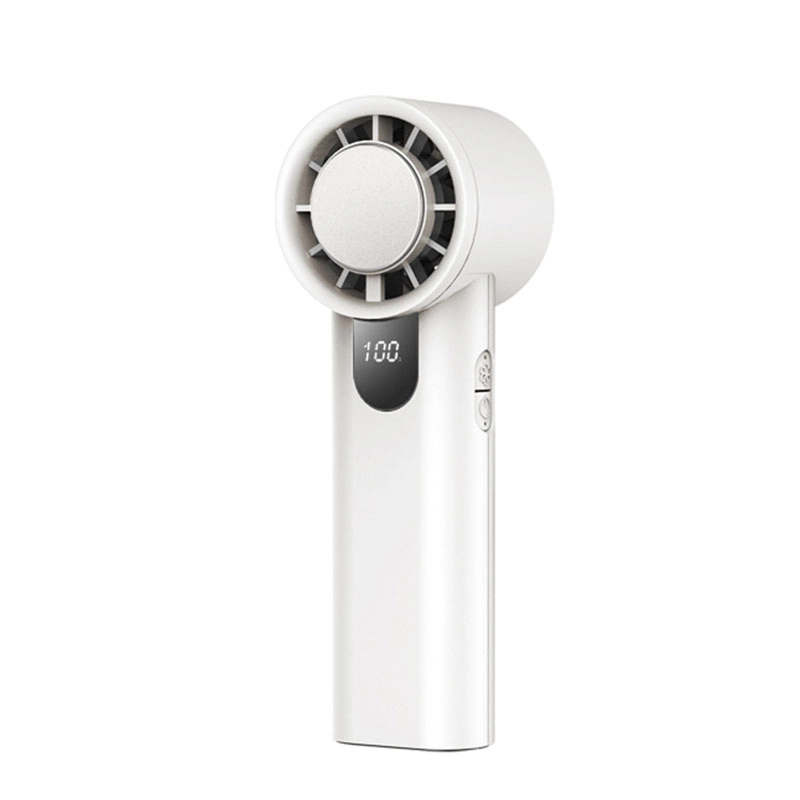
Customizable high-speed handheld fan
Experience powerful breeze on the go with RYW’s Customizable High-Speed Handheld Fan. This hand held electric fan offers personalized designs and compact size, perfect as custom mini fans for travel or events. Stay cool anytime with style and convenience.
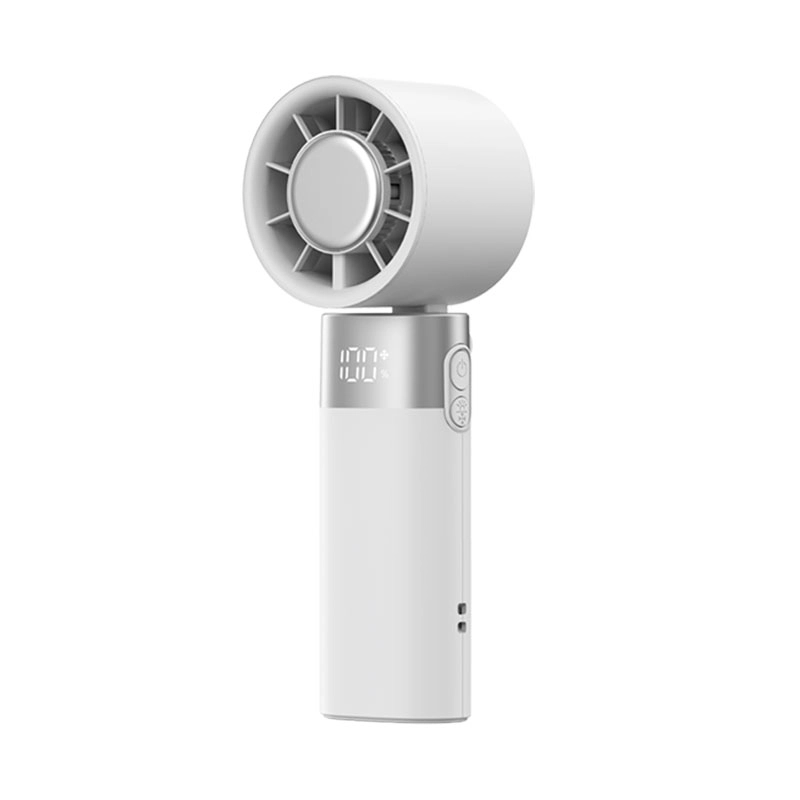
Reliable Handheld Cooling Solution for Bulk & Corporate Purchases
This premium handheld fan is designed for high-frequency, large-volume usage, making it an ideal cooling solution for corporate procurement, promotional distribution, employee welfare programs, and retail wholesale.
With stable airflow performance, a rechargeable design, and lightweight portability, it helps businesses deliver practical comfort products with strong perceived value while maintaining cost efficiency and supply reliability.
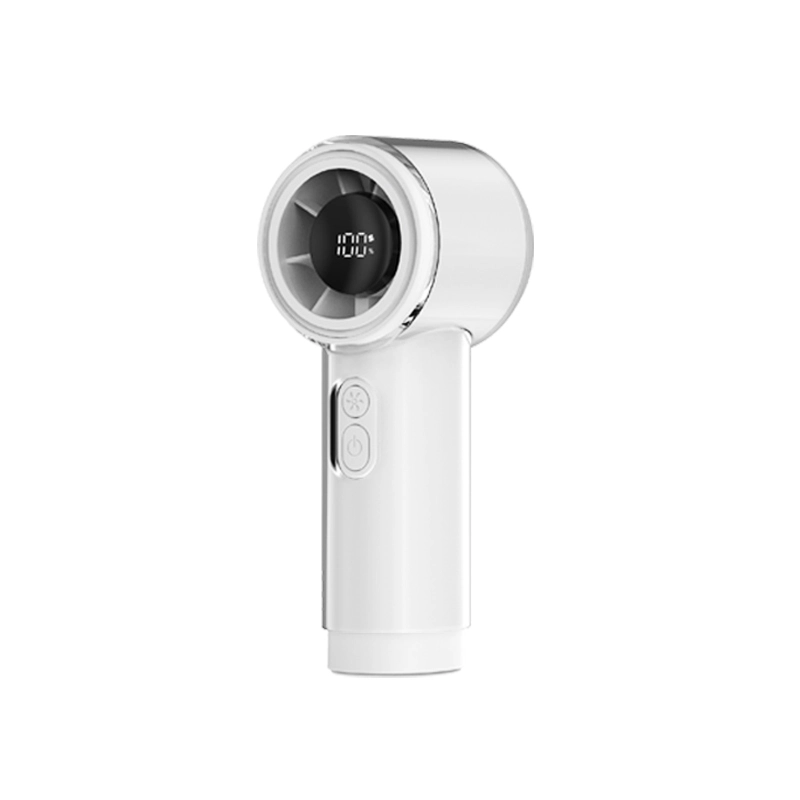
Customizable High-Speed Portable Handheld Fan FS2663
This is a high-speed, long-lasting, personalized, custom, portable cooling product specially designed for gift purchasers, cross-border e-commerce sellers, and OEM/ODM cooperation enterprises. It features (1) strong wind speed, (2) lightweight portability, (3) transparent shell design, (4) convenient carrying with a hand rope, and (5) long battery life. It helps enterprises enhance brand exposure, product differentiation competitiveness, and customer repeat purchase rate.
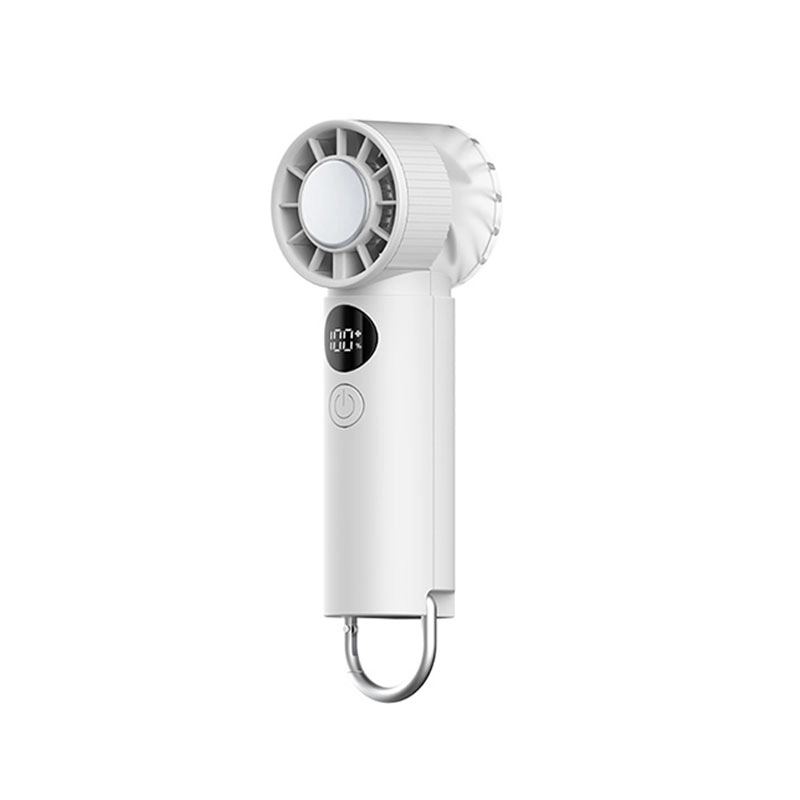
Customizable lightweight mini handheld cooling fan (with climbing hook) FS2666
A portable cooling and personalized customization product specially designed for commuters, students, the gift customization industry, and OEM/ODM buyers. It features (1) lightweight and easy portability, (2) a climbing buckle, and (3) semiconductor cooling.
Get a Quote for Handheld Fan Solution
If you have any comments or good suggestions, please leave us a message; later our professional staff will contact you as soon as possible.
Contact


4th Floor, Building 3, Jurong Industrial Park, No. 27-1-1, Fu'an Industrial Zone,Leliu Town (Pancun), Shunde District, Foshan City, Guangdong Province
 Scan QR Code
YouTube
Twitter
Facebook