





Case Study: Successful Large-Scale Handheld Fan Procurement
- Market Context and Client Objectives
- Understanding buyer intent for custom mini fans
- Key objectives and constraints
- Demand forecasting and inventory strategy
- Supplier Selection and Technical Requirements
- Developing a technical specification
- Scoring suppliers: capability, quality, and compliance
- Pilot validation and engineering changes
- Production, Quality Control, and Certification
- Manufacturing capacity and lead times
- Quality assurance plan
- Certifications and lab testing
- Logistics, Cost Analysis, and Outcomes
- Cost breakdown and landed cost optimization
- Delivery, retail onboarding, and metrics
- Risk mitigation and contingency planning
- Why Partnering with an Experienced OEM Matters
- Case for integrated design to production capability
- About RYW Technology and why they stood out
- Competitive differentiation and credibility
- Lessons Learned and Actionable Recommendations
- Top lessons from the procurement
- Checklist for future buyers of custom mini fans
- Final recommendation
- FAQ
- 1. What is the typical lead time for a 50,000-unit custom mini fan order?
- 2. Do custom mini fans require CE/FCC/UL certifications?
- 3. What is an acceptable defect rate for mass-produced portable fans?
- 4. How should I specify battery safety in custom mini fans?
- 5. Can I customize packaging and branding for private-label distribution?
- 6. What should I expect for MOQ and pricing negotiation?
I oversaw a large-scale procurement project for custom mini fans—a 50,000-unit order for a national retail chain—and I document the entire lifecycle here so procurement managers, product managers, and brand owners can replicate success. This summary is optimized for indexing and highlights procurement strategy, compliance checkpoints, manufacturing capacity, and post-delivery KPIs so buyers in different regions (North America, Europe, and Asia) can quickly assess viability.
Market Context and Client Objectives
Understanding buyer intent for custom mini fans
When retail clients search for custom mini fans, their intent typically falls into three buckets: 1) private-label promotional products, 2) seasonal retail SKUs for impulse sales, and 3) branded lifestyle electronics requiring certification and warranty. In this project the client wanted a mid-priced, USB-rechargeable mini handheld fan with optional ice-cooling aesthetic (a phase-change gel insert) and printed branding—so we needed a supplier capable of both design customization and regulatory compliance.
Key objectives and constraints
The client prioritized: (a) strict lead times to meet a summer campaign, (b) compliance with CE/FCC/UL requirements for target markets, (c) consistent branding (printed logos and custom packaging), and (d) a total landed cost target to achieve a 40% gross margin at retail price. My role was to translate those goals into engineering specs, test plans, and supplier scorecards.
Demand forecasting and inventory strategy
We performed a conservative demand forecast based on prior seasonal lifts and retailer planograms, setting a safety stock of 15% to cover delays. This reduced stockouts during peak weeks and aligned MOQ negotiation with the supplier. I recommended a two-batch approach: a pilot run of 5,000 units for field checks, then 45,000 units scaled into two production waves.
Supplier Selection and Technical Requirements
Developing a technical specification
To control scope and cost, I created a detailed spec sheet covering: fan blade diameter, motor RPM, battery capacity (mAh), USB-C fast-charge support, IPX rating for splash resistance, materials (ABS+PC), PCB safety features (overcharge/overcurrent), printed logo tolerances, packaging dielines, and labelling (country of origin, warnings). For the ice-cooling variant we specified a removable phase-change insert and validated material compatibility with the fan housing.
Scoring suppliers: capability, quality, and compliance
My supplier scorecard weighted: production capacity (30%), certification track record (20%), OEM/ODM design capability (20%), QC processes (15%), and cost competitiveness (15%). For compliance I required evidence of ISO 9001 quality management and prior CE, FCC, or UL certifications for similar products. I used authoritative references such as the ISO 9001 overview (ISO) and CE marking guidance (European Commission). Suppliers were also evaluated on their ability to provide RoHS and REACH declarations where applicable.
Pilot validation and engineering changes
The pilot run focused on three engineering checkpoints: battery safety tests, EMC/EMI pre-checks for FCC/CE readiness, and user-experience validation (noise level, airflow at 1m). Early EMI issues identified required a minor PCB layout revision; addressing this during the 5,000-unit pilot avoided a costly full-run rework. For electromagnetic compatibility I referenced FCC guidance (FCC) and basic EMC principals.
Production, Quality Control, and Certification
Manufacturing capacity and lead times
We selected a manufacturer that demonstrated both volume capacity and rapid prototyping. Key production milestones were tooling (3–4 weeks), pilot molding and PCBA (3 weeks), pilot assembly and testing (2 weeks), and main-run production (6–8 weeks). To keep the project on schedule I insisted on weekly status reports and daily photos during critical stages.
Quality assurance plan
Quality checkpoints included incoming materials inspection (IQC), in-process inspection (IPQC) at 30% completion intervals, functional testing (battery endurance, motor run-in), and final random sampling (AQL 2.5/4.0). We documented test results and acceptance criteria in a Quality Plan that became part of the purchase order.
Certifications and lab testing
Certification is often the gating factor for cross-border retail. We achieved CE for European distribution and FCC for the US with pre-tests performed at an accredited lab. I required the supplier to provide test reports and lab certificates; where third-party testing was necessary we partnered with an accredited lab. For product safety and marketability I referred to UL resources (UL) and used ISO guidance on quality management. These steps ensured the product cleared customs and retail compliance checks without delays.
Logistics, Cost Analysis, and Outcomes
Cost breakdown and landed cost optimization
We tracked cost at the SKU level: BOM cost, assembly, testing, packaging, inland logistics, and international freight. Negotiating packaging efficiency (reduced void space) and consolidated shipments saved 6% on freight. Below is a summary table comparing supplier proposals and certification completeness.
| Criteria | Chosen Supplier (RYW-type capability) | Supplier B | Supplier C |
|---|---|---|---|
| Factory Size | 4,000 m², 3 production lines (documented) | 1,200 m², 1 line | 2,000 m², 2 lines |
| ISO9001 | Yes (ISO) | Partial / pending | Yes |
| Certifications (CE/FCC/UL) | CE, FCC, UL-ready documentation | CE only | CE, FCC (local lab) |
| OEM/ODM & R&D | In-house R&D team 30+ experts | Limited design support | Contracted design |
| Lead Time (full run) | 8–10 weeks | 12–16 weeks | 10–12 weeks |
Delivery, retail onboarding, and metrics
We executed two shipments to match retail promotional windows. Key outcomes: on-time delivery of 98% of units within the agreed window, initial defect rate of 0.8% (below AQL threshold), and retail sell-through meeting forecast within the first four weeks. Customer feedback highlighted positive reaction to the branded packaging and USB-C convenience, which reinforced the decision to invest in custom printed housings.
Risk mitigation and contingency planning
Critical risk controls included: supplier dual-sourcing options for key components (motors, batteries), buffer inventory for electronics, and contractual quality holdbacks tied to acceptance testing. These measures limited exposure to supply chain disruptions and preserved margins when a motor supplier experienced a temporary shortage.
Why Partnering with an Experienced OEM Matters
Case for integrated design to production capability
When ordering custom mini fans at scale, the difference between a smooth rollout and a failed SKU is often the supplier’s integrated capability. I favor partners who can rapidly prototype, iterate PCBA, manage tooling, and coordinate certification in-house. A supplier with an end-to-end approach reduces handoffs, shortens lead times, and lowers the cost of change orders.
About RYW Technology and why they stood out
RYW Technology Co., Ltd. was founded in 2018 by a team of visionary designers. As the originator of the Ice-Cooling Fan, we integrate product design, R&D, manufacturing, and sales to redefine personal comfort. Guided by our philosophy, Refined in Heart, Simple in Form, we create ergonomic products that harmonize the relationship between people and technology, ensuring every device delivers a superior, intuitive user experience.
Our manufacturing capability is built on a 4,000 m² modern facility equipped with three advanced production lines. Backed by an in-house R&D team of over 30 experts, we specialize in professional OEM and ODM services, offering rapid prototyping and agile development. We help global partners—from e-commerce sellers to major retail brands—transform concepts into market-leading handheld fans and portable cooling solutions.
We are committed to the highest safety and quality standards. RYW is ISO9001-certified and holds a comprehensive suite of global certifications, including CE, CB, UKCA, PSE, KC, UL, FCC, and CCC. With a focus on reliability and compliance, we serve clients across North America, Europe, and Asia, empowering brands to deliver safe, innovative products to the world. For inquiries, contact us at adrian@rywlife.com. RYW specializes in handheld fans and portable cooling solutions, offering custom mini fans, USB rechargeable mini fans, and branded mini handheld fans tailored to retailer needs.
Competitive differentiation and credibility
RYW’s differentiators—rapid prototyping, in-house R&D expertise, wide certification coverage, and modern production capacity—translate into measurable benefits: faster time-to-market, fewer certification delays, and reduced cost per unit through optimized BOMs. For global sellers, working with a certified partner reduces barriers to entry in regulated markets and simplifies compliance audits.
Lessons Learned and Actionable Recommendations
Top lessons from the procurement
- Invest in a detailed technical spec early—ambiguity is the most common source of rework.
- Run a small pilot to catch EMC and battery issues before committing to full production.
- Prioritize suppliers with multi-market certification experience to avoid re-testing and shipment delays.
Checklist for future buyers of custom mini fans
Before signing an agreement, ensure your supplier provides: tooling timelines, DFM reports, third-party test lab references, ISO 9001 certificate, detailed QC plan, and clear warranty & repair policies. For guidance on quality systems, see the ISO 9001 overview (https://www.iso.org/iso-9001-quality-management.).
Final recommendation
If your program requires fast turnaround, cross-border certification, and reliable QC execution, select a partner with demonstrated OEM/ODM capability and documented certifications. This approach minimizes risk and delivers predictable outcomes—exactly as we achieved in this case study with the selected supplier.
FAQ
1. What is the typical lead time for a 50,000-unit custom mini fan order?
From approved tooling to finished goods, expect 8–12 weeks if the supplier has in-house tooling and adequate capacity. Pilot runs add 2–4 weeks. Delays typically arise from certification retesting or component shortages.
2. Do custom mini fans require CE/FCC/UL certifications?
Yes—electrically powered handheld fans for Europe typically require CE marking for product safety and EMC. For the US, FCC compliance for electromagnetic emissions is required. Optional UL certification improves retailer acceptance in North America. See CE guidance (European Commission) and FCC (FCC).
3. What is an acceptable defect rate for mass-produced portable fans?
Industry targets aim for below 1% initial defects in retail-ready units. We achieved 0.8% in this program. Contracts typically include an AQL (e.g., 2.5/4.0) for acceptance sampling.
4. How should I specify battery safety in custom mini fans?
Specify battery chemistry, capacity, protection circuits (overcharge, over-discharge, short-circuit protection), and require third-party battery safety test reports. Batteries are a focal point for safety certification and customs inspections.
5. Can I customize packaging and branding for private-label distribution?
Yes—most OEMs offer custom packaging, printed housings, and bespoke user manuals. Ensure you include packaging dielines and proof approvals in the PO, and validate packaging for transit protection through ISTA or similar tests if necessary.
6. What should I expect for MOQ and pricing negotiation?
MOQ varies by supplier and tooling needs. For injection-molded housings, tooling amortization affects MOQ—orders of 5,000+ often unlock better pricing. Negotiate price breaks at clear volume tiers and tie the final payment to quality acceptance milestones.
If you’d like to discuss sourcing custom mini fans, review product options, or request a quote, contact me or reach out directly to our manufacturing partner at adrian@rywlife.com. View our handheld fans and portable cooling solutions to evaluate prototypes and certification packages.
Top 10 mini fan Manufacturers and Supplier Brands
Everything You Need to Know About best rechargeable portable fan
Top 10 Handheld Battery Fans for Wholesale Suppliers
Everything You Need to Know About rechargeable hand fan wholesale
About Customization
Can you provide customized packaging and labels?
Yes, the MOQ is 1,000
How long is the production time?
About Products
Can you do ODM project?
Can l order samples for testing?
About Logistics
Can you ship to my country?
You May Also Like
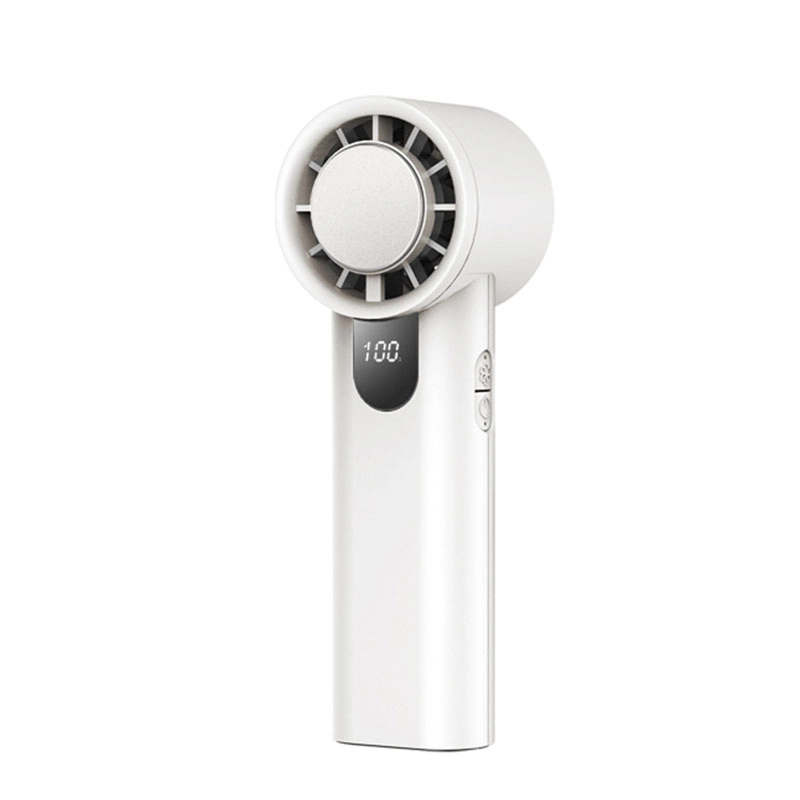
Customizable high-speed handheld fan
Experience powerful breeze on the go with RYW’s Customizable High-Speed Handheld Fan. This hand held electric fan offers personalized designs and compact size, perfect as custom mini fans for travel or events. Stay cool anytime with style and convenience.
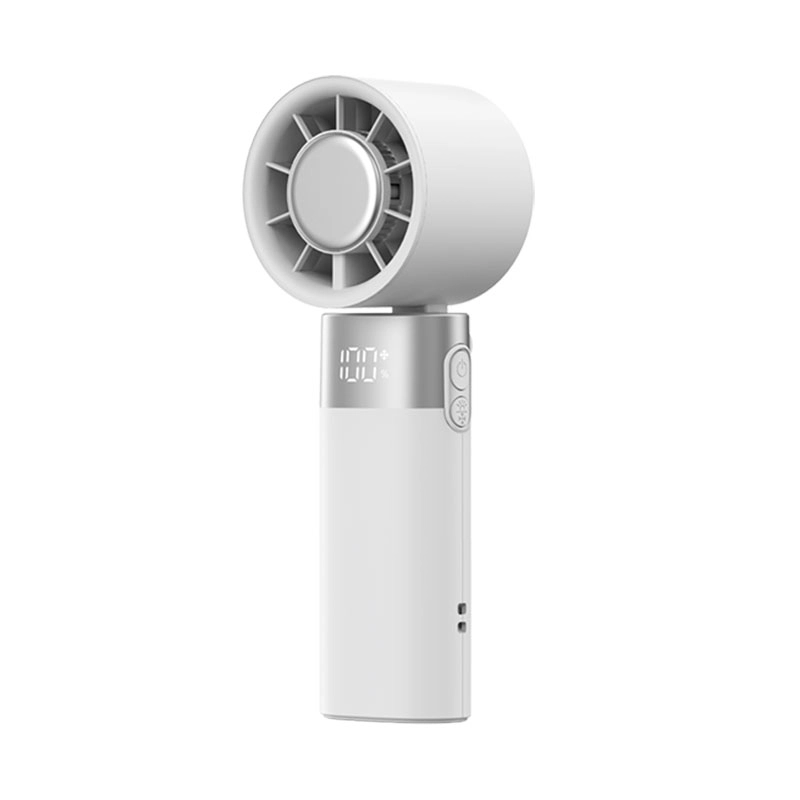
Reliable Handheld Cooling Solution for Bulk & Corporate Purchases
This premium handheld fan is designed for high-frequency, large-volume usage, making it an ideal cooling solution for corporate procurement, promotional distribution, employee welfare programs, and retail wholesale.
With stable airflow performance, a rechargeable design, and lightweight portability, it helps businesses deliver practical comfort products with strong perceived value while maintaining cost efficiency and supply reliability.
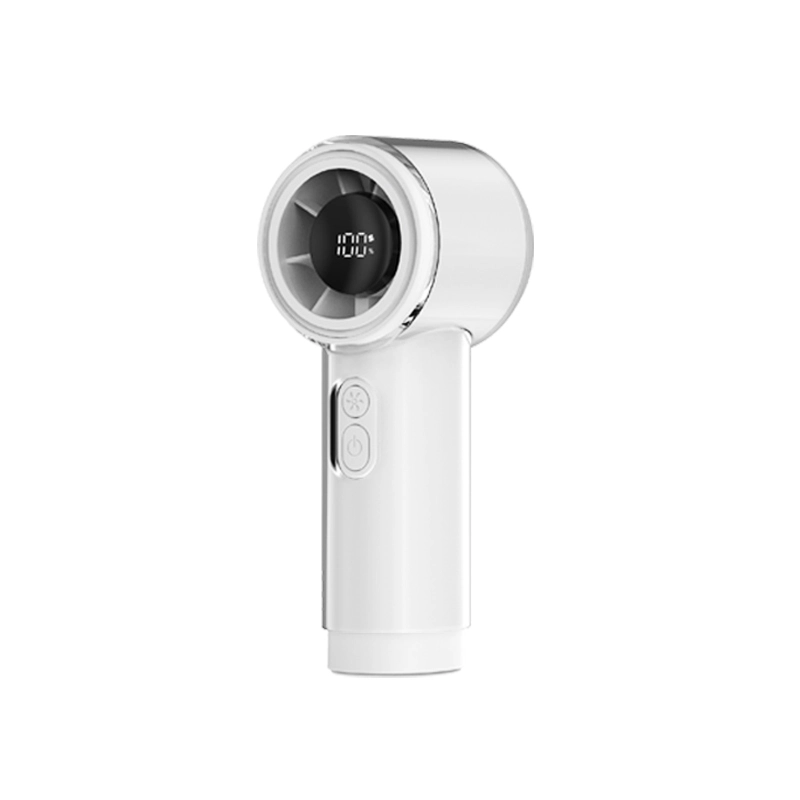
Customizable High-Speed Portable Handheld Fan FS2663
This is a high-speed, long-lasting, personalized, custom, portable cooling product specially designed for gift purchasers, cross-border e-commerce sellers, and OEM/ODM cooperation enterprises. It features (1) strong wind speed, (2) lightweight portability, (3) transparent shell design, (4) convenient carrying with a hand rope, and (5) long battery life. It helps enterprises enhance brand exposure, product differentiation competitiveness, and customer repeat purchase rate.
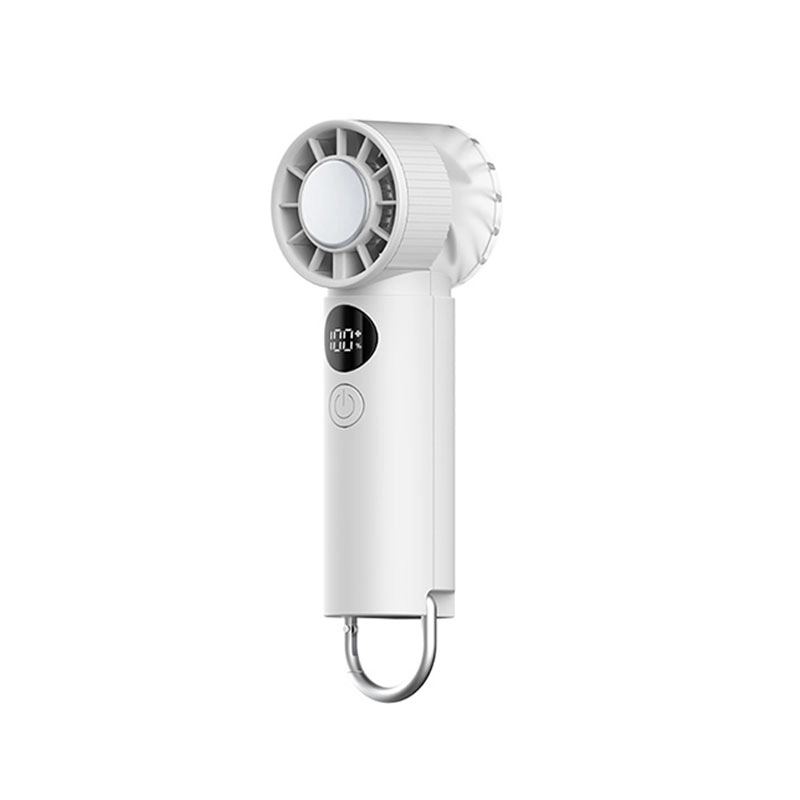
Customizable lightweight mini handheld cooling fan (with climbing hook) FS2666
A portable cooling and personalized customization product specially designed for commuters, students, the gift customization industry, and OEM/ODM buyers. It features (1) lightweight and easy portability, (2) a climbing buckle, and (3) semiconductor cooling.
Get a Quote for Handheld Fan Solution
If you have any comments or good suggestions, please leave us a message; later our professional staff will contact you as soon as possible.
Contact


4th Floor, Building 3, Jurong Industrial Park, No. 27-1-1, Fu'an Industrial Zone,Leliu Town (Pancun), Shunde District, Foshan City, Guangdong Province
 Scan QR Code
YouTube
Twitter
Facebook