






Which handheld electric fan has mist function? | Insights by RYW
- Which handheld electric fan has mist function — how do I identify a reliable model when product pages exaggerate 'mist' claims?
- Which handheld misting fan offers the longest practical runtime without an oversized battery or extra weight?
- Which is better for handheld misting — ultrasonic nebulizer or pump/nozzle — and what are the tradeoffs?
- Which handheld misting fans are easiest and safest to maintain — how do I avoid mold, scaling and clogged nozzles?
- Which handheld misting fans can I bring on flights or use on public transport without regulatory or practical issues?
- Which handheld misting fan will actually make me feel several degrees cooler — how should I judge real-world cooling effectiveness in-store or from spec sheets?
Which handheld electric fan has mist function — how do I identify a reliable model when product pages exaggerate 'mist' claims?
A reliable handheld fan with mist function is defined by measurable specs, not marketing blurbs. Look for these documented features on the spec sheet: water tank capacity (ml), mist output (ml/h), mist generation method (ultrasonic or pump/nozzle), battery capacity (mAh and Wh), run time with mist on, IP or splash resistance rating, and reservoir material (BPA-free). True portable misting fans commonly advertise mist output in the 20–120 ml/hour range; when the vendor omits a numeric mist output, treat the claim as unverified.
Practical verification steps:
- Require a stated mist output (ml/h) and tank size (ml). If missing, ask the vendor to test and share a short video of continuous misting for at least 3 minutes.
- Check whether the mist method is listed. Ultrasonic atomizers generate very fine droplets and are noisy/low-flow; pump/nozzle systems produce larger droplets but higher visible volume.
- Look for independent reviews that measure runtime and mist output. If only staged marketing photos (no mist visible or only one photo), be skeptical.
Embedding these measurable criteria (mist output ml/h, water tank capacity, ultrasonic vs pump) into your supplier questions prevents overpaying for vague 'mist' features.
Which handheld misting fan offers the longest practical runtime without an oversized battery or extra weight?
To estimate runtime, calculate battery energy and expected power draw. Typical handheld misting fans run at 3–7 W on fan-only and 5–12 W with mist engaged (mist systems add a small pump or ultrasonic driver). Use battery Wh = (mAh × nominal voltage)/1000. Example: a 3.7 V 2000 mAh cell ≈ 7.4 Wh. If the combined power draw is 6 W, theoretical runtime ≈ 7.4 Wh / 6 W ≈ 1.2 hours.
Buyer checklist for long runtime without bulk:
- Target battery capacity: ≥3000 mAh (3.7 V) for 2+ hours with mist on, depending on motor/pump efficiency. Many efficient designs with small ultrasonic modules and low-RPM brushless fan motors can deliver 2–4 hours on a 3000–5000 mAh pack.
- Look for energy-efficient motors (brushless DC) and adjustable fan speeds so you can conserve energy by using low speed + mist.
- Confirm whether manufacturers quote runtime with mist enabled (not fan-only). Real-world runtime is often 60–80% of the manufacturer’s idealized number once mist is running and at higher fan speeds.
Use the simple runtime formula above to compare models and ask for measured runtime at comparable settings (e.g., low/medium/high with mist on).
Which is better for handheld misting — ultrasonic nebulizer or pump/nozzle — and what are the tradeoffs?
Both technologies provide misting but behave differently:
- Ultrasonic nebulizers: create very fine droplets (often sub-10 µm, typically 1–5 µm). Pros: very fine mist that evaporates quickly for efficient evaporative cooling and a soft visible fog; usually low power per unit of mist. Cons: can be noisy (resonance), sensitive to mineral buildup (need distilled water or frequent cleaning), typically lower bulk mist volume (lower ml/h) so perceived cooling can be modest unless airflow is optimized.
- Pump/nozzle (mechanical spray): forces water through small nozzles creating larger droplets (tens to hundreds of microns). Pros: higher visible mist volume and faster wetting of skin for immediate sensation of coolness. Cons: larger droplets may not evaporate fully in humid conditions (can feel wet), require stronger seals and can leak if poorly designed.
Which to choose:
- Dry, hot climates: ultrasonic misting + steady airflow often gives the best evaporative cooling because the fine droplets evaporate rapidly.
- Humid climates: higher-volume pump/nozzle mist gives a stronger immediate cooling sensation but may leave moisture on skin and clothing; overall effectiveness is limited when relative humidity exceeds ~60%.
Include the mist generation method (ultrasonic vs pump) in your spec filter and ask manufacturers for droplet-size or mist-output curves if you need to verify performance for professional uses (events, outdoor staff cooling).
Which handheld misting fans are easiest and safest to maintain — how do I avoid mold, scaling and clogged nozzles?
Maintenance is a common pain point. Follow these design and maintenance criteria to reduce issues:
- Use distilled or demineralized water whenever possible (avoids scaling from dissolved minerals). If tap water is used, recommend weekly descale cycles.
- Reservoir design: wide-mouth refill openings and removable reservoirs are far easier to clean. Avoid models where the tank is sealed and impossible to fully dry.
- Materials: choose BPA-free plastics (e.g., food-contact grade ABS or PP) and silicone gaskets that tolerate repeated wet/dry cycles.
- Cleaning protocol: empty after use; rinse reservoir and run a vinegar (5–10% acetic acid) or mild bleach cycle per manufacturer guidance (commonly 1:10 bleach or 1:1 vinegar:water soak for 10–20 minutes), then rinse thoroughly. For ultrasonic modules, follow manufacturer cleaning recommendations to avoid damage.
- Replaceable parts: prefer designs with replaceable nozzles, filters, or ultrasonic discs to extend lifetime.
Operational tips: never leave water in the tank for prolonged storage; dry the tank between uses. For professional deployments (multiple users), mandate daily empty/clean routines and keep spare reservoirs to rotate and sanitize.
Which handheld misting fans can I bring on flights or use on public transport without regulatory or practical issues?
Air travel and public transport concerns: battery and liquid rules differ.
- Batteries: most handheld fans use lithium-ion packs well below the common airline carry-on limit of 100 Wh. To calculate Wh: (mAh × V)/1000. Common 2000–5000 mAh 3.7 V cells are ~7.4–18.5 Wh — within standard limits. For removable batteries in the 100–160 Wh range you must get airline approval; >160 Wh is generally prohibited.
- Liquids/inspections: airports screen devices and liquids. Rule-of-thumb: empty the water reservoir before security/boarding to avoid spill risk and inspections. Policies can vary by country; check the carrier’s rules.
- Onboard use: small handheld misters are usually allowed, but using them in enclosed cabin spaces may be discouraged (spray affecting other passengers). For trains and buses, emptying the tank and using just the fan function avoids complaints.
Always verify the latest airline and local transport rules before travel. When in doubt, carry the device empty and keep the battery in carry-on.
Which handheld misting fan will actually make me feel several degrees cooler — how should I judge real-world cooling effectiveness in-store or from spec sheets?
Perceived cooling depends on airflow (CFM), mist droplet size, mist rate, ambient temperature and humidity. There is no universally guaranteed 'degrees cooled' number because evaporative cooling relies on evaporation rate.
How to test in-store or when evaluating specs:
- Cross-check fan airflow (often given as m3/h or CFM). Higher airflow increases convective evaporation of mist from skin.
- Compare mist output (ml/h) at the same battery/fan setting across models. A balanced combination (moderate airflow + 30–80 ml/h ultrafine mist) typically feels most comfortable without soaking skin.
- Test on a dry-day demonstration: set fan at medium, mist on, hold 30–40 cm from face. If you feel immediate coolness and no dripping after 15–30 seconds, it’s effective. In humid environments (>60% RH) expect much less evaporative cooling.
- Use a handheld infrared thermometer for objective checks: measure skin temperature before and after 30–60 seconds of misting. An immediate skin-surface temperature drop of 1–3 °C is realistic for small portable mist fans in dry heat. Larger drops are possible under strong airflow and low humidity but are not typical indoors or in high humidity.
For professional purchases, request lab or third-party test data from suppliers: measured mist output (ml/h), droplet-size distribution, airflow (CFM) and runtime with mist on. These measurements separate genuine performers from devices that only look good in photos.
Concluding summary — advantages of handheld electric fans with mist function
Handheld misting fans combine forced airflow and evaporative cooling to give a portable, energy-efficient way to lower perceived temperature. Proper selection based on mist output (ml/h), droplet size (ultrasonic vs pump), battery Wh, IP/splash protection, and easy-to-clean reservoir minimizes maintenance problems and maximizes cooling effectiveness. In dry climates, fine ultrasonic mist plus steady airflow gives efficient evaporative cooling; in humid climates, higher-volume misting may give stronger immediate sensation but with limited evaporative benefit.
For commercial buyers and event planners, require measurable specs (mist ml/h, tank ml, battery Wh, runtime with mist on, IP rating) and ask suppliers for short demonstration videos and independent test reports. If you’d like a product selection or bulk quote, contact us for a tailored recommendation and pricing. Visit www.rywlife.com or email adrian@rywlife.com.
Contacts
WhatsApp/Phone
You May Also Like
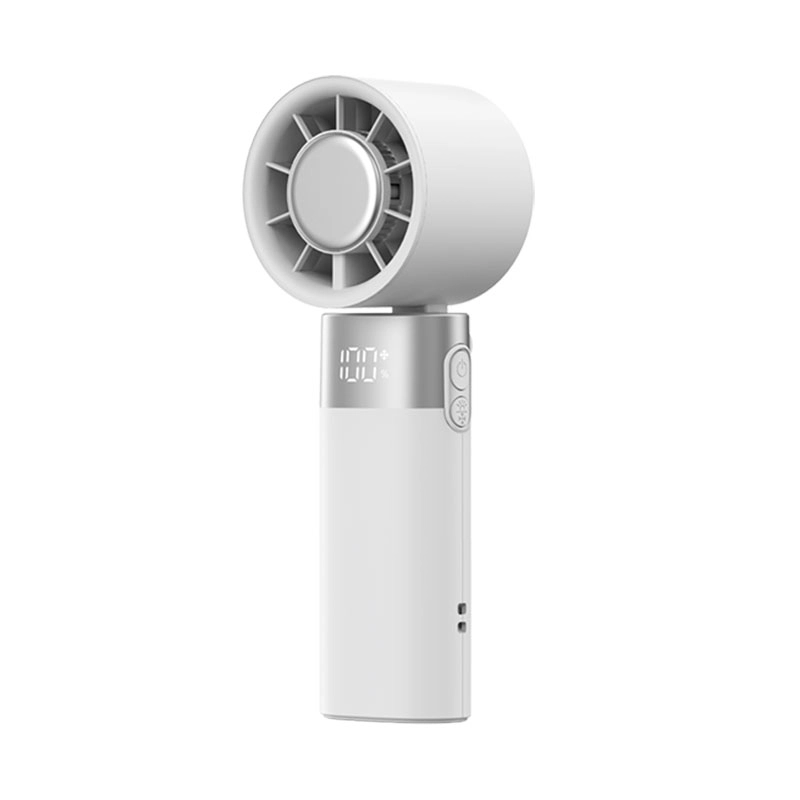
Reliable Handheld Cooling Solution for Bulk & Corporate Purchases
This premium handheld fan is designed for high-frequency, large-volume usage, making it an ideal cooling solution for corporate procurement, promotional distribution, employee welfare programs, and retail wholesale.
With stable airflow performance, a rechargeable design, and lightweight portability, it helps businesses deliver practical comfort products with strong perceived value while maintaining cost efficiency and supply reliability.
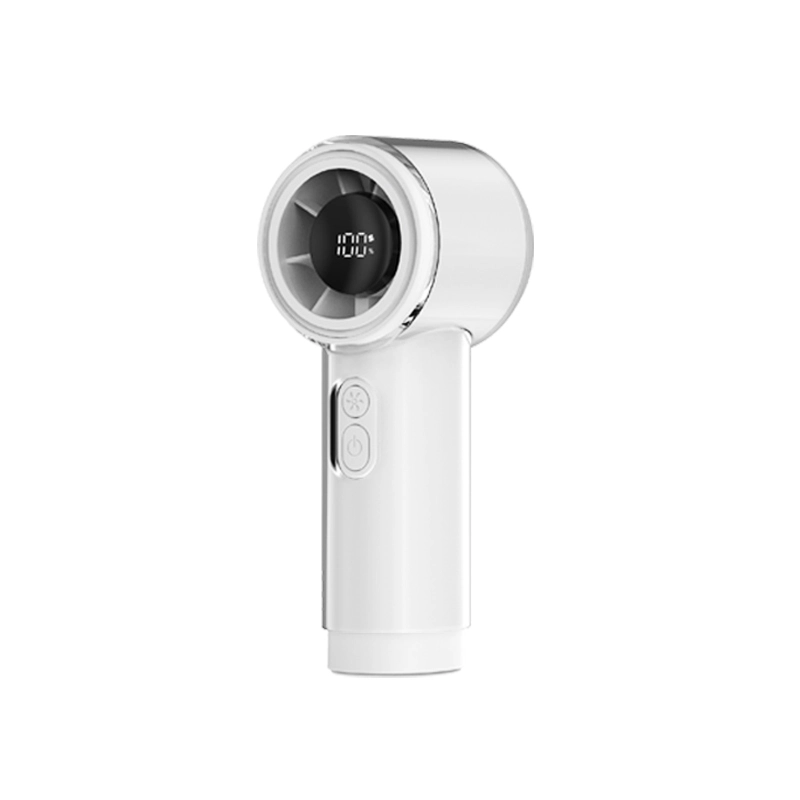
Customizable High-Speed Portable Handheld Fan FS2663
This is a high-speed, long-lasting, personalized, custom, portable cooling product specially designed for gift purchasers, cross-border e-commerce sellers, and OEM/ODM cooperation enterprises. It features (1) strong wind speed, (2) lightweight portability, (3) transparent shell design, (4) convenient carrying with a hand rope, and (5) long battery life. It helps enterprises enhance brand exposure, product differentiation competitiveness, and customer repeat purchase rate.
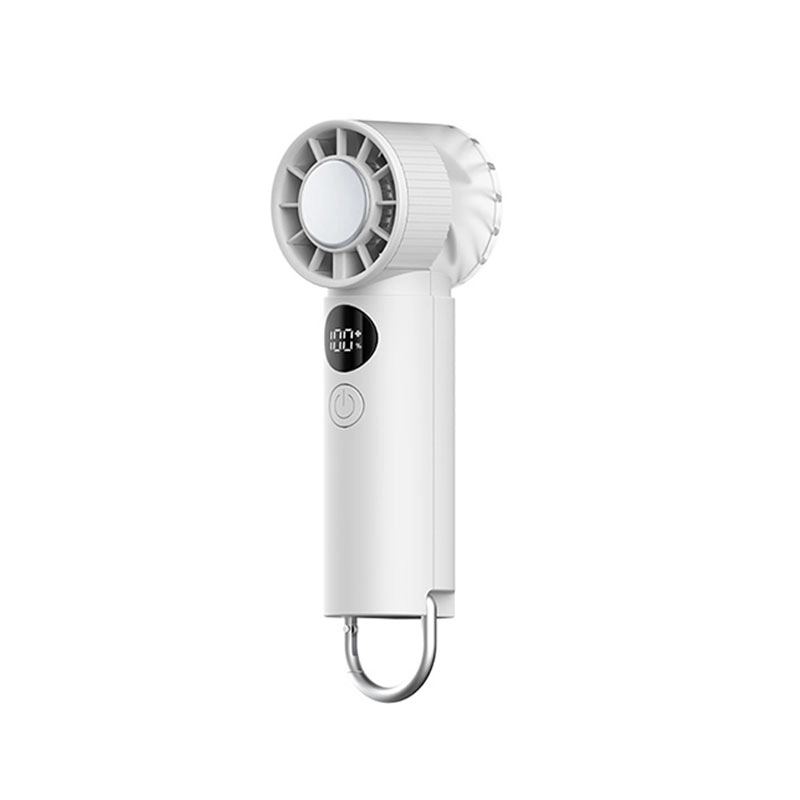
Customizable lightweight mini handheld cooling fan (with climbing hook) FS2666
A portable cooling and personalized customization product specially designed for commuters, students, the gift customization industry, and OEM/ODM buyers. It features (1) lightweight and easy portability, (2) a climbing buckle, and (3) semiconductor cooling.
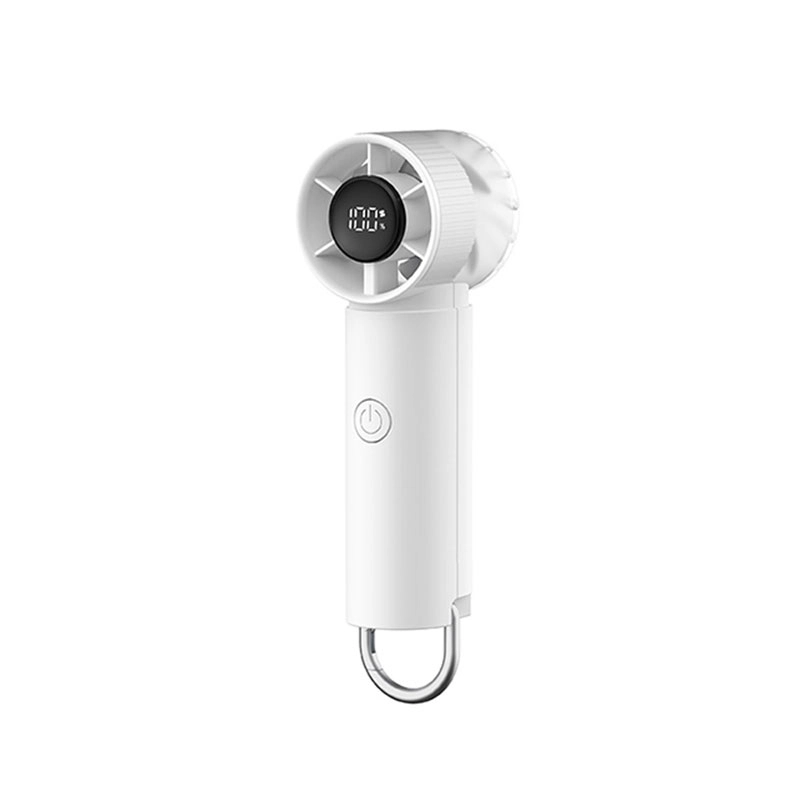
Customizable lightweight mini handheld cooling fan (with climbing hook) FS2667
This is a lightweight and portable + personalized customization product specially designed for commuters, students, the gift customization industry, and OEM/ODM buyers. It features (1) lightweight and easy portability, (2) a climbing buckle, and (3) a semi-transparent air duct design.
Start Your Custom Handheld Fans Manufacturing Project Today
If you have any comments or good suggestions, please leave us a message; later our professional staff will contact you as soon as possible.
Contact


4th Floor, Building 3, Jurong Industrial Park, No. 27-1-1, Fu'an Industrial Zone,Leliu Town (Pancun), Shunde District, Foshan City, Guangdong Province
 Scan QR Code
YouTube
Twitter
Facebook