






How to source handheld electric fans from China? | Insights by RYW
- 1. How can I verify a supplier's battery safety (UN38.3 / IEC 62133) before placing a mass order?
- 2. What are realistic MOQs, tooling fees and sample costs for OEM handheld fans when starting a new brand?
- 3. What should a handheld fan QA/QC checklist include (AQL, tests, and functional checks) before shipment?
- 4. How do I negotiate lead times, production schedules and penalty clauses for seasonal handheld fan orders?
- 5. How do I calculate landed cost for handheld electric fans, including battery shipping rules, duties, and compliance testing?
- 6. How do I find trustworthy private-label handheld fan manufacturers (not just trading companies) in Guangdong/Yiwu and verify them with audits or trade shows?
- Concluding summary: Why sourcing handheld electric fans from China still makes sense
How to Source Handheld Electric Fans from China: 6 Deep Questions Answered
Sourcing portable handheld electric fans, battery-operated hand fans, or private-label fans from China requires more than browsing Alibaba listings. Below are six specific, pain-point-focused questions beginners often ask — each followed by in-depth, actionable answers that reflect real industry standards, testing expectations and practical steps you can use when working with OEM handheld fan manufacturers in China.
1. How can I verify a supplier's battery safety (UN38.3 / IEC 62133) before placing a mass order?
Why this matters: Lithium-ion batteries are the most common power source in mini fans — and they are heavily regulated for safety and shipping. UN38.3 and IEC 62133 are the baseline tests buyers must verify to avoid product recalls, shipping problems, or banned shipments.
Step-by-step verification process:
- Ask for documentation up front: request recent test reports for UN38.3 (transport) and IEC 62133 (safety), clearly showing the tested cell/model and test lab (SGS, Intertek, TÜV are common and reputable). The report should include test date, sample ID, and lab logo/address.
- Confirm report validity: call or email the issuing lab to verify the report number and that it matches sample descriptions. Labs like SGS and Intertek maintain public verification channels.
- Match cell to BOM: ensure the battery cell model and chemistry named in the report exactly match the component in your bill of materials (BOM). If the MOQ batch uses a different cell, the report is not valid.
- Request a factory battery production/traceability certificate: good factories provide batch traceability showing cell IDs/lot numbers tied to the production run. For white-label traders, demand the OEM cell paperwork from their manufacturer.
- Sample verification: order 3–5 production-equivalent samples (not just prototype cells). Perform a simple battery-safety checklist in-house or via a local test lab: measure capacity vs rated mAh, charge/discharge temperature, and check for swelling/leakage after 100 cycles.
- Shipping compliance check: verify whether the shipment will include loose lithium cells, battery packs, or contained-in-equipment rules. Air freight has strict DG (dangerous goods) rules — many shippers require UN38.3 and additional packaging documentation.
- MOQ ranges: simple plastic mini fans from trading companies: 500–1,000 pcs; OEM factories (custom molds, branding) typically 1,000–5,000 pcs. Very small custom batches (100–300) are possible but at a significant unit-cost High Quality.
- Sample costs: functional samples (existing mold) often $10–$50 shipped; custom samples with new tooling $80–$300+ (includes mold amortization). If battery cells are included, samples may be more expensive due to DG shipping fees.
- Tooling/mold fees: single-injection plastic molds for fan housing commonly $300–$3,000 depending on cavity count and steel grade. Complex multi-cavity or metal molds can be $3,000–$15,000+. Ask your factory whether the mold fee is refundable against volume orders (sometimes amortized into unit price across MOQ).
- Electronics/BOM impact: adding features — multiple-speed motors, LED lights, Type-C PD fast charging, or larger battery packs — can increase unit cost $0.50–$8 per unit depending on components.
- Negotiation tip: if you cannot meet factory MOQ, offer higher unit price, pay a higher portion of the mold cost, or consolidate a limited first run with several SKUs sharing the same tooling to hit minimums.
- Pre-production (PP) sample approval: confirm the approved pre-production sample (signed sample) before tooling or full runs.
- In-line checks during production: component arrival inspection (batteries, motors, PCBs), visual inspection of molded parts, and sub-assembly inspection.
- Final inspection (AQL): use AQL 2.5/4.0 as industry standard for consumer electronics. For critical defects (battery safety, exposed live parts) use AQL 0 or 1.0.
- Functional tests (100% or sample-based depending on cost): motor speed check (all set speeds), battery charge/discharge cycle, standby current measurement, charging port function (USB-C PD if used), LED indicators, and overheat protection.
- Performance tests: run-time at low/medium/high until cut-off (compare to rated hours), airflow measurement if required (use anemometer reading at fixed distance), and noise measurement (dBA at 1 m).
- Safety/drop tests: 1 m free-fall drop test (covering corners and faces) and vibration where applicable. Check grill integrity and blade guard spacing (no finger-accessible edges for consumer safety).
- Battery tests: capacity vs rated, short-circuit protection verification, and thermal checks (charge/discharge monitoring for excessive surface temperature). For full validation, run 100 charge/discharge cycles if possible.
- Packing inspection: box integrity, correct labeling (CE/FCC/other marks only if supported), manual and warranty card included, and inner packing to prevent scratches during shipping.
- Third-party pre-shipment inspection: use SGS/Intertek or a local QC company (AsiaInspection, QIMA). They will perform full AQL inspections and provide photo evidence and a defect report.
- Baseline lead times: prototypes/samples 7–21 days (plus shipping), mass production 25–45 days after PP approval depending on MOQ and complexity. Peak season (Mar–Jun) can add 10–20 days.
- Use staged milestones: tooling complete, PP sample approval, 30% production completion, 70% complete and QC inspection windows with required documentation/photos at each milestone.
- Penalties and remedies: negotiate liquidated damages (e.g., 0.5–1.0% of order value per week late, capped at 5–10%) or partial refund for late shipments. Some suppliers accept discounts or air freight at their cost for late deliveries if proven their fault.
- Clear force majeure and ramp-up clauses: define what constitutes force majeure; require suppliers to provide immediate notice and mitigation plan for delays due to components (especially battery cells) or logistics.
- Component constraints: lock in critical components (RFQs for motors, batteries, PCBs) early and include lead-time buffers in your schedule — some electronic components can have 8–12 week lead times in tight markets.
- Penetration testing for seasonality: for first seasons, order a conservative initial run to mitigate inventory risk, then plan a faster reorder cycle with pre-approved reorders and reserved production slots (often requires deposit or volume commitment).
- Start with FOB unit price (factory shipment to port) and multiply by order quantity.
- Add tooling amortization per unit (mold cost divided by expected amortization volume).
- Include inbound freight: sea freight (container FCL/LCL) or air freight. Batteries often affect mode: lithium-ion batteries may be restricted from passenger aircraft and require special DG air cargo authorizations or sea freight with special documentation, adding cost.
- Duty and taxes: determine tariff classification (HS code) for handheld fans in your destination country. EU, US and others have different duty rates; check your customs broker. Example: small personal appliances may have low single-digit tariff rates, but classification matters—consult a broker.
- Insurance, handling, and customs clearance fees: percent of CIF value or flat fees charged by freight forwarder and customs broker.
- Testing and certification costs: factor in third-party lab tests (CE/EMC, RoHS, FCC tests, UN38.3, IEC 62133); one-off certification from $1,000–$8,000 depending on scope, plus per-sample test fees .
- Quality control and inspection fees: pre-shipment inspection costs from $200–$450 per inspection by QIMA or equivalent.
- Import compliance cost for batteries: if you import with batteries, expect additional paperwork, DG surcharges from carriers (per kg), and possible requirement for packaging certification. These can materially increase landed costs versus non-battery versions.
- Search channels: use Alibaba and Global Sources to shortlist, but cross-check on 1688 (Chinese domestic marketplace) and factory websites to identify real manufacturers. Suppliers who appear on 1688 with factory pages are likelier to be manufacturers than simple trading companies.
- Trade shows and factory visits: Canton Fair (spring/autumn), Global Sources electronics shows (Hong Kong), and regional exhibitions in Shenzhen and Yiwu are high-value; you can meet OEMs and inspect their product lines and manufacturing capability first-hand.
- Factory documents to request: business license (shows legal entity and registered capital), export license, ISO 9001 certificate (process control), and factory photos/videos of production lines and injection molding machines. Confirm the business license name matches the bank details on proforma/invoice.
- Third-party audits: hire an accredited audit firm (SGS, Bureau Veritas) to perform a supplier audit (social compliance, capacity, production lines). For new suppliers, opt for a full-system audit; for established ones, a focused technical audit (R&D capability, tooling, battery assembly line) works.
- References and running customers: ask for references of current export customers, ideally in your geography. If suppliers refuse to share customers, that’s a caution sign for trading companies or low-quality OEMs.
- IP protection: register designs and trademarks in China when necessary, use non-disclosure agreements (NDAs) and define IP clauses in the manufacturing agreement. Request that the factory signs an IP protection clause and offers written commitment not to work with direct competitors in your territory for certain SKUs (limited restriction — enforceability varies by contract and local law).
Red flags: supplier refuses to provide lab names/report numbers; reports are older than 12–18 months without explanation; cell chemistry or ID in the report doesn't match BOM; supplier claims “self-tested” reports without third-party lab name.
2. What are realistic MOQs, tooling fees and sample costs for OEM handheld fans when starting a new brand?
Why this matters: Budgeting early for MOQ and tooling avoids unpleasant surprises. Costs vary by design complexity, materials, and electronics.
Typical ranges and what to expect:
How to validate quotes: get 3 quotes (trading company, direct OEM, and another OEM in a different city). Compare FOB unit price, mold fee amortization method, lead time, and included QA tests.
3. What should a handheld fan QA/QC checklist include (AQL, tests, and functional checks) before shipment?
Why this matters: Without a detailed QC checklist, you risk significant returns for dead batteries, noisy motors, or inadequate safety guards.
Recommended QC scope and pass/fail criteria:
Sample QC checklist itemization (short): Visual defects, function, run-time, charging, battery temp, noise, drop, labeling, packaging.
4. How do I negotiate lead times, production schedules and penalty clauses for seasonal handheld fan orders?
Why this matters: Handheld fans are seasonal (spring/summer), so timely delivery is crucial. Suppliers often prioritize larger buyers; contracts should protect you.
How to negotiate workable terms:
5. How do I calculate landed cost for handheld electric fans, including battery shipping rules, duties, and compliance testing?
Why this matters: Unit FOB price is only part of the story. Landed cost determines profitability and pricing strategy.
Step-by-step landed cost formula and considerations:
Example simplified calculation (illustrative): FOB $4.50/unit, MOQ 2,000 = $9,000; tooling amortization $0.50/unit = $1,000; sea freight/CIF per unit $0.30; duty 2% of CIF $0.10; QC & testing amortized per unit $0.30; total landed per unit ≈ $5.70. This is indicative — compute with your exact HS code, freight quotes and certification needs.
6. How do I find trustworthy private-label handheld fan manufacturers (not just trading companies) in Guangdong/Yiwu and verify them with audits or trade shows?
Why this matters: Trading companies can be helpful for small orders but often resell other factories’ goods. For IP protection, customized design, and better margins, work with direct OEM factories.
How to identify and verify manufacturing partners:
Red flags: factory claims ‘we are the factory’ but has no tooling, pushes multiple unrelated product categories, cannot provide consistent export documentation, or uses multiple business names for the same contact.
Concluding summary: Why sourcing handheld electric fans from China still makes sense
China remains a leading source for handheld electric fans because of its mature supply chain — from injection-molded housings and BLDC motors to PCB assembly and battery-pack integration. Advantages include competitive pricing, established OEM and ODM capability for private-label fans, and concentration of component suppliers that reduces lead time when managed well. The trade-offs are regulatory compliance (battery testing, CE/EMC/FCC), seasonal capacity constraints, and the need for stricter QA/QC control. With the right verification steps — UN38.3/IEC 62133 validation, audited manufacturers, robust QC checklists (AQL), and clear contractual lead-time and penalty terms — most buyers can reliably source high-quality, private-label portable mini fans from Guangdong, Shenzhen, Dongguan and other hubs.
For a quotation, sample coordination, or factory audit, contact us for a tailored offer: visit www.rywlife.com or email adrian@rywlife.com.
Contacts
WhatsApp/Phone
You May Also Like
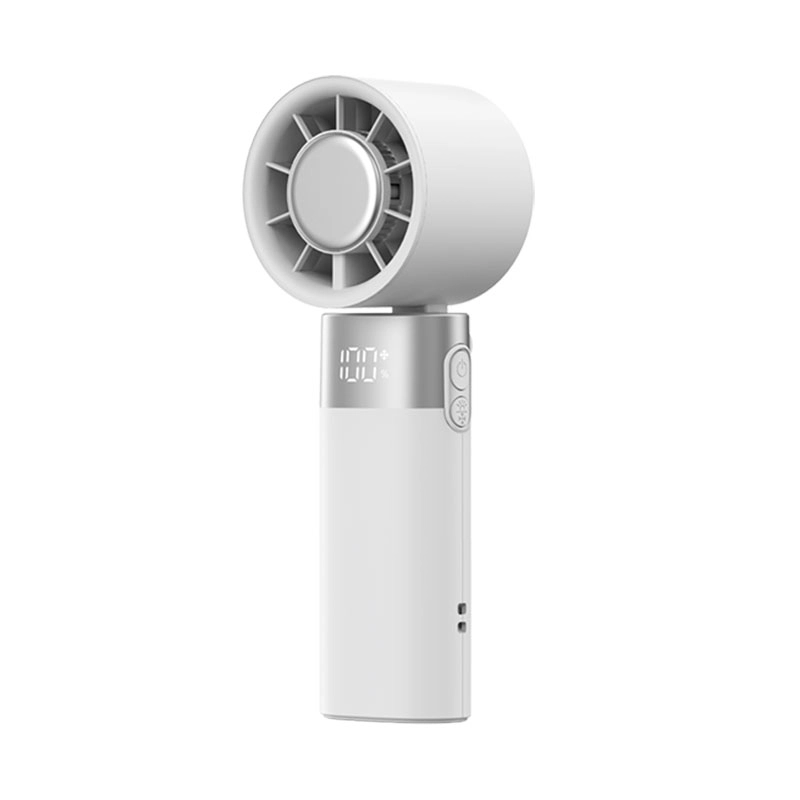
Reliable Handheld Cooling Solution for Bulk & Corporate Purchases
This premium handheld fan is designed for high-frequency, large-volume usage, making it an ideal cooling solution for corporate procurement, promotional distribution, employee welfare programs, and retail wholesale.
With stable airflow performance, a rechargeable design, and lightweight portability, it helps businesses deliver practical comfort products with strong perceived value while maintaining cost efficiency and supply reliability.
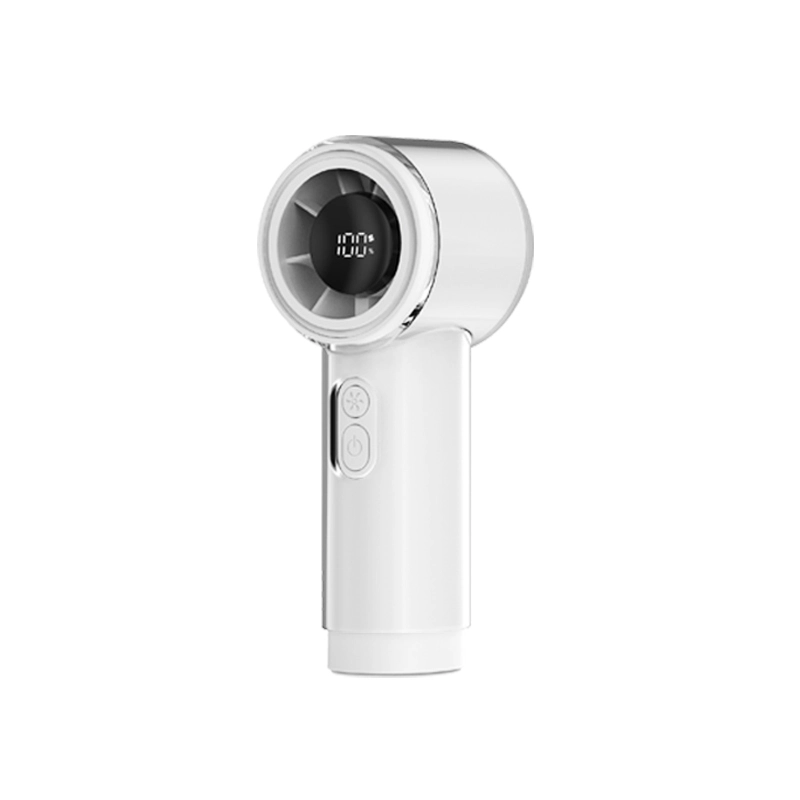
Customizable High-Speed Portable Handheld Fan FS2663
This is a high-speed, long-lasting, personalized, custom, portable cooling product specially designed for gift purchasers, cross-border e-commerce sellers, and OEM/ODM cooperation enterprises. It features (1) strong wind speed, (2) lightweight portability, (3) transparent shell design, (4) convenient carrying with a hand rope, and (5) long battery life. It helps enterprises enhance brand exposure, product differentiation competitiveness, and customer repeat purchase rate.
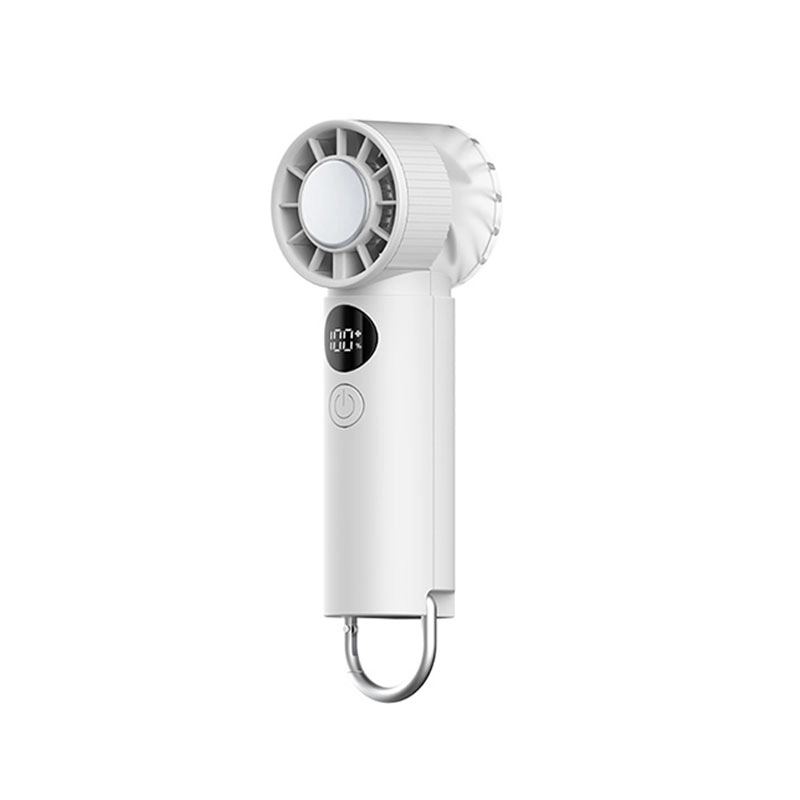
Customizable lightweight mini handheld cooling fan (with climbing hook) FS2666
A portable cooling and personalized customization product specially designed for commuters, students, the gift customization industry, and OEM/ODM buyers. It features (1) lightweight and easy portability, (2) a climbing buckle, and (3) semiconductor cooling.
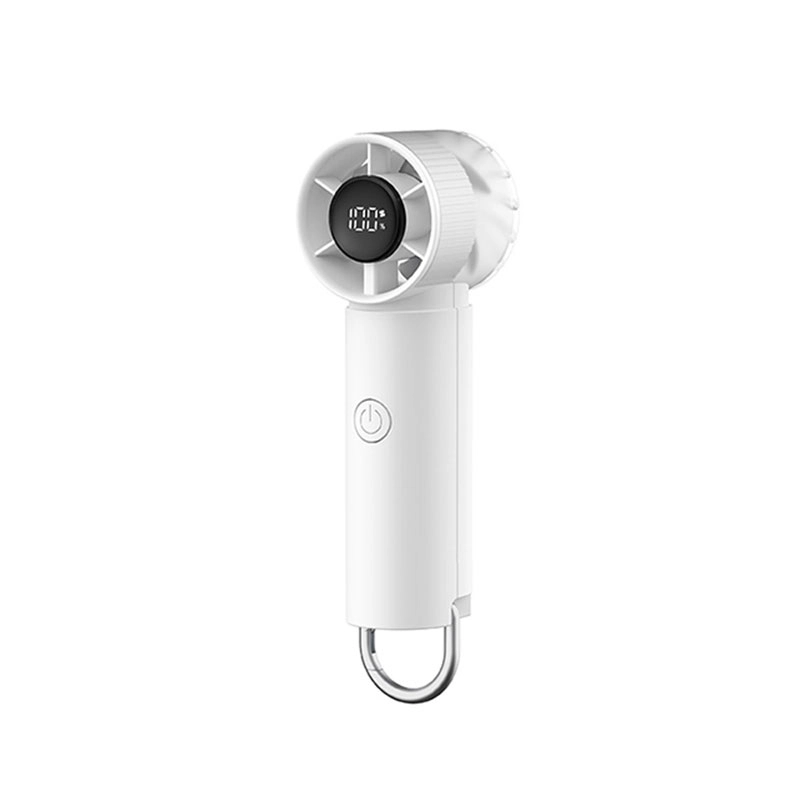
Customizable lightweight mini handheld cooling fan (with climbing hook) FS2667
This is a lightweight and portable + personalized customization product specially designed for commuters, students, the gift customization industry, and OEM/ODM buyers. It features (1) lightweight and easy portability, (2) a climbing buckle, and (3) a semi-transparent air duct design.
Start Your Custom Handheld Fans Manufacturing Project Today
If you have any comments or good suggestions, please leave us a message; later our professional staff will contact you as soon as possible.
Contact


4th Floor, Building 3, Jurong Industrial Park, No. 27-1-1, Fu'an Industrial Zone,Leliu Town (Pancun), Shunde District, Foshan City, Guangdong Province
 Scan QR Code
YouTube
Twitter
Facebook