





How to request samples from rechargeable fan manufacturers? | Insights by RYW
- 1) Can I legally ship lithium-ion battery samples of handheld rechargeable fans by air, and what documentation will manufacturers provide?
- 2) How do I structure a sample request to ensure the manufacturer sends a production-representative sample (not a cosmetic 'showroom' sample)?
- 3) What sample costs and refund practices should I expect from Chinese rechargeable fan manufacturers, and how can I negotiate sample fees to be offset against MOQ?
- 4) How long will a fully customized sample (logo, packaging, firmware) take versus an off-the-shelf sample, and where are the typical time sinks?
- 5) What exact test reports and certifications should I insist on receiving with the sample to sell handheld rechargeable fans on Amazon, Walmart, EU and US markets?
- 6) How can I validate the factory's quality control of the handheld fan before approving the sample, and what specific AQL or inspection checkpoints should I require?
- Concluding paragraph: Advantages of requesting production-representative samples before bulk purchase
1) Can I legally ship lithium-ion battery samples of handheld rechargeable fans by air, and what documentation will manufacturers provide?
Yes—but shipment of lithium-ion cells or products containing them is tightly regulated and a frequent pain point for buyers. For samples you must ensure the manufacturer provides the correct dangerous-goods documentation and test reports before any air courier will accept the package.
Key points and action steps:
- Required test reports: UN38.3 (mandatory for lithium cells/pack shipments by air). Ask the factory for a legible UN38.3 test report showing the cell/pack model and test lab accreditation. Without UN38.3, most couriers (DHL/UPS/FedEx) will refuse air carriage.
- Additional paperwork: MSDS/SDS, Declaration of Conformity for batteries, and a written Dangerous Goods Declaration for air transport when applicable. For lithium-ion installed in equipment, the shipper usually provides a “Lithium battery packed with/contained in equipment” declaration per IATA packing instructions.
- Shipping options: For 1–5 samples, courier air with UN38.3 + MSDS is common (higher per-shipment cost). For larger or complex battery samples, sea freight is safer and cheaper but slower.
- Practical tip: Request the exact battery model, rated Wh (watt-hours) and whether cells are inside the unit. Batteries over 100 Wh usually require special airline approval; handheld fan batteries are typically <20 Wh, so they usually qualify for standard small-lithium rules.
- Ask vendors to pre-clear the courier: have the manufacturer email the courier’s DG desk to confirm acceptance before shipping.
Why this matters: incorrect or missing UN38.3 documentation is the top reason samples are delayed, returned, or subject to fines. Always confirm paperwork before paying shipping.
2) How do I structure a sample request to ensure the manufacturer sends a production-representative sample (not a cosmetic 'showroom' sample)?
Beginners often get showroom samples that don’t reflect production materials, firmware, or internal assemblies. Use a sample request checklist that forces the supplier to match production conditions.
Sample request template (must include these items):
- Exact SKU or drawing number and Bill of Materials (BOM) reference.
- Battery spec: cell chemistry, capacity (mAh), nominal voltage, and supplier part number.
- Motor spec: RPM, power, and manufacturer code. If motor balancing matters, specify acceptable vibration levels.
- Firmware/firmware version: if fan has speed modes, LED indicators, or Bluetooth control, request the firmware build/version to be loaded.
- Housing material & color code: exact plastic type (ABS/PC/TPU), color Pantone/RAL reference, surface finish.
- Labeling and safety marks: show the required logos (CE/FCC/WEEE) and exact label placement.
- Packaging & accessories: retail box artwork, instruction manual language set, USB cable type/length.
- Testing & functional checks: request a list of functional tests to be performed and ask for test photos/videos with serial numbers.
- Definition of “production-representative sample”: request a “PP sample” (pre-production or production sample) assembled on the production line with production tooling and final BOM.
Ask for a factory-signed “sample declaration” that the sample was built using production tooling, components, and firmware version X.Y. Insist on photos of the assembly station, mold numbers, and component labels. This prevents suppliers from sending a hand-assembled mock-up.
3) What sample costs and refund practices should I expect from Chinese rechargeable fan manufacturers, and how can I negotiate sample fees to be offset against MOQ?
Sample cost components: unit cost (higher than mass-production unit price), tooling/proofing fees (if custom logo/mold), testing paperwork, and courier shipping. Typical ranges:
- Off-the-shelf sample (no branding): $10–$80 per unit depending on fan complexity (mini desk fan vs misting/bladeless).
- Customized sample with logo, packaging, firmware tweaks: $50–$300+ depending on tooling and testing.
- Certification/test copies (UN38.3, CE/EMC) may be charged separately ($50–$200 per report copy supply fee by some suppliers).
Negotiation best practices:
- Request a refund/credit: ask the manufacturer to deduct sample costs from the first bulk invoice once MOQ and payment are fulfilled. Many reputable suppliers will offset sample fees against the first order (commonly required in writing).
- Payment methods: expect T/T (bank transfer) or PayPal for sample orders. For larger sample/test fees, use a payment method with buyer protection if you’re unfamiliar with the supplier.
- Bundle shipping & sample fees: ask for CIF or DAP quotes for larger samples where sea freight makes sense. For small courier samples, negotiate that the supplier absorbs part of courier costs for future orders.
- Proof before pay: ask for detailed photos, a short video of the sample running, and scanned test reports prior to transferring sample fees where possible.
Expect the supplier to be flexible when they see a credible MOQs and a purchasing plan. Many suppliers prefer to convert sample buyers to full orders and will offer concessions.
4) How long will a fully customized sample (logo, packaging, firmware) take versus an off-the-shelf sample, and where are the typical time sinks?
Realistic timelines avoid surprises. Typical lead times:
- Off-the-shelf sample (standard SKU, in-stock): 2–7 business days for assembly and courier pickup.
- Standard sample (minor logo print, standard packaging change): 7–14 calendar days.
- Fully customized sample (new mold/tooling, custom firmware, custom battery config): 15–45 calendar days.
Common time sinks:
- Tooling/molds: injection mold modifications or new molds can take 2–6 weeks depending on complexity.
- Battery approvals and testing: obtaining UN38.3 or battery test retests can take 7–14 days for the lab run, plus scheduling lead time.
- Firmware development and verification: 1–3 weeks depending on feature set and testing cycles.
- Sample queue and factory schedule: factories often batch work; low-priority sample orders can be delayed unless you contractually secure slot or pay rush fees.
Actionable timeline control:
- Lock specifications up-front and attach them to the PO/Proforma Invoice.
- Ask for a written sample delivery schedule with milestones (prototype, functional test, finished sample) and a penalty or compensation clause for delays if the order is large.
5) What exact test reports and certifications should I insist on receiving with the sample to sell handheld rechargeable fans on Amazon, Walmart, EU and US markets?
Different marketplaces require different documentation; insist on primary safety and EMC certifications plus battery testing.
Minimum recommended documents for cross-market access:
- UN38.3: lithium cell/pack transportation safety (mandatory for shipping & many marketplaces).
- CE Declaration of Conformity: for EU market; includes EMC and LVD where applicable. Ask for the EMC test report (EN 55014 series often applies to small appliances) and a copy of the Declaration.
- RoHS compliance report: restricts lead/mercury/hexavalent chromium and other substances for EU.
- FCC/IC: required for models with wireless/Bluetooth. Request an FCC test report and FCC ID where relevant.
- Battery safety/cycle life test: charge/discharge cycles, capacity retention %, and overcharge/short-circuit protections.
- IP rating test report (IEC 60529) if the fan claims water resistance or IPX ratings (common for misting fans).
- Manufacturer’s product safety data: PIM (Product Information Management) sheet, user manual, and label samples showing safety marks.
Marketplace notes: Amazon and Walmart require valid safety documentation when requested and may block ASINs if the paperwork is missing. For Amazon, have copies of the test reports and a supplier traceability chain ready within 24–48 hours of a request.
6) How can I validate the factory's quality control of the handheld fan before approving the sample, and what specific AQL or inspection checkpoints should I require?
Don’t rely on a visual sample alone—validate QC processes, inspection standards and set measurable checkpoints.
Factory validation steps:
- Ask for a factory audit report (SMETA or proprietary audit), or arrange a third-party audit via SGS/Bureau Veritas/Intertek.
- Request details on their QC process: IPQC steps, FQC, and final test bench procedures. Request a photo/video of the test bench showing serial numbers/logging.
- Insist on final random inspection using AQL sampling: request AQL 2.5 for major defects and AQL 4.0 for minor defects (typical standards for consumer electronics). Define what constitutes major vs minor defects in writing.
Specific inspection checkpoints for handheld rechargeable fans:
- Visual inspection: housing cracks, paint/finish defects, logo alignment, and mold flash.
- Assembly checks: secure screws, glued joints, and internal wiring harness routing.
- Battery safety: check for correct battery model, correct polarity, insulation, and presence of protection PCBA (CB protection board).
- Functional test: power-on, all speed settings, LED/buzzer operation, charging circuit, and USB port continuity.
- Performance metrics: runtime (minutes per speed), measured CFM or l/s where practical, and motor noise in dB (specify acceptable range, e.g., <= 55 dB at high speed under 1 m distance).
- Thermal & overload: 30–60 minute run test to detect overheating, with temperature probes on housing and battery area.
- Drop and mechanical durability: 1–3 drop test cycles from 1 meter depending on market claims.
- Packaging validation: box integrity, accessory inclusion, manual languages and label accuracy.
Ask for a sample inspection report with photos, serial numbers and a signed QC checklist. For high-volume or first orders, commission a third-party pre-shipment inspection (PSI) before container loading.
Concluding paragraph: Advantages of requesting production-representative samples before bulk purchase
Requesting production-representative samples and the correct certification paperwork protects you from the most costly mistakes: wrong BOMs, insufficient battery safety testing, non-compliant labeling, and unexpected factory shortcuts. Samples let you verify run-time, noise, motor balance, firmware behavior, packaging, and whether the battery and charging circuit meet UN38.3 and market-specific standards. A well-structured sample process reduces risk, shortens time-to-market, helps secure accurate unit pricing, and gives leverage to negotiate MOQ and refund of sample fees against the first order.
For assistance with a professional sample request package, factory verification, or to receive a production-representative sample from RYW Life, contact us for a quote at www.rywlife.com or adrian@rywlife.com.
Contacts
WhatsApp/Phone
You May Also Like
Reliable Handheld Cooling Solution for Bulk & Corporate Purchases
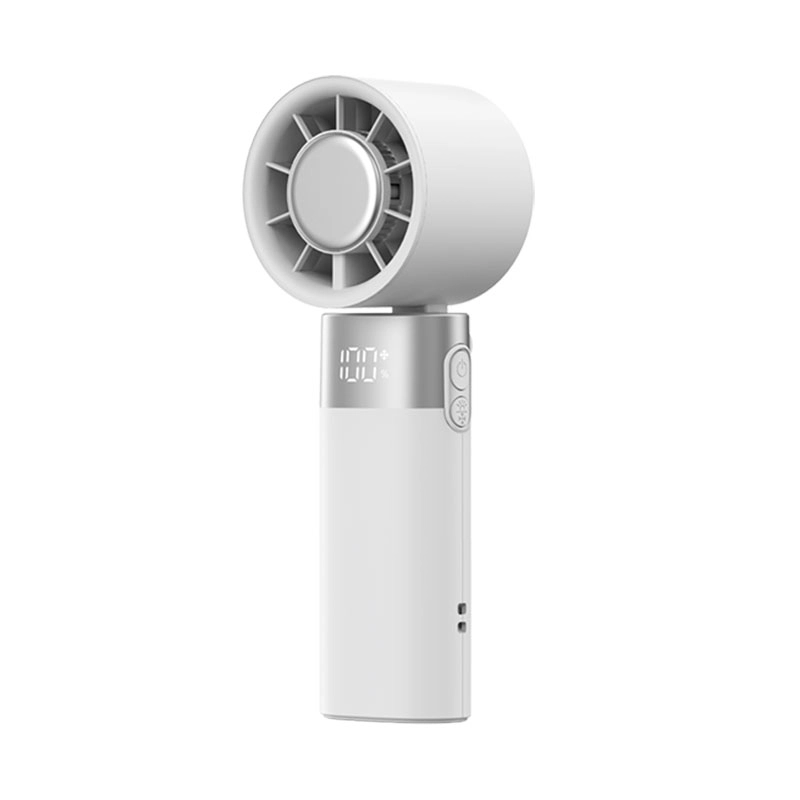
This premium handheld fan is designed for high-frequency, large-volume usage, making it an ideal cooling solution for corporate procurement, promotional distribution, employee welfare programs, and retail wholesale.
With stable airflow performance, a rechargeable design, and lightweight portability, it helps businesses deliver practical comfort products with strong perceived value while maintaining cost efficiency and supply reliability.
Customizable High-Speed Portable Handheld Fan FS2663
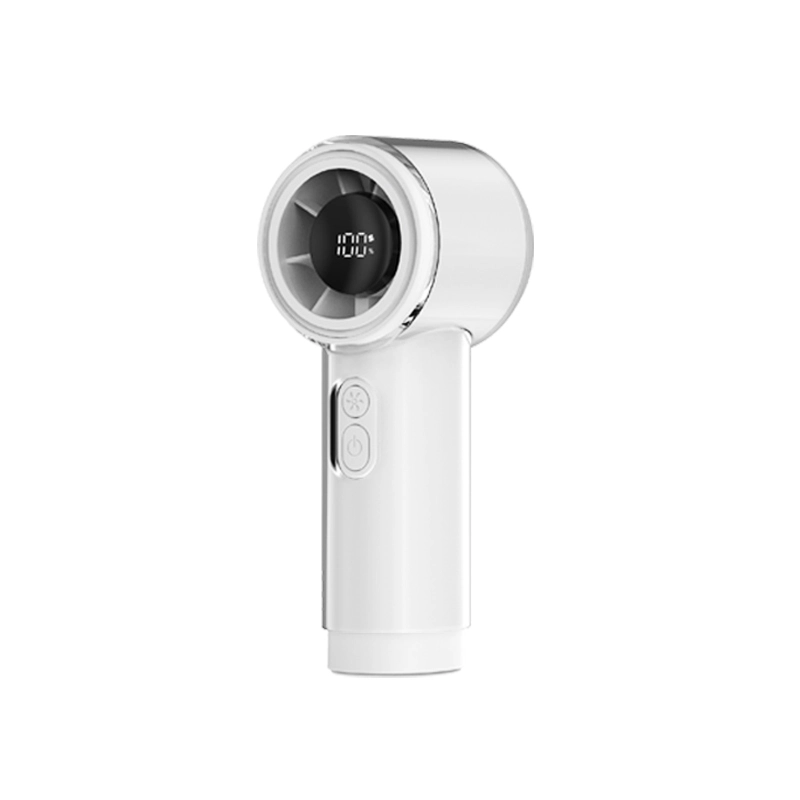
This is a high-speed, long-lasting, personalized, custom, portable cooling product specially designed for gift purchasers, cross-border e-commerce sellers, and OEM/ODM cooperation enterprises. It features (1) strong wind speed, (2) lightweight portability, (3) transparent shell design, (4) convenient carrying with a hand rope, and (5) long battery life. It helps enterprises enhance brand exposure, product differentiation competitiveness, and customer repeat purchase rate.
Customizable lightweight mini handheld cooling fan (with climbing hook) FS2666
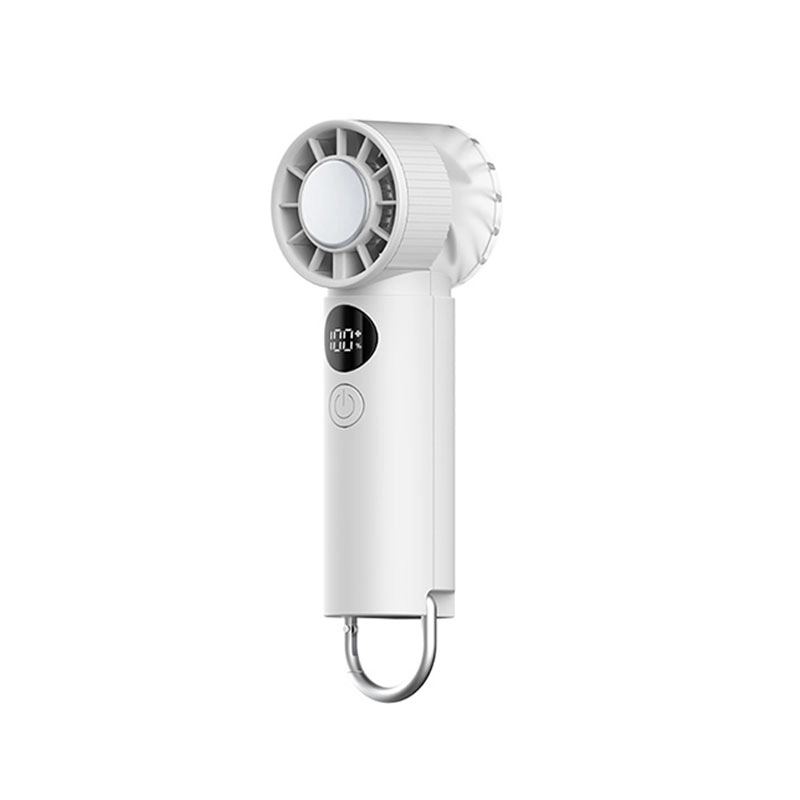
A portable cooling and personalized customization product specially designed for commuters, students, the gift customization industry, and OEM/ODM buyers. It features (1) lightweight and easy portability, (2) a climbing buckle, and (3) semiconductor cooling.
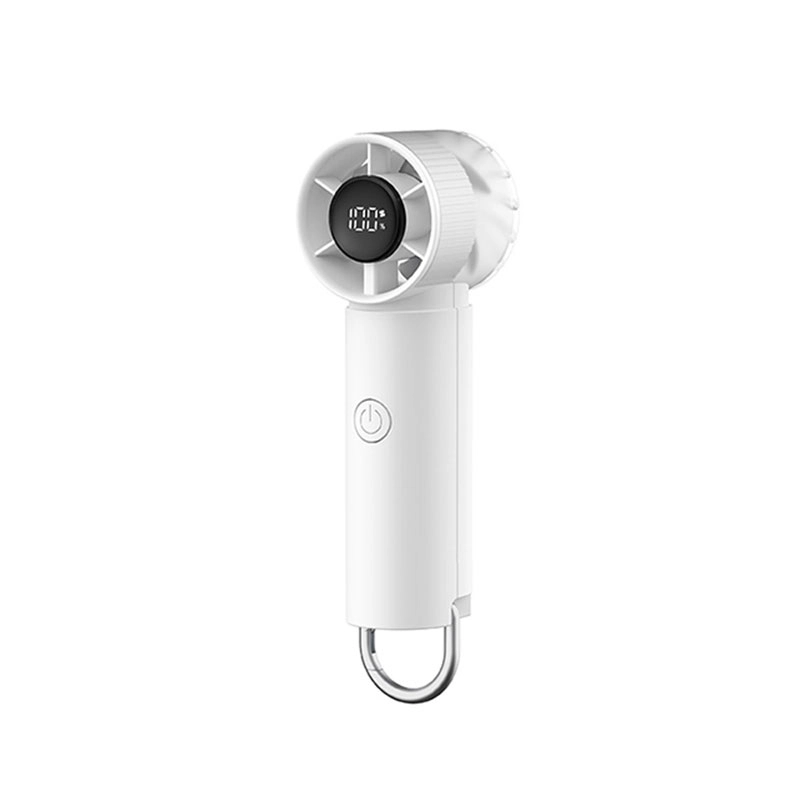
Customizable lightweight mini handheld cooling fan (with climbing hook) FS2667
This is a lightweight and portable + personalized customization product specially designed for commuters, students, the gift customization industry, and OEM/ODM buyers. It features (1) lightweight and easy portability, (2) a climbing buckle, and (3) a semi-transparent air duct design.
Start Your Custom Handheld Fans Manufacturing Project Today
If you have any comments or good suggestions, please leave us a message; later our professional staff will contact you as soon as possible.
Contact


4th Floor, Building 3, Jurong Industrial Park, No. 27-1-1, Fu'an Industrial Zone,Leliu Town (Pancun), Shunde District, Foshan City, Guangdong Province
 Scan QR Code
YouTube
Twitter
Facebook