






How to request a factory visit to a rechargeable fan manufacturer? | Insights by RYW
- 1. What exact documents, lead times, and phrasing should I include when I first request a factory visit to inspect rechargeable fan production lines?
- 2. How do I verify battery safety certifications (UN38.3, IEC62133) before or during the factory tour to avoid shipping or safety rework?
- 3. Which specific quality control checkpoints should I inspect on-site for rechargeable fan assembly to predict shipment defect rates?
- 4. How do I arrange a factory visit to an overseas rechargeable fan manufacturer while navigating visas, customs for samples, and local health rules?
- 5. What exact questions should I ask the production manager during the visit to accurately estimate real production capacity and realistic lead times for OEM handheld fan orders?
- 6. How can I assess the manufacturer’s ability to manage customization (branding, color-matching, firmware updates, packaging) during a factory visit?
- Concluding summary: Advantages of visiting a rechargeable fan manufacturer in person
How to Request a Factory Visit to a Rechargeable Fan Manufacturer: Practical Checklist for Buyers
When sourcing rechargeable handheld fans (OEM/ODM), a factory visit is one of the highest-value due-diligence steps you can take. This article gives six highly specific, pain-point-focused questions beginners rarely get clear answers to, plus practical, standards-based steps you can use on-site and when requesting the visit. Semantic topics covered include factory visit request, factory audit, rechargeable fan manufacturer, battery certification, QC inspection, production capacity, OEM handheld fans, and sample testing.
1. What exact documents, lead times, and phrasing should I include when I first request a factory visit to inspect rechargeable fan production lines?
Why this matters: Many buyers send vague visit requests and get delayed visits or limited access. A precise request speeds approval and prevents wasted travel.
Required documents and information to attach to your visit request email:
- Buyer company info: business license or registration (scanned), company website, and a short paragraph describing your business model (retail/wholesale/OEM).
- Purpose of visit: product lines to inspect (e.g., rechargeable handheld fans, battery assembly, battery lab), objectives (audit, sample sign-off, capacity check).
- Requested dates & flexibility: propose 2–3 date ranges and specify your time on-site (half-day/full-day/multiple days).
- Delegation list: names, titles, passport numbers for foreign visitors (often required for factory security or invitation letters).
- Legal paperwork: offer to sign an NDA and state whether you need a factory-signed visa invitation letter for travel/immigration. Include a downloadable NDA draft to speed processing.
- Logistics: arrival airport, need for factory-arranged pickup, language support (ask if they can provide an English-speaking guide or if you will need an interpreter).
Suggested subject line and one-paragraph email body to send:
Subject: Request for Factory Visit — Rechargeable Handheld Fan Production Lines (Proposed dates: yyyy-mm-dd)Dear ,We are . We are sourcing rechargeable handheld fans (model examples attached). We would like to visit your factory to review production lines, battery assembly, and QC labs. Proposed dates: . Attached: company registration, NDA draft, visitor list. Please confirm availability, any visitor requirements, and whether you can provide an English-speaking guide. We can cover facility rules and sign visitor forms on arrival.Regards,
Lead time and scheduling expectations: ask for confirmation at least 2–3 weeks before your earliest date. For busy seasons (Q2–Q3 for summer fans), book 4–6 weeks ahead. Factor local public holidays and factory shutdowns into your planning.
2. How do I verify battery safety certifications (UN38.3, IEC62133) before or during the factory tour to avoid shipping or safety rework?
Why this matters: Lithium battery compliance drives shipment clearance, safety, and insurance. Incomplete or fake documentation is a common risk for consumer electronics including rechargeable fans.
Steps to verify battery certification:
- Ask for original test reports and certificates for the cells and the complete battery pack: UN38.3 (transport/air shipping tests) and IEC 62133 (electrical safety for portable batteries). IEC 62133-2 (for Li-ion) is commonly applicable for rechargeable fan packs.
- Validate issuing laboratory: genuine reports come from accredited test labs such as SGS, Bureau Veritas, Intertek, TÜV, or other ILAC-accredited labs. Confirm the lab name, report number, and date.
- Check scope: ensure the report scope covers the exact cell chemistry, cell model, and pack configuration used in your fan (cell model numbers and manufacturer should match BOM).
- On-site verification: ask to see physical cell labels, batch/lot numbers, and supplier invoices for the cells. Traceability from cell manufacturer to pack assembler is critical.
- Independent retest: for critical orders or first-time suppliers, plan a third-party lab retest of sample cells and finished packs (UN38.3 retesting can expose hidden failures). Include retest clauses in contracts.
- Shipping documents: confirm the factory provides correct Dangerous Goods Declarations and packaging compliant with IATA/IMDG if air or sea transport uses battery-containing packages.
Sample on-site checklist items:
- Inspect test reports and stamp/signature authenticity (report number and lab contact).
- Request cell cut-samples or traceable batch labels linked to supplier invoices.
- Review the battery assembly process for hot-air welding, spot welding, or module assembly, and ESD controls.
Standards and bodies to reference: UN Manual of Tests and Criteria (UN38.3), IEC 62133, and recognized labs (SGS, Intertek, TÜV). These standards are widely used across portable consumer electronics supply chains.
3. Which specific quality control checkpoints should I inspect on-site for rechargeable fan assembly to predict shipment defect rates?
Why this matters: Many buyers rely on vague QC assurances. Inspecting the right checkpoints helps predict final defect rates and identify systematic issues.
Critical QC areas to inspect and test methods:
- Incoming inspection (IQC): verify component traceability, conforming dimensions for blades, housings, motors, PCBs, and battery cells. Confirm supplier certificates (RoHS/REACH for materials).
- SMT and PCB assembly: look for IPC-A-610 acceptance practices, solder quality, component placement accuracy, and reflow profile controls.
- Motor assembly and balancing: uneven rotor balance causes wobble/noise. Request to see dynamic balancing machines and check measured tolerances vs. specification.
- Airflow and performance testing: measure RPM, airflow (CFM/LPM), noise (dBA), and power consumption. Ensure the factory has calibrated equipment or offers traceable verification records.
- Battery and charging tests: capacity, charge/discharge cycles, overcharge tests, BMS protection checks and temperature profiling during charging/discharging.
- Environmental & reliability tests: functional aging (burn-in at rated temperature for 8–72 hours), drop tests, vibration, and salt-spray if metal components are used. Ask for test durations and failure rates.
- Cosmetic inspection and AQL: determine the acceptance quality level (AQL) used for final inspection—commonly AQL 1.0–2.5 for cosmetics depending on buyer tolerance. Ask for historical fail rates and examples of accepted vs rejected defects.
Predicting shipment defect rates: Request the supplier's historical QC metrics (yield %, first pass yield, shipment defect rate) for the same or similar models. If they cannot provide numbers, perform a small pre-production run and extend a third-party inspection (AQL sample) to establish a baseline.
4. How do I arrange a factory visit to an overseas rechargeable fan manufacturer while navigating visas, customs for samples, and local health rules?
Why this matters: Logistical snags (no visa invitation, sample held at customs, local COVID/health rules) can force cancellations or prevent access to labs.
Practical steps and timeline:
- Visa invitation letter: request it as soon as visit dates are fixed. Many factories will issue a letter for business visas; include full passport details and visitor names.
- Customs for samples: if you intend to bring/collect samples abroad, declare them correctly. Ask the factory for a commercial invoice and packing list specifying sample—no commercial value if applicable. For export of battery-containing samples, ensure the factory classifies them correctly as dangerous goods when shipping by air.
- Health and security: clarify any factory COVID-19 or health screening policies (temperature checks, negative tests, vaccination requirements) and visitor PPE rules (safety shoes, hairnets for clean assembly lines).
- Travel logistics: ask the supplier to arrange airport pickup and local accommodation if needed. Confirm factory working hours and whether visits are permitted on weekends or only weekdays.
- Interpreter: request an English-speaking production manager or a professional interpreter for technical discussions; technical translation is crucial for firmware, BOM, and QC conversations.
Timing recommendation: start logistics 4–6 weeks before the planned visit for visa processing and 2–4 weeks if visas are not required. For urgent visits, confirm whether the factory will accept an online remote audit first (video tour, livestreamed production line), but plan an in-person follow-up for final sign-off.
5. What exact questions should I ask the production manager during the visit to accurately estimate real production capacity and realistic lead times for OEM handheld fan orders?
Why this matters: Suppliers often quote optimistic lead times. Specific questions reveal real constraints and help you plan buffer time and contingency.
Direct questions and what to look for in answers:
- How many dedicated assembly lines run this model and what are their average daily outputs? — Listen for actual units/day and whether lines are shared between multiple SKUs (shared lines = frequent changeovers & lower effective capacity).
- What is your OEE (Overall Equipment Effectiveness) for these lines and how much planned downtime do you schedule monthly? — OEE gives a realistic view of available productive time (ideal is >60% for electronics but varies).
- What is the average changeover time between SKUs and how frequently do you change color/custom tooling? — Long changeover times suggest higher risk when orders are small or varied.
- What is the lead time for tooling/molds and the MOQ associated with customized components? — Understand mold creation time (often 2–6 weeks) and MOQ thresholds for custom blades or housings.
- What is your current order book for the next 2–3 months and where would my order fit in? — Ask to see a non-sensitive summary (no customer names if they refuse). If they are vague, that’s a red flag.
- How do you handle supply chain disruptions for critical components like motors and cells? — Look for multiple cell suppliers, safety stocks, and long-term agreements.
- What is your rejection rate and rework percentage over the last 3 months? — Request numeric values; this helps you model expected yield losses.
Use answers to build a realistic lead-time model: quoted lead time + contingency based on OEE, supplier lead times for critical parts, and seasonal demand spikes. For first production runs, add a 15–30% buffer for unforeseen delays.
6. How can I assess the manufacturer’s ability to manage customization (branding, color-matching, firmware updates, packaging) during a factory visit?
Why this matters: Many defects and delays result from poor customization capabilities (wrong Pantone, poor firmware flashing, incorrect packaging). You must verify capacity and processes on-site.
Key verification steps:
- Color & material matching: ask to see a color-matching room or lab and request Pantone matching records. Inspect sample runs of colored housings for consistency and UV/color fastness test procedures.
- Tooling & mold capability: review mold workshop or tooling supplier relationships. Ask mold lead times, maximum cavities per mold, and maintenance schedule. For customized blades or housings, verify whether they use in-house tooling or contracted mold makers.
- Firmware & electronics customization: check whether the factory has an FAE or firmware team capable of OTA updates, NFC pairing, or Bluetooth interoperability. Ask to see a workflow for firmware changes, version control, and programming stations.
Contract clauses to include negotiating customization:
- Tooling ownership and maintenance responsibilities.
- Color tolerance levels and approval sign-off process.
- Firmware change control: rollback plan, validation test matrix, and responsibilities for bug fixes.
- PP sample approval gates with timeline and remedies for failures.
Concluding summary: Advantages of visiting a rechargeable fan manufacturer in person
An on-site factory visit dramatically reduces risk and shortens time-to-market. You can verify battery safety certifications (UN38.3, IEC62133), inspect QC checkpoints (IPC-A-610, AQL sampling), assess production capacity realistically, and confirm customization capabilities (tooling, color-matching, firmware). Visits build supplier relationships, speed problem resolution, and protect brand reputation by ensuring documented test reports and traceability. Fact-based verification — viewing test reports from accredited labs (e.g., SGS, Intertek, TÜV) and checking IoQ/IQC records — is far more reliable than email assurances.
Next steps: prepare the documents above, use the sample email & checklist during your request, and plan a pre-visit remote audit if time is short. For quotations, PP sample arrangements, or to schedule an audit with our sourcing team, contact us at www.rywlife.com or email adrian@rywlife.com. Contact us for a quote.
Contacts
WhatsApp/Phone
You May Also Like
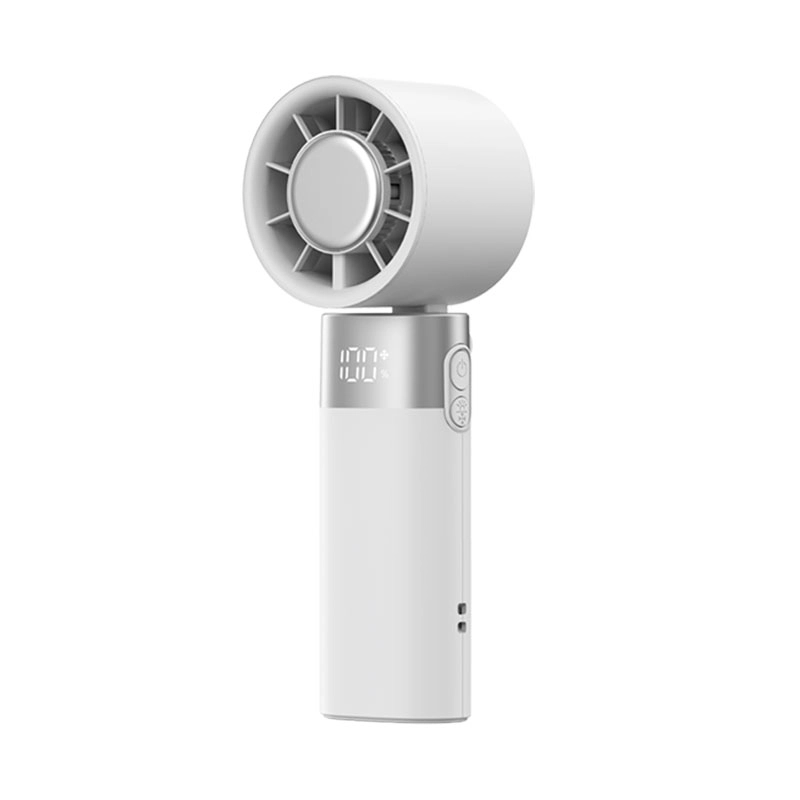
Reliable Handheld Cooling Solution for Bulk & Corporate Purchases
This premium handheld fan is designed for high-frequency, large-volume usage, making it an ideal cooling solution for corporate procurement, promotional distribution, employee welfare programs, and retail wholesale.
With stable airflow performance, a rechargeable design, and lightweight portability, it helps businesses deliver practical comfort products with strong perceived value while maintaining cost efficiency and supply reliability.
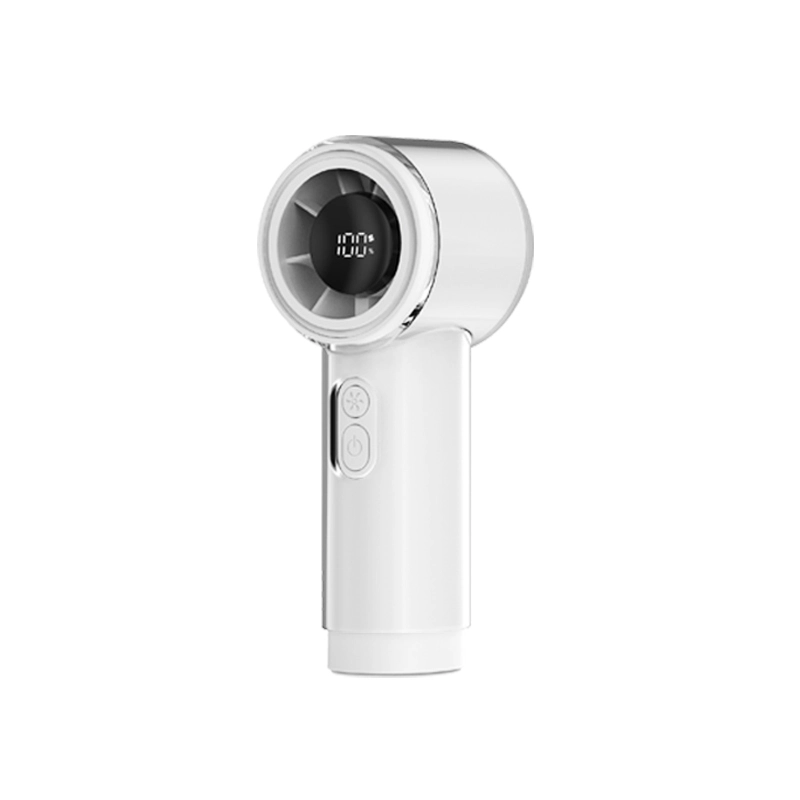
Customizable High-Speed Portable Handheld Fan FS2663
This is a high-speed, long-lasting, personalized, custom, portable cooling product specially designed for gift purchasers, cross-border e-commerce sellers, and OEM/ODM cooperation enterprises. It features (1) strong wind speed, (2) lightweight portability, (3) transparent shell design, (4) convenient carrying with a hand rope, and (5) long battery life. It helps enterprises enhance brand exposure, product differentiation competitiveness, and customer repeat purchase rate.
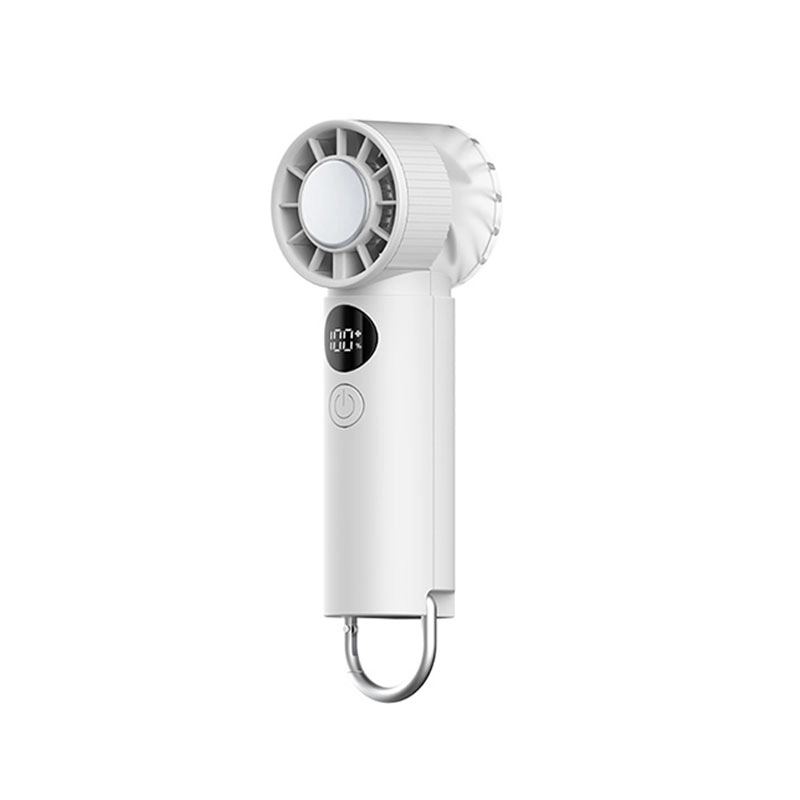
Customizable lightweight mini handheld cooling fan (with climbing hook) FS2666
A portable cooling and personalized customization product specially designed for commuters, students, the gift customization industry, and OEM/ODM buyers. It features (1) lightweight and easy portability, (2) a climbing buckle, and (3) semiconductor cooling.
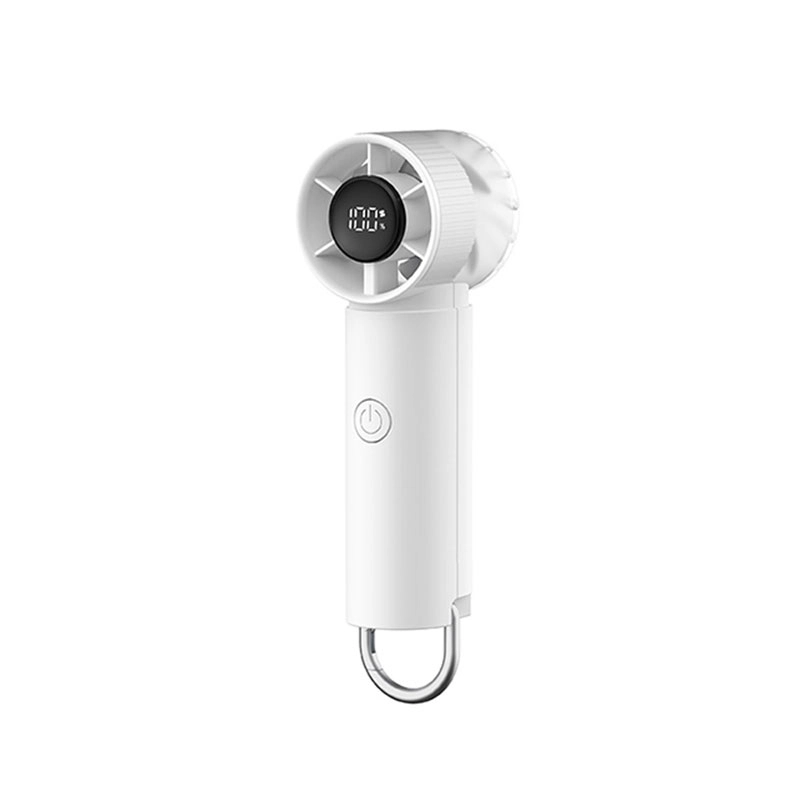
Customizable lightweight mini handheld cooling fan (with climbing hook) FS2667
This is a lightweight and portable + personalized customization product specially designed for commuters, students, the gift customization industry, and OEM/ODM buyers. It features (1) lightweight and easy portability, (2) a climbing buckle, and (3) a semi-transparent air duct design.
Start Your Custom Handheld Fans Manufacturing Project Today
If you have any comments or good suggestions, please leave us a message; later our professional staff will contact you as soon as possible.
Contact


4th Floor, Building 3, Jurong Industrial Park, No. 27-1-1, Fu'an Industrial Zone,Leliu Town (Pancun), Shunde District, Foshan City, Guangdong Province
 Scan QR Code
YouTube
Twitter
Facebook