






How long do rechargeable fan batteries typically last? | Insights by RYW
- 1) For my 2500 mAh handheld fan, how many hours will it run on high, medium, and low speed in real use (not the manufacturer’s optimistic numbers)?
- 2) How quickly will a rechargeable fan battery degrade if used daily in hot climates (e.g., outdoor vendors in 35–45°C)?
- 3) Can I replace the battery in my handheld fan? What specifications and safety features should I check before buying a replacement cell?
- 4) Does using the fan’s power-bank feature or fast-charging reduce the battery’s lifespan significantly?
- 5) How accurate are manufacturer-rated run times and how can I test a fan’s actual battery life before buying in bulk?
- 6) What charging and storage practices maximize rechargeable fan battery life for seasonal or backup use (e.g., stored for months between summers)?
- Concluding summary: advantages of rechargeable handheld fans and final buying tips
How long do rechargeable fan batteries typically last? Detailed Buyer Guide for Handheld Fans
As a handheld-fan industry expert with experience in battery systems, this guide answers six specific, often-misunderstood buyer questions about rechargeable fan batteries. The explanations include real-world numbers (mAh, run time, and cycle life), testing methods, and actionable maintenance tips to maximize battery lifespan and run time. For a custom quote, contact us at adrian@rywlife.com or visit www.rywlife.com.
1) For my 2500 mAh handheld fan, how many hours will it run on high, medium, and low speed in real use (not the manufacturer’s optimistic numbers)?
Short answer: Use the runtime formula and factor in efficiency losses. Runtime (hours) ≈ battery capacity (mAh) ÷ average current draw (mA) × 0.85 (system inefficiencies). Manufacturers often report optimistic times under very light loads; real-world times are lower because of motor startup currents, voltage regulation, and heat.
Typical current draws by speed (approximate ranges observed in industry testing):
- Low: 200–400 mA
- Medium: 500–800 mA
- High: 900–1800 mA
Example calculations for a 2500 mAh Li-ion battery:
- Low: 2500 ÷ 300 ≈ 8.3 hours × 0.85 ≈ 7 hours
- Medium: 2500 ÷ 650 ≈ 3.8 hours × 0.85 ≈ 3.2 hours
- High: 2500 ÷ 1200 ≈ 2.1 hours × 0.85 ≈ 1.8 hours
Notes: If the fan supports PWM speed control, medium/high averages may be lower than peak motor current; if the fan has LED lights or Bluetooth, subtract their draw. To verify your model, measure current draw with a USB power meter: it’s the most reliable way to reconcile advertised runtime with real performance.
2) How quickly will a rechargeable fan battery degrade if used daily in hot climates (e.g., outdoor vendors in 35–45°C)?
Battery degradation accelerates with temperature and cycle depth. For typical Li-ion cells in handheld fans, industry data shows cells reach about 80% of original capacity after 300–500 full charge cycles at moderate temperatures (20–25°C). In sustained high ambient temperatures (35–45°C), degradation can be 1.5–3× faster depending on thermal management.
Practical expectations for daily-use in hot climates:
- If you fully cycle the battery every day at high temperature, expect to reach ~80% capacity in ~150–300 cycles (roughly 5–12 months).
- If you shallow-cycle (partial charges, keeping depth of discharge under ~80%) and avoid leaving the fan in direct sun, you can extend useful life to 300–600 cycles (1–2 years) before noticeable capacity loss.
Why heat matters: higher temperature increases internal chemical reaction rates and electrolyte breakdown, which reduces cycle life and increases internal resistance. Fans with metal housings and ventilation or integrated heat sinks show less thermal stress than enclosed plastic designs.
3) Can I replace the battery in my handheld fan? What specifications and safety features should I check before buying a replacement cell?
Many handheld fans have replaceable batteries, but not all are designed for easy user replacement. If replacement is possible, follow these guidelines:
- Cell chemistry: replace with the same chemistry (usually Li-ion 18650/14500 or polymer LiPo). Never swap NiMH for Li-ion or vice versa without redesigning BMS and charger.
- Voltage and configuration: match nominal voltage and cell count (e.g., 3.7 V single-cell Li-ion or 7.4 V two-cell packs). Incorrect voltage will damage the motor, electronics, or charger.
- Capacity (mAh): higher mAh gives longer runtime but verify physical fit and discharge capability (C-rate). A physically larger pack may not fit the housing.
- Discharge/current capability (C-rate): ensure the cell can sustain peak motor currents. Look for cells or packs rated for continuous discharge equal to or greater than the fan’s peak draw (A), e.g., 2A–5A continuous for many handheld motors.
- BMS/Protection: replacement packs should include a Battery Management System (overcharge, over-discharge, short-circuit protection). If replacing only cells, you must keep the original BMS or ensure the pack has equivalent protection.
- Connector type and polarity: matches JST/PH or other connectors; verify polarity with a multimeter before connecting.
If the fan is sealed and labeled “non-serviceable,” user replacement can void warranty and pose safety risks. When in doubt, contact the manufacturer or a qualified technician. For commercial and OEM purchases, request datasheets specifying cell type, cycle life, and BMS features.
4) Does using the fan’s power-bank feature or fast-charging reduce the battery’s lifespan significantly?
Yes, using power-bank discharge and high-rate fast charging affects overall battery lifespan, but the magnitude depends on power levels and thermal management.
Key points:
- Bidirectional current: acting as a power bank increases cycles and introduces high-rate discharge events. Frequent high-current discharge accelerates capacity fade, especially if the battery heats up.
- Fast charging: charging at higher current (e.g., >1C for small packs) speeds charging but raises cell temperature and internal stress. For typical handheld fan packs (0.5–3Ah), a charge above 1C (e.g., >2.5A for 2500 mAh) will produce more heat and shorten cycle life unless the pack is specified for fast charging and has active thermal protection.
- Mitigation: use moderate charge rates (0.3–0.5C) for longevity, avoid simultaneous heavy discharge (power-bank output) while charging, and avoid frequent full discharges. Fans with a quality BMS and thermal cutoff handle fast modes better.
In practice: occasional use of power-bank or fast-charge modes is acceptable. Heavy everyday use will reduce usable cycles—plan for 20–40% faster capacity loss if you routinely push high currents and heat the pack.
5) How accurate are manufacturer-rated run times and how can I test a fan’s actual battery life before buying in bulk?
Manufacturer specs often show run times measured at low speeds with brand-new batteries under controlled lab conditions. Expect real-world run times to be 10–40% shorter depending on usage profile (higher speeds, intermittent loads, onboard LEDs).
How to test actual battery life before bulk purchase:
- Request full test reports: ask suppliers for test logs that show run time at low/medium/high and the test method (ambient temp, load, measurement interval).
- Sample testing: buy 3–10 samples and measure with a USB power meter or DC clamp meter. Run each speed continuously until the device shuts down and record time and energy (Wh or mAh delivered).
- Measure capacity and runtime: calculate Wh delivered = average voltage × Ah measured. Compare to rated mAh and convert using the battery nominal voltage.
- Environmental testing: repeat tests at elevated and reduced temperatures to verify performance in your intended climate (e.g., 5°C, 25°C, 40°C).
- Cycle testing: ask the manufacturer for cycle-life test data (capacity vs cycles) or perform accelerated cycle tests to confirm 300–500 cycle claims.
Buyers sourcing for events or retail should demand full disclosure of test methodology and have an independent lab or in-house testing protocol to validate vendor claims. This prevents being surprised by underperforming units after deployment.
6) What charging and storage practices maximize rechargeable fan battery life for seasonal or backup use (e.g., stored for months between summers)?
Best practices to preserve battery health for seasonal use:
- Storage state-of-charge: store Li-ion batteries at ~40–60% charge. Full charge in storage accelerates aging; fully discharged risks over-discharge protection triggering.
- Temperature: store in cool, dry places—ideally 15–25°C. Avoid storage above 35°C. Lower temperatures slow chemistry but avoid freezing.
- Periodic maintenance charging: if storing for >3 months, check and recharge to ~50% every 3–6 months to prevent over-discharge and BMS cutoffs.
- Avoid full cycles frequently: shallow cycles (20–80% DOD) produce less wear than repeated full 0–100% cycles. Use partial charges during intermittent use.
- Use the correct charger: always use the charger and cable rated for the pack. Overvoltage or uncontrolled charging can severely shorten life and create safety hazards.
Following these rules typically preserves 90%+ capacity for the initial months and substantially delays reaching the 80% threshold commonly associated with end-of-life in consumer expectations.
Concluding summary: advantages of rechargeable handheld fans and final buying tips
Rechargeable handheld fans offer portability, variable run-time based on mAh capacity, and eco-friendly reuse compared with disposable batteries. Advantages include adjustable airflow, potential power-bank functionality, and lower operating costs over time. When purchasing, prioritize cells with clear mAh and cycle-life specs, BMS protection, and verified run-time tests. For hot-climate or commercial use, choose higher-capacity packs (≥3000 mAh) with good thermal design and rated discharge currents.
For tailored product selection, bulk testing protocols, and OEM battery-pack specifications, contact us for a quote at adrian@rywlife.com or visit www.rywlife.com.
Expertise note: This guidance is based on standard Li-ion battery behavior, typical consumer handheld fan motor currents and industry cycle-life observations (cells commonly show ~80% capacity after 300–500 cycles under moderate conditions). For device-specific numbers always measure with a USB power meter and request vendor test logs.
Contacts
WhatsApp/Phone
You May Also Like
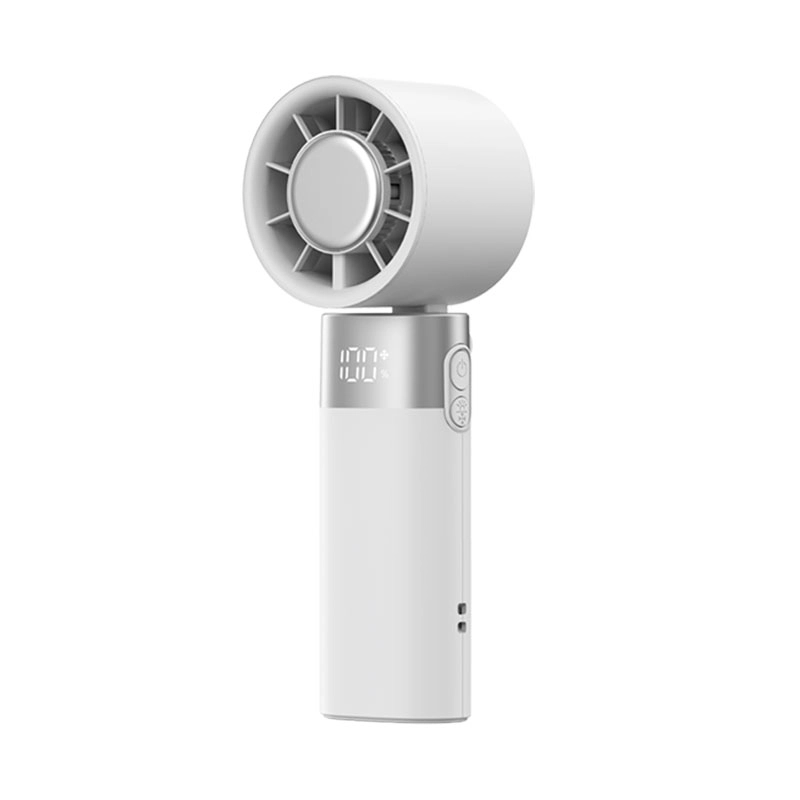
Reliable Handheld Cooling Solution for Bulk & Corporate Purchases
This premium handheld fan is designed for high-frequency, large-volume usage, making it an ideal cooling solution for corporate procurement, promotional distribution, employee welfare programs, and retail wholesale.
With stable airflow performance, a rechargeable design, and lightweight portability, it helps businesses deliver practical comfort products with strong perceived value while maintaining cost efficiency and supply reliability.
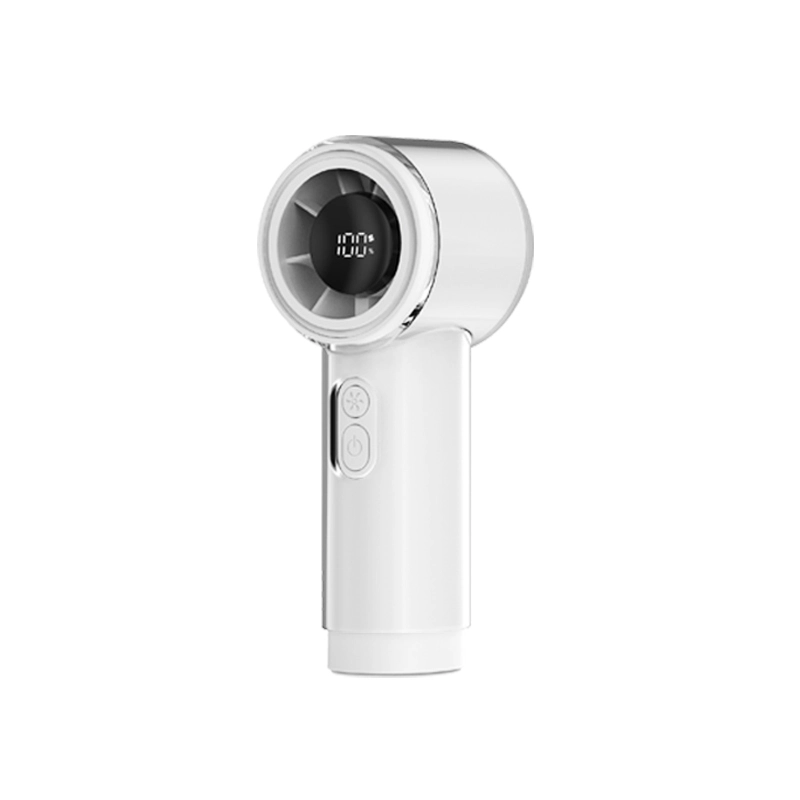
Customizable High-Speed Portable Handheld Fan FS2663
This is a high-speed, long-lasting, personalized, custom, portable cooling product specially designed for gift purchasers, cross-border e-commerce sellers, and OEM/ODM cooperation enterprises. It features (1) strong wind speed, (2) lightweight portability, (3) transparent shell design, (4) convenient carrying with a hand rope, and (5) long battery life. It helps enterprises enhance brand exposure, product differentiation competitiveness, and customer repeat purchase rate.
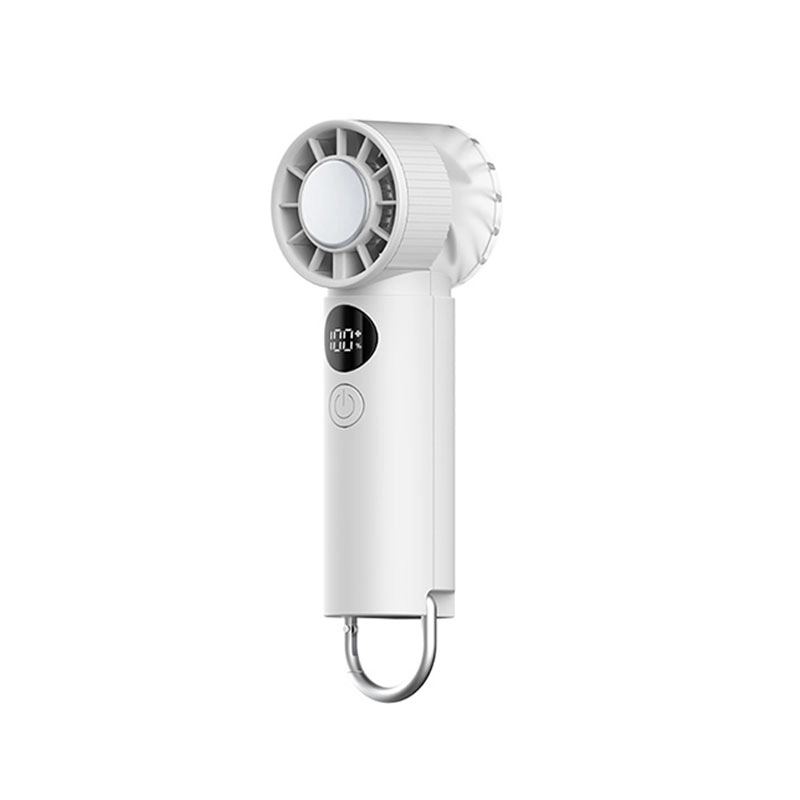
Customizable lightweight mini handheld cooling fan (with climbing hook) FS2666
A portable cooling and personalized customization product specially designed for commuters, students, the gift customization industry, and OEM/ODM buyers. It features (1) lightweight and easy portability, (2) a climbing buckle, and (3) semiconductor cooling.
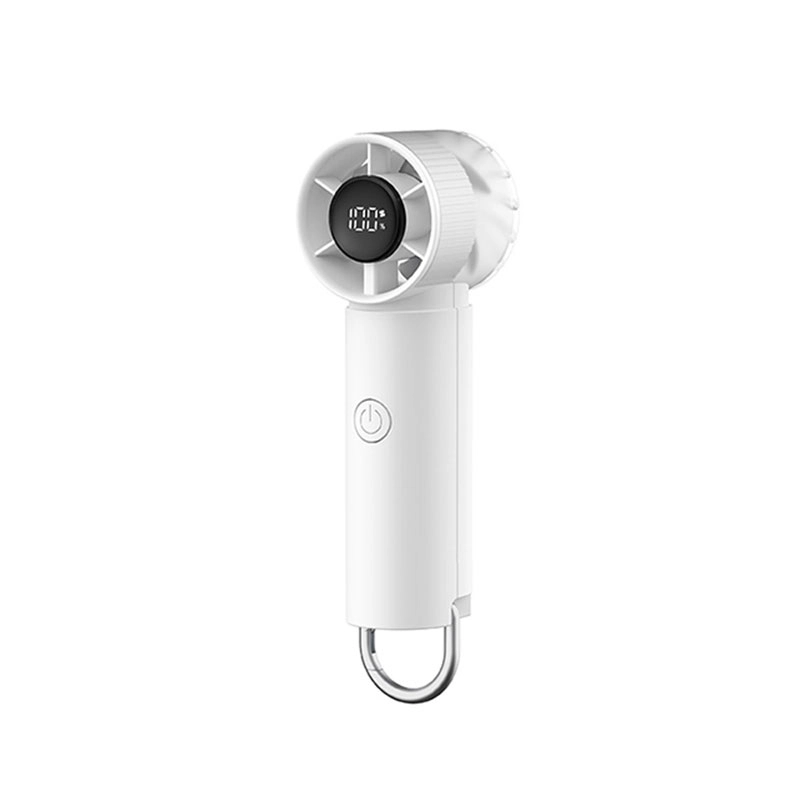
Customizable lightweight mini handheld cooling fan (with climbing hook) FS2667
This is a lightweight and portable + personalized customization product specially designed for commuters, students, the gift customization industry, and OEM/ODM buyers. It features (1) lightweight and easy portability, (2) a climbing buckle, and (3) a semi-transparent air duct design.
Start Your Custom Handheld Fans Manufacturing Project Today
If you have any comments or good suggestions, please leave us a message; later our professional staff will contact you as soon as possible.
Contact


4th Floor, Building 3, Jurong Industrial Park, No. 27-1-1, Fu'an Industrial Zone,Leliu Town (Pancun), Shunde District, Foshan City, Guangdong Province
 Scan QR Code
YouTube
Twitter
Facebook