






What quality control processes do rechargeable fan factories use? | Insights by RYW
- 1) How do factories verify battery cells in low‑cost rechargeable handheld fans to prevent early capacity loss or thermal runaway?
- 2) What burn‑in and endurance tests catch intermittent motor or control‑board failures before shipment?
- 3) What AQL sampling levels and statistical process controls do factories use to balance cost and defect detection?
- 4) How are motor performance, airflow (CFM) and noise (dB) consistently tested across batches?
- 5) What environmental, drop and IP tests should be mandatory for portable rechargeable fans intended for outdoor use?
- 6) How do factories ensure EMC, safety and regulatory compliance when fans include wireless controls or USB charging?
- Concluding summary: advantages of rigorous factory‑level QC for rechargeable handheld fans
What quality control processes do rechargeable fan factories use?
When purchasing rechargeable handheld fans, professional buyers need more than headlines — they need concrete test steps, acceptance criteria and traceability practices that reduce returns and liability. Below are six specific, pain‑point oriented questions beginners frequently ask but rarely find fully answered online, each followed by an industry‑grade answer you can use when auditing suppliers or writing your product specifications. Semantic quality terms such as incoming inspection, battery safety testing, burn‑in test, AQL sampling, AOI, IEC 62133, UN38.3, EMC compliance and IP testing are embedded throughout.
1) How do factories verify battery cells in low‑cost rechargeable handheld fans to prevent early capacity loss or thermal runaway?
Factory processes for battery verification combine supplier qualification, incoming inspection, sample lab testing and production‑level controls. Typical steps:
- Supplier and certificate review: Require supplier traceability (cell vendor lot number), test certificates and compliance to IEC 62133 and UN38.3 for transport safety. Factories should reject cells that lack those documents.
- Incoming Quality Control (IQC): Every inbound battery lot receives visual inspection for swelling, leakage and labeling. Electrical checks include open‑circuit voltage (OCV), internal resistance (mΩ measurement) and spot capacity checks on a statistically valid sample. Cells with high internal resistance or out‑of‑tolerance voltage are quarantined.
- Sample destructive and non‑destructive tests: Periodic X‑ray or CT (for high‑risk orders) detects internal defects. Destructive cross‑sectioning is used during initial qualification to confirm separator and weld quality.
- Capacity and cycle testing: For lot qualification, sample cells run charge/discharge cycles to verify capacity and cycle life (many consumer Li‑ion/ Li‑polymers target 300+ cycles at 80% remaining capacity). Factories usually perform accelerated cycle tests on representative samples rather than full lot 100% testing due to time constraints.
- Battery management and integration tests: Verify BMS or protection PCB operation — overcurrent, overcharge, overdischarge and temperature cut‑offs — with controlled fault injection tests. Perform forced short‑circuit and over‑charge tests in a certified lab where required.
- Production controls: Cell matching and balancing (where used) ensure consistent pack performance. Implement batch codes and serial numbers for traceability to cell lots.
- Automated burn‑in (aging) racks: Units run continuously at rated or elevated voltage/temperature for a defined period. Typical consumer electronics practice is 24–72 hours; many reputable factories use 48 hours as a baseline for handheld fans. Burn‑in catches early infant failures.
- Thermal stress during burn‑in: Running at +40°C to +60°C for a portion of the burn‑in accelerates failure modes related to solder joints and electrolytic components.
- Cycling tests: Repeated on/off switching cycles (thousands of cycles) and speed‑change PWM stress tests exercise the control board and mechanical switches. Define cycles according to expected field use (e.g., 10,000 switch cycles for a 3‑year lifetime target).
- Functional monitoring: Automated rigs record current draw, RPM, fan speed accuracy and error flags. Units that drift outside set thresholds get automatically failed and logged for root‑cause analysis.
- CAPA and FMEA linkage: Failures feed corrective actions and updates to FMEA (Failure Modes & Effects Analysis). This closes the loop so recurring defects are addressed at the root cause (e.g., change solder paste, adjust reflow profile).
- AQL sampling: Common practice for consumer handheld electronics is to accept critical defects at AQL 0.0 (zero defects allowed), major defects at AQL 0.65–1.0 for safety‑sensitive or High Quality products, and minor defects at AQL 2.5–4.0 depending on buyer risk tolerance. For new suppliers or new production lines, tighten AQLs (e.g., major 0.65, minor 2.5) until process stability is demonstrated.
- SPC on‑line: Implement control charts (X̄, R, p‑charts) for key process parameters—torque on screws, motor RPM, battery voltage after charge, solder joint X‑ray defects. Trigger corrective action when a metric leaves control limits (typically ±3σ).
- First Article Inspection (FAI): For new tooling or boards, require a documented FAI with 100% checks of critical dimensions, BOM verification, and functional tests before full production.
- In‑Process Quality Control (IPQC): Stop‑and‑go checks each shift for assembly torque/fastening, label placement, adhesive curing and PCB reflow profile verification. Use AOI (Automated Optical Inspection) and inline ICT or functional test fixtures for electronics test coverage.
- Motor bench tests: Measure no‑load RPM, stall current and loaded RPM under defined blade and duct conditions. Use calibrated tachometers and electronic loads. Track torque vs. speed curves to detect batch shifts.
- Airflow measurement: Use a calibrated anemometer or standardized duct test to measure cubic feet per minute (CFM) or m3/h at each speed setting. Specify test geometry (fan distance, free‑air vs. ducted) so supplier data is comparable.
- Noise testing: Measure A‑weighted sound pressure level (dBA) at a defined distance and ambient (e.g., 1 m in a semi‑anechoic chamber) per recognized acoustic measurement methods. Noise readings are sensitive to fixture and environment; insist on lab calibration records.
- Vibration and balance: Run vibration analysis (accelerometer) to detect rotor imbalance; out‑of‑balance units create noise and short bearing life. Specify acceptable vibration amplitude or bearing life (e.g., 5,000+ hours expected life for consumer grade).
- Tolerance control: Define acceptable ranges for RPM, CFM and dB in the product specification; during production use SPC for these metrics and fail any unit outside tolerance.
- Drop testing: Package and product drop tests per IEC 60068‑2‑31 (or ISTA for packaged shipments) simulate real‑world handling. Specify drop height and number of drops per orientation; portable devices often get 1–1.2 m single‑drop tests and multi‑axis repeated drops for rugged models.
- Ingress protection (IP) testing: Use IEC 60529 procedures to validate dust and water resistance claims (e.g., IP54 for splash resistance). Tests include spray angles, duration and dust chamber exposure.
- Thermal/humidity cycling: Use IEC 60068 series temperature and humidity cycling to verify electronic reliability under hot/cold and humid conditions. Define soak temperatures (e.g., −10°C to +55°C for typical consumer use) and number of cycles.
- Salt spray / corrosion (if coastal/outdoor): For metal fasteners or exposed parts, use ISO 9227 salt spray testing to evaluate corrosion resistance of coatings.
- UV aging for plastics: Outdoor fans require UV resistance testing per ISO 4892 to ensure housing and labels don't embrittle or fade rapidly.
- Pre‑compliance scans: Before full EMC certification, run pre‑compliance EMI scans to catch major emissions issues. Use shields, ferrites, layout changes and firmware PWM adjustments to mitigate noise.
- Official certification: For EU and global markets, test and document compliance with EN/IEC standards such as EN 55032/55035 (emissions/immunity) and IEC 62368‑1 (safety) as applicable. For batteries, IEC 62133 and UN38.3 transport tests are required. For the US market, FCC Part 15 rules apply to unlicensed transmitters; obtain an FCC ID or supplier declaration as needed.
- Charge controller safety: Verify charging circuit isolation, leakage, overtemp protection and compliance with limited power source (LPS) requirements. Run dielectric strength and insulation resistance tests per IEC 62368‑1.
- RoHS and material compliance: Request RoHS declarations of conformity (2011/65/EU and updates) and material test reports for hazardous substances, especially in batteries and solder alloys.
- Documentation and technical file: Maintain a technical file with test reports, schematics, BOM, user manuals and risk assessments. This is essential for CE marking in Europe and for traceable compliance in global markets.
- Lower RMA and warranty costs due to fewer infant failures and latent defects.
- Reduced safety and regulatory risk thanks to documented compliance (IEC, EN, FCC, RoHS, UN38.3).
- Consistent user experience: predictable runtime, airflow and noise levels across batches.
- Faster root cause resolution through traceability (cell lots, serial numbers, burn‑in logs) and CAPA processes.
Acceptance criteria example: internal resistance within manufacturer spec (e.g., ±10%), sample capacity ≥ rated capacity minus tolerance (commonly −5% to −10%), and IEC 62133 & UN38.3 evidence on file. If a supplier cannot provide IEC 62133 test reports, insist on independent lab validation before acceptance.
2) What burn‑in and endurance tests catch intermittent motor or control‑board failures before shipment?
Intermittent failure modes (solder cold joints, motor commutation errors, capacitor drift) are often only visible under extended operation. Effective factory procedures include:
Data logging is essential. Factories should maintain burn‑in logs with serial numbers, runtime hours, ambient conditions and failure causes. When evaluating suppliers, request burn‑in acceptance rates and any corrective action reports for prior lots.
3) What AQL sampling levels and statistical process controls do factories use to balance cost and defect detection?
Beginners often accept vague statements like “we use AQL.” You need concrete levels and SPC practices:
Ask suppliers to provide their AQL plan, SPC charts for the last 3–6 months, and corrective action histories. That data shows whether their process control is reactive or proactively stable.
4) How are motor performance, airflow (CFM) and noise (dB) consistently tested across batches?
Motor and acoustic performance determine perceived quality. Robust testing includes:
When you review suppliers, request recent test reports with measurement conditions, calibration certificates for instruments and trend charts showing batch‑to‑batch variation.
5) What environmental, drop and IP tests should be mandatory for portable rechargeable fans intended for outdoor use?
Outdoor or travel fans face impacts, dust and moisture. Key tests and standards include:
Specify the performance acceptance after environmental stress (functional test pass criteria, no battery leakage, no housing cracks). For outdoor claims, insist on third‑party lab reports documenting test conditions and pass/fail evidence.
6) How do factories ensure EMC, safety and regulatory compliance when fans include wireless controls or USB charging?
Adding wireless modules or charging circuits increases regulatory footprint. Factories typically manage this via:
Buyers should request copies of the latest third‑party test reports (EMC, safety, battery) and confirm the scope (product SKU, firmware version, plug/cable variant). Minor unlisted changes (e.g., switching a charging IC) can invalidate prior certifications.
Concluding summary: advantages of rigorous factory‑level QC for rechargeable handheld fans
When factories implement structured incoming inspection, IEC 62133/UN38.3 battery verification, 24–72 hour burn‑in, AQL/SPC sampling, automated functional test rigs (AOI/ICT), motor/CFM/noise bench testing and appropriate environmental, EMC and safety certifications, buyers gain measurable advantages:
When you source handheld fans, ask suppliers for their IQC checklists, burn‑in logs, AQL plans, SPC charts, third‑party test reports (IEC 62133, UN38.3, EMC/safety) and calibration certificates for test equipment. These documents are the evidence of a mature quality system (often ISO 9001 compliant) and protect both brand and end‑user.
For a detailed factory audit checklist, tailored QC spec or a competitive quote for rechargeable handheld fans meeting these standards, contact us at www.rywlife.com or email adrian@rywlife.com — we’ll prepare a specification and quotation aligned to your market and regulatory needs.
Contacts
WhatsApp/Phone
You May Also Like
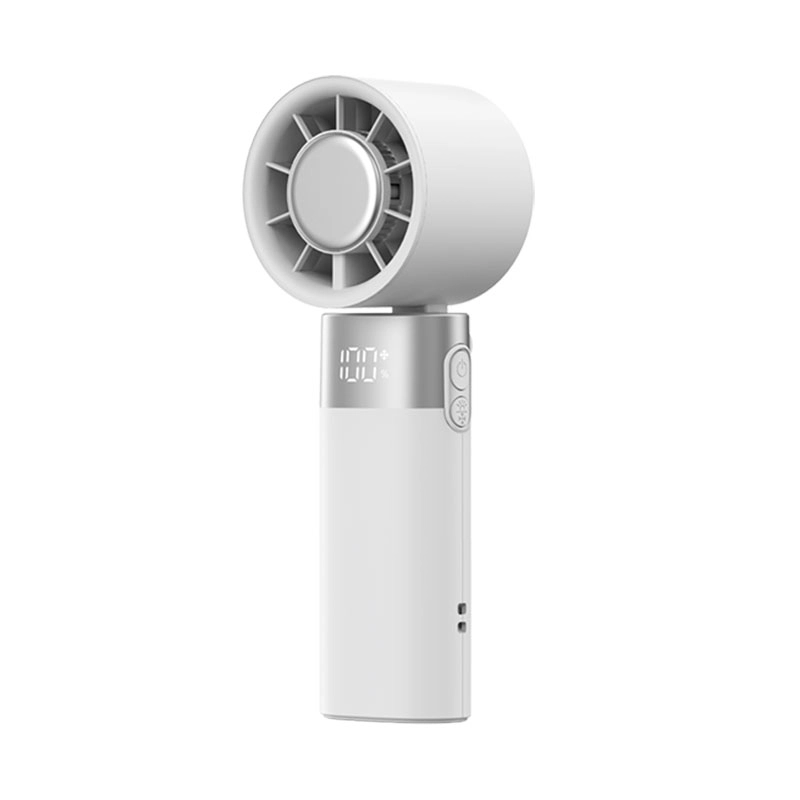
Reliable Handheld Cooling Solution for Bulk & Corporate Purchases
This premium handheld fan is designed for high-frequency, large-volume usage, making it an ideal cooling solution for corporate procurement, promotional distribution, employee welfare programs, and retail wholesale.
With stable airflow performance, a rechargeable design, and lightweight portability, it helps businesses deliver practical comfort products with strong perceived value while maintaining cost efficiency and supply reliability.
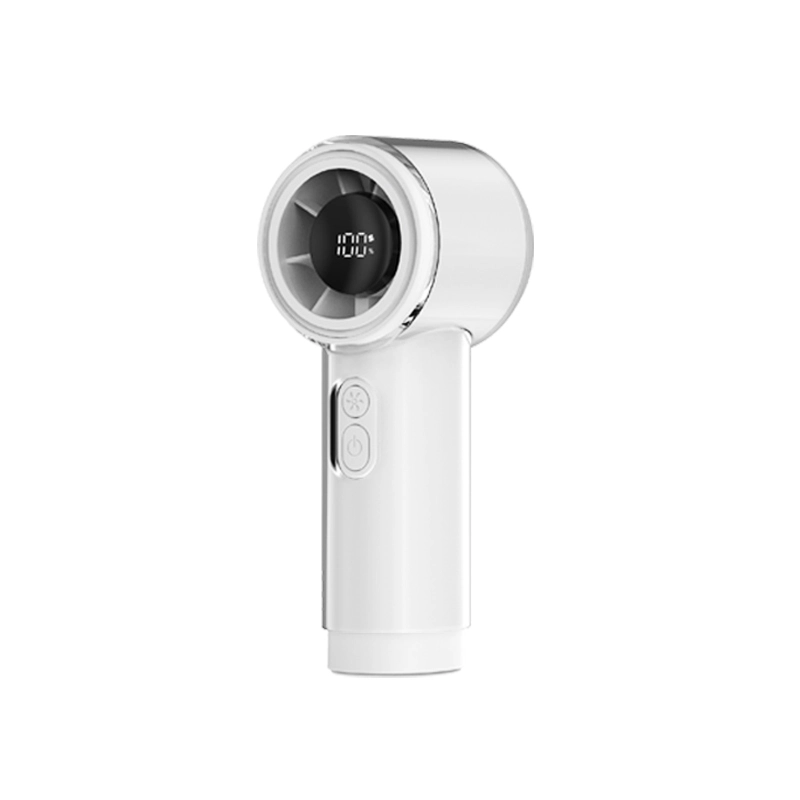
Customizable High-Speed Portable Handheld Fan FS2663
This is a high-speed, long-lasting, personalized, custom, portable cooling product specially designed for gift purchasers, cross-border e-commerce sellers, and OEM/ODM cooperation enterprises. It features (1) strong wind speed, (2) lightweight portability, (3) transparent shell design, (4) convenient carrying with a hand rope, and (5) long battery life. It helps enterprises enhance brand exposure, product differentiation competitiveness, and customer repeat purchase rate.
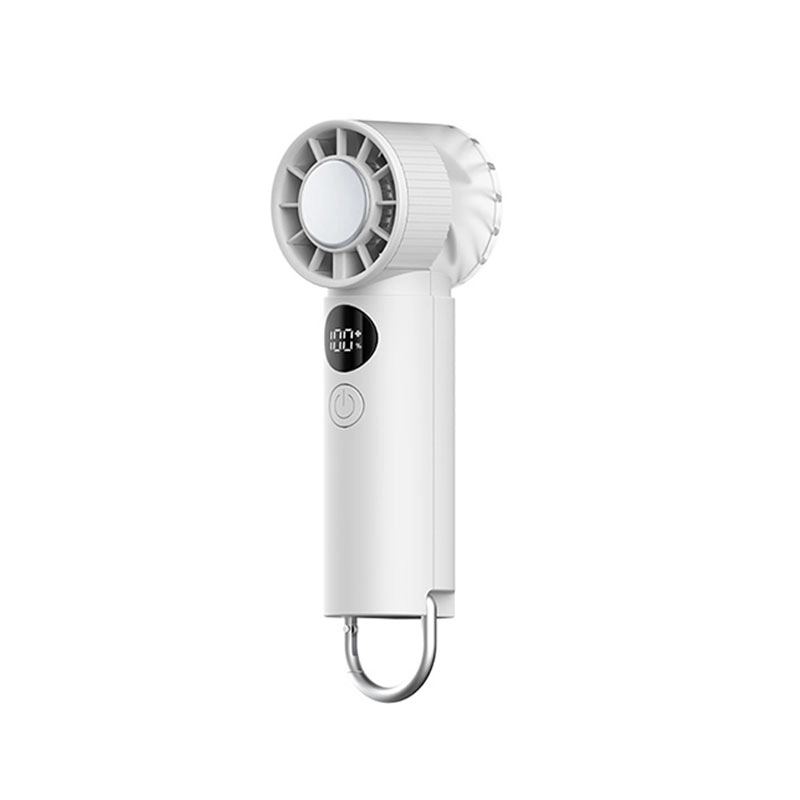
Customizable lightweight mini handheld cooling fan (with climbing hook) FS2666
A portable cooling and personalized customization product specially designed for commuters, students, the gift customization industry, and OEM/ODM buyers. It features (1) lightweight and easy portability, (2) a climbing buckle, and (3) semiconductor cooling.
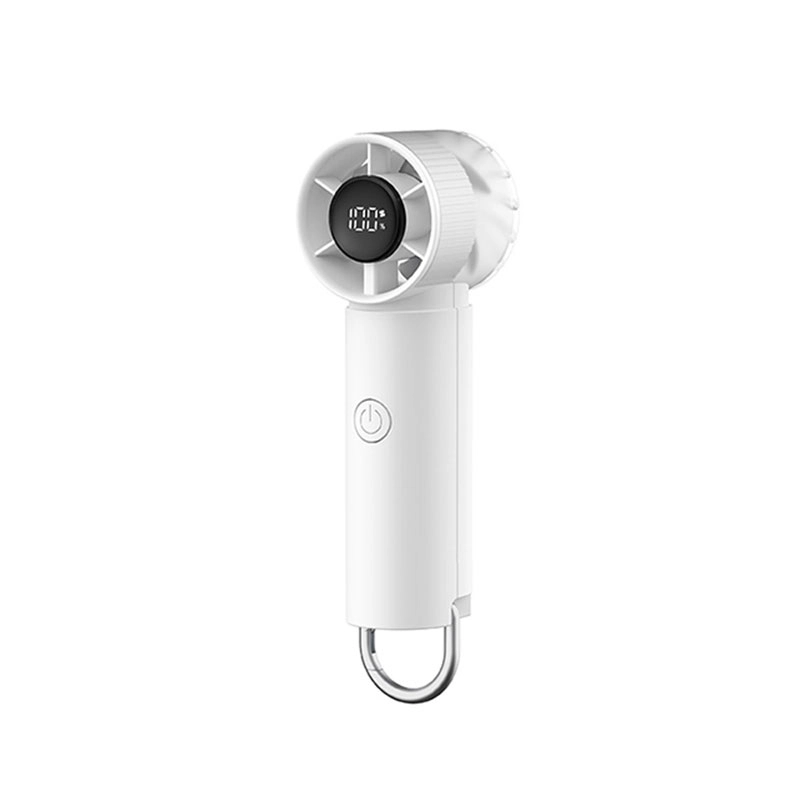
Customizable lightweight mini handheld cooling fan (with climbing hook) FS2667
This is a lightweight and portable + personalized customization product specially designed for commuters, students, the gift customization industry, and OEM/ODM buyers. It features (1) lightweight and easy portability, (2) a climbing buckle, and (3) a semi-transparent air duct design.
Start Your Custom Handheld Fans Manufacturing Project Today
If you have any comments or good suggestions, please leave us a message; later our professional staff will contact you as soon as possible.
Contact


4th Floor, Building 3, Jurong Industrial Park, No. 27-1-1, Fu'an Industrial Zone,Leliu Town (Pancun), Shunde District, Foshan City, Guangdong Province
 Scan QR Code
YouTube
Twitter
Facebook