






How to negotiate pricing with rechargeable fan manufacturers? | Insights by RYW
- 1) How do I accurately calculate landed unit cost (including battery testing, freight, duties) to use as leverage in price negotiation?
- 2) What MOQ negotiation tactics work when the factory’s quoted MOQ (e.g., 500–1,000) exceeds my cashflow or testing needs?
- 3) How can I reduce per-unit price by adjusting technical specs (battery, motor, materials) without breaking safety or certification requirements?
- 4) What payment terms and contract clauses should I insist on to protect my investment when negotiating with overseas rechargeable fan OEMs?
- 5) How to use comparative quotes and audit/BOM data (tooling costs, component margins) to negotiate a lower FOB price from a rechargeable fan factory?
- 6) Which certification and shipping constraints (UN38.3, IATA rules) will unexpectedly increase cost, and how can I negotiate these charges with the factory?
- Concluding summary — advantages of negotiating effectively with rechargeable fan manufacturers
How to negotiate pricing with rechargeable fan manufacturers? Practical sourcing guide
This article answers six specific, pain-point questions beginners in handheld/rechargeable fan sourcing frequently face. It embeds practical tactics for MOQ negotiation, landed cost calculation, certification impact (UN38.3, CE/RoHS), BOM-level bargaining, payment safeguards, and real shipping constraints—using buyer practices common on Alibaba and Global Sources and industry safety rules such as IATA Dangerous Goods guidance.
1) How do I accurately calculate landed unit cost (including battery testing, freight, duties) to use as leverage in price negotiation?
Why this matters: Buyers commonly quote only factory FOB/unit price during negotiation. Sellers often assume you won’t factor in certification, freight, insurance, local duties, and distribution margins—so you lack leverage and can be surprised by final costs.
Step-by-step calculation you can use (practical template):
- Factory quoted FOB unit price (A).
- Sample & pre-production costs & tooling amortization per unit (B): total tooling & certification divided by target order quantity (see certification below).
- Freight & insurance to destination (C): obtain quotes for air and sea (e.g., 20–40 kg CBM rules for small fans). Freight forwarders and platforms like Freightos provide live quotes.
- Import duties & VAT (D): check HS code for portable electric fans and your country’s tariff schedule.
- Customs clearance & domestic last-mile (E).
- Battery-related incremental handling and packaging (F): special packing, UN testing, and air freight surcharges for lithium batteries.
- Target margin & distribution costs (G).
How to use this in negotiation:
- Present a realistic landed-cost target to the supplier. Factories respect numbers; saying “I need to land at $X/unit” and showing your math forces practical counter-offers.
- Ask suppliers to quote FOB and EXW separately and to itemize costs (packaging, battery, accessories). If they refuse, that’s a red flag for transparency.
- Use freight forwarder quotes to refute overpriced supplier freight add-ons; often suppliers add a 5–12% freight margin.
2) What MOQ negotiation tactics work when the factory’s quoted MOQ (e.g., 500–1,000) exceeds my cashflow or testing needs?
Why this matters: Many suppliers set MOQs to recover setup costs and to optimize production runs. Beginners often accept high MOQs and then are stuck with inventory or high unit costs.
Effective tactics:
- Ask for a pilot run or “pre-production” batch at a small High Quality (e.g., MOQ 100–200 at +10–20% per-unit) to validate market demand and certifications.
- Offer to pay tooling or mold fees upfront in exchange for lowered MOQ or better unit pricing—this aligns incentives if you are committing to future volume.
- Propose an MOQ buy-down clause in your contract: start at a small MOQ for the first order, then scale to larger MOQs for subsequent orders with predefined price breaks.
- Suggest “assortment” MOQs: multiple SKUs in the same order to meet the factory’s total volume requirement while you keep lower per-SKU quantities.
- Leverage third-party consolidation: ask the factory if they can combine your order with another OEM’s runs (white-label sharing) to hit production thresholds—ensure IP safeguards if you go this route.
3) How can I reduce per-unit price by adjusting technical specs (battery, motor, materials) without breaking safety or certification requirements?
Why this matters: Buyers often treat specs as fixed. Small changes to battery capacity, motor class, or housing material can materially change BOM cost, tooling, and certification requirements.
Cost-driver checklist and actionable swaps:
- Battery chemistry & capacity: moving from a 3,000 mAh branded cell to a comparable generic cell can save 10–30% on pack cost, but verify cycle life and UN38.3 compliance. Never reduce battery safety standards to save costs—UN38.3 testing and reputable cells prevent shipping bans and recalls.
- Motor selection: brushless DC motors are efficient but costlier; for short-run handheld fans a brushed motor with proven lifetime may be sufficient and cheaper. Ask the factory for life-cycle test data (hours, RPM) to compare real durability.
- Housing material: ABS vs PC vs PC+ABS blends—polymer choices affect tooling costs and finish. Consider painted ABS vs higher-cost molded PC if the use case doesn’t require high heat resistance.
- Accessory simplification: reduce included accessories (extra USB cables, High Quality packaging) or offer optional add-ons to preserve perceived value but lower baseline unit cost.
How to negotiate these changes:
- Request a BOM-level quote from two or three factories. Ask which line items are the biggest drivers and present alternate spec choices to get a new quote. If a supplier resists BOM transparency, move to another factory.
- Use 'value-engineering' sessions: offer a willingness to modify packaging or reduce certain features in exchange for a specific per-unit reduction—make trade-offs explicit (e.g., cut 200 mAh for $0.40 savings per unit).
4) What payment terms and contract clauses should I insist on to protect my investment when negotiating with overseas rechargeable fan OEMs?
Why this matters: Payment structure directly impacts supplier behavior and your risk exposure. Beginners often pay large deposits with little contractual protection.
Recommended terms and clauses:
- Payment split: common practice is 30% deposit, 60% before shipment, 10% on delivery/inspection. For new suppliers, ask 30% deposit, 60% after QC pass by a third-party inspector, 10% after pallet-level inspection at destination.
- Escrow or L/C for large orders: use a confirmed letter of credit or trade escrow services to reduce prepayment risk for orders > $50k.
- Sample & pre-production sign-off: require a signed PP sample approval before mass production starts. Define acceptable tolerances and measurable test methods (e.g., motor RPM ±5%, battery runtime ≥ X hrs).
- Warranty & defect clauses: define AQL standards, rework allowances, and clear remedies (replacement, credit, buy-back) and time windows (e.g., 12 months).
- IP and tooling ownership: state who owns molds and the conditions for reuse or resale of tooling. Consider paying tooling with staged ownership (e.g., full ownership transfers after full payment for X orders).
- Force majeure & lead-time penalties: include realistic lead-time expectations and remedies (partial refunds, expedited slot fees) for missed production dates. Keep the language balanced to maintain supplier goodwill.
Always route contract review through a trade lawyer for cross-border enforceability. Templates are common on Global Sources guides; avoid verbal promises and get changes in writing.
5) How to use comparative quotes and audit/BOM data (tooling costs, component margins) to negotiate a lower FOB price from a rechargeable fan factory?
Why this matters: Suppliers know the bargaining power of buyers who have done detailed homework. Comparative quotes and BOM transparency unlock realistic price reductions.
Practical approach:
- Request 3–5 competitive quotes with identical spec sheets and packaging. Use a clear RFQ template (specs, certification needs, expected volumes, target lead times) so apples-to-apples comparisons are possible.
- Ask for BOM & component quotes: request a component-level price breakdown (PCBA, motor, battery pack, housing, packaging). Many suppliers will share or at least identify high-cost items. Use this to propose substitute components or to ask for discrete discounts on expensive line items.
- Perform supplier audits or ask for factory production capacity and sample production reports. If they have idle capacity during your intended window, use that as leverage for better pricing.
- Consolidate demand: offer a multi-SKU or 12-month forecast—suppliers can offer better tiered pricing if you commit to volume. Get the price tiers documented in the contract.
Negotiation wording that works: “Supplier A quoted $4.20 FOB based on your spec; Supplier B quoted $3.60 with a comparable motor and the same battery brand. We’d prefer to work with you—can you match $3.80 FOB if we commit to 6,000 units over 12 months?”
6) Which certification and shipping constraints (UN38.3, IATA rules) will unexpectedly increase cost, and how can I negotiate these charges with the factory?
Why this matters: Lithium battery regulations and required testing are complex. Many buyers are surprised by the incremental costs for UN38.3 testing, certified packaging, and air-freight surcharges for lithium-ion products.
Key constraints and costs:
- UN38.3 testing: required for lithium batteries shipped by air or sea in many jurisdictions. Testing can cost from ~$1,000 to several thousand dollars depending on the lab and number of test sequences; the factory may amortize this across units or ask you to pay upfront.
- IATA Dangerous Goods Regulations: airlines apply lithium-ion surcharges and restrictions (short lead times, additional paperwork). Air cargo may add 10–40% over basic freight for battery items.
- Battery certification & cell sourcing: using reputable, certified cells (e.g., LG, Samsung, Panasonic) reduces risk but raises component cost. Using uncertified cells risks customs detention and rework costs.
- Packing and tested transportation cases: some destinations require tested inner pack, outer pack, and labeling which add per-order costs. Factory may charge these as an extra service line.
How to negotiate these charges:
- Demand itemized quotes for certification and shipping extras. If a supplier says “certification is included,” request the specific tests and labs and whether the certificate is in your company’s name.
- Ask the supplier to provide the latest UN38.3 and test lab reports and cell certificates. If they can’t, insist on a certified cell vendor or plan to pay for retesting yourself with cost-sharing.
- Negotiate cost-sharing: propose the factory covers initial testing once per design and you amortize that cost across the first N orders; or split testing costs 50/50 for the initial run.
- Use sea freight for initial bulk shipments where possible to avoid air battery surcharges; negotiate longer lead times for lower landed costs if your product lifecycle allows.
Concluding summary — advantages of negotiating effectively with rechargeable fan manufacturers
Effective negotiation yields lower landed costs, faster go-to-market through smaller pilot runs, reduced product failure risk by locking in certification and sample signoffs, and stronger supplier relationships with clearer contractual protections. By calculating full landed cost, asking for BOM transparency, managing MOQs with staged commitments, and addressing battery-specific testing and shipping early, buyers minimize surprises and create predictable margins. These practices are supported by buyer guides on Alibaba/Global Sources and compliance guidance such as IATA’s Dangerous Goods rules.
If you want a tailored quote or supplier sourcing support for rechargeable handheld fans—MOQ structuring, BOM analysis, or certification cost-sharing—contact us at www.rywlife.com or email adrian@rywlife.com for a quote.
Sources: Alibaba and Global Sources buyer guides on MOQ and OEM practices (2022–2024), IATA Dangerous Goods Regulations (lithium battery shipping rules), and common market sourcing practices used by procurement specialists in the handheld fan sector.
Contacts
WhatsApp/Phone
You May Also Like
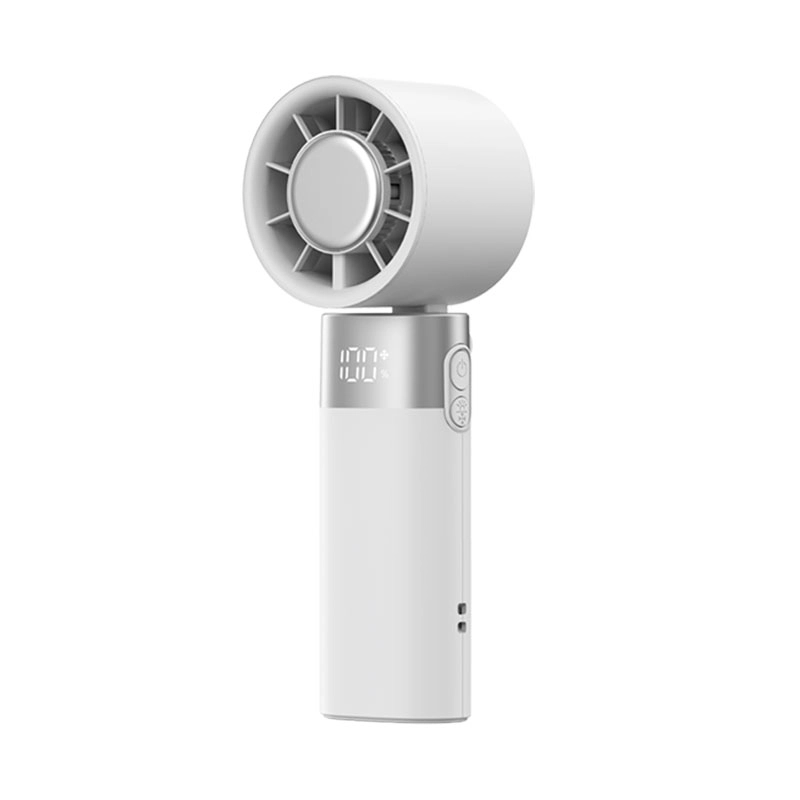
Reliable Handheld Cooling Solution for Bulk & Corporate Purchases
This premium handheld fan is designed for high-frequency, large-volume usage, making it an ideal cooling solution for corporate procurement, promotional distribution, employee welfare programs, and retail wholesale.
With stable airflow performance, a rechargeable design, and lightweight portability, it helps businesses deliver practical comfort products with strong perceived value while maintaining cost efficiency and supply reliability.
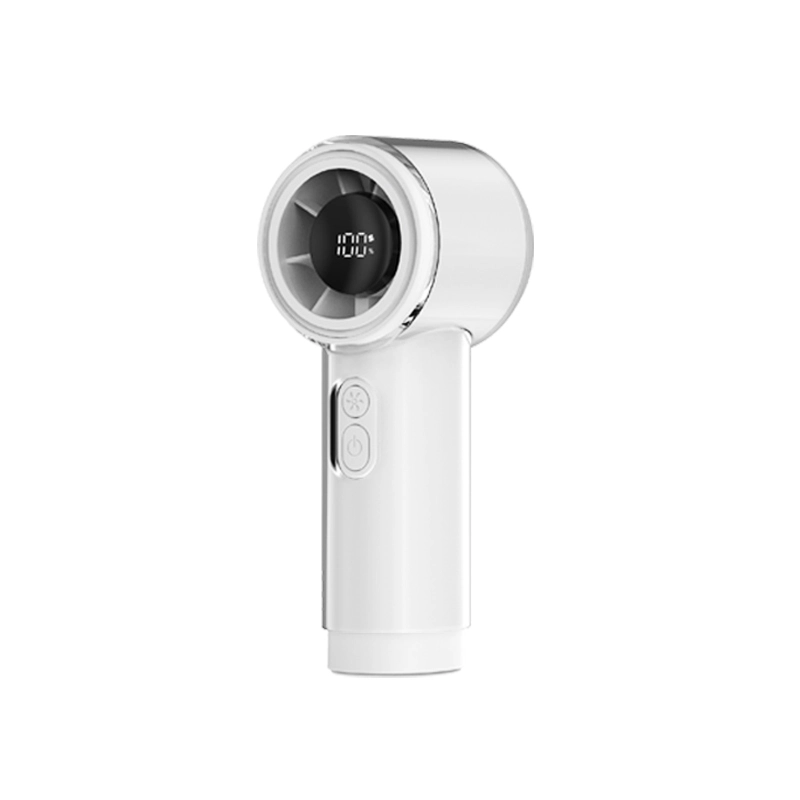
Customizable High-Speed Portable Handheld Fan FS2663
This is a high-speed, long-lasting, personalized, custom, portable cooling product specially designed for gift purchasers, cross-border e-commerce sellers, and OEM/ODM cooperation enterprises. It features (1) strong wind speed, (2) lightweight portability, (3) transparent shell design, (4) convenient carrying with a hand rope, and (5) long battery life. It helps enterprises enhance brand exposure, product differentiation competitiveness, and customer repeat purchase rate.
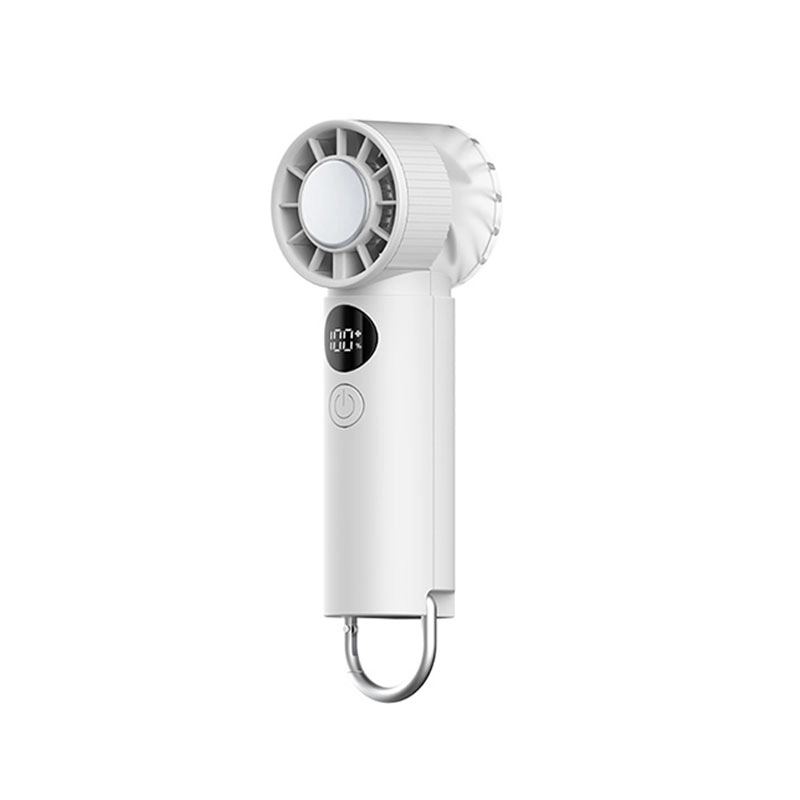
Customizable lightweight mini handheld cooling fan (with climbing hook) FS2666
A portable cooling and personalized customization product specially designed for commuters, students, the gift customization industry, and OEM/ODM buyers. It features (1) lightweight and easy portability, (2) a climbing buckle, and (3) semiconductor cooling.
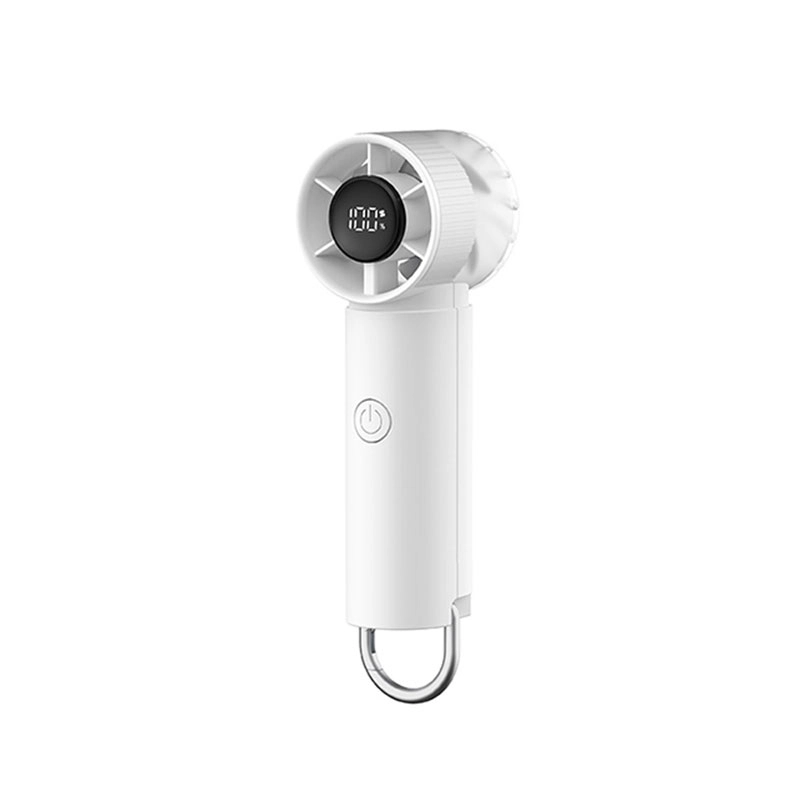
Customizable lightweight mini handheld cooling fan (with climbing hook) FS2667
This is a lightweight and portable + personalized customization product specially designed for commuters, students, the gift customization industry, and OEM/ODM buyers. It features (1) lightweight and easy portability, (2) a climbing buckle, and (3) a semi-transparent air duct design.
Start Your Custom Handheld Fans Manufacturing Project Today
If you have any comments or good suggestions, please leave us a message; later our professional staff will contact you as soon as possible.
Contact


4th Floor, Building 3, Jurong Industrial Park, No. 27-1-1, Fu'an Industrial Zone,Leliu Town (Pancun), Shunde District, Foshan City, Guangdong Province
 Scan QR Code
YouTube
Twitter
Facebook