






How to negotiate price for handheld electric fans? | Insights by RYW
- 1. How do I calculate a realistic target unit price (landed cost) to use when negotiating handheld electric fan quotes?
- 2. How can I negotiate MOQ and sample fees without increasing the price per unit?
- 3. Which technical specifications should I use as leverage when negotiating price for handheld electric fans?
- 4. How does moving from ODM to OEM or changing design affect price — and how to negotiate design-related costs?
- 5. What payment terms and contract structures get me the best price without taking excessive risk?
- 6. How can I secure volume discounts and price protection for future orders without overpaying now?
1. How do I calculate a realistic target unit price (landed cost) to use when negotiating handheld electric fan quotes?
Estimate a realistic target unit price by calculating the landed cost and the margin you need. A clear unit cost breakdown gives you leverage and prevents negotiating blind.
Key components to include:
- Supplier EXW or FOB price. Ask suppliers for an itemized quote (unit cost, tooling amortization, packing cost).
- Inland transport to port and port handling (origin).
- International freight (sea/air) and insurance — request CIF or FOB comparatives.
- Import duties, VAT/GST and customs clearance fees for your destination — determine HS code and check your customs portal or broker.
- Domestic last-mile freight, warehousing, and inspection costs.
- Quality control & testing (random inspection, certification costs like CE, RoHS if required).
- Amazon/marketplace fees or distributor margins if relevant.
Practical formula (simple):Landed unit cost = EXW/FOB unit + (share of tooling amortized per unit) + origin handling + international freight per unit + insurance per unit + customs duty & VAT per unit + destination handling + QC & testing per unit.
Example (illustrative only — use your own quotes):
- Supplier EXW: $3.20
- Tooling amortized: $0.10 (over 20k units)
- Origin & packing: $0.08
- Sea freight & insurance per unit: $0.20
- Customs & clearance: $0.15
- Destination handling & warehousing: $0.10
- QC & certification per unit: $0.07= Landed cost ≈ $3.90
How to use this: set a target margin and reverse-calculate the maximum acceptable EXW. When you present a counter, show the landed estimate and ask the supplier which line items they can optimize (component sourcing, packing density, lead time) to meet your target. This demonstrates competence and builds trust.
Embedded negotiation keywords: unit cost breakdown, bulk handheld fan price, landed cost, shipping and customs.
2. How can I negotiate MOQ and sample fees without increasing the price per unit?
MOQ and sample fees are top pain points for small buyers. Suppliers set MOQ to protect tooling and order economics. Tactics to lower MOQ or waive sample costs while protecting price per unit:
- Offer a clear roadmap: present a 3–6 month purchasing forecast, with a firm initial order (even if lower than standard MOQ) plus committed follow-up purchases. Suppliers will often accept a lower MOQ if you commit to a schedule.
- Split responsibilities smartly: propose a slightly higher unit price for a smaller initial qty to cover supplier's fixed cost, but lock in the lower price once cumulative volumes reach the normal MOQ.
- Request a one-off sample fee credited back on first production invoice: many factories will refund sample costs if you sign a PO.
- Consolidate SKUs/packaging: reducing SKU complexity reduces factory set-up costs, making them more likely to lower MOQ or waive sample costs.
- Use shared tooling amortization: if you accept some standard parts (common fans, motors, or housing) instead of fully custom tooling, MOQ reduces.
- Offer to cover expedited lead time fees or pay for packaging materials upfront — this can offset the supplier's risk and reduce MOQ bargaining friction.
Sample negotiation phrase: 'We can start with 1,000 units and commit to an additional 4,000 units over 90 days if you can waive the $50/sample fee and hold the quoted unit price for the cumulative 5,000 units.'
Embedded negotiation keywords: MOQ negotiation, sample fee waiver, bulk handheld fan price.
3. Which technical specifications should I use as leverage when negotiating price for handheld electric fans?
Technical specs are powerful bargaining chips. Suppliers price by component cost and manufacturing complexity. Use these levers:
- Motor type: brushless DC motors cost more but are more efficient. If you can accept brushed motors, request a price comparison. Ask suppliers for a motor cost breakdown (motor model, brand, mAh draw).
- Battery (mAh) and chemistry: specify a battery capacity and chemistry that meet user needs but avoid over-specification. Downgrading from 3000mAh to 2000mAh can reduce cost materially.
- PCB complexity and firmware: simplify control boards (fewer modes, standardized ICs) to lower PCB assembly costs.
- Materials and finish: propose alternative plastics (ABS vs PC) or simpler color/print options. Forgoing custom colors or special surface treatments reduces tooling and paint costs.
- Accessories & packaging: reduce included accessories (carrying cases, stands) or simplify retail packaging to reduce per-unit costs and shipping volume.
- Standardized components: require the supplier to quote with standard, widely available components rather than proprietary parts — cheaper and easier to source.
Ask suppliers for a per-component cost split (blade, motor, battery, PCB, housing, packaging). That transparency lets you suggest substitutions and negotiate by component, not just by one final price.
Embedded negotiation keywords: value engineering, unit cost breakdown, OEM pricing, ODM fan costs.
4. How does moving from ODM to OEM or changing design affect price — and how to negotiate design-related costs?
Switching between OEM (producer builds to your specification) and ODM (supplier’s existing design) dramatically affects cost and negotiation position.
- ODM advantages: lower tooling and development costs, faster time-to-market, potentially lower unit price for small runs. Use ODM baseline pricing to benchmark custom OEM quotes.
- OEM/Customization costs: new tooling, molds, and firmware customization increase one-time costs. Negotiate tooling amortization across larger volumes, or ask the supplier to split tooling cost with you.
- Design-for-manufacturing (DFM): hire or request DFM feedback early. Suppliers can propose design simplifications that retain function but cut costs.
- Intellectual property and exclusivity: if you pay for tooling, negotiate exclusivity or a lower royalty. Conversely, if the supplier insists on retaining molds, get locked-in discounted pricing for future volumes.
Practical negotiation steps:
- Ask for two quotes: basic ODM model and an OEM/customized version with line-item tooling and MOQ impact.
- Ask for tooling amortization schedules and propose an alternate amortization over more units or time.
- Offer a higher initial price for the first 1–2 runs and a lower price as volumes scale.
Embedded negotiation keywords: OEM vs ODM pricing, tooling amortized, price per unit.
5. What payment terms and contract structures get me the best price without taking excessive risk?
Payment terms are a direct way to lower price while managing risk. Suppliers price to cover payment risk; better terms for them usually mean better pricing for you.
Common structures and negotiation tactics:
- 30/70 or 30/60/10 splits: typical is 30% deposit, 70% on B/L or before shipment. Offer higher deposit (40–50%) for a small price reduction if you trust the supplier.
- Letter of Credit (L/C): reduces supplier risk and may reduce price slightly, but L/C banking fees are higher for buyers.
- Documentary collections & escrow: mid-risk options. Escrow platforms (e.g., Trade Assurance-type) can be used to obtain competitive pricing with security.
- Net terms for repeat buyers: negotiate 30–60 day net once you establish a transaction history.
- Quality-based holdback: propose an agreed inspection and a small 5–10% holdback until post-arrival acceptance. This can lower the quoted price because the supplier retains some payment security.
Safeguards:
- Always use a clear purchase contract specifying quantity, specs, lead times, penalties for late delivery, and agreed remedies for defects (rework, replacement units, or partial refund).
- Use third-party inspection (AQL) and require pre-shipment photos and test reports tied to payment milestones.
Embedded negotiation keywords: payment terms, price per unit, inspection, QC, net terms.
6. How can I secure volume discounts and price protection for future orders without overpaying now?
Securing predictable pricing across multiple orders reduces risk for both sides. Steps to get volume discounts and protect future pricing:
- Tiered pricing: negotiate price breaks at defined cumulative volumes (e.g., 1–2k = $5.00; 2–5k = $4.50; 5–20k = $4.00). Use cumulative purchase commitments rather than single-order quantities.
- Price lock & indexation: secure a price lock for 3–6 months, or tie increases to defined indices (component price index or freight costs). This prevents unexpected cost spikes.
- Rolling forecasts + call-offs: present a 6–12 month forecast with firm quarterly call-offs. Manufacturers will usually give better pricing for predictable demand.
- Shared risk clauses: offer to share component cost increases beyond X% negotiated threshold, which can make suppliers more willing to freeze base price.
- Review & renegotiate clauses: include periodic review points based on currency fluctuation or commodity changes.
Example clause language: 'Supplier agrees to the following tiered pricing based on cumulative quantities in 12 months: 0–2,500 units $4.80, 2,501–10,000 units $4.20. Prices are held for 180 days from PO date except for documented increases in battery or motor costs greater than 8%, in which case both parties will renegotiate in good faith.'
Embedded negotiation keywords: volume discounts, price protection, lead time discount, cumulative MOQ.
Conclusion
Negotiating handheld electric fan prices requires clarity: a precise unit cost breakdown, realistic forecasts, and using technical and contractual levers (MOQ, tooling amortization, payment terms, and tiered pricing). Buyers who present transparent landed cost calculations, propose realistic rolling forecasts, and are willing to use shared-risk structures consistently unlock better bulk handheld fan price outcomes. For verifiable benchmark data (HS codes, freight indices, and compliance costs), consult your customs broker and logistics provider before final offers.
Advantages of following these approaches include lower landed costs, predictable margins, reduced supply-chain surprises, faster time-to-market, and stronger supplier relationships that support scaling.
Contact us for a quote and tailored negotiation support: www.rywlife.com — adrian@rywlife.com
Contacts
WhatsApp/Phone
You May Also Like
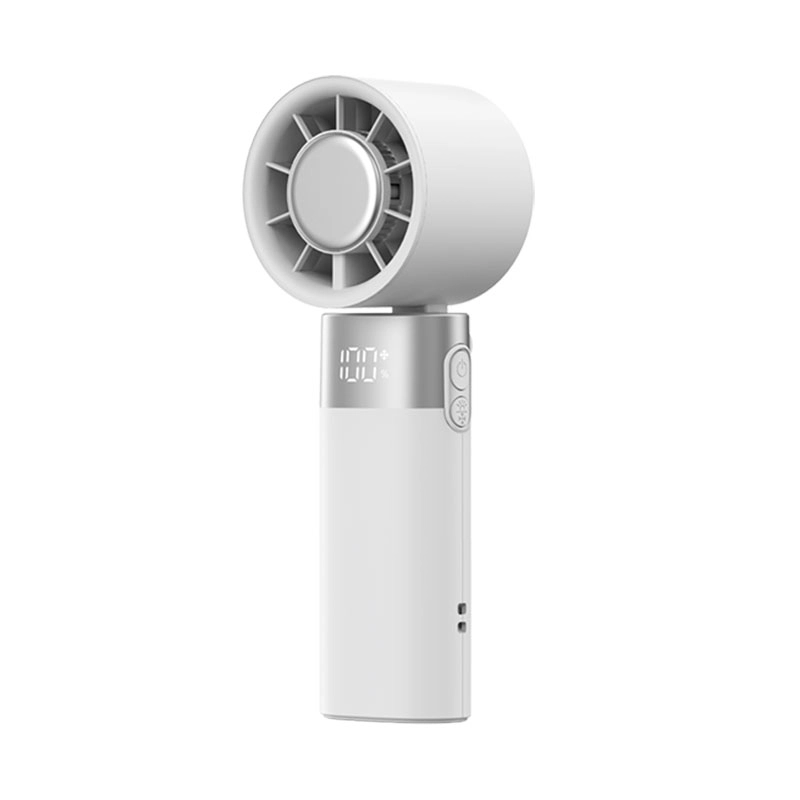
Reliable Handheld Cooling Solution for Bulk & Corporate Purchases
This premium handheld fan is designed for high-frequency, large-volume usage, making it an ideal cooling solution for corporate procurement, promotional distribution, employee welfare programs, and retail wholesale.
With stable airflow performance, a rechargeable design, and lightweight portability, it helps businesses deliver practical comfort products with strong perceived value while maintaining cost efficiency and supply reliability.
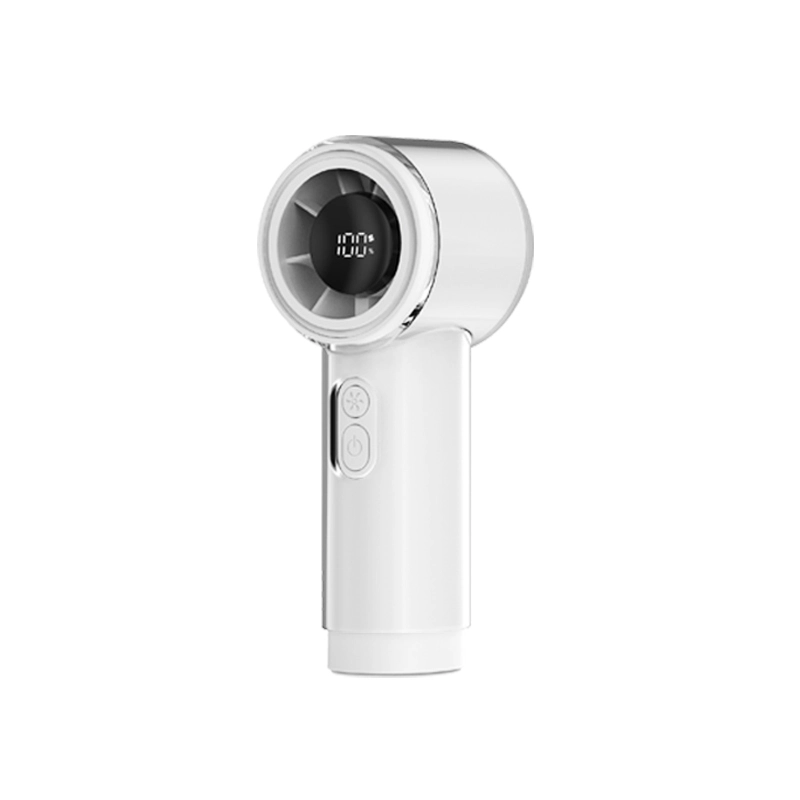
Customizable High-Speed Portable Handheld Fan FS2663
This is a high-speed, long-lasting, personalized, custom, portable cooling product specially designed for gift purchasers, cross-border e-commerce sellers, and OEM/ODM cooperation enterprises. It features (1) strong wind speed, (2) lightweight portability, (3) transparent shell design, (4) convenient carrying with a hand rope, and (5) long battery life. It helps enterprises enhance brand exposure, product differentiation competitiveness, and customer repeat purchase rate.
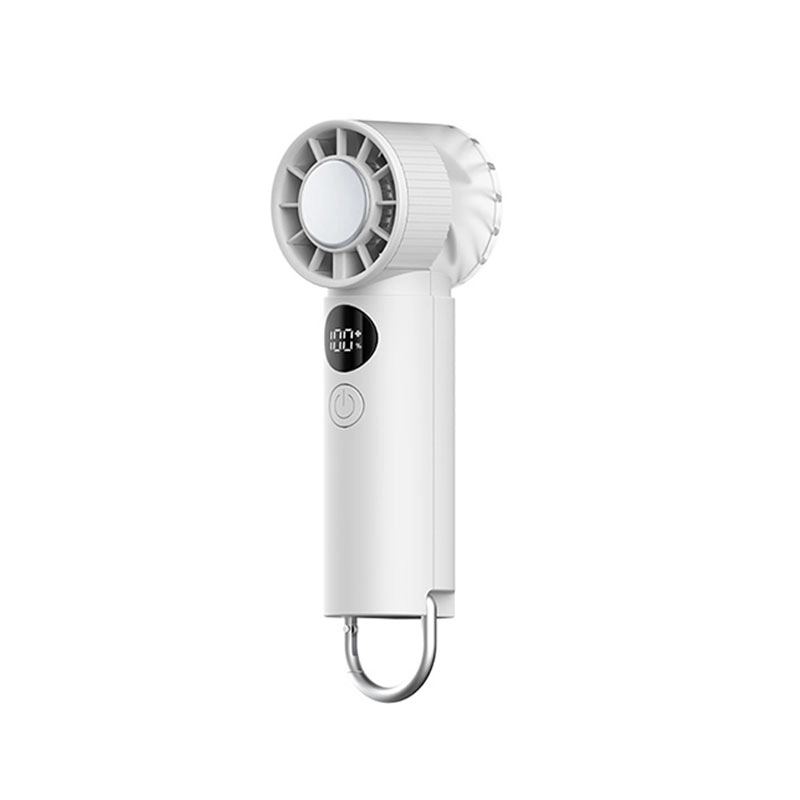
Customizable lightweight mini handheld cooling fan (with climbing hook) FS2666
A portable cooling and personalized customization product specially designed for commuters, students, the gift customization industry, and OEM/ODM buyers. It features (1) lightweight and easy portability, (2) a climbing buckle, and (3) semiconductor cooling.
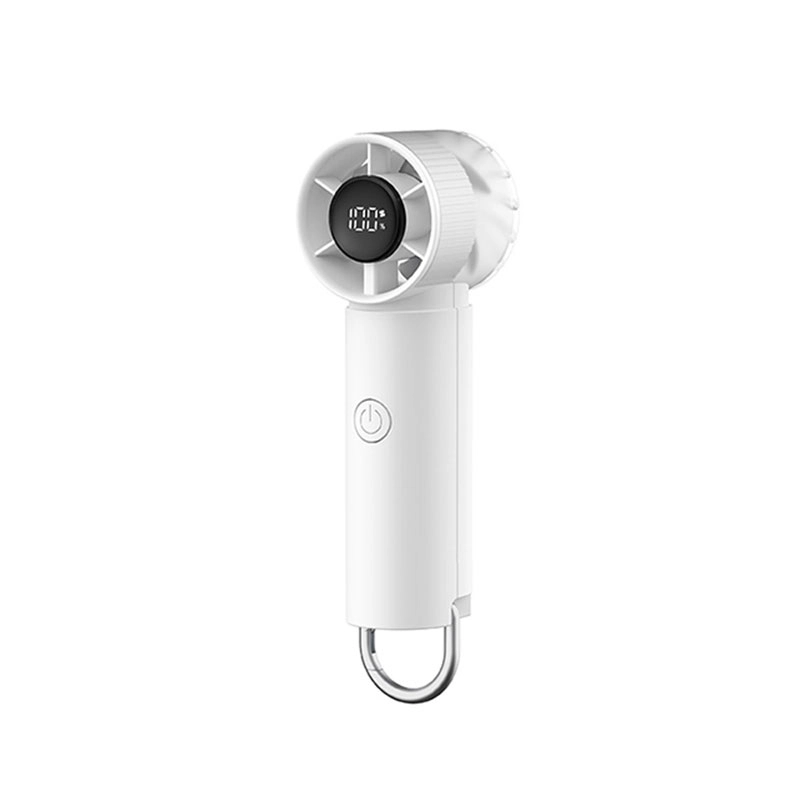
Customizable lightweight mini handheld cooling fan (with climbing hook) FS2667
This is a lightweight and portable + personalized customization product specially designed for commuters, students, the gift customization industry, and OEM/ODM buyers. It features (1) lightweight and easy portability, (2) a climbing buckle, and (3) a semi-transparent air duct design.
Start Your Custom Handheld Fans Manufacturing Project Today
If you have any comments or good suggestions, please leave us a message; later our professional staff will contact you as soon as possible.
Contact


4th Floor, Building 3, Jurong Industrial Park, No. 27-1-1, Fu'an Industrial Zone,Leliu Town (Pancun), Shunde District, Foshan City, Guangdong Province
 Scan QR Code
YouTube
Twitter
Facebook