






What certifications should handheld electric fans have? | Insights by RYW
- 1. For selling handheld fans in the EU, what marks/directives and tests must be satisfied (is CE enough)?
- 2. My fan is battery-powered. What battery certifications and transport tests are mandatory?
- 3. A supplier sent CE/UL/CB test reports—how do I verify they’re real and cover my model?
- 4. The fan includes Bluetooth and wireless charging—what EMC/radio approvals are required?
- 5. Are RoHS and REACH required for handheld fans, and how do I get supplier declarations?
- 6. What mechanical safety and IP (ingress) ratings should I require for handheld fans used outdoors or in gyms?
- 7. What documents, labels and markings should be present on unit, packaging and shipping paperwork when importing handheld fans?
- Final checklist: what to ask the supplier right now
- Why these steps matter (short rationale)
- RYW: why choose us for compliant handheld fans
Handheld Electric Fans: 7 Certification Questions Beginners Always Ask
Buying handheld electric fans (battery-powered or USB/AC) requires more than looking at price and appearance. Below are seven specific, procurement-focused questions beginners frequently ask but rarely find clear, current answers to. Each answer gives the exact standards, documents and verification steps you should request from suppliers so you can buy safe, market-ready products.
1. For selling handheld fans in the EU, what marks/directives and tests must be satisfied (is CE enough)?
CE is the required conformity mark for most products sold in the EU, but “CE” itself is a declaration—compliance must be based on applicable directives and harmonized standards. For typical handheld fans (household small fans, motor-driven):
- Primary standards: EN 60335-1 (safety of household appliances) and EN 60335-2-80 (particular requirements for fans). These are harmonized standards supporting the Low Voltage Directive (LVD).
- EMC: the EMC Directive 2014/30/EU normally applies; common harmonized standards include EN 55014-1 (emissions) and EN 55014-2 (immunity) for household appliances.
- Restricted substances: RoHS (2011/65/EU and updates) often applies—verify banned/restricted substances in electrical components.
- For fans that include radio (Bluetooth/wireless): the Radio Equipment Directive (RED 2014/53/EU) applies and requires radio type approval.
So: CE alone is not “enough”—you should receive a Technical File including test reports to EN 60335-1/2-80, EMC reports, a signed EU Declaration of Conformity, and a parts/materials statement for RoHS. Ask the supplier to list which harmonized EN standards were used to justify the CE mark and to provide the test reports that match the specific model number.
Reference: general IEC/EN safety family (EN 60335) overview via IEC 60335 (Wikipedia).
2. My fan is battery-powered. What battery certifications and transport tests are mandatory?
For battery-powered handheld fans you must cover both cell/battery safety and transport requirements:
- Cell and pack safety: IEC 62133 (secondary cells and batteries — safety requirements for portable sealed rechargeable cells) is the industry standard for lithium-ion battery safety and widely required by retailers. Look for test reports to IEC 62133 (or UL equivalent such as UL 62133 where applicable).
- Transport by air/sea/road: UN Manual of Tests and Criteria, Section 38.3 (often called “UN 38.3”) is mandatory for shipping lithium cells and batteries; airlines and courier services will require passing UN 38.3 tests for packed or installed batteries. See shipping guidance from IATA for detail.
- Battery labeling and documentation: Safety Data Sheets (SDS), UN 38.3 test summary, proper lithium battery labels on packaging, and state of charge / packing declarations where required.
Practical procurement steps: require an IEC 62133 test report and a UN 38.3 test report that name the exact battery cell/pack (part number and manufacturer). Verify the reports’ lab accreditation and dates. For authoritative guidance on lithium battery shipping, see IATA’s guidance on lithium batteries: IATA Lithium Batteries.
Reference for IEC 62133: IEC 62133 (Wikipedia).
3. A supplier sent CE/UL/CB test reports—how do I verify they’re real and cover my model?
Ask for the complete test report (not just the cover page) and check these points:
- Model numbers: reports and test samples must list the exact model, SKU, and key variant details (battery type, input rating, RF module part number).
- Laboratory accreditation: check the issuing test lab’s accreditation (e.g., ISO/IEC 17025). Accredited labs typically include an accreditation body mark on the report (e.g., CNAS, UKAS, IAS).
- Certificate/report numbers and dates: use the lab or certification body’s public database (UL, TUV, Intertek) to verify the number and scope. For CB Scheme reports, verify via the IECEE CB database or by contacting the test lab.
- Scope and limits: ensure the tested voltage/frequency and battery configuration match your SKU; small changes can invalidate a report.
If you still doubt authenticity, request the lab’s permission to verify the report directly with them, or ask the supplier for a witnessed test (buyer or third-party witness). The IECEE CB Scheme site is useful for cross-acceptance background: IECEE CB Scheme.
4. The fan includes Bluetooth and wireless charging—what EMC/radio approvals are required?
Wireless features add radio and EMC compliance layers:
- Europe: Radio Equipment Directive (RED 2014/53/EU) applies to devices that intentionally radiate RF (e.g., Bluetooth). You need a radio test report, a Declaration of Conformity to RED, and CE marking based on both RED and applicable EMC/LVD standards.
- United States: FCC rules apply—Bluetooth modules usually need either an FCC grant of equipment authorization or fall under a granted module’s approval. The common path is FCC Part 15 (unintentional/intentional radiators). See FCC Part 15 guidance for testing and labeling requirements.
- Bluetooth qualification: modules should be qualified with Bluetooth SIG if they implement Bluetooth profiles; ask for module FCC/CE approval plus Bluetooth SIG listing.
Request full radio test reports (RF output, spurious emissions, receiver performance) and the module’s regulatory approvals. For FCC basics, see: FCC Part 15 overview.
5. Are RoHS and REACH required for handheld fans, and how do I get supplier declarations?
Yes—RoHS is commonly required in the EU and by many global retailers for electrical products. REACH (substances of very high concern) is also relevant for materials that may be present in plastics, cables, paints or coatings.
- RoHS: restricts specific hazardous substances (lead, mercury, cadmium, certain phthalates, etc.) in electrical/electronic equipment placed on the EU market. You should obtain a RoHS Declaration of Conformity (DoC) and lab test reports (XRF screening + chemical lab confirmation) on a sampling basis.
- REACH: ask suppliers for a REACH SVHC statement and ensure any listed SVHCs are managed/declared. Retailers sometimes require full material disclosure for components in contact with skin.
- Common procurement practice: include RoHS/REACH clauses in the PO, require supplier material declarations (material composition, certificates of conformity), and run third-party chemical testing on initial production lots and when materials change.
For EU regulatory context, see the European Commission RoHS information: RoHS (EU Commission).
6. What mechanical safety and IP (ingress) ratings should I require for handheld fans used outdoors or in gyms?
Mechanical and ingress protection depends on expected use:
- Mechanical safety: tests in EN/IEC 60335 address hazards from moving parts—blade guarding, finger access, stability and overheating protections. Verify the test report demonstrates compliance with relevant clauses for guards and motor safety.
- Ingress Protection (IP): IP ratings (IEC 60529) define resistance to solids/liquids. Common expectations:
- Indoor/personal use: no IP rating may be acceptable if marketed for dry indoor use.
- Gym/sports use (sweat/occasional splashes): IPX4 (splash-proof) is often desirable.
- Outdoor use (rain exposure): IP65 or higher may be required for direct exposure to jets/streams of water or immersion.
Specify the intended use in technical specifications and require test evidence for the appropriate IP rating and the mechanical safety clauses from EN 60335. If your product will be exposed to moisture or dust, build the IP requirement into the product spec and supplier contract to avoid late-stage redesigns.
7. What documents, labels and markings should be present on unit, packaging and shipping paperwork when importing handheld fans?
Minimum documentation and markings to request before shipment:
- On the unit/packaging: model number, input rating (V, A), manufacturer name/address, country of origin, safety marks applicable to the target market (CE, UKCA, UL/cUL, FCC ID for radio devices), safety warnings including lithium battery warnings and handling marks if applicable.
- Documentation: Declaration of Conformity (CE/RED), complete test reports (safety, EMC, radio, battery UN 38.3, IEC 62133), RoHS/REACH declarations, SDS for battery materials, and technical file available on request.
- Shipping paperwork: UN 38.3 test summary and lithium battery shipping declaration for carriers, proper UN number and lithium handling labels on outer packaging—missing these can lead to refused shipments or fines from carriers.
- Retailer requirements: many large retailers (Amazon, big box chains) require third-party test reports and sometimes specific certifications (e.g., ETL/UL) even where not legally mandatory; ask the retailer’s supplier requirements early in the sourcing process.
Procurement tip: include a pre-shipment checklist in your purchase order that lists all required marks, documents, and a clause allowing you to reject shipments that do not include the required documentation.
Final checklist: what to ask the supplier right now
- Exact model test reports: EN 60335-1/2-80, EMC (EN 55014 series) for EU, UL 507 (or equivalent) for North America if requested.
- Battery: IEC 62133 report and UN 38.3 transport test report; SDS for battery materials.
- Radio/EMC: FCC Part 15 or RED test reports and module approvals (if wireless features included).
- Materials: RoHS Declaration of Conformity and any REACH SVHC statements.
- Markings & labeling: sample label/photo of unit and packaging showing required marks and battery warnings.
- Lab accreditation: proof the issuing lab is ISO/IEC 17025 accredited and contact info to verify reports.
Why these steps matter (short rationale)
Insisting on the correct standards and verifiable reports prevents costly delays at customs, product recalls, retailer rejections, and safety incidents. Many buyers discover mid-stream that a single missing battery or radio test invalidates a large shipment. Requiring the technical file and verifying laboratory accreditation up-front minimizes that risk.
RYW: why choose us for compliant handheld fans
RYW (www.rywlife.com) specializes in handheld fans engineered from the start for compliance. Our products are designed to meet EN 60335 mechanical and electrical safety clauses, use cells with IEC 62133-certified cell packs, and carry UN 38.3 shipping documentation. We work with ISO/IEC 17025-accredited labs for EMC and radio testing and maintain a full technical file that includes RoHS and REACH material declarations, making supplier verification and retail onboarding faster and more reliable. Contact adrian@rywlife.com for model-specific compliance packs and pre-shipment checklists.
Authoritative resources referenced in this
- IEC 60335 (Wikipedia) — safety standards for household appliances
- IATA Lithium Batteries — UN 38.3 shipping guidance
- EU RoHS information (European Commission)
- FCC Part 15 (U.S.) — radio/EMC basics
- IECEE CB Scheme — international test report acceptance
If you want a printable supplier checklist tailored to a specific market (EU, US, Canada, Australia) or a sample contract clause to require compliance documentation, email adrian@rywlife.com and we’ll provide a customized pack.
Contacts
WhatsApp/Phone
You May Also Like
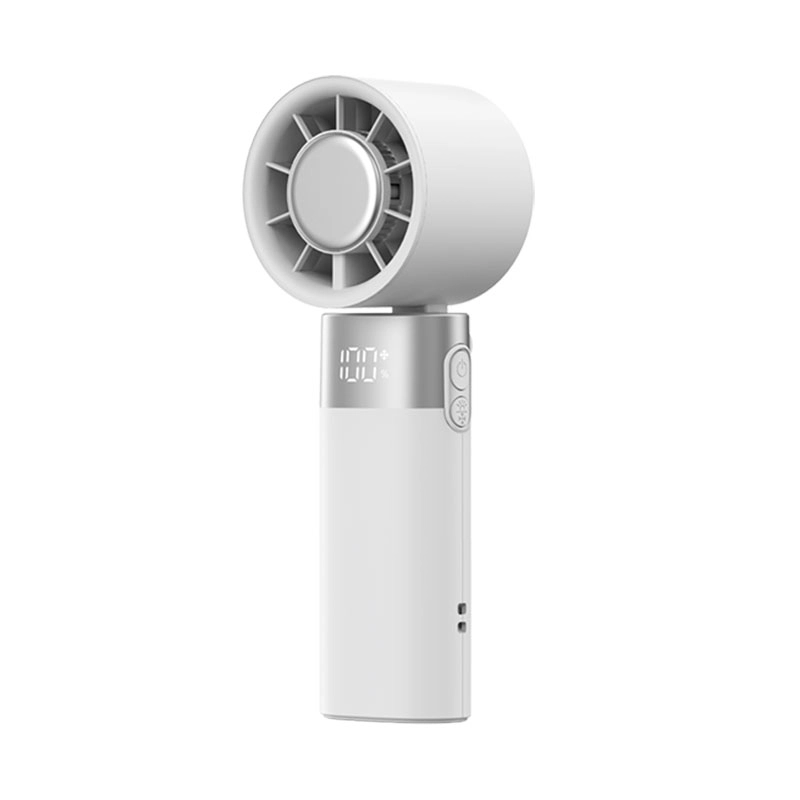
Reliable Handheld Cooling Solution for Bulk & Corporate Purchases
This premium handheld fan is designed for high-frequency, large-volume usage, making it an ideal cooling solution for corporate procurement, promotional distribution, employee welfare programs, and retail wholesale.
With stable airflow performance, a rechargeable design, and lightweight portability, it helps businesses deliver practical comfort products with strong perceived value while maintaining cost efficiency and supply reliability.
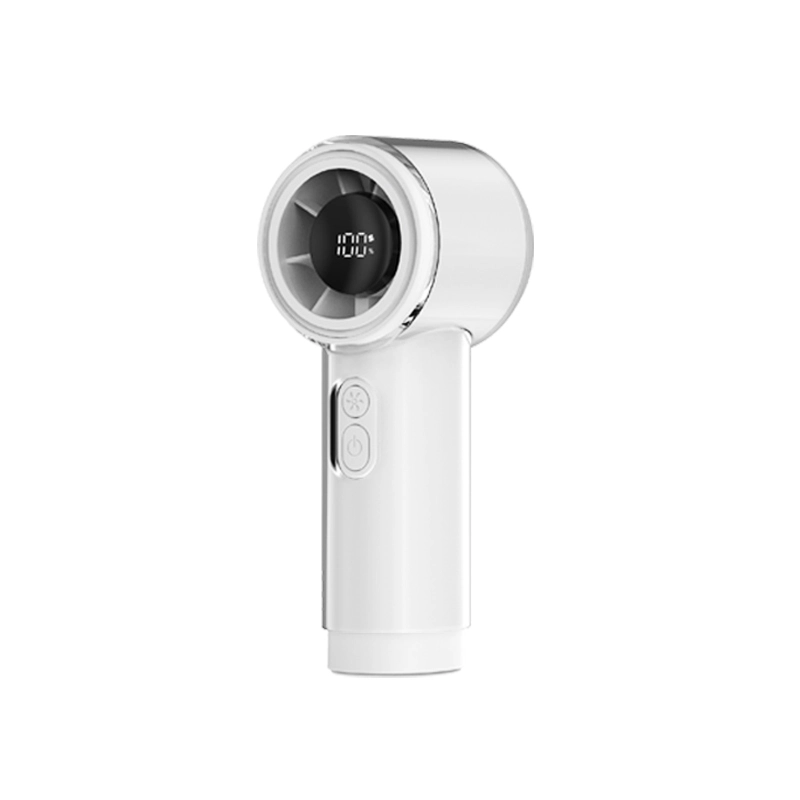
Customizable High-Speed Portable Handheld Fan FS2663
This is a high-speed, long-lasting, personalized, custom, portable cooling product specially designed for gift purchasers, cross-border e-commerce sellers, and OEM/ODM cooperation enterprises. It features (1) strong wind speed, (2) lightweight portability, (3) transparent shell design, (4) convenient carrying with a hand rope, and (5) long battery life. It helps enterprises enhance brand exposure, product differentiation competitiveness, and customer repeat purchase rate.
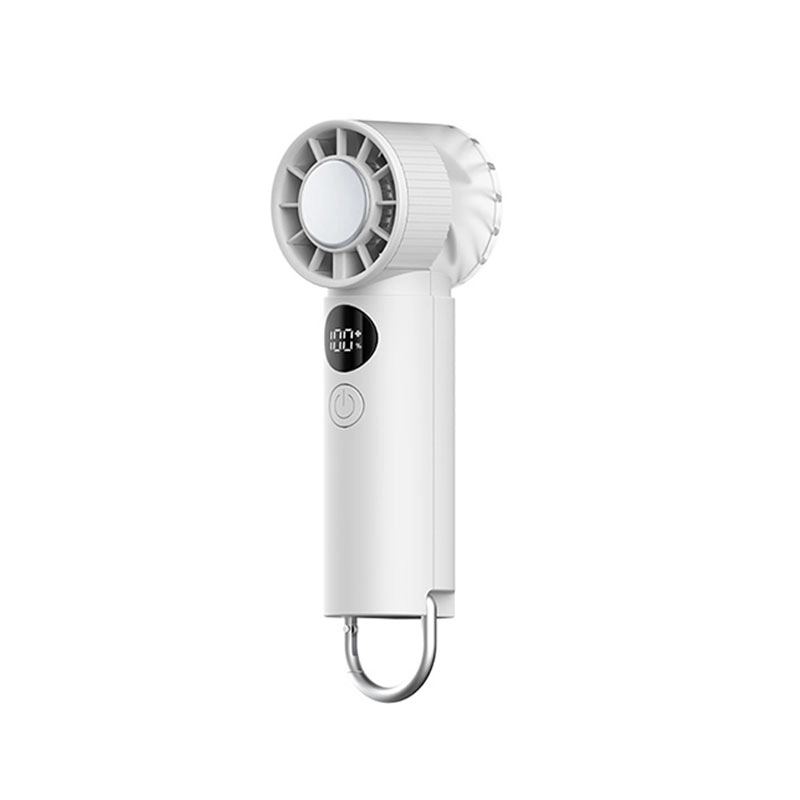
Customizable lightweight mini handheld cooling fan (with climbing hook) FS2666
A portable cooling and personalized customization product specially designed for commuters, students, the gift customization industry, and OEM/ODM buyers. It features (1) lightweight and easy portability, (2) a climbing buckle, and (3) semiconductor cooling.
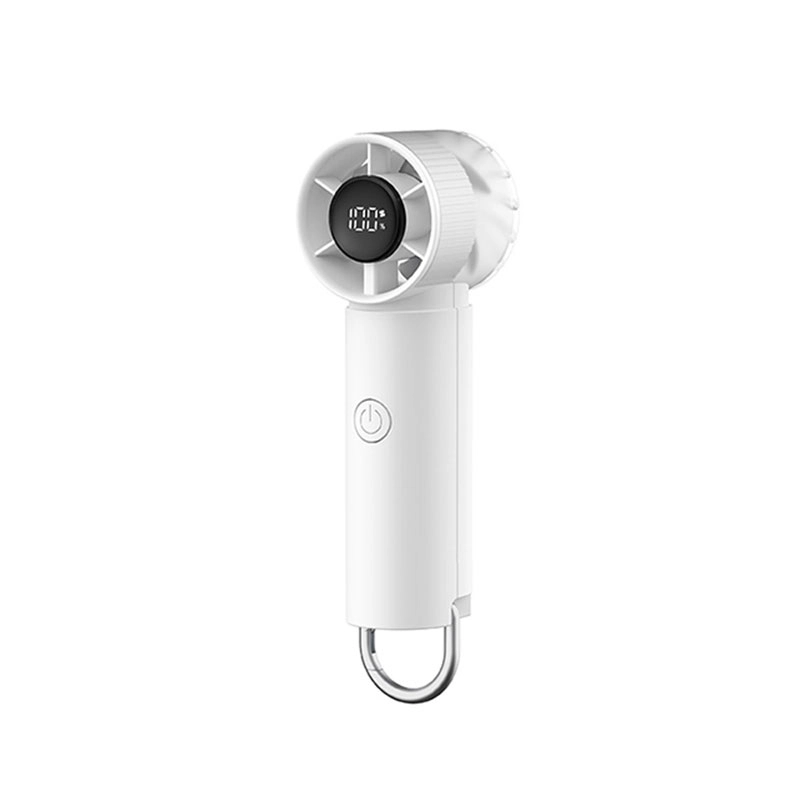
Customizable lightweight mini handheld cooling fan (with climbing hook) FS2667
This is a lightweight and portable + personalized customization product specially designed for commuters, students, the gift customization industry, and OEM/ODM buyers. It features (1) lightweight and easy portability, (2) a climbing buckle, and (3) a semi-transparent air duct design.
Start Your Custom Handheld Fans Manufacturing Project Today
If you have any comments or good suggestions, please leave us a message; later our professional staff will contact you as soon as possible.
Contact


4th Floor, Building 3, Jurong Industrial Park, No. 27-1-1, Fu'an Industrial Zone,Leliu Town (Pancun), Shunde District, Foshan City, Guangdong Province
 Scan QR Code
YouTube
Twitter
Facebook