






Can handheld electric fans be used outdoors? | Insights by RYW
- 1) Can handheld electric fans survive sudden rain or splashes when used outdoors?
- 2) How do battery capacity and power affect cooling performance outdoors in high temperatures?
- 3) Which motor types and blade designs produce useful outdoor airflow (CFM) despite ambient wind?
- 4) Are handheld fans effective in humid outdoor climates, or do they make you feel hotter?
- 5) How do you maintain and clean a handheld fan used around dust, sand, or salt air to prevent damage?
- 6) What safety, certification, and transport rules should buyers consider for outdoor/portable handheld fans?
1) Can handheld electric fans survive sudden rain or splashes when used outdoors?
Not all handheld fans are built the same for wet conditions. Check the product's IP rating (IEC 60529): the first digit refers to dust protection and the second to water protection. For outdoor splash resistance you want at least IPX4 (splash-proof from any direction). If you need protection from heavy spray or jets, look for IPX5–IPX6. For full short-term immersion (rare for handheld fans) you need IP67. For protection against solids like sand, the first digit must be 6 (IP6x) for dust-tight performance.
Practical advice: if you plan to use a handheld fan at the beach, poolside, or during light rain, choose a model explicitly labeled water-resistant (IPX4+) and made with corrosion-resistant materials (stainless screws, sealed ports). Do not rely on silicone covers alone unless the manufacturer lists the IP rating. After any exposure to salt spray, rinse the fan with fresh water and dry it completely — salt accelerates corrosion.
2) How do battery capacity and power affect cooling performance outdoors in high temperatures?
Battery capacity (mAh) and nominal voltage determine stored energy in Wh (watt-hours): Wh = (mAh / 1000) × V (typically 3.7V for single-cell Li-ion). For example, a 2,000 mAh single cell ≈ 7.4 Wh. Higher-capacity packs run longer but can add weight. Cooling performance depends primarily on airflow (CFM) and motor power (W). Small pocket fans often draw 2–5 W; higher-performance handheld fans draw 5–15 W.
Typical real-world ranges: compact pocket fans (≈1,000–2,000 mAh) often run 6–20 hours on low and 1–4 hours on high. Medium handheld fans (2,000–4,000 mAh) commonly run 8–24 hours low and 2–8 hours high. These are general ranges because actual run time depends on fan efficiency (brushless motors run longer per Wh) and the chosen speed setting.
Recommendation: if you need all-day outdoor use in heat (events, hiking, work), prioritize battery capacity (≥3,000 mAh) plus a brushless motor for efficiency. If weight matters more (pocket portability), choose a smaller battery and accept shorter high-speed run times. Look at listed CFM or airflow curves rather than just battery size — a fan with a larger battery but inefficient motor can still underperform.
3) Which motor types and blade designs produce useful outdoor airflow (CFM) despite ambient wind?
Motor type matters. Brushless DC (BLDC) motors are more energy-efficient, produce higher sustained RPMs, and have longer service life than brushed motors. That efficiency translates to better airflow per watt. Blade and guard design also affect useful airflow: deeper blade pitch, larger diameter, and aerodynamic shrouds concentrate airflow and increase effective CFM.
Practical CFM guidance: small pocket fans typically generate 5–30 CFM; larger palm/handheld units often produce 30–100+ CFM. For outdoor use where there may be ambient wind or you need immediate perceptible cooling, aim for a handheld fan with 30–60 CFM at mid speed or higher. For professional or long-distance personal cooling (e.g., on a hot worksite) select models rated toward the higher end (80–150 CFM) and with brushless motors.
Note: manufacturers may report peak CFM in lab conditions; look for user reviews and measured performance where possible. A fan that directs airflow (a nozzle or shroud) typically feels stronger than an unshrouded design with the same reported CFM.
4) Are handheld fans effective in humid outdoor climates, or do they make you feel hotter?
Handheld fans cool you primarily by increasing convective heat loss and enhancing evaporation of sweat. In dry climates this is highly effective: moving air increases evaporation rate and produces a significant cool sensation. In very humid conditions (relative humidity > 70–75%), evaporation is limited, so the cooling benefit of a fan is reduced. At extreme humidity, fans can circulate hot, moist air and provide less relief; however, they still help improve airflow and comfort compared with stagnant air.
Practical tips: in humid environments pair a fan with evaporative cooling accessories only if humidity is moderate — evaporative coolers (wet scarves) work best below ~60% RH. Otherwise, focus on increasing airflow (higher CFM) and using shaded areas. Fans with multiple speed settings let you boost airflow when humidity reduces perceived cooling. For outdoor workers in humid heat, combine fans with hydration, scheduling, and shade to reduce heat stress (fans are a comfort aid, not a replacement for heat-stress controls).
5) How do you maintain and clean a handheld fan used around dust, sand, or salt air to prevent damage?
Regular cleaning prevents performance loss and corrosion. For dust/sand exposure: remove loose particles by blowing compressed air (low pressure) through the intake and around the guard, then gently brush blades and motor housing. Avoid opening sealed housings unless a qualified technician services the unit — most consumer fans are not user-serviceable beyond exterior cleaning.
For salt-air exposure (beach): rinse the exterior with fresh water, then dry immediately. Salt promotes corrosion of metal contacts and bearings. If the fan lists an IP6x/6x rating, it has dust protection; if it also lists an IPx5/6/7 rating, it’s safer for maritime environments. Lubrication: sealed bearings in quality brushless motors typically do not require relubrication. Replace worn USB port covers and check seals regularly. Store the fan in a dry bag or case when not in use.
6) What safety, certification, and transport rules should buyers consider for outdoor/portable handheld fans?
Batteries: most handheld fans use lithium-ion cells. For air travel and shipping, follow battery regulations. The FAA allows most consumer lithium-ion batteries under 100 Wh in carry-on luggage (spare batteries must be carry-on). Handheld fan batteries are typically well under this limit (e.g., 2,000–5,000 mAh single cells ≈ 7.4–18.5 Wh), but always check the battery label and airline policy. For shipping commercially, lithium batteries must meet UN38.3 testing.
Certifications: look for safety marks appropriate to your market (UL/ETL for North America, CE for Europe, RoHS for restricted substances). UL or IEC safety testing indicates the product met defined electrical and thermal safety standards. For workplace or commercial procurement, request test reports or certificates from the supplier.
User safety: avoid obstructing the guard; keep fans away from children’s faces and hair; do not run if airflow is blocked for extended periods. Follow charger recommendations (use manufacturer-specified USB-C/charger specs) to avoid damaging the battery. For bulk or branded purchases, verify supplier traceability and request manufacturer datasheets stating cell chemistry, capacity, and overcurrent/overtemperature protections.
Concluding summary: Handheld electric fans are a practical, portable cooling solution outdoors when you match device features to conditions. Choose IP-rated and corrosion-resistant models for wet or salty environments, prioritize battery capacity and brushless motors for extended high-temperature use, select proven airflow (CFM) and shroud designs for effective cooling in outdoor wind, and maintain devices after dust/sand exposure. Ensure batteries meet airline and transport rules and buy fans with recognized safety certifications for peace of mind. Advantages include lightweight portable cooling, low power consumption compared with larger cooling systems, targeted airflow for personal comfort, and flexibility across outdoor activities.
For custom orders, product specifications, or bulk quotes, contact us at www.rywlife.com or adrian@rywlife.com.
Contacts
WhatsApp/Phone
You May Also Like
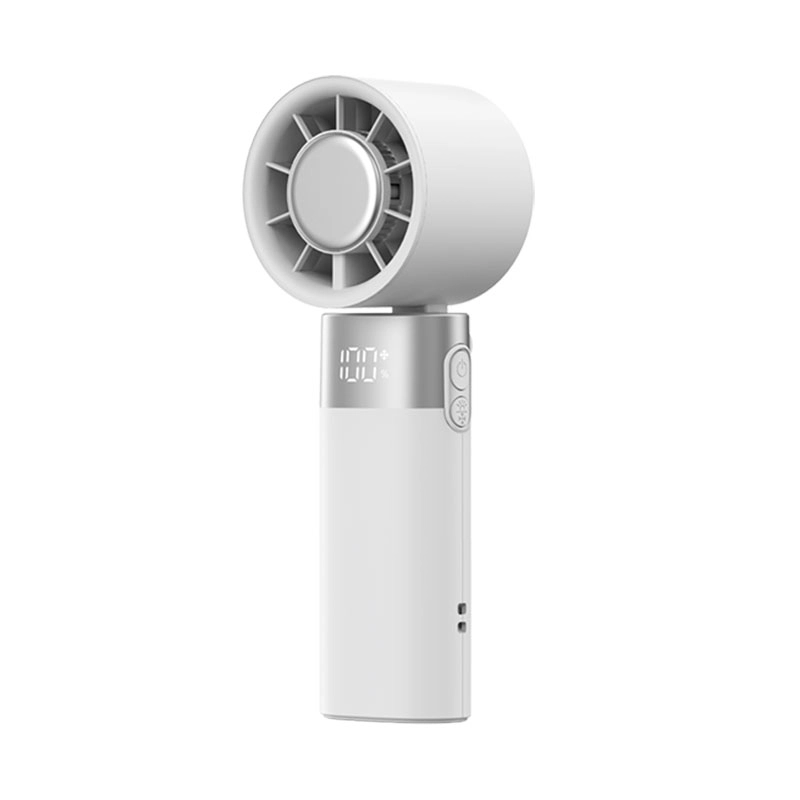
Reliable Handheld Cooling Solution for Bulk & Corporate Purchases
This premium handheld fan is designed for high-frequency, large-volume usage, making it an ideal cooling solution for corporate procurement, promotional distribution, employee welfare programs, and retail wholesale.
With stable airflow performance, a rechargeable design, and lightweight portability, it helps businesses deliver practical comfort products with strong perceived value while maintaining cost efficiency and supply reliability.
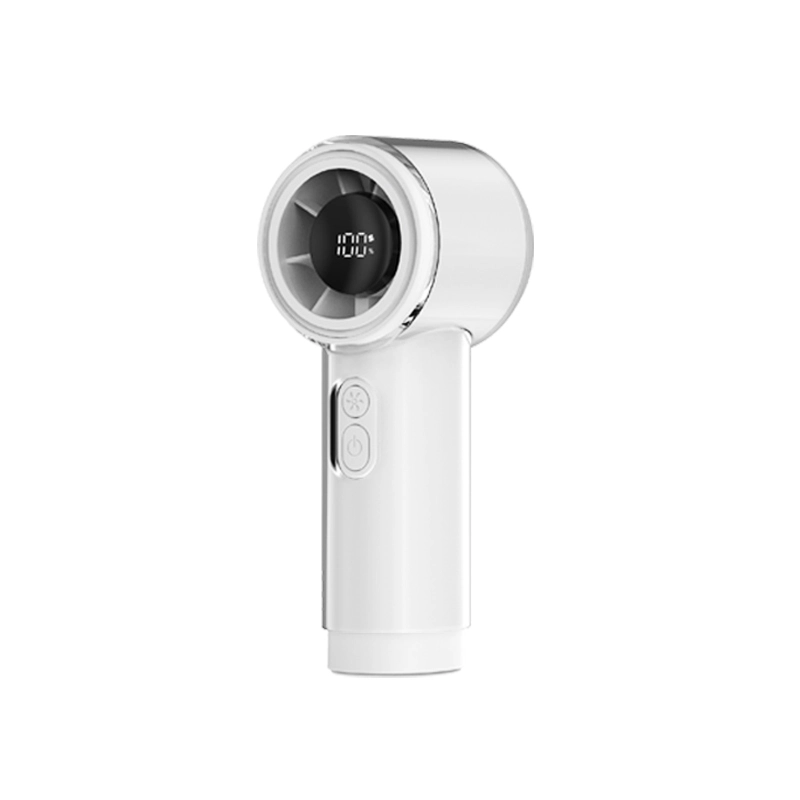
Customizable High-Speed Portable Handheld Fan FS2663
This is a high-speed, long-lasting, personalized, custom, portable cooling product specially designed for gift purchasers, cross-border e-commerce sellers, and OEM/ODM cooperation enterprises. It features (1) strong wind speed, (2) lightweight portability, (3) transparent shell design, (4) convenient carrying with a hand rope, and (5) long battery life. It helps enterprises enhance brand exposure, product differentiation competitiveness, and customer repeat purchase rate.
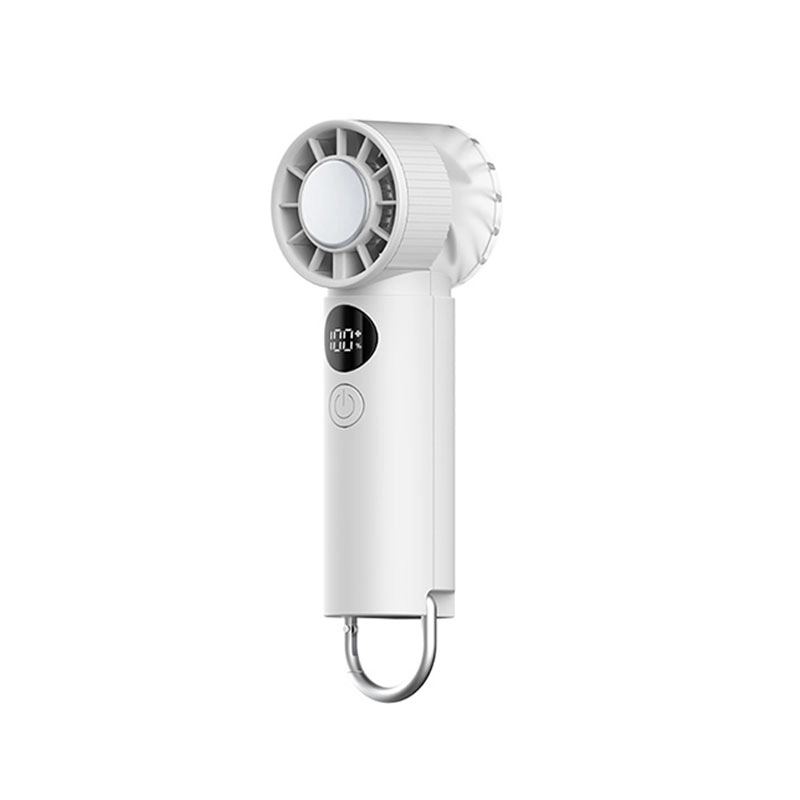
Customizable lightweight mini handheld cooling fan (with climbing hook) FS2666
A portable cooling and personalized customization product specially designed for commuters, students, the gift customization industry, and OEM/ODM buyers. It features (1) lightweight and easy portability, (2) a climbing buckle, and (3) semiconductor cooling.
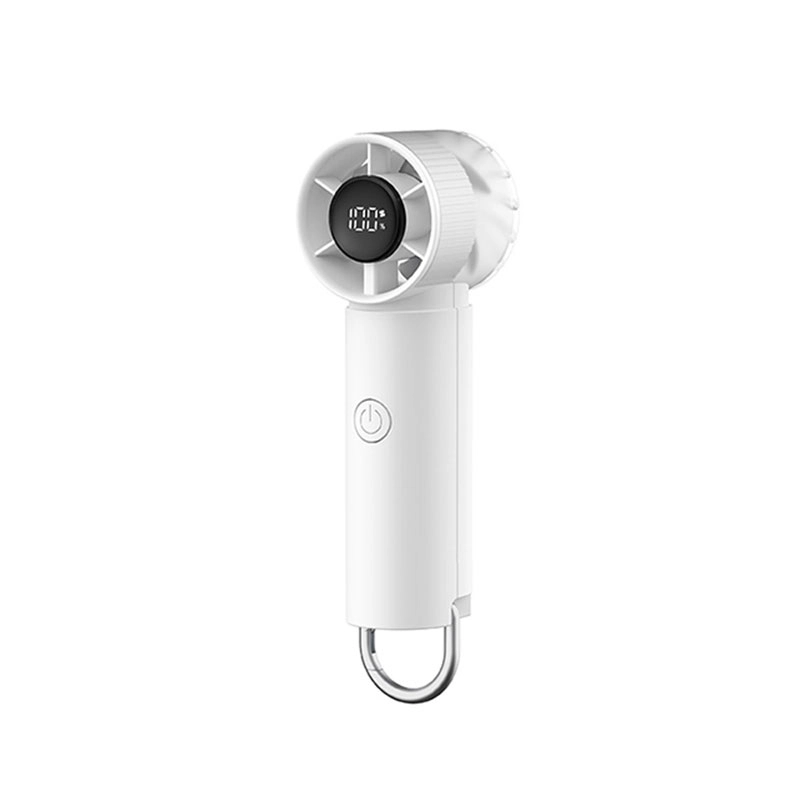
Customizable lightweight mini handheld cooling fan (with climbing hook) FS2667
This is a lightweight and portable + personalized customization product specially designed for commuters, students, the gift customization industry, and OEM/ODM buyers. It features (1) lightweight and easy portability, (2) a climbing buckle, and (3) a semi-transparent air duct design.
Start Your Custom Handheld Fans Manufacturing Project Today
If you have any comments or good suggestions, please leave us a message; later our professional staff will contact you as soon as possible.
Contact


4th Floor, Building 3, Jurong Industrial Park, No. 27-1-1, Fu'an Industrial Zone,Leliu Town (Pancun), Shunde District, Foshan City, Guangdong Province
 Scan QR Code
YouTube
Twitter
Facebook