






How to get a quote from multiple rechargeable fan manufacturers? | Insights by RYW
- 1. How do I build a standardized RFQ template for rechargeable handheld fans so quotes are directly comparable?
- 2. What BOM cost drivers should I ask manufacturers to itemize so I can spot negotiation levers?
- 3. How can I pre‑verify battery and shipping compliance (UN38.3, CE, RoHS) so quotes reflect real deliverability?
- 4. How do I calculate and amortize customization and tooling fees (branding, molds, custom packaging) across MOQs so quotes reflect true landed cost?
- 5. What payment terms, Incoterms, and QC clauses should I require in supplier quotations to minimize financial and quality risk?
- 6. How should I run sample orders and pilot runs to validate capacity, quality consistency, and get accurate mass production quotes?
1. How do I build a standardized RFQ template for rechargeable handheld fans so quotes are directly comparable?
Problem: Suppliers return inconsistent quotes with missing details, making apples‑to‑apples comparison impossible. Solution: prepare a one‑page RFQ (Request for Quotation) that forces vendors to supply the exact data fields you need. Include the following fields and a short example so vendors reply in your format.
- Product name and SKU (e.g., Handheld Rechargeable Fan – Model HDF‑01)
- Detailed specifications: dimensions, net/gross weight, fan speed levels, motor type (brushless/DC), blade material, IP rating, battery type and capacity (e.g., Li‑ion 4000 mAh), charging method (USB‑C), noise target (dB), and LED/lighting if any
- Required certifications: UN38.3, CE, RoHS, FCC (list the markets)
- MOQ and price breaks: request unit price at 100/300/500/1000 units
- Sample policy: sample price, sample lead time, return of sample cost, and who pays sample shipping
- Tooling/plate fees or mold costs (state amortization terms)
- Packing details: inner box size/pcs, master carton: units per carton, carton dimensions, gross weight
- Lead time for mass production and capacity (units/day or month)
- Incoterm preference (EXW/FOB/CIF/DDP), payment terms, and warranty terms
- Factory audit and third‑party inspection willingness
Practical tip: provide a downloadable Excel RFQ with cells that restrict answers (dropdowns for battery type, checkboxes for certifications). That reduces ambiguous replies and speeds up decision‑making.
2. What BOM cost drivers should I ask manufacturers to itemize so I can spot negotiation levers?
Problem: Quoted unit prices hide large internal variances—buyers can’t tell if the motor or battery is inflating costs. Remedy: Require a Bill of Materials (BOM) or cost breakdown in three tiers so you can analyze where to optimize.
- Tier 1 – Major components with unit cost: battery cell (specify chemistry and capacity), motor (brushed vs brushless), PCB/MCU, housing (ABS/PC/PP), fan blades, charging port (USB‑C), and cable
- Tier 2 – Indirect manufacturing costs: assembly labor per unit, firmware loading, functional testing, calibration, and burn‑in time
- Tier 3 – One‑time and overhead: tooling/mold cost (total and unit amortization at MOQ), fixture costs, packaging artwork setup, and freight estimate
How to use it: compare battery and motor line items across vendors first—these often account for 40–60% of incremental cost for rechargeable fans. Ask suppliers for alternatives (lower‑cost cell, different motor supplier) and get a re‑quoted BOM to see exact savings. Request price‑break tables so you can model amortized tooling cost per unit at different MOQs.
3. How can I pre‑verify battery and shipping compliance (UN38.3, CE, RoHS) so quotes reflect real deliverability?
Problem: Some factories quote attractive unit prices but don’t include battery certifications or don’t handle dangerous‑goods compliance, causing shipment rejections or fines. Action steps to verify compliance before committing:
- Request certificate scans and lab reports: UN38.3 test report for the specific battery cell used, CE declaration of conformity for finished product, RoHS test report for restricted substances, and EMC/FCC reports if selling to US/EU.
- Confirm the battery manufacturer and cell part number (not just Li‑ion). Cross‑check the cell manufacturer’s published UN38.3 and capacity specs. If the vendor uses third‑party pouch or prismatic cells, ask for supplier traceability.
- Check shipping competence: ask whether the factory is registered with a dangerous goods forwarder and can provide an IATA/IMDG‑compliant packing declaration and proper labeling (e.g., UN markings and handling labels).
- Audit questions: does the factory perform cell level incoming QC, batching and date‑code control, and automated cell balancing during pack assembly? If they can’t demonstrate these controls, build in additional QA or choose a supplier that does.
Consequence: quoting should explicitly state whether certification costs are included and who pays for retesting. If a supplier omits these items, factor in the cost of third‑party testing (UN38.3 and CE/EMC retest costs typically range by test lab and complexity) and dangerous‑goods handling fees when comparing quotes.
4. How do I calculate and amortize customization and tooling fees (branding, molds, custom packaging) across MOQs so quotes reflect true landed cost?
Problem: Buyers accept a low unit price but get hit later by mold fees, custom injection tooling, or artwork setup. Use this approach to model true cost per unit.
- List every one‑time cost: mold/tooling, injection‑tool modification, custom PCB stencil/programming, printing plates for packaging, UPC/label setup, and firmware customization labor.
- Ask the supplier to provide total one‑time cost and propose amortization scenarios: e.g., cost amortized over 500 / 1,000 / 5,000 units. Require them to show the per‑unit amortization in the quote table.
- For custom colors or finishes, confirm whether they use masterbatch (no extra tooling) or a new mold insert (tool cost). Also request a definition of color tolerance and Pantone matching procedure and sample approvals.
- Packaging: request printed box die‑line cost, minimum print run, and unit packaging cost at your chosen MOQ.
Decision rule: if tooling is high and your purchase volume is low, negotiate either (a) higher unit price with zero tooling or (b) ask the supplier to share tooling cost with staged purchases. Alternatively, consider minor design changes that use existing molds (ODM) to avoid tooling entirely.
5. What payment terms, Incoterms, and QC clauses should I require in supplier quotations to minimize financial and quality risk?
Problem: Ambiguous payment terms and QC processes lead to disputes and late or defective shipments. Standardize these in written quotations:
- Payment terms: common market practice is 30% deposit with order, 70% before shipping (T/T). For new suppliers, use escrow, third‑party payment guarantees (Alibaba Trade Assurance), or a confirmed irrevocable L/C for larger orders. Avoid upfront 100% payment.
- Incoterms: define responsibility clearly—FOB (factory loads vessel) is common; DDP (delivered duty paid) shifts more risk to supplier but increases their price. Decide which you need and require quotes on at least two Incoterms for comparison (EXW/FOB and DDP).
- Quality clauses to include in the quote: acceptance criteria (AQL 2.5 for major defects), sample approval process, failure remedies (repair, rework, or replacement), and warranty duration (e.g., 12 months for workmanship and battery). Require pre‑shipment inspection availability and specify who pays for rework after failed inspections.
- Lead time and penalty clauses: ideally specify expected lead time and a late‑delivery penalty or a partial refund schedule if the supplier misses ship dates attributable to them.
Practical checklist: embed these terms into your purchase order template and ensure the supplier initials or signs each key clause before production begins. This prevents surprises and provides contractual leverage if problems arise.
6. How should I run sample orders and pilot runs to validate capacity, quality consistency, and get accurate mass production quotes?
Problem: Suppliers deliver good one‑off samples but fail at scale. Use samples and pilot runs strategically:
- Sample types: request a finance sample (prototyping), a production sample built on the factory line (pre‑production sample), and a QC checklist sample showing serial numbers, test logs, and battery batch codes.
- Sample evaluation: perform full function tests—run time at each speed, battery charge/discharge cycles, USB charging temperature, motor noise, drop test, and IP test if claimed. Use a lab for EMC testing if you plan to sell in regulated markets.
- Pilot run: before full production, order a pilot batch sized to stress factory processes (typically 2–5% of intended PO). This validates assembly, labeling, packaging, and logistics flow. Require the supplier to treat these units as in‑line production with normal QC and record all nonconformances.
- Capacity verification: ask for documented monthly capacity per model (units/day and maximum simultaneous lines) and recent production records. If possible, perform or commission a factory audit to check workforce stability, equipment redundancy, and buffer inventory for key parts like motors and cells.
- Use outcomes to refine quotes: after pilot, request a final mass production quote that incorporates real cycle times, scrap rates, and packing confirmed during the pilot. You want to avoid quotes that assume ideal yields.
Inspection & acceptance: hire a reputable third‑party inspection (SGS, Bureau Veritas, or local QC firms) to run AQL checks at midline and pre‑shipment. Settle for nothing less than documented test reports and photos for each shipment.
Conclusion: Comparing multiple rechargeable fan manufacturers using a standardized RFQ, BOM‑level cost analysis, verified battery certifications, clear tooling amortization, firm payment/Incoterm/QC clauses, and staged sampling/pilot runs reduces risk, speeds sourcing decisions, and uncovers real cost savings. This structured process helps you pick a supplier that can deliver compliant, cost‑effective handheld fans at scale with predictable lead times and warranty support.
Advantages of using this multi‑vendor quoting process include improved price transparency, faster supplier selection, lower regulatory risk, clearer timelines, and better leverage for negotiation—resulting in lower landed cost and fewer post‑shipment issues.
Contact us to request a standardized RFQ template or get a comparative quote from multiple rechargeable fan manufacturers: www.rywlife.com or email adrian@rywlife.com
Contacts
WhatsApp/Phone
You May Also Like
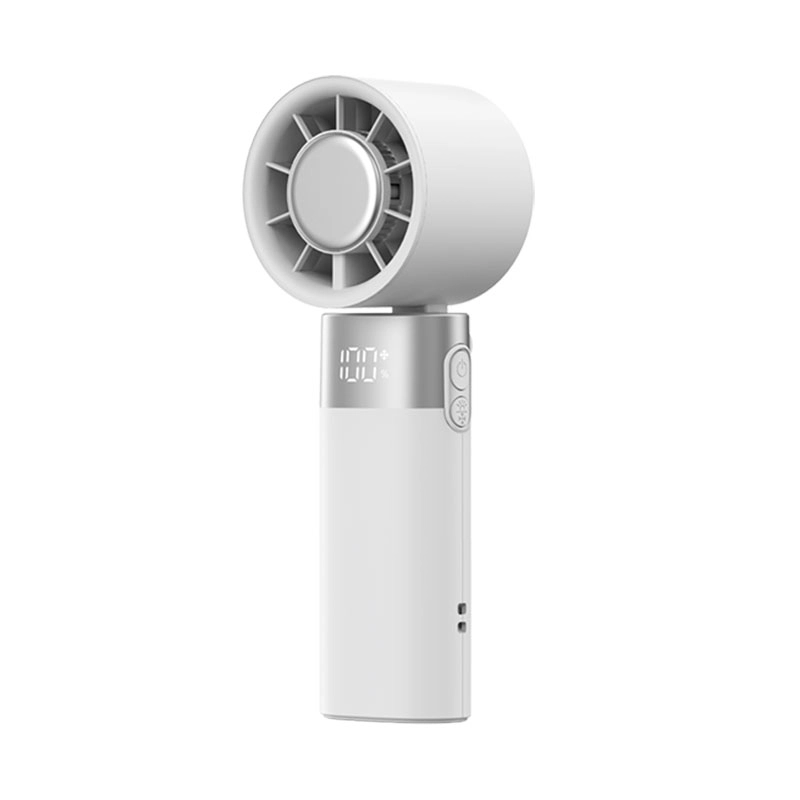
Reliable Handheld Cooling Solution for Bulk & Corporate Purchases
This premium handheld fan is designed for high-frequency, large-volume usage, making it an ideal cooling solution for corporate procurement, promotional distribution, employee welfare programs, and retail wholesale.
With stable airflow performance, a rechargeable design, and lightweight portability, it helps businesses deliver practical comfort products with strong perceived value while maintaining cost efficiency and supply reliability.
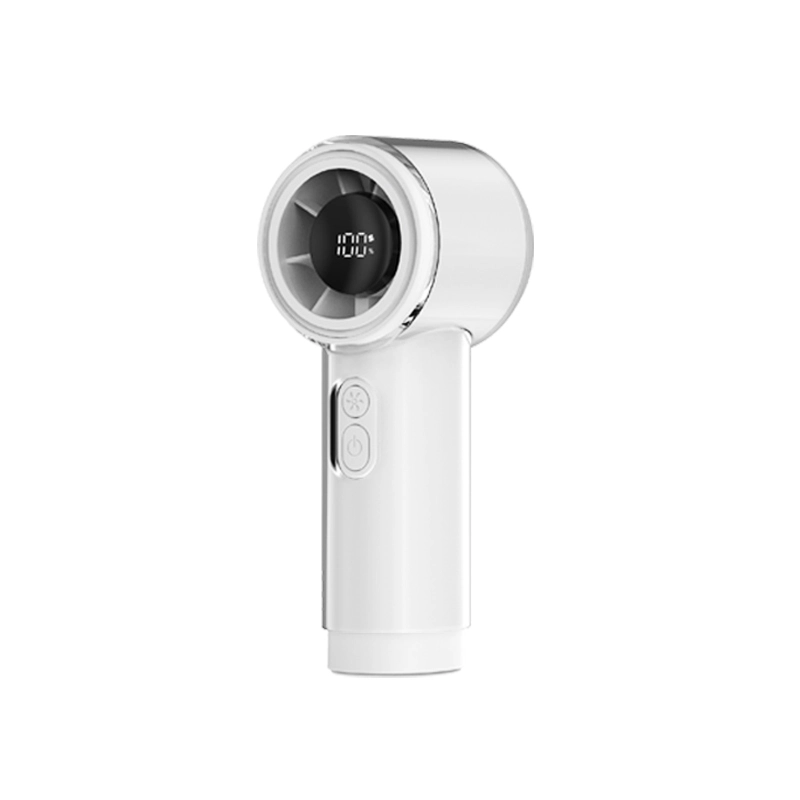
Customizable High-Speed Portable Handheld Fan FS2663
This is a high-speed, long-lasting, personalized, custom, portable cooling product specially designed for gift purchasers, cross-border e-commerce sellers, and OEM/ODM cooperation enterprises. It features (1) strong wind speed, (2) lightweight portability, (3) transparent shell design, (4) convenient carrying with a hand rope, and (5) long battery life. It helps enterprises enhance brand exposure, product differentiation competitiveness, and customer repeat purchase rate.
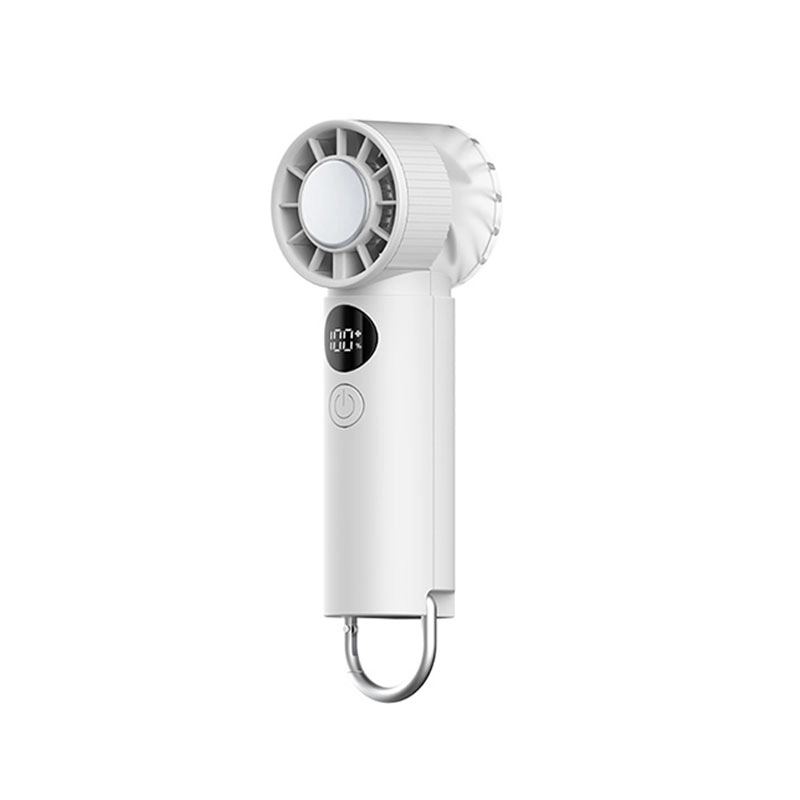
Customizable lightweight mini handheld cooling fan (with climbing hook) FS2666
A portable cooling and personalized customization product specially designed for commuters, students, the gift customization industry, and OEM/ODM buyers. It features (1) lightweight and easy portability, (2) a climbing buckle, and (3) semiconductor cooling.
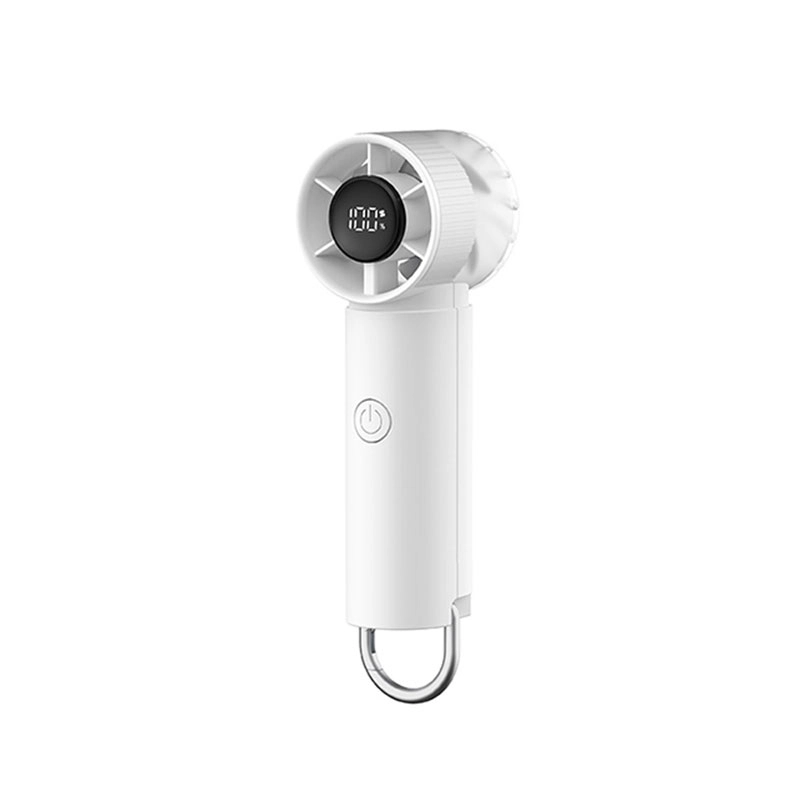
Customizable lightweight mini handheld cooling fan (with climbing hook) FS2667
This is a lightweight and portable + personalized customization product specially designed for commuters, students, the gift customization industry, and OEM/ODM buyers. It features (1) lightweight and easy portability, (2) a climbing buckle, and (3) a semi-transparent air duct design.
Start Your Custom Handheld Fans Manufacturing Project Today
If you have any comments or good suggestions, please leave us a message; later our professional staff will contact you as soon as possible.
Contact


4th Floor, Building 3, Jurong Industrial Park, No. 27-1-1, Fu'an Industrial Zone,Leliu Town (Pancun), Shunde District, Foshan City, Guangdong Province
 Scan QR Code
YouTube
Twitter
Facebook