






What are FOB and CIF prices for rechargeable fan shipments? | Insights by RYW
- 1. How do I convert a supplier's FOB price into an accurate CIF/landed cost for rechargeable fans shipped to my port (step-by-step)?
- 2. What hidden charges typically make the CIF price much higher than the quoted FOB for rechargeable fans, and how can I estimate or avoid them?
- 3. How does lithium-battery classification and IATA/IMDG dangerous-goods rules change FOB vs CIF pricing for rechargeable fans shipped by sea or air?
- 4. For small-volume rechargeable fan orders (1–10 cartons), is FOB or CIF typically cheaper and how can I lower landed cost?
- 5. How do I obtain comparable FOB and CIF quotes from suppliers and freight forwarders so I can negotiate a fair unit price for rechargeable fans?
- 6. How do carton dimensions, packing density, and export packaging choices impact FOB and CIF prices for rechargeable fans, and what packing options minimize cost?
- Conclusion: Advantages of understanding FOB vs CIF for rechargeable fan procurement
FOB and CIF Prices for Rechargeable Fan Shipments: A Practical Guide
This guide answers six specific, often-missing questions beginners face when buying rechargeable handheld/portable fans from overseas suppliers. It integrates Incoterms (FOB/CIF) best practice, battery hazardous-goods considerations, freight and insurance mechanics, and practical checklists to produce reliable landed-costs for decision-making.
1. How do I convert a supplier's FOB price into an accurate CIF/landed cost for rechargeable fans shipped to my port (step-by-step)?
Why this matters: Suppliers often quote ex-works or FOB; buyers need CIF or landed cost to compare offers and set retail margins. Converting correctly avoids underestimating final costs.
Step-by-step approach (use real quotes at each step):
- Confirm the FOB basis: get the exact FOB port (e.g., FOB Shenzhen Port) and INCOTERMS version (Incoterms 2020 is the industry standard).
- Collect product packing info from supplier: units per carton, carton dimensions (L×W×H in cm), gross weight per carton (kg), cartons per 20ft/40ft, and product unit EXW/FOB price.
- Calculate cargo volume (CBM) and verify volumetric weight: CBM = (L×W×H cm × carton count) / 1,000,000. For air/express use dimensional weight rules from the carrier; for sea use CBM.
- Request freight quotes (freight forwarder or carrier) for the exact shipment: get FCL (20ft/40ft) and LCL (consolidation) quotes to your destination port. Freight equals cost to move goods from seller’s loading port to destination port.
- Obtain marine cargo insurance quote or apply a market rate: insurance under CIF is usually arranged by the seller but can be separately quoted by insurers. Typical cargo insurance High Qualitys vary by route, risk, and coverage; ask for a High Quality in percentage of CIF value.
- Estimate destination port charges (THC, terminal handling, local delivery, customs clearance, duties, VAT/GST): consult your customs broker or freight forwarder. Duties depend on HS code and local tariff schedule.
- Compute landed cost formula: Landed cost = FOB price + International freight + Insurance + Destination port charges + Customs duties + Import taxes (VAT/GST) + Inland delivery to your warehouse.
Example (hypothetical): FOB value = $1,200; Freight = $300; Insurance = $6 (0.5% of CIF); Destination charges + customs clearance = $200; Duties = 6% of CIF. Then adjust commercial invoice values accordingly. Always replace example numbers with live quotes.
Sources & authority: Use ICC Incoterms 2020 for definitions and consult your freight forwarder and customs broker for live freight, THC, and duty rates. This stepwise method is a standard procurement practice in global trade.
2. What hidden charges typically make the CIF price much higher than the quoted FOB for rechargeable fans, and how can I estimate or avoid them?
Why this matters: Unexpected fees destroy margins. Small items like handheld fans are susceptible to inspection fees, battery surcharges, and minimum handling charges that dramatically increase landed cost on small orders.
Common hidden charges and how to estimate/avoid them:
- Battery (DGR) surcharges — lithium-ion batteries trigger Dangerous Goods handling and documentation fees. Ask supplier whether batteries are packed inside equipment or shipped separately, and whether cells meet UN 38.3 test certification. Obtain the specific DGR surcharge from carriers or forwarders for sea/air; for air these fees are usually much higher and require IATA-compliant packaging and documentation.
- Minimum freight and LTL/LCL surcharges — carriers apply minimum chargeable weight or cubic minimums on small shipments. For small-volume buyers, LCL consolidation can cost more per unit than FCL. Request LCL minimums and compare to the per-unit cost of a full container (FCL).
- Terminal handling charges (THC), documentation fees, and AMS/ISF filing — these are applied at both origin and destination; get a breakdown from the forwarder and include them in your landed cost.
- Customs inspection, fumigation or testing fees — random inspections, battery safety testing or retail compliance tests (CE/ROHS/REACH) may incur fees and hold cargo. Ask the supplier for compliance certificates to reduce inspection probability and budget a contingency (typically 0.5–2% of FOB for small importers).
- Currency fluctuation and payment bank fees — if FOB is quoted in USD but you pay in RMB, FX swings or bank charges can affect cost. Use hedging or fixed-payment terms if exposure is material.
- Documentation mistakes and non-compliant invoices — inaccurate HS codes or misdeclared battery content can trigger fines/delays. Use a broker to pre-validate paperwork.
Mitigation checklist: require UN38.3 battery certificates, ask suppliers for standard packing list and commercial invoice templates, get a full forwarder quote (including origin THC and destination clearance), and compare both FOB-included costs and an option where supplier quotes CIF to your port.
3. How does lithium-battery classification and IATA/IMDG dangerous-goods rules change FOB vs CIF pricing for rechargeable fans shipped by sea or air?
Why this matters: Rechargeable fans usually contain lithium-ion or lithium-polymer cells. These batteries are regulated and affect shipping mode, price, and documentation obligations.
Key impacts:
- Mode of transport: air freight has stricter limits and higher costs for lithium batteries (IATA DGR). Many forwarders will restrict air carriage or apply large DGR surcharges. Sea freight (IMDG) is comparatively more flexible but still requires DG documentation and sometimes special packing/stowage that increases costs.
- Additional packaging and certificates: UN38.3 testing, MSDS (Material Safety Data Sheet), and correct marking/labeling are required. Suppliers should provide test reports — absence increases inspection risk and potential shipment rejection.
- Insurance and carrier acceptance: carriers may charge higher insurance or refuse carriage without DG-compliant paperwork. Under CIF, the seller is responsible for arranging and paying insurance and freight to the destination port—confirm they use an insurer who covers DG cargo.
- Extra handling and terminal fees: DG cargo often attracts handling High Qualitys at terminals and specialized loading/securing. These fees show up as part of destination charges and can be several times higher than non-DG shipments.
Practical recommendations:
- Require the supplier to declare battery type, watt-hour (Wh) per cell or per battery pack, and provide UN38.3 and manufacturer declarations.
- Ask for sample airway bill or shipping instructions for both FOB and CIF options to compare how the supplier handles DG documentation and insurance coverage.
- For small buyers avoid air shipments with lithium-ion batteries unless essential; sea (FCL/LCL) tends to be more economical but still incurs DG handling fees.
Authority: IATA Dangerous Goods Regulations and the IMO/IMDG code define battery rules. Compliance prevents refused shipments and heavy fines.
4. For small-volume rechargeable fan orders (1–10 cartons), is FOB or CIF typically cheaper and how can I lower landed cost?
Why this matters: Small buyers often overpay because freight and handling minimums consume your margin. Choosing FOB vs CIF affects who contracts the freight and who can negotiate better rates.
Which is usually cheaper?
- FOB can be cheaper if you (or your forwarder) can consolidate multiple suppliers, secure better freight rates, or have discounted local inland delivery — but you must be able to manage or accept the complexity of international freight bookings, export documentation, and carrier deadlines.
- CIF is often easier for first-time importers because the seller arranges freight and insurance. However, CIF can hide higher freight markups if the supplier uses an elevated freight rate or low-coverage insurance. Small orders can see outsized markups because sellers add freight minimums.
How to lower landed cost for small orders:
- Use a freight forwarder who consolidates LCL shipments or offers groupage rates. Ask for an FOB-collect option—supplier loads goods on board under FOB, then you arrange outbound freight with your forwarder who can combine shipments to lower per-unit cost.
- Negotiate minimum charges: some suppliers will accept EXW plus buyer-arranged pickup if you offer a local freight partner.
- Time purchases to avoid peak seasons and high spot rates; reserve cargo space in advance where possible.
- Assess courier alternatives for very small parcels (DHL/UPS/FedEx) where door-to-door may be cheaper than formal LCL with multiple touchpoints, especially when battery regulations allow small parcel shipping.
Decision framework: if you have a reliable forwarder and plan repeat orders, FOB (with buyer-arranged freight) usually yields better long-term unit cost control. If you want a turnkey option and limited logistics experience, obtain several CIF quotes and validate the freight and insurance line items.
5. How do I obtain comparable FOB and CIF quotes from suppliers and freight forwarders so I can negotiate a fair unit price for rechargeable fans?
Why this matters: Suppliers can manipulate freight/insurance in CIF quotes to protect margins. Comparable quotes allow apples-to-apples negotiation.
Request this information from the supplier (for both FOB and CIF options):
- Exact Incoterm (FOB port name) and itemized commercial invoice example (unit price, total FOB, packaging details).
- Breakdown of CIF quote: freight cost, insurance cost, and any route-specific surcharges (DGR, remote port surcharges, bunker adjustment factor). Ask them to show carrier invoices or forwarder name if possible.
- Packing list and photos of packed cartons so you can verify CBM and weight when getting forwarder quotes.
Steps to get comparable quotes:
- With carton dimensions and weight, obtain at least two freight forwarder quotes for the same route and shipping terms for both FCL and LCL terminals. Ask them to quote origin THC, sea freight, destination THC, documentation fees, and inland delivery separately.
- Get independent insurance quotes for the stated CIF value so you can compare the seller's CIF insurance High Quality versus market rate.
- Have your customs broker estimate duties and VAT using the product HS code — this lets you compare the final landed cost for both FOB (buyer arranges freight) and CIF (seller arranges freight/insurance) scenarios.
- Ask suppliers to reduce FOB unit price if you take responsibility for international freight or request the CIF line items to be unbundled so you can validate each cost element.
Negotiation tip: Present your forwarder’s freight and insurance quotes to the supplier and request the same or better rates if they insist on CIF; suppliers often accept a small margin cut to secure volume.
6. How do carton dimensions, packing density, and export packaging choices impact FOB and CIF prices for rechargeable fans, and what packing options minimize cost?
Why this matters: For lightweight electronic products, dimensional volume (CBM) often drives sea freight costs and influences whether a carrier bills by weight or volume. Poor packing increases CBM and per-unit freight cost.
How packing affects cost:
- Loose packing (large protective foam, too-large cartons) increases CBM and thus freight per unit for sea LCL/FCL and air (dimensional weight). Always request supplier carton optimization.
- High protective packaging adds gross weight which increases freight and potential duty basis if duty is weight-based in some jurisdictions.
- Overpacking may also increase pallet count, moving an order from fitting a 40ft container to requiring an additional container, causing a step-change in cost per unit.
Cost-minimizing packing recommendations:
- Ask for package engineering: multi-unit trays or separators (cardboard inserts) instead of bulky foam to reduce CBM while protecting product.
- Request exact carton dimensions and gross weight for calculation before shipping—use these to get accurate freight quotes and avoid changed-bill adjustments.
- Negotiate palletization: uniform pallets with maximum allowable height reduce wasted space and lower handling charges.
- For small high-value orders consider anti-static non-bulk packaging and use courier for door-to-door if battery size allows; for larger volumes optimize cartons to fit container geometry (pallet configuration) to lower per-unit FCL cost.
Example optimization workflow: Supplier current packing = 10 units per carton, carton dims 60×40×30 cm. By redesigning to 12 units per carton and reducing carton height by 5 cm, CBM drops ~8% resulting in lower sea freight cost per unit and potentially fitting more cartons per pallet or container. Ask the supplier for package tests and weight/CBM updates before shipment.
Authority & practical note: Freight forwarders price by bill of lading measures (CBM) for sea and dimensional weight for air; accurate carton specs are essential to avoid reweighting charges.
Conclusion: Advantages of understanding FOB vs CIF for rechargeable fan procurement
Knowing the real differences between FOB and CIF and how each term affects battery handling, freight negotiation, insurance and destination charges empowers buyers to lower landed costs, reduce surprises, and select the best logistics mode for their order size and product risk profile. Use a qualified freight forwarder and customs broker to validate quotes, insist on complete battery and compliance documentation, and demand carton dimensions before finalizing prices. Properly converting FOB to CIF and landed cost is essential for correct pricing, healthy margins, and smooth customs clearance.
For a tailored quote or assistance converting your supplier FOB price into a full CIF and landed-cost calculation for rechargeable fans, contact us: www.rywlife.com or email adrian@rywlife.com.
Contacts
WhatsApp/Phone
You May Also Like
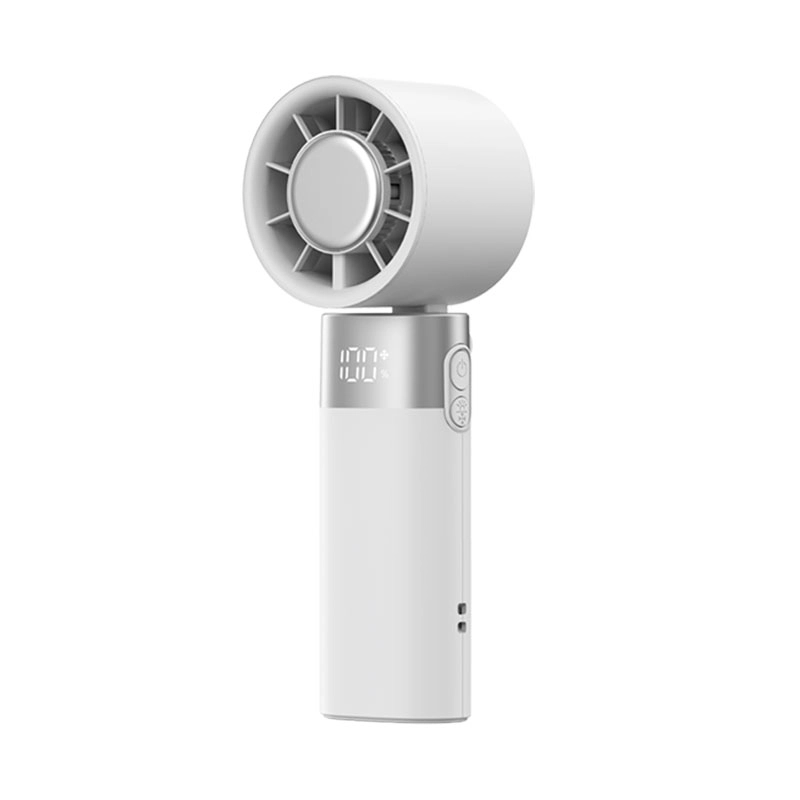
Reliable Handheld Cooling Solution for Bulk & Corporate Purchases
This premium handheld fan is designed for high-frequency, large-volume usage, making it an ideal cooling solution for corporate procurement, promotional distribution, employee welfare programs, and retail wholesale.
With stable airflow performance, a rechargeable design, and lightweight portability, it helps businesses deliver practical comfort products with strong perceived value while maintaining cost efficiency and supply reliability.
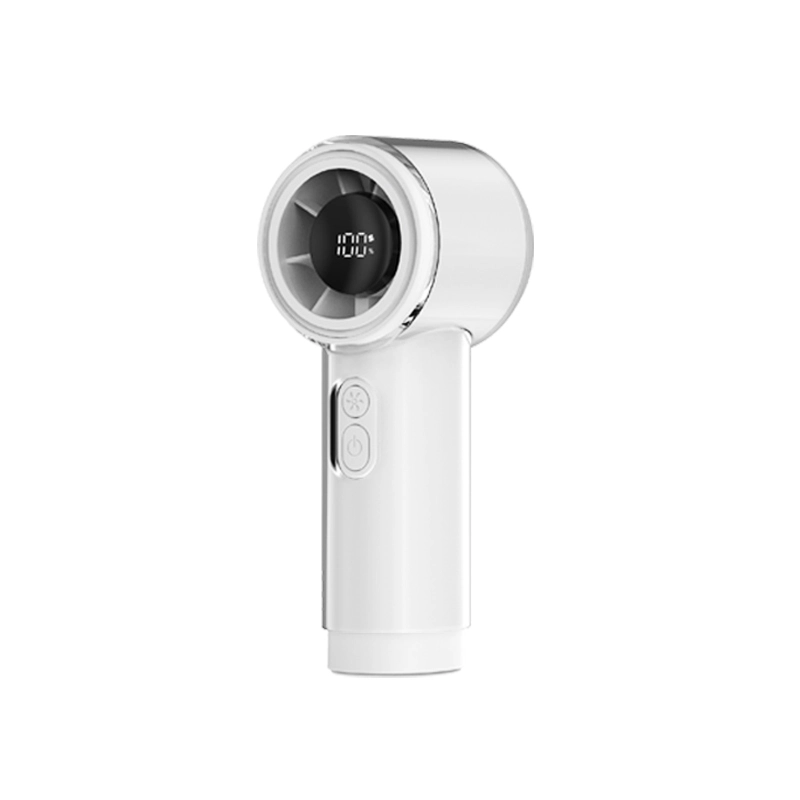
Customizable High-Speed Portable Handheld Fan FS2663
This is a high-speed, long-lasting, personalized, custom, portable cooling product specially designed for gift purchasers, cross-border e-commerce sellers, and OEM/ODM cooperation enterprises. It features (1) strong wind speed, (2) lightweight portability, (3) transparent shell design, (4) convenient carrying with a hand rope, and (5) long battery life. It helps enterprises enhance brand exposure, product differentiation competitiveness, and customer repeat purchase rate.
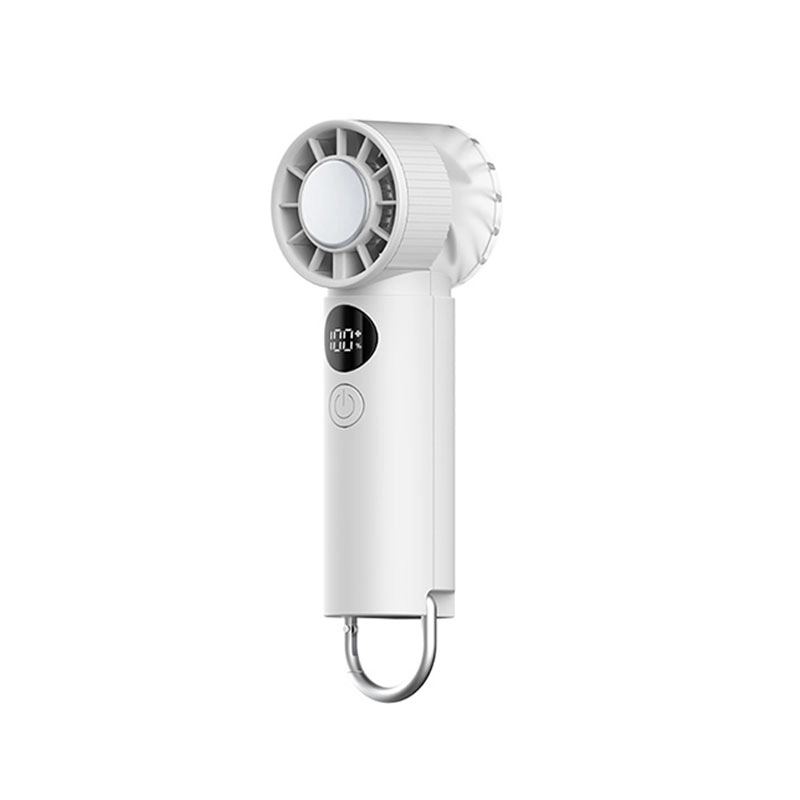
Customizable lightweight mini handheld cooling fan (with climbing hook) FS2666
A portable cooling and personalized customization product specially designed for commuters, students, the gift customization industry, and OEM/ODM buyers. It features (1) lightweight and easy portability, (2) a climbing buckle, and (3) semiconductor cooling.
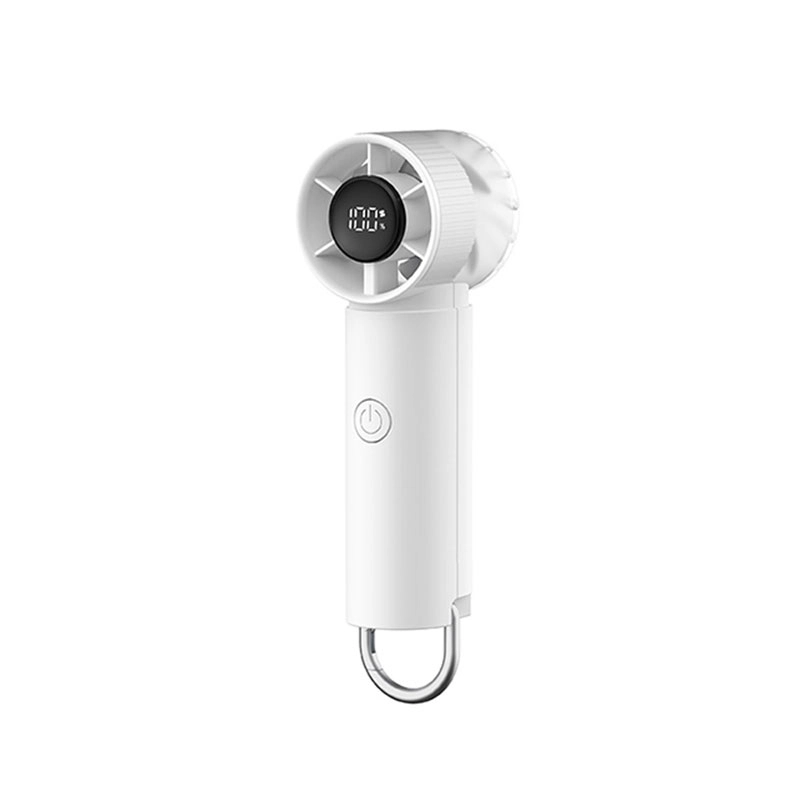
Customizable lightweight mini handheld cooling fan (with climbing hook) FS2667
This is a lightweight and portable + personalized customization product specially designed for commuters, students, the gift customization industry, and OEM/ODM buyers. It features (1) lightweight and easy portability, (2) a climbing buckle, and (3) a semi-transparent air duct design.
Start Your Custom Handheld Fans Manufacturing Project Today
If you have any comments or good suggestions, please leave us a message; later our professional staff will contact you as soon as possible.
Contact


4th Floor, Building 3, Jurong Industrial Park, No. 27-1-1, Fu'an Industrial Zone,Leliu Town (Pancun), Shunde District, Foshan City, Guangdong Province
 Scan QR Code
YouTube
Twitter
Facebook