






How to find a reliable rechargeable fan manufacturer? | Insights by RYW
- 1. How can I verify a rechargeable fan manufacturer's battery safety and shipping compliance (UN38.3, IEC 62133) before placing a large order?
- 2. What factory audit and production-capacity metrics actually prove a handheld fan manufacturer can scale to my volumes and seasonal spikes?
- 3. How can I evaluate the real battery performance (mAh, discharge curve, cycle life) of samples vs supplier claims?
- 4. What are realistic tooling, sample, and lead-time costs for custom OEM rechargeable handheld fans and how should I negotiate them?
- 5. How to assess quality control (incoming inspection, in-line inspection, final random inspection) and what acceptance criteria should I set for handheld fans?
- 6. What red flags indicate a manufacturer is using counterfeit cells or low-grade motors, and how can I detect them in pre-shipment checks?
1. How can I verify a rechargeable fan manufacturer's battery safety and shipping compliance (UN38.3, IEC 62133) before placing a large order?
Start by asking the supplier for original, verifiable test reports — not just PDFs with logos. Required items: a UN38.3 test report for lithium cell/pack transport, an IEC 62133 (or equivalent national variant) certificate for safety, and a complete Bill of Materials (BOM) showing cell brand and part numbers. Verify each report with the issuing laboratory (SGS, Intertek, Bureau Veritas or other accredited labs) by calling or checking their online report database or report number. For OEM rechargeable fans that include battery packs, require a Battery Management System (BMS) schematic and a description of overcharge, over-discharge and short‑circuit protection.
Practical pre-order checks:
- Request original lab report numbers and test dates; verify they are less than 24 months old for safety relevance.
- Ask for cell manufacturer COAs (Certificate of Authenticity) and supplier invoices that match the cell part numbers listed on the BOM.
- Insist on shipping classification documentation: lithium-ion batteries are Class 9 Dangerous Goods and must meet packing instructions (IATA/IMDG) for export.
- Run an independent sample test: purchase a small pre-production batch and have an accredited lab perform UN38.3 and IEC 62133 spot checks.
Red flags: reused or photocopied reports, missing lab contact info, vague BOMs, or refusal to disclose cell origin. Embedding USB‑C fast charging or PD circuits without corresponding thermal management documentation is another warning sign.
2. What factory audit and production-capacity metrics actually prove a handheld fan manufacturer can scale to my volumes and seasonal spikes?
Request quantitative metrics, not vague promises. Key metrics to validate capacity and scalability:
- Monthly output per production line for each model and realistic demonstrated historical volumes.
- Number of dedicated assembly lines (motor assembly, PCB/SMT, battery pack assembly) and their takt time.
- Yield rates and first-pass yield for PCB assemblies, motor assemblies, and final assembly.
- Workforce composition: number of trained QC inspectors, skilled technicians for motor balancing, and hours of overtime capacity.
Ask for documentation and evidence:
- Recent production schedules or shipping records showing fulfillment of similar orders in past 12 months.
- Photographic or live video walk-through (recorded) of the lines, with time stamps and visible serial numbers on in-process units.
- Third-party factory audit reports (BSCI, Sedex, SGS/Intertek factory inspection) showing social compliance and process control.
Capacity stress checks:
- Run a hypothetical ramp plan with the supplier (e.g., 10k units month 1 → 50k month 3) and evaluate lead times, component long-lead items (motors, OEM cells), and risk mitigation.
- Verify multi-sourcing for critical parts (cells, brushless motor cores, PCBs) to avoid single-point failures.
3. How can I evaluate the real battery performance (mAh, discharge curve, cycle life) of samples vs supplier claims?
Trust but verify with structured tests. Supplier capacity claims (e.g., 2600 mAh) must be validated under standard test conditions.
Essential tests to request or perform on samples:
- Static capacity test: full charge/discharge at 0.2C (or as specified) to measure true mAh; compare to claimed capacity.
- Cycle life test: run 300–500 cycles (or the supplier’s claimed cycle number) and record capacity retention; industry-accepted cycle numbers for quality lithium polymer packs are usually 300+ cycles with >80% retention.
- C-rate and runtime verification: measure runtime at typical fan loads (low/medium/high) and record actual hours per speed; include motor draw data (amps) and CFM/RPM correlation.
- Self-discharge and storage test: store at 25°C for 30–90 days and measure capacity loss.
How to perform or commission tests:
- Use an accredited lab or an in-house electronics test bench with calibrated battery cyclers and temperature-controlled chambers.
- Request the supplier’s test protocols and raw data (discharge curves, internal resistance, temp rise). Cross-check test conditions (cutoff voltages, ambient temp).
Red flags: large variance between samples, inconsistent runtime claims at different speeds, or inability to produce raw test logs.
4. What are realistic tooling, sample, and lead-time costs for custom OEM rechargeable handheld fans and how should I negotiate them?
Understanding cost structure helps negotiation. Typical cost components: engineering (DFM), tooling (molds for plastic housing), PCB/proto, mechanical fixtures, battery pack tooling, certification testing, and sample units.
Guidelines and approximate ranges (subject to model complexity and region):
- Mold/tooling for ABS/PC parts: from a few thousand USD for small simple molds up to $8k–$20k for multi-cavity or complex molds; metal inserts and post-processing add cost.
- PCB prototyping and assembly: $200–$2000 depending on complexity and panel size.
- Pre-production samples (fully assembled, certified): $50–$300 per unit depending on complexity, plus testing costs.
- Sample lead times: 2–6 weeks for new molds and prototypes; 3–10 days if using existing tooling or standard parts.
- Production lead time: typically 30–70 days after deposit depending on MOQ, components availability (cells and motors often drive lead time).
Negotiation tactics:
- Amortize tooling: negotiate tooling amortization into unit price over a defined MOQ (e.g., tool cost spread over first 5k–10k units).
- Ask for a trial order with staged payments (deposit, production, balance on shipment) and penalties for missed timelines.
- Request an included set of sample revisions (usually 1–2 revisions included) before paying for additional changes.
- Clarify ownership of molds (you vs supplier) and the cost/conditions if you request mould return or exclusivity.
5. How to assess quality control (incoming inspection, in-line inspection, final random inspection) and what acceptance criteria should I set for handheld fans?
Quality control must be process-driven and measurable. Use AQL sampling as a baseline but customize for critical items.
Suggested inspection layers and acceptance criteria:
- Incoming Quality Control (IQC): check critical components (cells, motors, PCBs) with 100% batch traceability. Inspect cell weights, dimensions, and COAs. Reject batches that fail electrical spot checks.
- In-line process controls: SPC charts for key assembly steps (torque on screws, motor balance RPM, solder joint X% reflow yield). Perform burn-in of motors and electronics for 12–72 hours depending on the product.
- Final Random Inspection (FRI): use AQL 2.5%/4.0% sampling for cosmetic and functional checks. For critical safety items (battery integrity, insulation), use tighter AQL or 100% checks.
Functional checklist to include in FRI:
- Battery capacity and runtime (sample discharge test)
- Charging circuit/USB-C PD verification and cable compatibility
- Motor RPM/noise (dB measured at 1 m distance)
- Mechanical integrity (fan blade balance, loosening screws)
- Cosmetic (spray paint adhesion, mold flash, labeling accuracy)
- Firmware checks if applicable (speed settings, LED behavior)
Document acceptance criteria in the purchase contract: specify required test methods, measurement tolerances (RPM ±5%, runtime ±10%), and penalties for batch failure (rework, refund, replacement). Use third-party inspection providers (QIMA, AsiaInspection, BV) for impartial final checks.
6. What red flags indicate a manufacturer is using counterfeit cells or low-grade motors, and how can I detect them in pre-shipment checks?
Counterfeit cells and low‑grade motors are common failure points. Watch for these indicators and validate with tests.
Red flags and detection methods:
- Suspiciously low weight: reputable cells of the same mAh have consistent weights. Ask for weight per cell and compare to datasheets.
- Inconsistent branding or missing batch codes: high-quality cells include clear batch/lot codes and QR/barcodes that can be verified with the cell manufacturer.
- Cheap pricing anomaly: if a quoted cell price is far below market (e.g., third of typical), request proof of origin and COA.
- Inconsistent thermal behavior: during charge/discharge test, counterfeit/low-quality cells heat up faster and show higher internal resistance.
- Motor issues: low torque, unusual vibration/noise, rapid RPM loss under load indicate poor motor cores or imprecise balance.
Pre-shipment checks to perform:
- Random destructive testing of 1–2% of cells in a batch: check internal construction and compare to genuine cell cross-sections.
- Electrical spot-tests: internal resistance (mOhm), open-circuit voltage, and capacity spot checks.
- Motor bench test under load to verify torque and current draw at specified voltages.
- Verify traceability: match cell part numbers and batch invoices to a recognized cell OEM (Samsung SDI, LG Chem, Panasonic, etc.) when brand claims are made.
If a supplier resists these checks, treat it as a major risk factor. Insist on third-party batch verification prior to release.
Concluding summary — advantages of choosing a vetted, reliable rechargeable fan manufacturer
Selecting a vetted rechargeable fan supplier reduces safety, reputational, and financial risks. Advantages include validated battery safety (UN38.3, IEC 62133), consistent runtime and cycle life, predictable lead times, scalable production, documented QC and traceability, and reduced warranty/recall exposure. A reliable manufacturer will provide transparent BOMs, third-party lab reports, and configurable OEM/ODM offerings with clear tooling terms and capacity plans. Use factory audits, independent inspections, and sample lab testing to translate supplier claims into verifiable facts and protect RYW.
For a tailored quote or to arrange a factory audit and sample testing plan, contact us at www.rywlife.com or adrian@rywlife.com.
Contacts
WhatsApp/Phone
You May Also Like
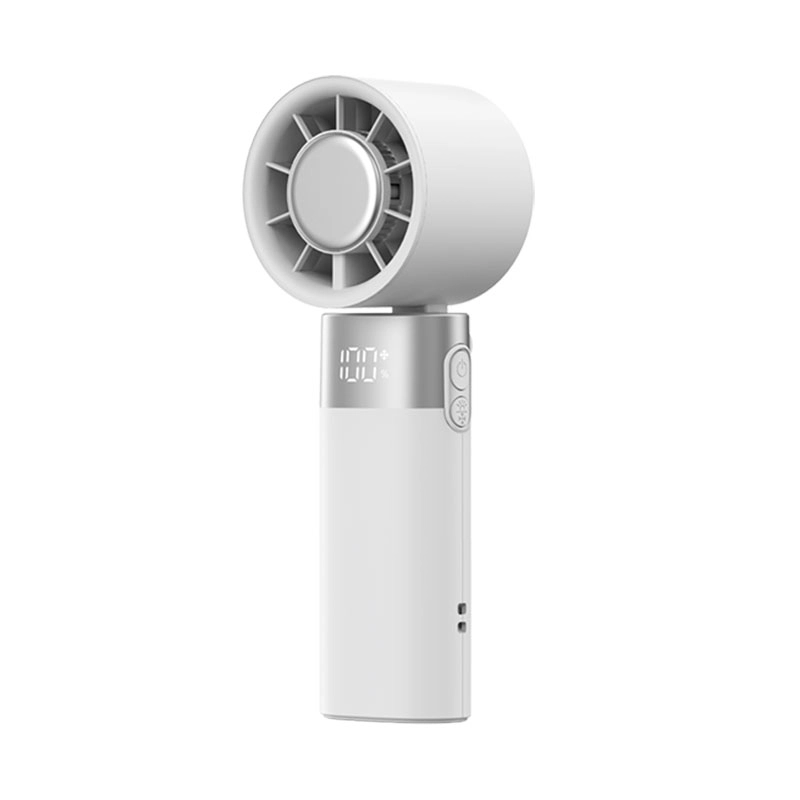
Reliable Handheld Cooling Solution for Bulk & Corporate Purchases
This premium handheld fan is designed for high-frequency, large-volume usage, making it an ideal cooling solution for corporate procurement, promotional distribution, employee welfare programs, and retail wholesale.
With stable airflow performance, a rechargeable design, and lightweight portability, it helps businesses deliver practical comfort products with strong perceived value while maintaining cost efficiency and supply reliability.
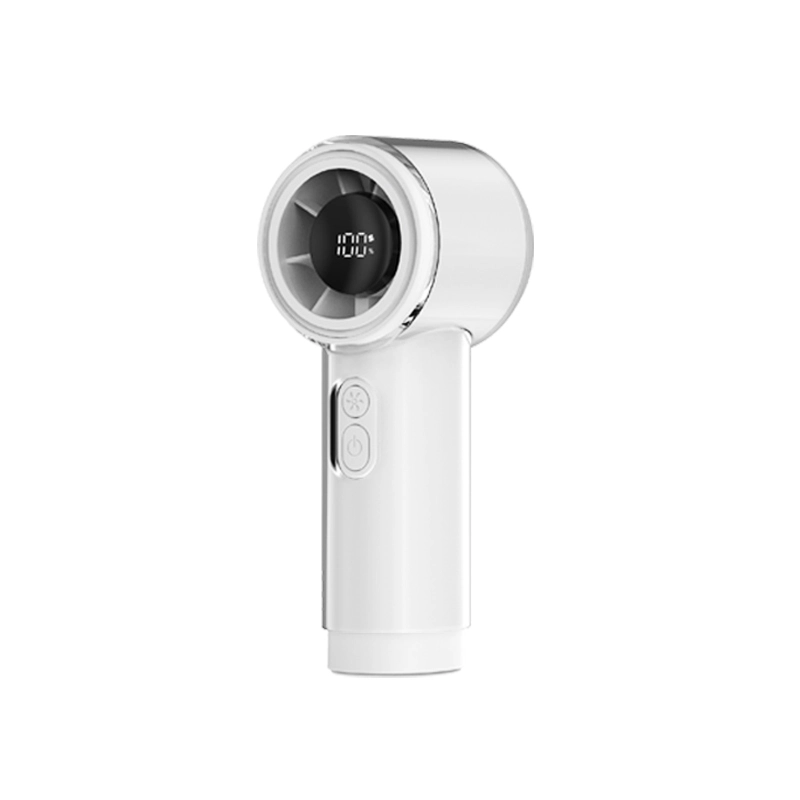
Customizable High-Speed Portable Handheld Fan FS2663
This is a high-speed, long-lasting, personalized, custom, portable cooling product specially designed for gift purchasers, cross-border e-commerce sellers, and OEM/ODM cooperation enterprises. It features (1) strong wind speed, (2) lightweight portability, (3) transparent shell design, (4) convenient carrying with a hand rope, and (5) long battery life. It helps enterprises enhance brand exposure, product differentiation competitiveness, and customer repeat purchase rate.
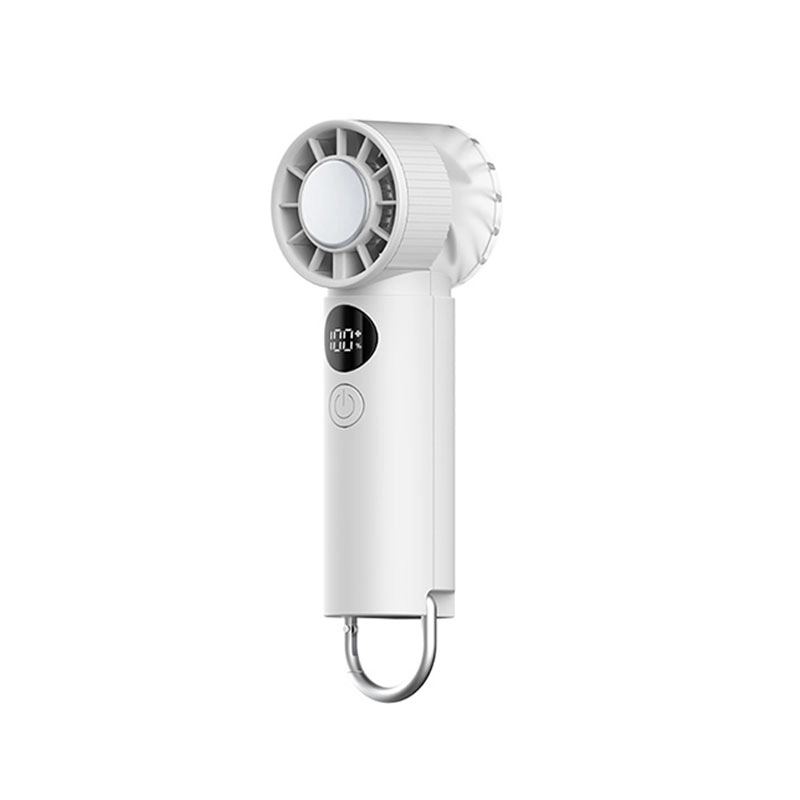
Customizable lightweight mini handheld cooling fan (with climbing hook) FS2666
A portable cooling and personalized customization product specially designed for commuters, students, the gift customization industry, and OEM/ODM buyers. It features (1) lightweight and easy portability, (2) a climbing buckle, and (3) semiconductor cooling.
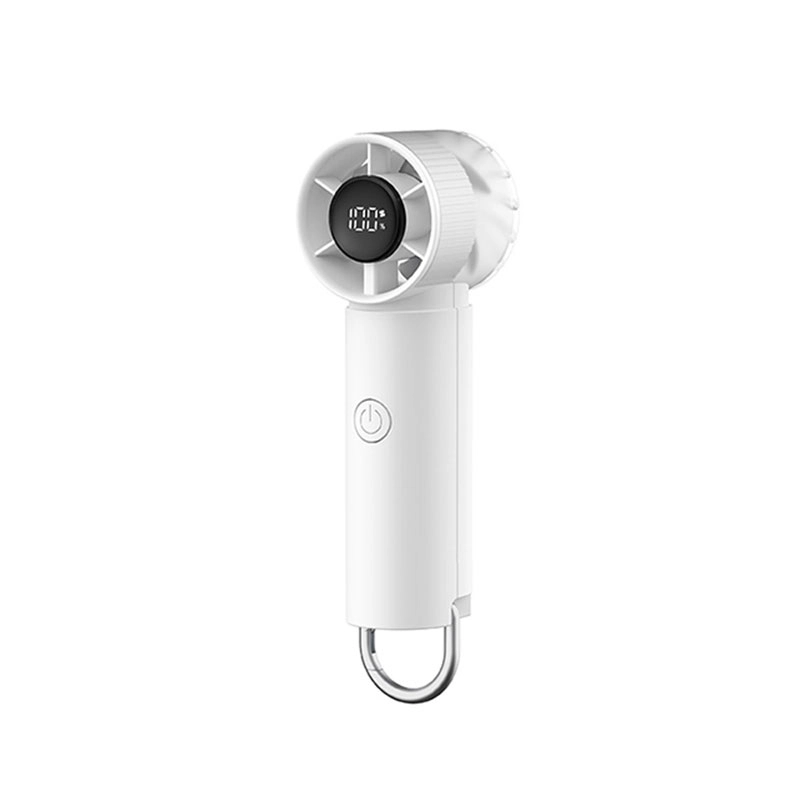
Customizable lightweight mini handheld cooling fan (with climbing hook) FS2667
This is a lightweight and portable + personalized customization product specially designed for commuters, students, the gift customization industry, and OEM/ODM buyers. It features (1) lightweight and easy portability, (2) a climbing buckle, and (3) a semi-transparent air duct design.
Start Your Custom Handheld Fans Manufacturing Project Today
If you have any comments or good suggestions, please leave us a message; later our professional staff will contact you as soon as possible.
Contact


4th Floor, Building 3, Jurong Industrial Park, No. 27-1-1, Fu'an Industrial Zone,Leliu Town (Pancun), Shunde District, Foshan City, Guangdong Province
 Scan QR Code
YouTube
Twitter
Facebook