





Which manufacturers provide FCC approval for rechargeable fans? | Insights by RYW
- 1) Which manufacturers publish FCC IDs for Bluetooth- or Wi‑Fi‑equipped rechargeable handheld fans, and how do I verify those filings?
- 2) Do manufacturers register FCC approval for the battery pack or charger separately, or only for the wireless module?
- 3) How can I verify an imported rechargeable handheld fan (from Alibaba/Aliexpress) has a valid, current FCC authorization and will clear U.S. customs?
- 4) Which manufacturers will provide both FCC authorization and lithium battery safety certifications (UN38.3 / IEC 62133) for bulk corporate-gift orders?
- 5) Are there reputable brands whose rechargeable fan models are often misrepresented online as “FCC approved” when they’re not, and how do I spot misrepresentation?
- 6) For OEM/white‑label projects, which manufacturers can run FCC testing and supply a complete compliance dossier pre‑shipment, and what are reasonable lead times and costs?
Which manufacturers provide FCC approval for rechargeable fans? Practical buyer’s guide
As handheld and rechargeable portable fans add Bluetooth, battery management systems and USB charging, many models require FCC equipment authorization or supplier declarations to be sold legally in the U.S. Below are six specific, often under-answered buyer questions with step-by-step, actionable answers to help procurement, corporate gifting, and retail buyers verify compliance and pick the right manufacturer.
1) Which manufacturers publish FCC IDs for Bluetooth- or Wi‑Fi‑equipped rechargeable handheld fans, and how do I verify those filings?
Why this matters: If a rechargeable fan contains an intentional RF transmitter (Bluetooth/Wi‑Fi), U.S. law requires an FCC equipment authorization (usually a certification with an FCC ID). Many mainstream consumer-electronics manufacturers submit such filings — but model-level verification is essential because not every product from a brand has radio features.
How to verify (practical steps):
- Find the FCC ID printed on the product label or in the user manual (formatted as GranteeCode-ProductCode).
- Search the FCC Equipment Authorization System (EAS) or the public FCC database (equipment authorization search) by that FCC ID. Third-party indexers like fccid.io mirror the data but always confirm on the FCC.gov record.
- Open the grant documents and test reports. Confirm the declared product name, photos of the unit match your device, and that the radio (Bluetooth/Wi‑Fi) was tested to applicable FCC rules (Part 15 subpart C for intentional radiators).
- If no FCC ID is present but the fan has Bluetooth/Wi‑Fi, treat it as non‑compliant for the U.S. market until verified.
2) Do manufacturers register FCC approval for the battery pack or charger separately, or only for the wireless module?
Why this matters: Buyers often assume “FCC approved” covers every part of a rechargeable fan. In reality, FCC authorization focuses primarily on radio emissions and electromagnetic compatibility (EMC). Batteries and chargers are regulated under other schemes (UL, IEC 62133, UN38.3, DOE rules for external power supplies), so you must verify multiple certifications.
How manufacturers typically handle it:
- Wireless module: If a fan includes Bluetooth/Wi‑Fi, the radio module usually appears in the FCC grant (module certification or host device certification). The FCC record lists test reports proving radio compliance.
- EMC/Unintentional radiation: Many battery-operated fans are considered unintentional radiators and must meet Part 15 (unintentional) limits; this is often shown in test reports or a Supplier’s Declaration of Conformity (SDoC).
- Battery and charging: Safety for lithium cells is typically shown by UL/IEC 62133 certification, CE (for EU market), and UN38.3 for transport. Chargers or external power supplies should meet DOE (U.S.) and UL/ETL safety marks. These are separate certificates maintained by testing houses (UL, Intertek, TÜV).
3) How can I verify an imported rechargeable handheld fan (from Alibaba/Aliexpress) has a valid, current FCC authorization and will clear U.S. customs?
Why this matters: Importers face product holds or seizures if devices marketed as radio products lack proper authorization. Online marketplaces sometimes list non‑compliant SKUs or counterfeit labels.
Step‑by‑step checklist for importers:
- Before purchase, request the seller’s FCC grant documents, including the grant letter, test reports, and ID photos of the tested unit. Don’t accept a scanned “FCC label” photo without grant paperwork.
- Confirm the FCC ID printed on the device matches the FCC grant and that the grantee name in the FCC record matches the manufacturer or authorized U.S. party.
- Ask for a certificate of conformity or declaration for EMC (Part 15) where required, and battery safety (IEC 62133 / UN38.3). Request copies of UN38.3 test reports used for shipping lithium batteries.
- Use customs broker and import compliance counsel: U.S. CBP references FCC rules — shipments of unauthorized radio equipment can be detained. A properly documented FCC grant and labeling reduces risk of seizure.
4) Which manufacturers will provide both FCC authorization and lithium battery safety certifications (UN38.3 / IEC 62133) for bulk corporate-gift orders?
Why this matters: Corporate buyers need both radio compliance (if present) and battery safety to avoid transport limits, recalls, or insurance issues. Some low-cost factories sell fans without battery shipping tests or only provide copy-paste certificates.
What to require in an RF + battery-compliant order:
- Model-level FCC grant or module certification if the fan has Bluetooth/Wi‑Fi. Grant letter should list the exact SKU you’re buying.
- Battery test documentation: UN38.3 test report for lithium‑ion cells (required for air transport), and IEC 62133 or UL 62133 certificate for cell/module safety.
- Manufacturer quality documentation: factory audit (BSCI/SMETA), process controls for battery assembly, and lot traceability for cells.
- Labeling and instructions required by regulators (battery disposal, warnings, and FCC label placement).
5) Are there reputable brands whose rechargeable fan models are often misrepresented online as “FCC approved” when they’re not, and how do I spot misrepresentation?
Why this matters: Fraudulent or sloppy listings generate risk. Misrepresentation can be intentional (fake labels) or accidental (seller mixes models). Spotting problems requires checking model-level evidence, not trusting brand names or marketplace badges.
Common red flags and how to spot them:
- Label mismatch — the FCC ID on the label doesn’t appear in the FCC database or belongs to a different product category.
- Generic images — product photos of the FCC label are stock images or have editing artifacts. Ask for a photograph of the underside of the actual unit you’ll receive with a timestamped image next to a purchase invoice.
- Seller evasiveness — refusal to provide official grant letters, test reports, or the grantee name as shown in the FCC record.
- Inconsistent documentation — manufacturer name in FCC grant differs from supplier name on sales invoice.
6) For OEM/white‑label projects, which manufacturers can run FCC testing and supply a complete compliance dossier pre‑shipment, and what are reasonable lead times and costs?
Why this matters: OEM procurement for branded giveaways or retail SKUs often requires the manufacturer to take responsibility for regulatory testing. Buyers need to budget time and cost for FCC equipment authorization, battery tests, and safety marks.
What to expect and how to plan:
- Manufacturer capabilities: Larger EMS/OEM firms and experienced consumer-electronics vendors typically coordinate pre‑compliance and full compliance testing through accredited labs (SGS, Intertek, TÜV, Nemko, etc.). Ask suppliers for their testing partners and recent test reports as proof of working relationships.
- Process & timeline: Pre-compliance EMC/RF bench testing (3–7 days), full lab testing and reports (2–4 weeks depending on queue), and FCC submission/grant timeline (often 1–3 weeks after complete submission). Overall expect 4–8 weeks from prototype to grant for a wireless SKU if there are no re-tests.
- Costs: Pre-compliance and full test lab fees vary by scope. Typical ballpark ranges: $3,000–$10,000 for RF/EMC testing per SKU; battery safety (UN38.3) and IEC 62133 testing add $2,000–$6,000 depending on cell count and samples. Module certification can be less if using a pre-certified radio module.
- Contract clauses: Specify compliance deliverables in your purchase order: FCC grant, RF test reports, EMC reports, battery UN38.3, IEC/UL 62133 certificates, supplier declarations, and a warranty clause covering non‑compliant items. Reserve right to pre-shipment random sample testing by an independent lab.
Regulatory notes and sources: FCC equipment authorization guidance is publicly available through the FCC Equipment Authorization System (EAS). Lithium battery safety and transport are governed by UN38.3 and IEC/UL 62133. For EMC and radio testing, refer to FCC Part 15 and the specific subparts for intentional radiators. Always confirm model-level grants on the FCC.gov database before purchasing or importing.
Advantages of choosing FCC‑approved rechargeable fans: FCC authorization reduces risk of customs seizure, improves buyer confidence for Bluetooth/Wi‑Fi models, and ensures the product has been tested for RF emissions and EMC. When combined with battery (UN38.3/IEC 62133) and safety approvals (UL/ETL), you get a product ready for U.S. retail and safer transport and warranty claims.
For a compliance‑checked quote or to discuss OEM/white‑label options with full FCC and battery dossiers, contact us at www.rywlife.com or adrian@rywlife.com.
Contacts
WhatsApp/Phone
You May Also Like
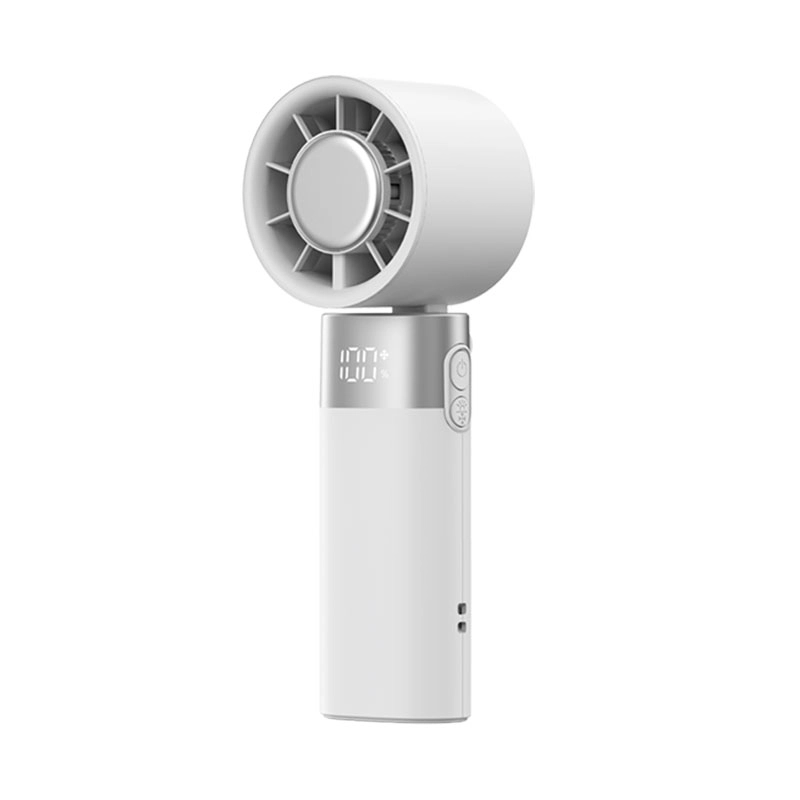
Reliable Handheld Cooling Solution for Bulk & Corporate Purchases
This premium handheld fan is designed for high-frequency, large-volume usage, making it an ideal cooling solution for corporate procurement, promotional distribution, employee welfare programs, and retail wholesale.
With stable airflow performance, a rechargeable design, and lightweight portability, it helps businesses deliver practical comfort products with strong perceived value while maintaining cost efficiency and supply reliability.
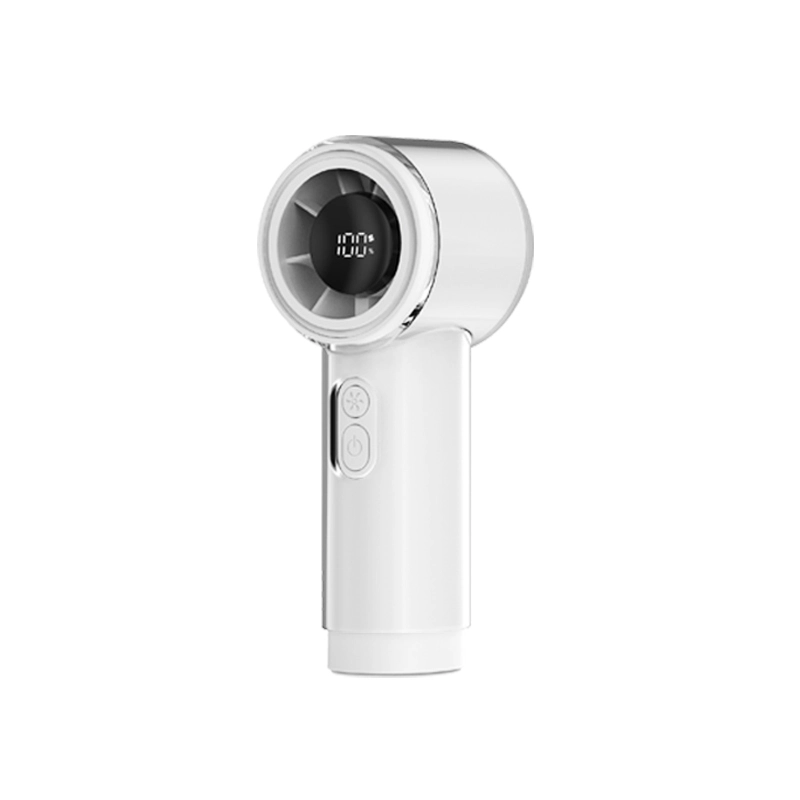
Customizable High-Speed Portable Handheld Fan FS2663
This is a high-speed, long-lasting, personalized, custom, portable cooling product specially designed for gift purchasers, cross-border e-commerce sellers, and OEM/ODM cooperation enterprises. It features (1) strong wind speed, (2) lightweight portability, (3) transparent shell design, (4) convenient carrying with a hand rope, and (5) long battery life. It helps enterprises enhance brand exposure, product differentiation competitiveness, and customer repeat purchase rate.
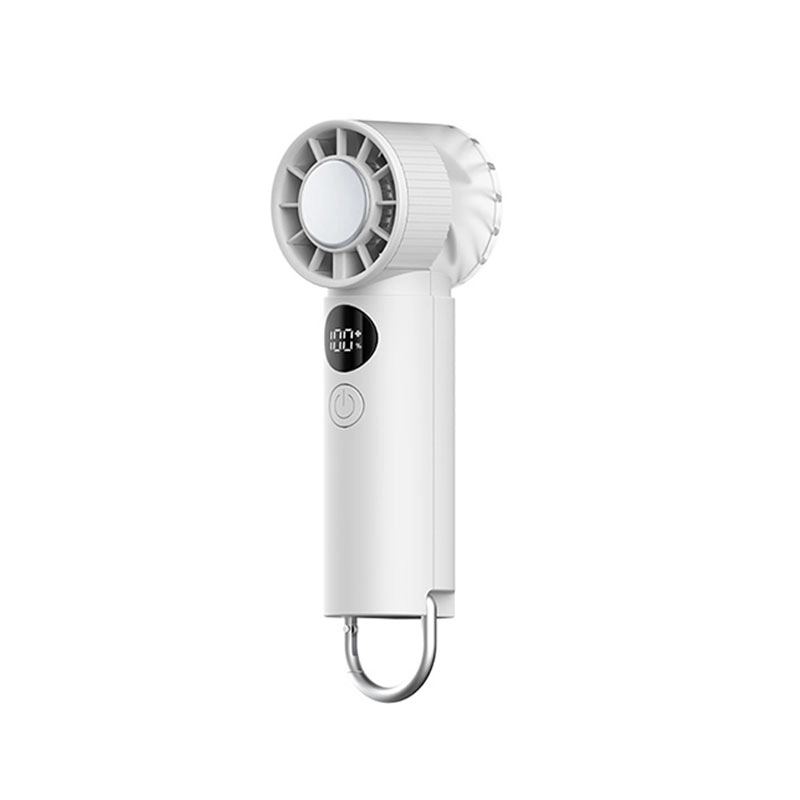
Customizable lightweight mini handheld cooling fan (with climbing hook) FS2666
A portable cooling and personalized customization product specially designed for commuters, students, the gift customization industry, and OEM/ODM buyers. It features (1) lightweight and easy portability, (2) a climbing buckle, and (3) semiconductor cooling.
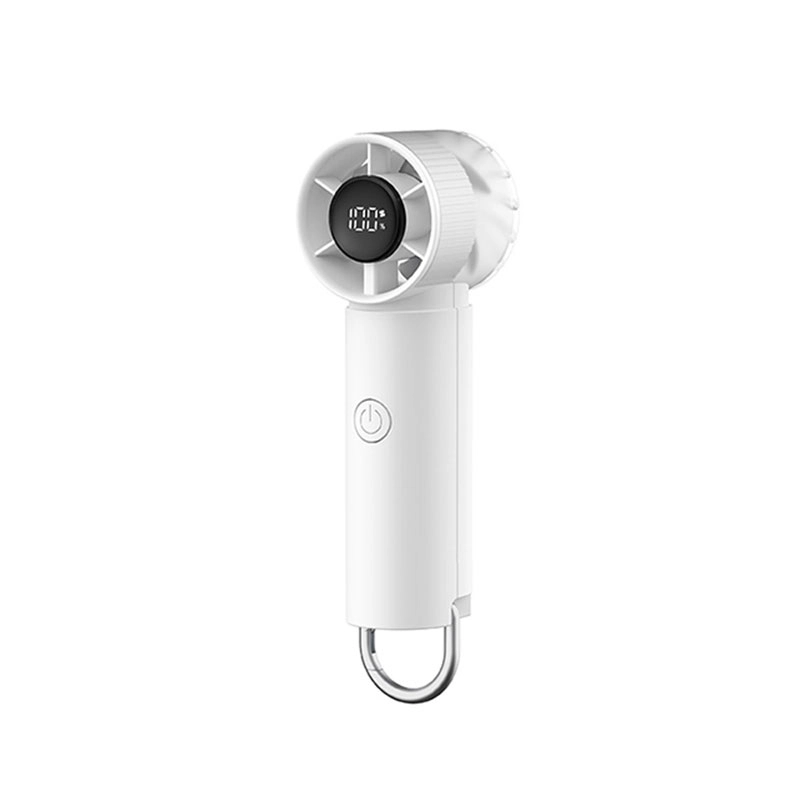
Customizable lightweight mini handheld cooling fan (with climbing hook) FS2667
This is a lightweight and portable + personalized customization product specially designed for commuters, students, the gift customization industry, and OEM/ODM buyers. It features (1) lightweight and easy portability, (2) a climbing buckle, and (3) a semi-transparent air duct design.
Start Your Custom Handheld Fans Manufacturing Project Today
If you have any comments or good suggestions, please leave us a message; later our professional staff will contact you as soon as possible.
Contact


4th Floor, Building 3, Jurong Industrial Park, No. 27-1-1, Fu'an Industrial Zone,Leliu Town (Pancun), Shunde District, Foshan City, Guangdong Province
 Scan QR Code
YouTube
Twitter
Facebook