






Are there eco-friendly handheld electric fans? | Insights by RYW
- 1. Are there truly eco-friendly handheld electric fans with replaceable batteries and repairable parts?
- 2. How can I calculate the real carbon footprint per charge for a battery-powered handheld fan?
- 3. Which certifications and test reports actually prove a handheld fan is environmentally safer (non-toxic plastics, low emissions)?
- 4. Do solar-powered handheld fans meaningfully reduce emissions compared with USB-rechargeable models?
- 5. What materials and manufacturing choices should I prioritize for a sustainable portable fan purchase?
- 6. How should I maintain and recycle a handheld electric fan to minimize environmental impact?
As a handheld fans industry expert with years of product-design and sustainability assessments, this guide answers six specific, under-covered questions about eco-friendly handheld electric fans. It embeds practical checks (materials, certifications, battery specs, solar options, lifecycle math) so buyers can pick low-impact portable fans and reduce e-waste.
1. Are there truly eco-friendly handheld electric fans with replaceable batteries and repairable parts?
Short answer: Yes — but they are still uncommon. Many mainstream handheld fans use glued, sealed housings and integrated batteries (non-user-serviceable), which increases e-waste. Truly more sustainable models have these features:
- Removable, standard-format rechargeable cells (e.g., replaceable 18650 or pouch Li-ion) or a clearly documented replaceable battery pack — this enables battery replacement rather than whole-unit disposal.
- Modular assembly with screws and clips (not permanent adhesives), and documented spare parts (fan blades, battery, USB-C board, motor).
- Brushless DC (BLDC) motors with plug-in connectors — BLDCs are more efficient and often easier to replace than sealed brushed motors.
- Clear repairability documentation or a manufacturer repair program (warranty and spare-parts policy published).
How to verify before purchase:
- Check product photos for battery-access screws or a battery compartment, and read the user manual for a battery replacement section.
- Search for terms like “replaceable battery,” “serviceable,” or “spare parts available” on the product page. If absent, contact the vendor and ask for an official parts list and replacement procedure.
- Prefer brands that publish a repairability score or offer spare-parts sales (these lower lifetime environmental impact).
2. How can I calculate the real carbon footprint per charge for a battery-powered handheld fan?
Many pages avoid real numbers. Here's a transparent, reproducible method you can use in minutes.
Step 1 — get two specs from the product: battery capacity (mAh and nominal voltage, often 3.7V) and rated power draw (W) or runtime at a given speed.
Step 2 — convert battery capacity to Wh: (mAh ÷ 1000) × V = Wh. Example: a 2500 mAh battery at 3.7 V is 2.5 × 3.7 = 9.25 Wh (0.00925 kWh).
Step 3 — apply a grid carbon intensity. U.S. averages are roughly 0.4–0.5 kg CO2 per kWh (regional values vary; consult local grid data or the EPA/eGRID database). Use a conservative range 0.3–0.6 kg CO2/kWh for other regions to reflect variability.
Example calculations (assumptions noted):
- 2500 mAh (3.7 V) → 9.25 Wh → 0.00925 kWh. At 0.45 kg CO2/kWh → 0.00925 × 0.45 = 0.0042 kg CO2 (≈ 4.2 g CO2) per full charge.
- 5000 mAh (3.7 V) → 18.5 Wh → 0.0185 kWh. At 0.45 kg CO2/kWh → 8.3 g CO2 per full charge.
Interpreting results: per-charge emissions are very small (single-digit grams CO2) because handheld fans have tiny batteries. To get lifecycle per-hour numbers, divide per-charge CO2 by runtime hours — e.g., a 5000 mAh pack running 3.7 hours yields ~2.2 g CO2/hour at 0.45 kg/kWh. Remember to include upstream emissions (manufacturing of battery and device) if doing a full LCA; battery production typically dominates manufacturing emissions and varies widely by chemistry and supplier.
3. Which certifications and test reports actually prove a handheld fan is environmentally safer (non-toxic plastics, low emissions)?
Look for a combination of safety, chemical, and end-of-life compliance documents. No single label proves “eco-friendly,” but these items meaningfully reduce environmental and health risk:
- RoHS (Restriction of Hazardous Substances) — restricts lead, mercury, cadmium, PBBs, PBDEs in electronics (important for non-toxic materials).
- WEEE / e-waste compliance (EU and many countries) — shows proper takeback obligations for electronics disposal.
- REACH registration or screening for phthalates and other harmful plasticizers (important for the soft-touch parts).
- UL or CE safety testing (ensures battery/power circuits meet safety standards reducing the risk of fire and premature failure).
- Battery UN38.3 shipping test reports and MSDS for battery chemistry (confirms safe shipping and known chemistry for recycling).
- Third-party emissions or material verification: ISO 14001 certified manufacturer or a supplier Environmental Product Declaration (EPD) can indicate lower environmental impact or transparency.
Red flags: marketing-only claims like “eco-materials” without a test/certificate, or vague “green” badges. Ask sellers for certificates or test reports and check they match the product SKU and serial number.
4. Do solar-powered handheld fans meaningfully reduce emissions compared with USB-rechargeable models?
Short answer: It depends on use-case and system efficiency. Small solar panels can reduce grid electricity used for charging but come with trade-offs in materials and embodied carbon.
Considerations:
- Standalone integrated solar: many handheld fans include a tiny solar cell on the back. These offset a few charge cycles per sunny day but are low-power (often <1–2 W output) and generate limited energy — useful for emergency/off-grid situations, less impactful for daily home use.
- Detachable solar panels: pairing a larger, higher-efficiency portable panel (5–20 W) with a USB-C input and a small power bank provides meaningful charge offset. A 10 W panel in good sun can fully charge a 5000 mAh (18.5 Wh) pack in roughly 2–3 hours of peak sun, eliminating grid electricity for those charges.
- Embodied carbon trade-off: small PV modules introduce additional materials (silicon, glass, adhesives). For high-frequency outdoor use (camping, daily commuting), solar lowers lifetime emissions. For mostly indoor charging, the manufacturing footprint of the solar panel may not be offset easily.
Practical rule: if you will regularly recharge outdoors or in locations without reliable grid power (camping, fieldwork), a solar-capable solution with a quality panel and an intermediate power bank will reduce lifecycle emissions. For mostly indoor urban use, prioritize high-efficiency BLDC fans with rechargeable batteries and use clean-grid charging or green energy plans from your utility.
5. What materials and manufacturing choices should I prioritize for a sustainable portable fan purchase?
Focus on three categories: materials, energy efficiency, and manufacturing transparency.
- Materials
- Post-consumer recycled (PCR) plastics (e.g., PCR ABS or rPET) reduce virgin polymer demand. Check the % PCR claimed and whether it’s PCR certified.
- Avoid PVC or materials with known problematic phthalates. Look for REACH compliance and RoHS statements.
- Choose minimal, mono-material designs where possible (single plastic type for housing) — this simplifies recycling.
- Energy Efficiency
- Brushless DC (BLDC) motors + PWM speed controllers are significantly more efficient than brushed motors at typical fan draws (2–6 W for handheld models).
- Low standby draw (<0.5 W) and a physical power switch prevent phantom energy use.
- Manufacturing & Transparency
- Choose brands that publish material origin, supplier audits (ISO 14001, SA8000), or an Environmental Product Declaration (EPD).
- Look for companies offering spare parts, repair manuals, or buy-back/recycling programs (reduces product end-of-life emissions).
Trade-offs to expect: lighter-weight and bio-based plastics reduce material footprint but may lower durability. Heavier PCR plastics and replaceable batteries tend to win on lifetime environmental performance because they extend usable life.
6. How should I maintain and recycle a handheld electric fan to minimize environmental impact?
Maintenance and end-of-life handling are where buyers can achieve real environmental wins.
Maintenance tips:
- Reduce battery cycles by using eco modes and turning off when not needed. Keep the battery at 20–80% charge for longer cycle life if storing long-term.
- Clean blades and motor vents regularly to reduce motor workload and avoid overheating. A light brush and compressed air every few months is enough for typical dust loads.
- Replace worn fan blades or bearings rather than discarding the whole unit — this requires choosing modular/repairable designs when buying.
End-of-life and recycling:
- Batteries: never put Li-ion batteries in household trash. Use authorized collection programs (retail takeback, community hazardous e-waste events, or national programs like Call2Recycle in many countries).
- Electronics: use certified e-waste recyclers under WEEE/ local e-waste laws so plastics and metal parts are recovered and hazardous materials handled properly.
- Documentation: preserve product serial numbers and battery spec labels — recyclers need chemistry and capacity info to process cells safely.
Practical disposal pathway: remove the battery (if user-removable) and take it to a battery drop-off; place the plastic/metal casing with the local e-waste recycler. If the battery is non-removable, return the entire unit to a retailer or municipal e-waste facility.
Note on numbers and transparency: the per-charge CO2 math above is conservative and uses typical handheld specifications. For full lifecycle comparisons (manufacturing, transport, use, disposal) you need manufacturer LCAs or third-party EPDs; request these from vendors when sustainability is a priority.
For expert help selecting a sustainable handheld fan design or arranging bulk sustainable sourcing, contact us for a quote. Visit www.rywlife.com or email adrian@rywlife.com.
As of 2024, the guidance above draws on industry battery data, common consumer-product certification regimes (RoHS, REACH, WEEE, UL/CE), and measured handheld-power orders of magnitude (typically 2–6 W draw; battery packs 2000–5000 mAh). Always verify product-specific test certificates and manufacturer repair policies before purchase.
Contacts
WhatsApp/Phone
You May Also Like
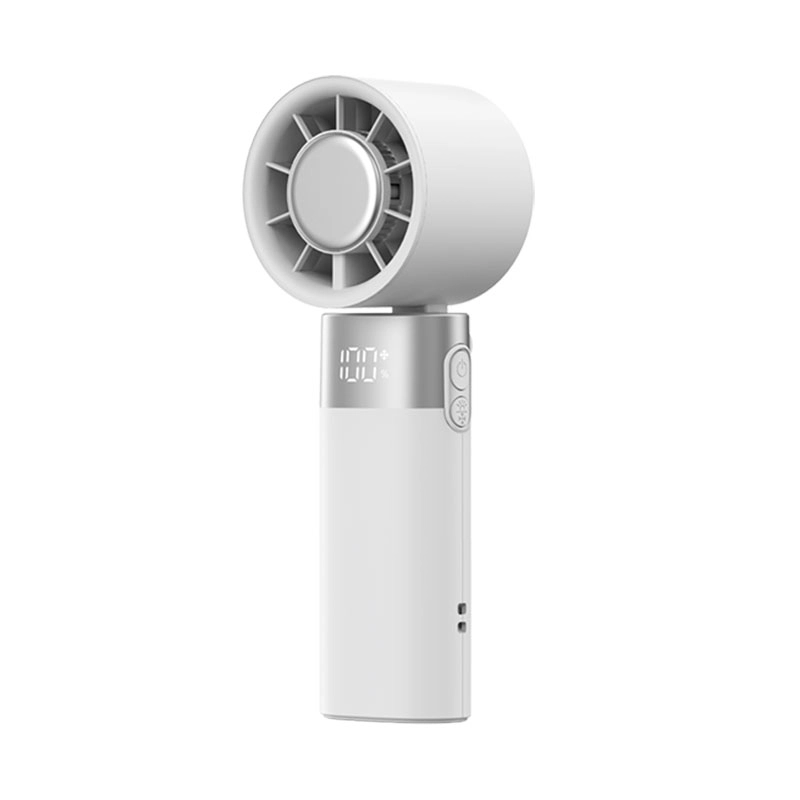
Reliable Handheld Cooling Solution for Bulk & Corporate Purchases
This premium handheld fan is designed for high-frequency, large-volume usage, making it an ideal cooling solution for corporate procurement, promotional distribution, employee welfare programs, and retail wholesale.
With stable airflow performance, a rechargeable design, and lightweight portability, it helps businesses deliver practical comfort products with strong perceived value while maintaining cost efficiency and supply reliability.
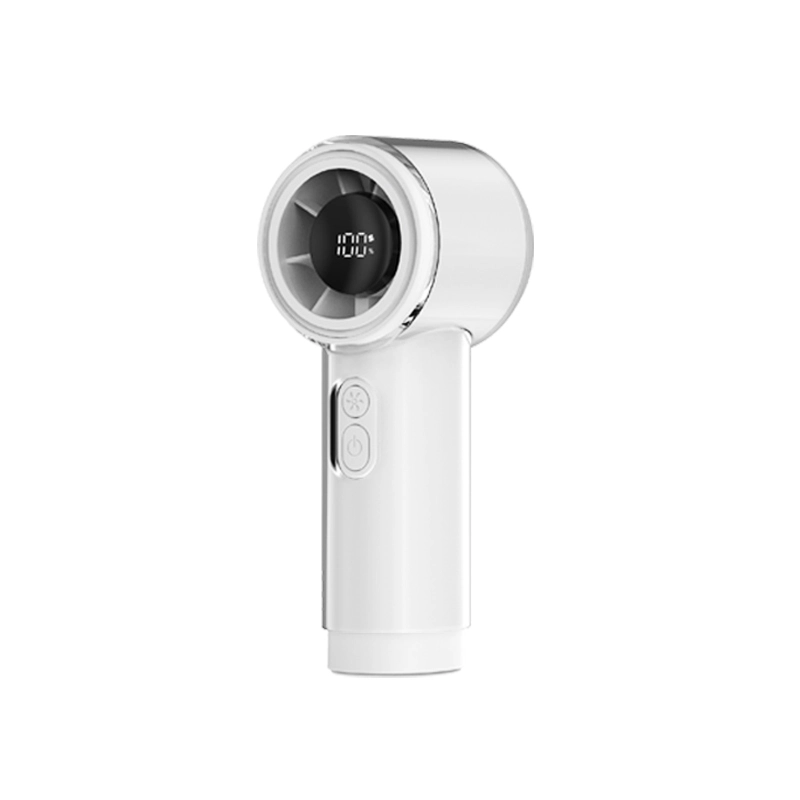
Customizable High-Speed Portable Handheld Fan FS2663
This is a high-speed, long-lasting, personalized, custom, portable cooling product specially designed for gift purchasers, cross-border e-commerce sellers, and OEM/ODM cooperation enterprises. It features (1) strong wind speed, (2) lightweight portability, (3) transparent shell design, (4) convenient carrying with a hand rope, and (5) long battery life. It helps enterprises enhance brand exposure, product differentiation competitiveness, and customer repeat purchase rate.
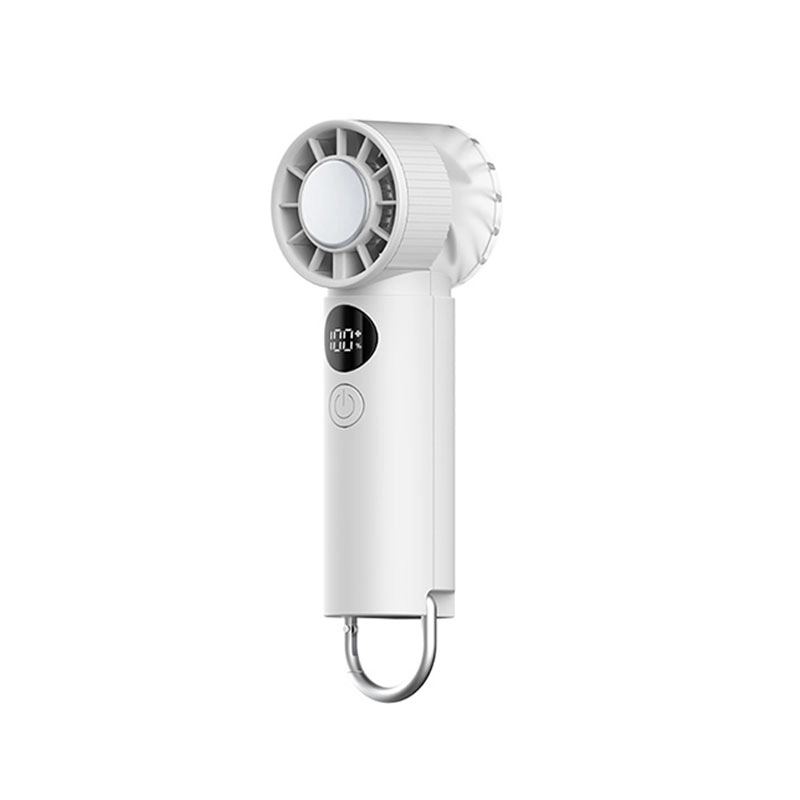
Customizable lightweight mini handheld cooling fan (with climbing hook) FS2666
A portable cooling and personalized customization product specially designed for commuters, students, the gift customization industry, and OEM/ODM buyers. It features (1) lightweight and easy portability, (2) a climbing buckle, and (3) semiconductor cooling.
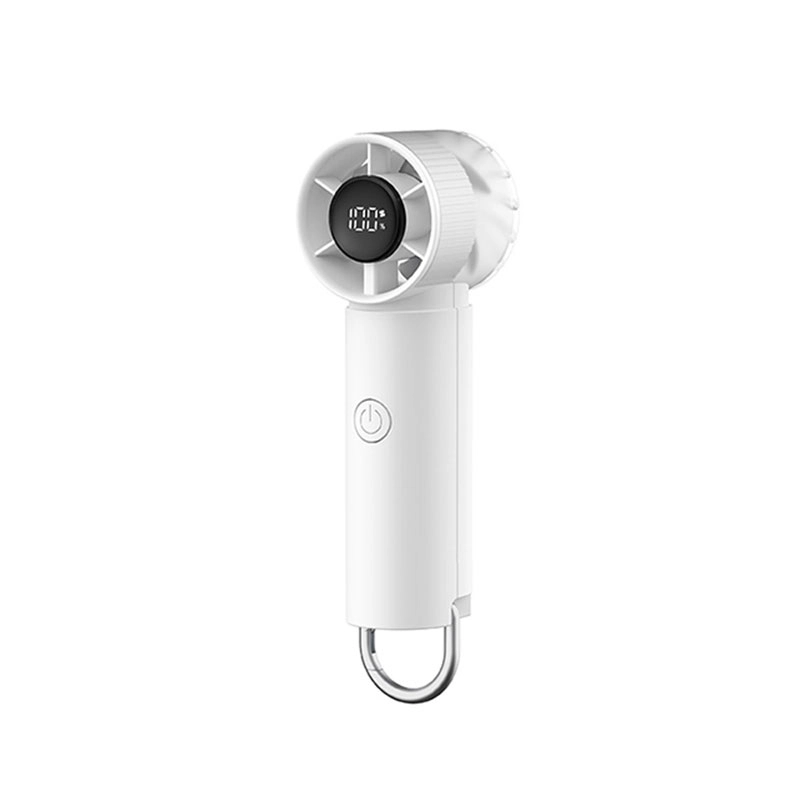
Customizable lightweight mini handheld cooling fan (with climbing hook) FS2667
This is a lightweight and portable + personalized customization product specially designed for commuters, students, the gift customization industry, and OEM/ODM buyers. It features (1) lightweight and easy portability, (2) a climbing buckle, and (3) a semi-transparent air duct design.
Start Your Custom Handheld Fans Manufacturing Project Today
If you have any comments or good suggestions, please leave us a message; later our professional staff will contact you as soon as possible.
Contact


4th Floor, Building 3, Jurong Industrial Park, No. 27-1-1, Fu'an Industrial Zone,Leliu Town (Pancun), Shunde District, Foshan City, Guangdong Province
 Scan QR Code
YouTube
Twitter
Facebook