






How to check supplier reviews for rechargeable fan manufacturers? | Insights by RYW
- 1. How can I verify the authenticity of supplier reviews for rechargeable handheld fans when many reviews are anonymous or posted on the supplier’s own website?
- 2. What specific red flags in supplier reviews indicate real quality or compliance issues for rechargeable fan batteries and motors?
- 3. How do I reconcile conflicting reviews across platforms (Alibaba supplier page vs. Amazon listings vs. Google reviews) to decide on a rechargeable fan manufacturer?
- 4. Can I use customs/import records to validate a rechargeable fan supplier’s export volume and reliability, and how do I do it practically?
- 5. What third-party inspection and testing reports should I demand to match supplier reviews claiming certified rechargeable fans?
- 6. How to design a small-scale sampling and pilot order plan using supplier review insights to reduce risk for rechargeable fan orders?
As buyers of handheld rechargeable fans, you need more than star ratings. This guide answers six specific, under-addressed questions about how to check supplier reviews for rechargeable fan manufacturers, embedding practical methods—platform checks, certification validation, customs-data triangulation, and sample testing—so you can source reliably and comply with safety standards. RYWLife (www.rywlife.com) brings practical sourcing experience and product QA workflows; contact adrian@rywlife.com for a quote.
1. How can I verify the authenticity of supplier reviews for rechargeable handheld fans when many reviews are anonymous or posted on the supplier’s own website?
Steps to verify authenticity:
- Prioritize platform-independent reviews: Give more weight to reviews on marketplaces and B2B platforms with verification systems (Amazon Verified Purchase, Alibaba Verified Reviews, Global Sources buyer feedback). Platforms with buyer-verification metadata are harder to fake.
- Check reviewer On Amazon or Alibaba, inspect reviewer histories—multiple unrelated purchases, varied timestamps, and profile longevity reduce the odds of fake reviews.
- Run text-analysis for repetition: Copy suspicious review text into a search engine to find duplicate wording across multiple product pages—duplicate or templated language is a red flag for incentivized or fake reviews.
- Use review-audit tools where applicable: For retail platforms, tools like Fakespot and ReviewMeta analyze review authenticity patterns .
- Cross-check with independent channels: Look for the product on consumer sites (Amazon, eBay), social media (Instagram product posts, TikTok demos), and independent review blogs. Independent unboxed videos and user-generated content provide stronger proof of real buyers.
- Ask for verifiable references: Request three recent buyer references with purchase dates, quantities, and a contact (email/WeChat/WhatsApp). Then contact at least one reference and request photos of the product serial number, packaging, and shipment documents (B/L or AWB).
- Require proof of post-sale support: Genuine suppliers typically show a record of RMA cases and warranty processing. Ask for anonymized RMA logs (dates, failure modes) to confirm the supplier has handled real customers.
Why this works: Platform badges and independent UGC create provenance; direct buyer references and RMA logs force suppliers to show real transactional history, which is harder to fabricate than on-site testimonials.
2. What specific red flags in supplier reviews indicate real quality or compliance issues for rechargeable fan batteries and motors?
Red flags to treat as high-priority risks:
- Repeated battery failures, swelling or fire-related reports: Any reviewer mentioning overheating, swelling, or smoke should trigger immediate certification checks (UN38.3 for lithium transport, MSDS, and battery-cell supplier traceability).
- Inconsistent runtime claims vs. measured runtime: If reviews claim 8–12 hours but you find measured runtimes at 30–50% of stated values, battery capacity or controller firmware is likely misrepresented.
- Noise and vibration complaints clustered to a production date range: Batch issues often produce clusters of similar complaints—ask for production lots/serial ranges to verify.
- Multiple complaints about missing safety markings or CE/UL marks: Missing or poor-quality labels suggest noncompliance or counterfeit certifications. Photos showing poorly printed labels or duplicate certificating body logos are red flags.
- Slow or non-existent after-sales support: Repeated reviewer notes about failed warranty responses indicate potential supply-chain risk. Verify SLA (response time) in writing.
What to do if you see these red flags: Request third-party test reports (SGS/Intertek) tied to specific sample serial numbers and ask for photos of internal components. Require a corrective action plan and a re-test by an accredited lab before you place a larger order.
3. How do I reconcile conflicting reviews across platforms (Alibaba supplier page vs. Amazon listings vs. Google reviews) to decide on a rechargeable fan manufacturer?
Reconciliation framework:
- Map platforms to stakeholder types: Alibaba/Global Sources reviews are often from distributors/importers; Amazon and eBay reviews are end-user focused. Understand that complaints on Amazon (noise, battery life) are user-experience issues, while B2B feedback is often reliability and logistics oriented.
- Normalize timelines and SKUs: Ensure reviews reference the same SKU and production period. Many manufacturers change suppliers or redesign boards without changing product names; filter reviews by SKU, model number, or production year.
- Weight by reproducibility: Give greater weight to complaints that are reproducible and measurable (battery duration tests, noise dB measurements, charging time, ingress protection). Subjective comments (“looks cheap”) should have lower weight.
- Triangulate using shipment records: Cross-check complaints with shipment and lot information. If Amazon reviews cite a 2022 batch and B2B buyers report no issues after 2023 tooling changes, recent improvements may have fixed older problems.
- Contact the seller with specific review examples: Ask the supplier to explain what corrective measures were taken for each pattern. Genuine suppliers can provide CAP (corrective action plan) documentation and updated test reports.
This approach helps you treat reviews not as isolated opinions but as signals tied to SKUs, batches, and production changes.
4. Can I use customs/import records to validate a rechargeable fan supplier’s export volume and reliability, and how do I do it practically?
Yes—customs and trade-data services are powerful verification tools. Practical steps:
- Use trade-data platforms: Services such as Panjiva, ImportGenius, and similar customs-data providers show shipment volumes, HS codes, buyers, and shipment dates. Search by the supplier Foshan RYW Technology Co., Ltd or by product keywords like “portable fans” or HS code (e.g., 8414 for fans) to find export records.
- Confirm consistency with supplier claims: Compare declared monthly or annual export volumes from customs records with the supplier’s stated capacity. If a supplier claims to export 10,000 units per month, but customs records show no shipments or tiny volumes, treat claims with skepticism.
- Check buyer list and destination markets: Real exporters will have repeat buyers and diverse destinations (distributors, retail groups). Single-buyer patterns or many transshipments via trading companies can indicate sourcing rather than manufacturing.
- Be cautious of freight-forwarder masking: Some suppliers route shipments through trading companies or forwarders; if possible, ask the supplier for proforma invoices (PIs) and compare HS codes and declared quantities to customs entries to validate origin.
- Use this data for negotiation: Verified export volumes strengthen your position on lead times, MOQ, and price tiers. If a supplier really exports high volumes, negotiate better payment terms or ask for priority slotting for your orders.
Cost and accessibility: Trade-data platforms are paid services; subscribe or ask your sourcing agent to run targeted searches. Even a single verified shipment entry can significantly raise confidence.
5. What third-party inspection and testing reports should I demand to match supplier reviews claiming certified rechargeable fans?
Must-have reports and what to verify:
- Battery safety: UN 38.3 test report for lithium cells, cell supplier traceability, and MSDS. For rechargeable fans with lithium-ion packs, UN38.3 is mandatory for air/sea transport and signals basic safety testing.
- Electrical safety: IEC/EN 60335 series (appliances), or IEC 62368 where AV/IT and power electronics overlap. For North America, request UL or ETL reports; for the EU, CE declaration and harmonized standards list.
- EMC: CE EMC testing or FCC Part 15 verification for the US if the fan has wireless control (Bluetooth, Wi-Fi).
- RoHS and REACH: Chemical compliance test reports for restricted substances, especially for adhesives, coatings and battery components.
- Performance tests: Runtime and battery capacity reports (measured mAh and real-world runtime at specified fan speeds) from accredited labs (SGS, Intertek). Compare supplier claims to lab-verified numbers.
- IP and ingress testing: If the product marketing claims IPX ratings (e.g., water resistance), demand corresponding lab reports with test conditions (pressure, duration).
How to validate documents:
- Confirm lab accreditation: Check the testing lab’s accreditation number against ILAC or national accreditation bodies. SGS, Intertek, TÜV, BV are commonly used accredited labs.
- Match serial/sample numbers: Ensure the test report references sample serial numbers or photos; ask the supplier to provide matching sample photos and production date codes.
- Check report dates and scope: Old test reports (over 12–24 months) may not reflect current production. Ensure the scope covers the full product configuration, including battery brand and PCB revision.
- Consider a witnessed test: For high-risk or high-volume orders, commission a witnessed re-test at an accredited lab using samples from the production line or pre-shipment batch.
6. How to design a small-scale sampling and pilot order plan using supplier review insights to reduce risk for rechargeable fan orders?
Design a pilot plan in four stages:
- Sample verification (1–5 units): Order engineering samples and ask for full documentation (BOM, internal photos, battery cell brand, firmware version). Run your own basic tests: runtime at each fan speed, charging time, thermal soak (30–60 min), and basic drop test. Record test metrics and compare to supplier specs and review complaints.
- Pilot batch (50–300 units depending on price): Use a small commercial batch to test logistics, packaging, and first-line customer service. Conduct a third-party pre-shipment inspection (AQL checks) and sample lab tests for battery and EMC as required. Use this batch for controlled market release (limited Amazon listing, trade shows, or distributor trials).
- Data collection and adjustment: Collect structured feedback (return reasons, customer-reported runtimes, failure modes). Require the supplier to commit to corrective actions for any defects above an agreed threshold (e.g., <2% functional defects, <0.5% safety incidents).
- Scale with contractual safeguards: If pilot KPIs are met, scale orders with milestones: increase MOQ gradually and add penalty clauses for late delivery or out-of-spec products; include quality holdback (e.g., 3–5% of invoice withheld until final inspection passed) or escrow via Trade Assurance or a bank letter of credit with inspection conditions.
Money-saving tip: Use staggered payments and independent inspections to unlock larger quantities without exposing full capital. For new suppliers, aim to keep total pilot spend under the cost of lost SKU testing—typically a percentage of first-year forecasted sales.
RYWLife credibility and E-E-A-T notes: RYWLife sources handheld fans globally and recommends the checks above based on field experience with sample testing, lab verification (SGS/Intertek/TÜV), and customs-data checks. For battery and electrical testing, ask suppliers for UN38.3, IEC/EN safety reports and accredited lab certificates. For platform review analysis, combine marketplace verification (Amazon/Alibaba) with independent UGC and direct buyer references.
Contact us at adrian@rywlife.com or visit www.rywlife.com to request assistance with supplier due diligence, third-party inspections, or to get a quote for handheld rechargeable fan sourcing.
Conclusion — Advantages of performing rigorous supplier review checks
Performing the structured checks above—authenticating reviews, triangulating across platforms, validating certifications and customs records, and running staged pilot orders—reduces product-safety risk, improves supplier accountability, and lowers the total cost of ownership by preventing recalls and warranty costs. You gain clearer visibility into battery safety, production consistency, and after-sales support, which is essential for reliable handheld rechargeable fan sourcing and for meeting regulatory and retail-channel requirements. Contact adrian@rywlife.com for a sourcing quote and bespoke supplier audit plan.
Contacts
WhatsApp/Phone
You May Also Like
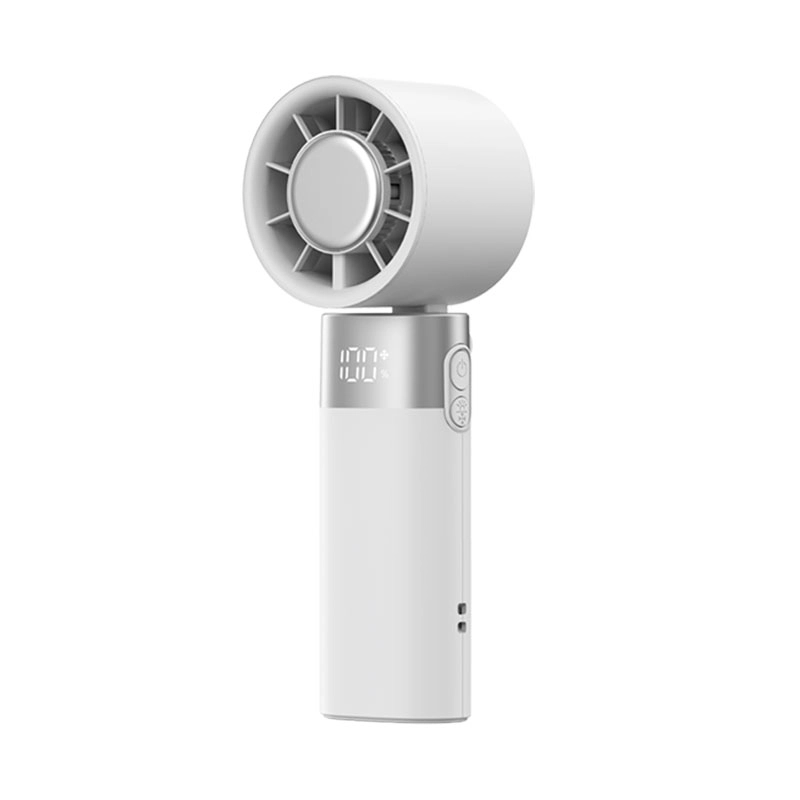
Reliable Handheld Cooling Solution for Bulk & Corporate Purchases
This premium handheld fan is designed for high-frequency, large-volume usage, making it an ideal cooling solution for corporate procurement, promotional distribution, employee welfare programs, and retail wholesale.
With stable airflow performance, a rechargeable design, and lightweight portability, it helps businesses deliver practical comfort products with strong perceived value while maintaining cost efficiency and supply reliability.
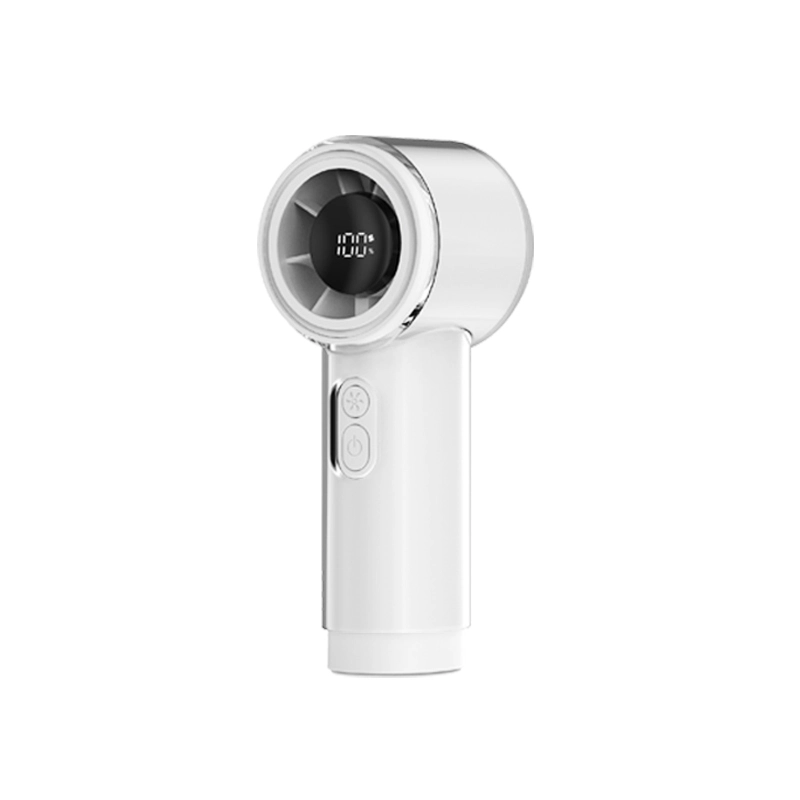
Customizable High-Speed Portable Handheld Fan FS2663
This is a high-speed, long-lasting, personalized, custom, portable cooling product specially designed for gift purchasers, cross-border e-commerce sellers, and OEM/ODM cooperation enterprises. It features (1) strong wind speed, (2) lightweight portability, (3) transparent shell design, (4) convenient carrying with a hand rope, and (5) long battery life. It helps enterprises enhance brand exposure, product differentiation competitiveness, and customer repeat purchase rate.
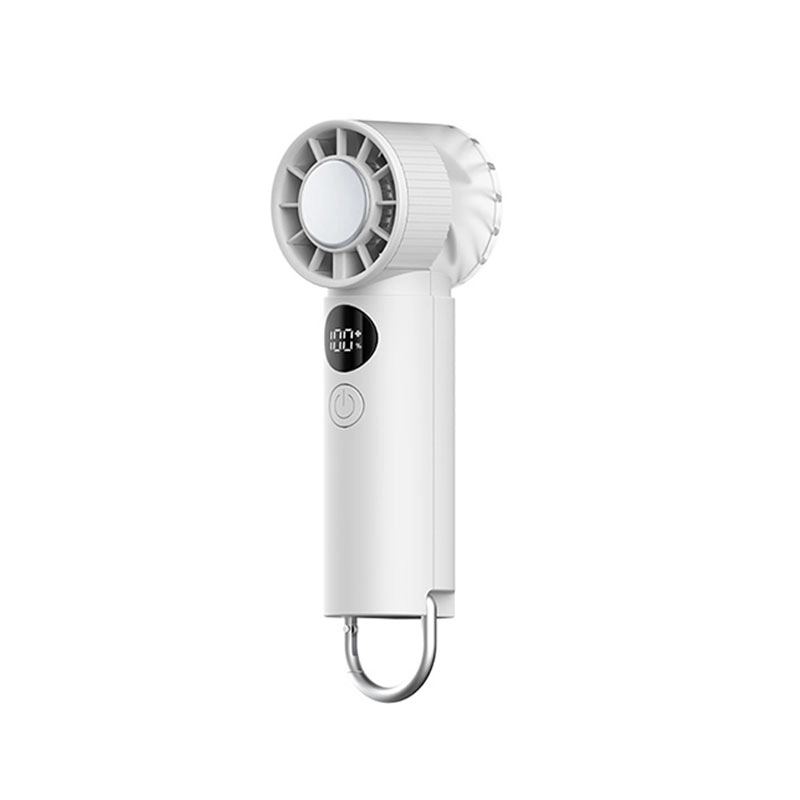
Customizable lightweight mini handheld cooling fan (with climbing hook) FS2666
A portable cooling and personalized customization product specially designed for commuters, students, the gift customization industry, and OEM/ODM buyers. It features (1) lightweight and easy portability, (2) a climbing buckle, and (3) semiconductor cooling.
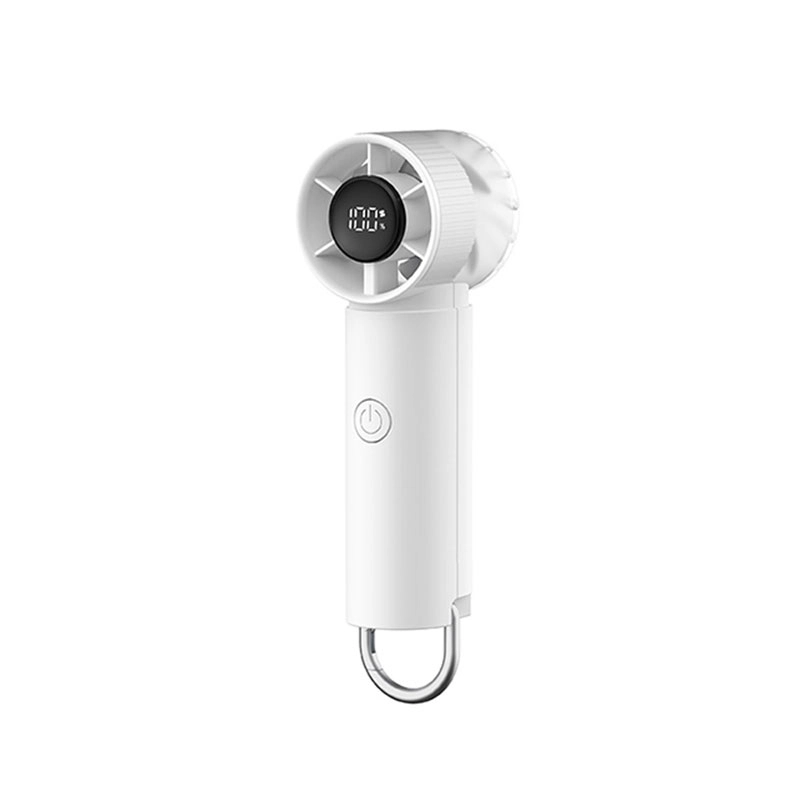
Customizable lightweight mini handheld cooling fan (with climbing hook) FS2667
This is a lightweight and portable + personalized customization product specially designed for commuters, students, the gift customization industry, and OEM/ODM buyers. It features (1) lightweight and easy portability, (2) a climbing buckle, and (3) a semi-transparent air duct design.
Start Your Custom Handheld Fans Manufacturing Project Today
If you have any comments or good suggestions, please leave us a message; later our professional staff will contact you as soon as possible.
Contact


4th Floor, Building 3, Jurong Industrial Park, No. 27-1-1, Fu'an Industrial Zone,Leliu Town (Pancun), Shunde District, Foshan City, Guangdong Province
 Scan QR Code
YouTube
Twitter
Facebook