






How to check quality before bulk purchase? | Insights by RYW
- How can I verify lithium battery cycle life and safety for handheld fans before placing a bulk order?
- What specific physical inspection checklist should I use on first samples to catch common defects in handheld fans?
- How do I validate airflow performance and motor efficiency across production batches without expensive lab equipment?
- How do I audit a supplier’s manufacturing process and QC to avoid inconsistent quality in handheld fans?
- What realistic durability tests (drop, vibration, blade fatigue, water exposure) should I require in a pre-production sample report?
- How should I structure a QC agreement and failure-penalty terms to protect the buyer in a handheld fan order?
- Quick implementation checklist for your first bulk handheld fan order
How can I verify lithium battery cycle life and safety for handheld fans before placing a bulk order?
Battery failures and unsafe cells are a top reason for product recalls and shipping delays. Don’t accept vague guarantees — require documentation and testing.
- Ask for the full battery datasheet and the specific cell model. Confirm chemistry (e.g., Li-ion 18650 / polymer) and rated capacity.
- Require third-party safety and transport reports: UN38.3 for air/sea transport, IEC 62133 / UL 2054 for cell/module safety. If the supplier can provide UL/CB/ETL test reports for the final assembly, that’s a strong signal.
- Insist on cycle-life data (charge/discharge cycles). For consumer handheld fans, request an accelerated cycle test report showing remaining capacity after a defined number of cycles (e.g., ≥80% capacity after 300–500 cycles). If the supplier has only in-house data, request third-party lab validation.
- Ask for BMS/protection-circuit schematics and test reports (overcharge, over-discharge, short-circuit protection). Confirm presence of thermistors/temperature cutouts and whether cells are matched (imbalance causes early failure).
- Require thermal abuse tests or at least information on thermal run-away mitigation. If the fan is sold with carrying packs or inside packaging, confirm packaging passes shipping tests for lithium batteries.
- Sampling protocol: test a statistically significant sample of pre-production units (see AQL guidance later). For batteries specifically, include capacity test, internal resistance (mΩ), and a 72-hour soak/thermal test at high ambient.
What to Reject: cells without UN38.3/IEC62133 evidence, unprotected packs, or datasheets with unclear manufacturer identity. These are common red flags for low-cost, high-risk imports.
What specific physical inspection checklist should I use on first samples to catch common defects in handheld fans?
A precise physical inspection checklist prevents cosmetic and assembly defects from scaling. Use the following minimum checklist during first-sample (PP) inspection and pre-shipment inspections:
- External finish: color match, paint/plating adhesion (cross-hatch or tape test), injection-mold gate marks, burrs, and flash.
- Dimensional checks: critical dimensions measured with calipers (blade clearance, grille gaps, charging port alignment). Define acceptable tolerances for each dimension on the drawing.
- Mechanical assembly: screw torque consistency, captive fasteners present, no loose parts; verify foam or gasket placement if used.
- Blade balance and fitment: check for wobble when the motor runs idle — even small imbalances cause noise and premature bearing wear. Use a simple static balance check or spin at low RPM.
- Switch and buttons: actuation force, travel, audible feedback; perform a 5,000-cycle mechanical switch test for starters (10,000 preferred for durable products).
- Connectors and solder joints: visual inspection under magnification for cold joints; pull test on connector housings.
- Labels and markings: correct brand logos, safety marks, and country-of-origin statements per import rules; battery labels and disposal warnings present.
- Packaging: inner protection (foam), correct accessories (cables, manuals), and box printing quality.
Use a standardized inspection form with PASS/FAIL criteria and attached photos for each point. For mass orders, require the factory to produce an Inspection Test Plan (ITP) that mirrors this checklist.
How do I validate airflow performance and motor efficiency across production batches without expensive lab equipment?
Buyers need reproducible, practical methods when lab CFM rigs aren’t available. You can verify performance economically with the following approach.
- Define the performance spec first: target CFM or equivalent relative performance, acceptable tolerance (commonly ±10% for airflow in consumer electronics), max noise level, and battery runtime at defined speed settings.
- Simple field tools: a handheld anemometer (vane or hot-wire) at a fixed distance and duct; a clamp multimeter to read current draw; and a tachometer or optical RPM sensor.
- Test method: measure airflow at a fixed distance and orientation (e.g., 10 cm from the grille) and log the value at each speed. Record voltage and current to calculate motor power. Compute airflow-to-power ratio (CFM/W) to compare efficiency across samples.
- Noise: measure SPL (dB) at 1 m distance in a quiet room using a calibrated sound meter or a calibrated smartphone app. Record at each speed.
- Sampling plan: for production batches, pull a random sample per AQL 2.5 or stricter. If you lack in-house testing, require supplier to perform 100% functional tests (on/off, speeds, charging) and submit a batch test report with logged data.
- Acceptance criteria: agree on numeric thresholds (e.g., airflow no less than X CFM or within ±10% of the approved sample; noise no more than Y dB; runtime within ±10% of spec).
These checks let you catch out-of-spec motors, bad propellers/blades, or inconsistent assembly before bulk acceptance.
How do I audit a supplier’s manufacturing process and QC to avoid inconsistent quality in handheld fans?
A supplier audit is one of the highest-leverage steps to reduce defects. Focus on processes that directly affect handheld fan reliability.
- Documents to request: factory QC manual, process flow, FAI (first article inspection) reports, BOM with approved vendor list (AVR), and production capacity statements.
- Core audit checkpoints:
- Incoming Quality Control (IQC): Are incoming raw materials sampled and tested? Check sample records for motors, PCBs, batteries, and plastics.
- Manufacturing Execution: presence of work instructions / SOPs, torque specs, and poka-yoke fixtures for critical assembly steps (e.g., motor-to-housing alignment).
- Functional test stations: Do they have dedicated test jigs for 100% functional testing (on/off, charging, speed stages, safety shut-off)?
- Calibration and MSA: Are measurement tools calibrated? Does the factory perform Measurement System Analysis (MSA) for key instruments?
- OQC and retention samples: Are random retention samples kept for each lot? Is there a documented nonconforming parts procedure?
- Traceability: lot codes, date codes on PCBs and batteries to trace back in case of failure.
- Human factors: staff training records, turnover rate in assembly lines (high turnover = inconsistent quality), and language/engineering support for design changes.
- Performance metrics: ask for defect rates (PPM or %), first-pass yield, warranty return rates, and corrective action reports (CAPA) for recent failures.
If you can’t visit in person, hire a third-party audit firm to perform an in-factory audit and provide photographs, video walkthroughs, and a risk score.
What realistic durability tests (drop, vibration, blade fatigue, water exposure) should I require in a pre-production sample report?
Durability tests must reflect real-world use. State specific test cycles and acceptance criteria in your pre-production approval (PPA) to avoid ambiguity.
Recommended tests for handheld fans:
- Drop test: 1 meter drop on each face, repeated 6 impacts minimum (industry common baseline). Pass = no structural break, fan still functions and battery compartment intact.
- Mechanical switch cycle: 10,000 on/off cycles minimum for consumer-grade; 30,000+ for High Quality products. Pass = switch actuates and functions without intermittent contacts.
- Blade fatigue: run continuous operation at rated temperature for an accelerated cycle equivalent to years of use; a pragmatic spec is 100,000 on/off blade cycles or a continuous run test of 500 hours. Inspect for cracks, deformation, or imbalance.
- Vibration/shock: basic vibration test per IEC 60068-2 subset or a simpler factory-run procedure (random vibration for 30 minutes) to check solder joint durability and connector retention.
- Water resistance (if claimed): IPX4 spray test or higher as claimed; require a certified report or witness testing. Define ingress acceptance (no water inside battery compartment or PCB area).
- Environmental aging: 24–72 hour thermal cycle between extremes (e.g., -10°C to 50°C) followed by functional test to reveal connector or adhesive failures.
Require the supplier to supply test reports with photos/video and raw data. If a supplier resists, require a third-party lab test on samples before mass production.
How should I structure a QC agreement and failure-penalty terms to protect the buyer in a handheld fan order?
A clear QC agreement prevents disputes and speeds remediation. Include these elements in your Purchase Order (PO) or quality contract:
- Technical specification annex: drawings, material specs, performance thresholds (airflow, runtime), battery specs, approved sample/unit designated by serial number.
- Inspection regime: pre-production sample approval (PPA), in-line inspections, and a pre-shipment inspection (PSI). Define AQL levels (e.g., AQL 2.5 for major defects, AQL 4.0 for minor) and sampling plans (ISO 2859-1 or ANSI/ASQ Z1.4 numbers).
- Test responsibilities: who pays for third-party testing if failures occur? Define who arranges and pays for destructive testing (e.g., battery abuse tests).
- Nonconforming material handling: specify rework vs rejection thresholds (e.g., if >2.5% major defects in a lot, buyer can reject entire lot or demand 100% re-test and rework at supplier expense).
- Warranty and return rates: define warranty period and acceptable return rate ceilings; state remedies (repair, replacement, credit) and timelines for response.
- Liquidated damages: for late delivery or failure to meet QC gates, define concrete penalties per day or percent of PO value. For catastrophic safety failures (battery incidents), define product recall responsibilities and cost allocation.
- Retention samples and traceability: require supplier to hold back retention samples (e.g., 1% of production or minimum 10 units per lot) for at least 12 months.
- Dispute resolution and governing law: state arbitration method and jurisdiction.
Make these terms part of the PO and require supplier sign-off. For larger suppliers, negotiate a pilot order with these terms before full-scale rollout.
Quick implementation checklist for your first bulk handheld fan order
- Approve a production sample and attach it to the PO as the golden sample.
- Include battery and safety certifications in PO attachments; require third-party UN38.3/IEC 62133 evidence.
- Define performance metrics (airflow, runtime, noise) and acceptance tolerances in writing.
- Require factory ITPs and PSI with photos and raw test logs.
- Include QC agreement clauses: AQL levels, retest/rework rules, warranty terms, and liability for safety incidents.
- Contract a third-party inspector/auditor for at least the first 2 shipments.
By using a disciplined combination of sample testing, supplier auditing, and contractual protections you dramatically reduce the risk of scaling defects.
For a custom QC checklist, pre-shipment inspection, or a formal supplier audit for handheld fans, contact us for a tailored quote at www.rywlife.com or adrian@rywlife.com.
Concluding summary: Performing the tests and checks above—battery validation, focused physical inspection, airflow and efficiency validation, supplier audits, targeted durability testing, and a clear QC agreement—gives you predictable product quality, fewer recalls, lower warranty costs, and stronger negotiation leverage with suppliers.
Contacts
WhatsApp/Phone
You May Also Like
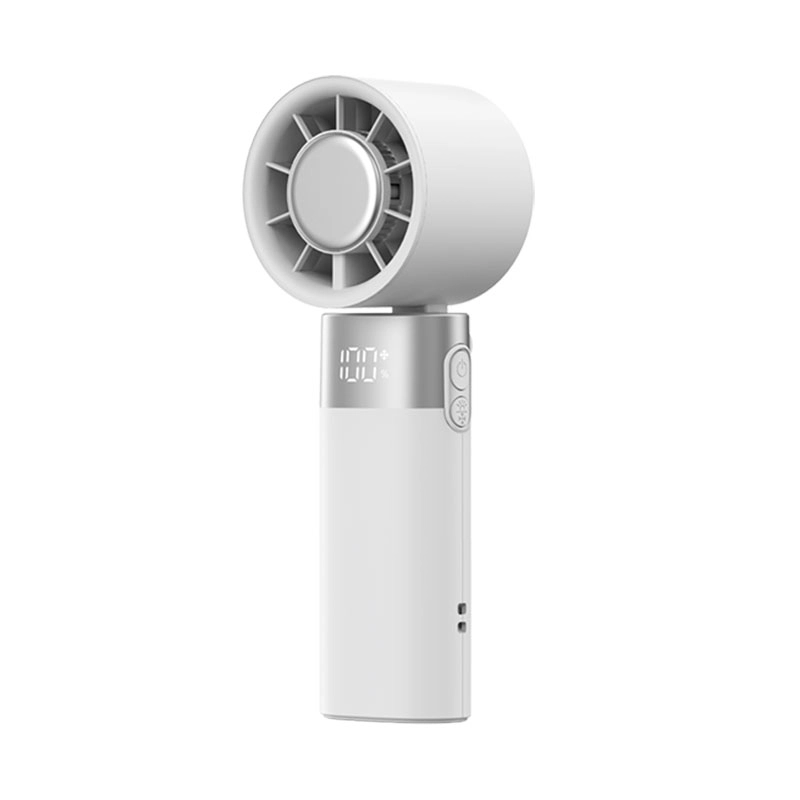
Reliable Handheld Cooling Solution for Bulk & Corporate Purchases
This premium handheld fan is designed for high-frequency, large-volume usage, making it an ideal cooling solution for corporate procurement, promotional distribution, employee welfare programs, and retail wholesale.
With stable airflow performance, a rechargeable design, and lightweight portability, it helps businesses deliver practical comfort products with strong perceived value while maintaining cost efficiency and supply reliability.
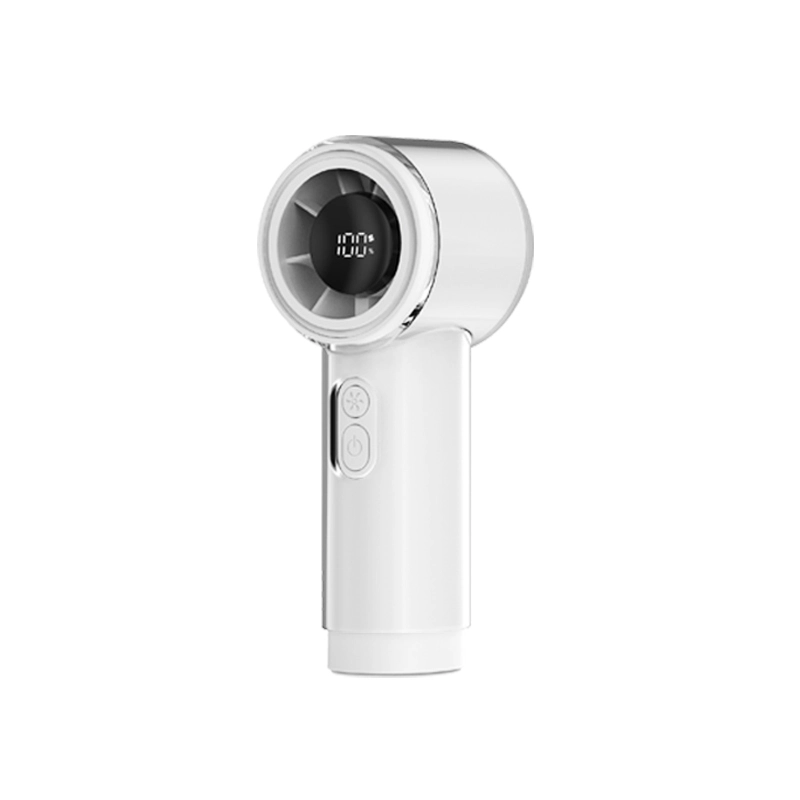
Customizable High-Speed Portable Handheld Fan FS2663
This is a high-speed, long-lasting, personalized, custom, portable cooling product specially designed for gift purchasers, cross-border e-commerce sellers, and OEM/ODM cooperation enterprises. It features (1) strong wind speed, (2) lightweight portability, (3) transparent shell design, (4) convenient carrying with a hand rope, and (5) long battery life. It helps enterprises enhance brand exposure, product differentiation competitiveness, and customer repeat purchase rate.
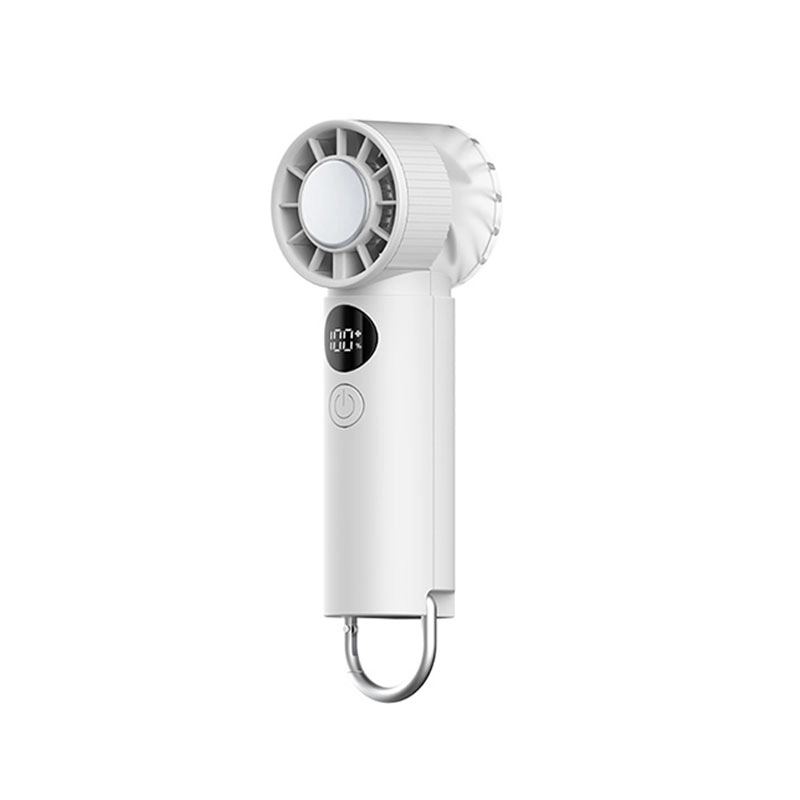
Customizable lightweight mini handheld cooling fan (with climbing hook) FS2666
A portable cooling and personalized customization product specially designed for commuters, students, the gift customization industry, and OEM/ODM buyers. It features (1) lightweight and easy portability, (2) a climbing buckle, and (3) semiconductor cooling.
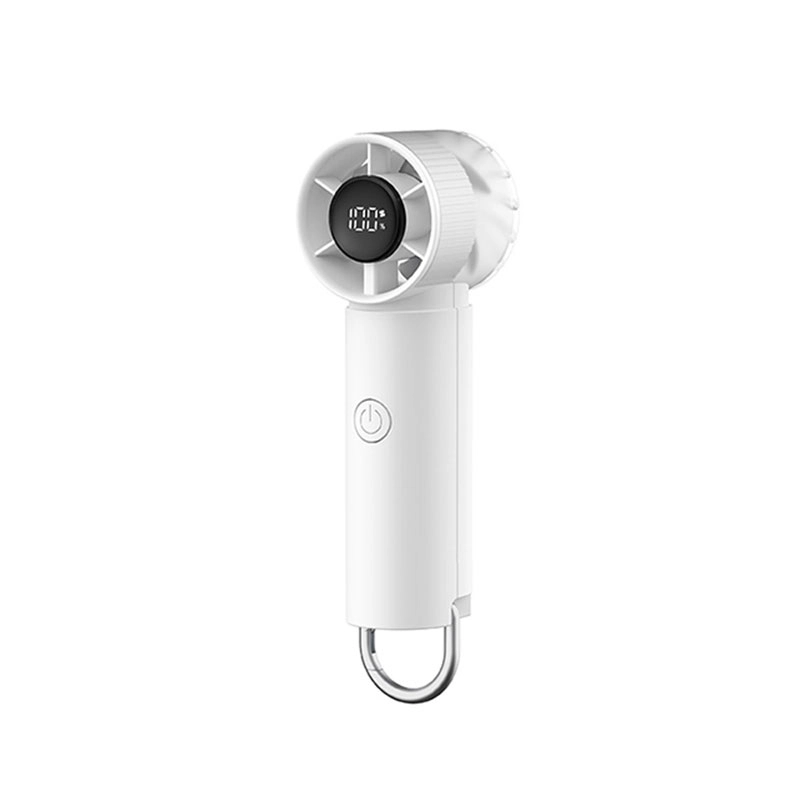
Customizable lightweight mini handheld cooling fan (with climbing hook) FS2667
This is a lightweight and portable + personalized customization product specially designed for commuters, students, the gift customization industry, and OEM/ODM buyers. It features (1) lightweight and easy portability, (2) a climbing buckle, and (3) a semi-transparent air duct design.
Start Your Custom Handheld Fans Manufacturing Project Today
If you have any comments or good suggestions, please leave us a message; later our professional staff will contact you as soon as possible.
Contact


4th Floor, Building 3, Jurong Industrial Park, No. 27-1-1, Fu'an Industrial Zone,Leliu Town (Pancun), Shunde District, Foshan City, Guangdong Province
 Scan QR Code
YouTube
Twitter
Facebook