





What certifications should handheld electric fans have? | Insights by RYW
- 1) Do handheld electric fans need both UL/ETL and CE marks, and when is each required?
- 2) What battery certifications must a lithium-ion powered handheld fan have to be shipped and sold safely?
- 3) How can I verify an OEM's certification documents to avoid counterfeit CE, FCC or UL labels on handheld fans?
- 4) Are IP (water/dust) and flame-retardant material ratings necessary for outdoor-use handheld fans, and which tests should be specified?
- 5) Which EMC and wireless certifications apply to Bluetooth or RF-enabled handheld fans to sell in the EU, US, Japan, and Australia?
- 6) What lab test report ages and validity should I accept when sourcing handheld fans to ensure up-to-date compliance?
1) Do handheld electric fans need both UL/ETL and CE marks, and when is each required?
Short answer: it depends on the market. UL/ETL and CE are region-specific compliance signals addressing safety and legal market entry. For the US market, a third-party safety certification such as UL (Underwriters Laboratories) or ETL (Intertek) to the applicable fan or appliance safety standard is strongly recommended and often expected by retailers and insurers. For the European market, a CE mark (self-declaration or Notified Body involvement when applicable) shows conformity with EU directives: the Low Voltage/household appliance safety requirements (national implementations of IEC/EN appliance safety standards), the EMC Directive, and the RoHS/WEEE rules where applicable. For the UK market, UKCA replaces CE for many products.
Practical checklist:
- US: request proof of UL 507 or equivalent verification (UL 507 covers electric fans) or an ETL report that references equivalent standards. Retailers typically ask for a listed/certified file.
- EU: request a Declaration of Conformity (DoC) and the technical file showing harmonized standards used (e.g., EN or IEC household appliance safety standards, EN 55014-1/2 for emissions/immunity, and applicable EN radio standards if wireless).
- For both: RoHS compliance and WEEE marking are expected in the EU; bill of materials and supplier declarations are needed.
Why both? If you plan multi-market distribution you need region-appropriate evidence. Many manufacturers obtain UL/ETL for US retail acceptance and CE/UKCA/CB for global channels. ETL and UL are often interchangeable in acceptance; both indicate independent lab testing to relevant standards.
2) What battery certifications must a lithium-ion powered handheld fan have to be shipped and sold safely?
Lithium battery safety is one of the most frequent pain points for handheld battery-powered fans. The two essential standards/bundles you must see are IEC 62133 and UN38.3:
- IEC 62133 (secondary cells and batteries containing alkaline or other non-acid electrolytes) — a safety standard for portable rechargeable cells and battery packs. Ask for the full IEC 62133 test report for the specific cell type or pack construction used in the fan (often IEC 62133-2 for lithium-ion).
- UN38.3 (UN Manual of Tests and Criteria, Section 38.3) — mandatory for transport. Every lithium cell/pack that is transported by air, sea, or road requires UN38.3 test documentation for shipping. Airlines and freight forwarders will stop shipments without it.
Other practical points:
- For air carriage of spare batteries: follow IATA/DGR rules — consumer lithium-ion cells ≤100 Wh are normally allowed in checked/cabin baggage but spare batteries have strict handling rules; packs 100–160 Wh often require airline approval; >160 Wh are restricted. If you ship fan accessories or replacement batteries, ensure your logistics partner enforces those rules.
- Battery cell vs. battery pack: a manufacturer may rely on a cell supplier’s IEC 62133 report, but if they assemble a pack (different protection circuit, different enclosure), they must provide IEC 62133 test results for that pack design.
- Documentation to request: IEC 62133 full test report, UN38.3 test report and test summary, cell manufacturer’s Declaration of Conformity, material safety data sheet (MSDS), and battery labeling photos matching the product.
3) How can I verify an OEM's certification documents to avoid counterfeit CE, FCC or UL labels on handheld fans?
Counterfeit or out-of-scope markings are common. Use a layered verification approach:
- Ask for originals (scans) of full test reports and certificates, not just photos of a label. Key pages: scope page, product/model identification, standard clauses referenced, test results pages, lab accreditation statement and signature/date.
- Check the issuing lab’s accreditation: the laboratory should be ISO/IEC 17025 accredited; check the lab’s accreditation body against ILAC-MRA (international recognition). The lab name on the report should match an accreditation listing.
- Match model numbers and sample photos: the serial/model on the report must match the product and packaging exactly. Differences in firmware, battery capacity, or mechanical design invalidate the test scope.
- For FCC: use the FCC ID database (grantee and product model). For UL/ETL: verify the file number in the UL Online Certifications Directory or Intertek’s directory. For CB reports: verify via the IECEE CB scheme database. For CE, request the Declaration of Conformity and the technical file; CE is often self-declared, so examine the harmonized standards list and evidence that testing was performed to them.
- If in doubt, commission a sample test from an independent ISO/IEC 17025 lab (random sample from the production batch). This is the only foolproof way to avoid false claims.
Red flags: missing lab accreditation, vague product descriptions (e.g., “electrical device” instead of model number), certificates dated far in the past with no evidence of ongoing factory quality controls, or certificate numbers that cannot be verified in issuer databases.
4) Are IP (water/dust) and flame-retardant material ratings necessary for outdoor-use handheld fans, and which tests should be specified?
If you position a handheld fan for outdoor, travel, or humid environments, IP and flammability ratings materially affect safety, returns and brand perception.
- IP ratings (IEC 60529): an IPX4 rating (splash resistance) is a common minimum for outdoor/sport fans; IPX7 covers short-term immersion and is a much higher hurdle. For dust-proofing, IP5X or IP6X indicate dust protection. Specify the exact IP code you need based on intended use (rain-splash vs. full washdown) and insist the vendor provides the IEC 60529 test report for the assembled product, not just for a housing sample.
- Flame retardancy: plastics used in housings and internal supports should reference UL94 (V-0, V-1, V-2) test results. UL94 V-0 is the most stringent common requirement for consumer electronics plastics — it prevents sustained flaming of small parts. Ask for material certificates showing UL94 classification for the specific resin batch used, and ensure the manufacturer’s BOM links material certificates to the finished assembly.
- Battery thermal safety: outdoor use increases risk factors (heat, sunlight). Verify IEC 62133 testing includes abuse tests representative of expected conditions and ask whether thermal run-away mitigation (venting, thermal fuses, protective PCB) is implemented. If you plan to market as 'beach-proof' or in high-heat climates, request additional thermal cycling and high-temperature storage test data.
Also consider corrosion and salt-spray testing for metal components if the product will be used in coastal environments.
5) Which EMC and wireless certifications apply to Bluetooth or RF-enabled handheld fans to sell in the EU, US, Japan, and Australia?
For fans with radio (Bluetooth/Wi-Fi) modules or any RF transmitter, you must meet both EMC and radio regulations for each market:
- United States: FCC Part 15 (unlicensed ISM band devices) — you will need an FCC Declaration of Conformity or an FCC grant of equipment authorization depending on integration. Check RF exposure requirements (if applicable) and ensure the FCC ID is searchable in the FCC database.
- European Union: Radio Equipment Directive (RED 2014/53/EU) — requires conformity with essential requirements for safety, EMC and efficient use of spectrum. For 2.4 GHz Bluetooth modules, EN 300 328 (or applicable harmonized standard) is commonly used, and EN 55014-1/EN 55014-2 for emissions/immunity for household appliances. Your CE technical file should reference these standards.
- Japan: Giteki/TELEC certification (Telecom Engineering Center) — radio devices often require certification by a registered conformity assessment body (RCAB) before sale.
- Australia/New Zealand: RCM (Regulatory Compliance Mark) — combines EMC and radio compliance evidence; for radio equipment also follow ACMA requirements.
- Canada: Industry Canada (IC) radio standards and licensing — similar to FCC but has its own database and label format.
Practical advice: If using a pre-certified Bluetooth module within its allowed integration conditions, you may limit the scope of testing needed for the final product, but you must still verify EMC in the final enclosure and antenna placement. Always ask for the module’s certificate and ensure integration remains within the declared conditions (antenna, PCB layout, shielding). If changes are made, retesting often becomes mandatory.
6) What lab test report ages and validity should I accept when sourcing handheld fans to ensure up-to-date compliance?
Standards evolve and product lines change — accepting old reports is a common compliance gap. Use these rules of thumb:
- Accept test reports that are not older than 2–3 years if the product design, components (battery, motor, RF module), firmware, and supplier sources are identical. If any of those change, you must re-test or obtain an extension from the issuing lab.
- If a harmonized standard (for CE) or a technical standard (for FCC/UL/IEC) has been revised since the test date, older reports may become out-of-date even if the product didn’t change. Ask suppliers to state which edition of each standard the tests reference. If the standard version has been superseded and the harmonized list updated, re-testing or a thorough technical assessment is required.
- For certificates that are market registrations (e.g., UL listing), check online directories to confirm they are still active and cover the exact model. For DoCs and CE self-declarations, check that the technical file references current harmonized standards.
- Battery and UN38.3 documents are treated strictly by carriers — even if a UN38.3 test is 5 years old, a change in cell supplier, cell batch or pack assembly invalidates it. Treat battery evidence conservatively.
When in doubt, commission spot-check testing: an independent ISO/IEC 17025 lab can run targeted tests (EMC pre-compliance, basic safety, battery abuse) to confirm claims without full re-certification in many cases.
As a handheld fan industry specialist with deep experience in product compliance, manufacturing and global market access, my practical recommendation is to require vendors to provide full test reports (not just certificates), link each report to the exact product model and hardware revision, and verify issuing labs through accreditation bodies. Key certifications and documents to request during sourcing are: UL/ETL or equivalent safety certificates, CE/UKCA Declaration of Conformity and technical file, IEC 62133 and UN38.3 for batteries, EMC and radio test reports (FCC, RED, or local equivalents), RoHS declaration, IP/UL94 material reports when outdoor/flame-resistance claims are made, and up-to-date lab accreditation evidence (ISO/IEC 17025, ILAC recognition).
Contact us for a compliance checklist or quote to audit supplier documentation and arrange independent sample testing: visit www.rywlife.com or email adrian@rywlife.com.
Contacts
WhatsApp/Phone
You May Also Like
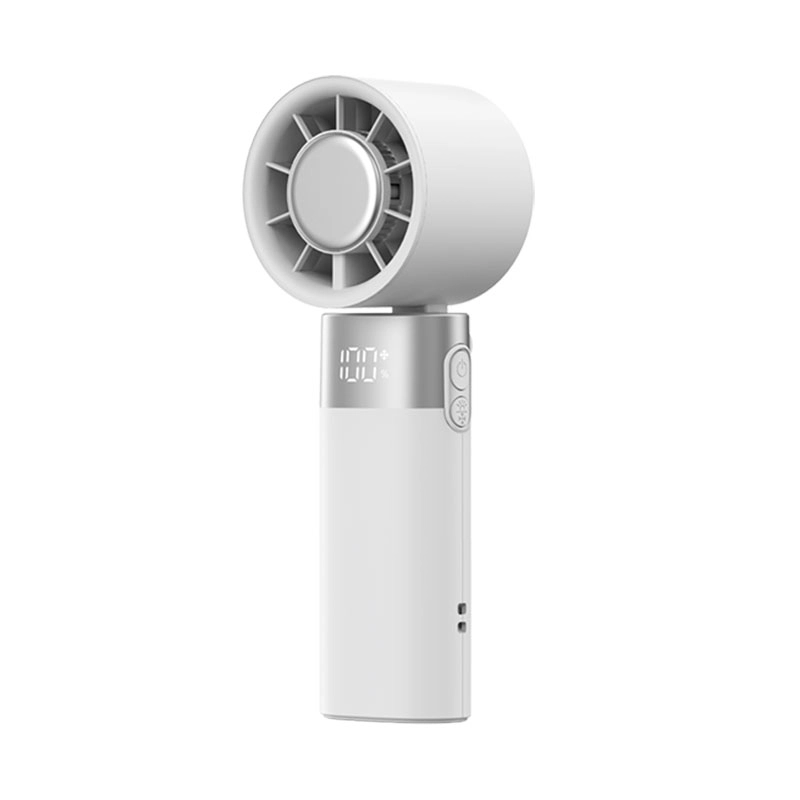
Reliable Handheld Cooling Solution for Bulk & Corporate Purchases
This premium handheld fan is designed for high-frequency, large-volume usage, making it an ideal cooling solution for corporate procurement, promotional distribution, employee welfare programs, and retail wholesale.
With stable airflow performance, a rechargeable design, and lightweight portability, it helps businesses deliver practical comfort products with strong perceived value while maintaining cost efficiency and supply reliability.
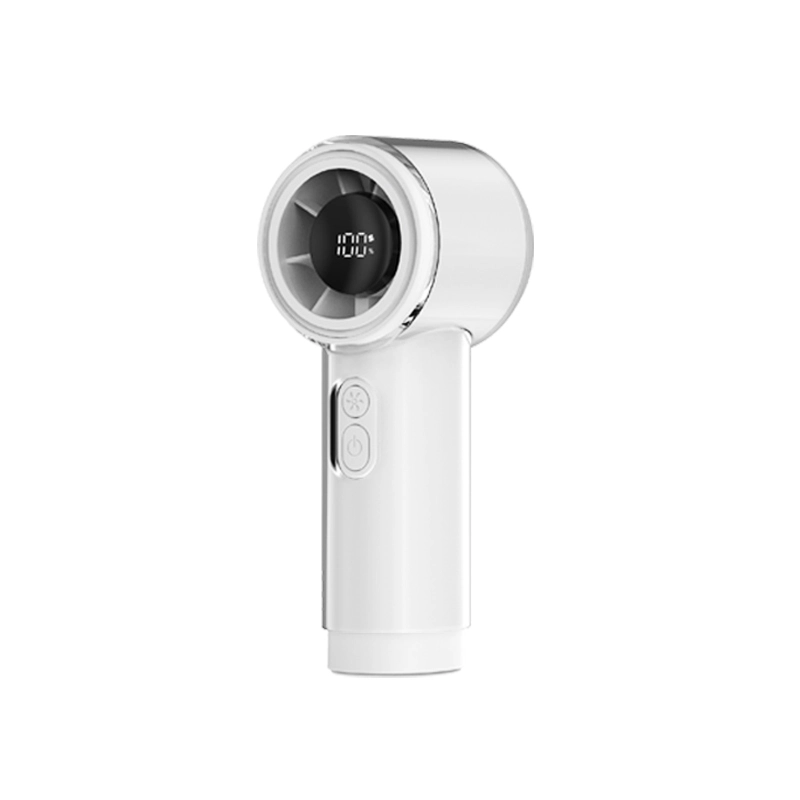
Customizable High-Speed Portable Handheld Fan FS2663
This is a high-speed, long-lasting, personalized, custom, portable cooling product specially designed for gift purchasers, cross-border e-commerce sellers, and OEM/ODM cooperation enterprises. It features (1) strong wind speed, (2) lightweight portability, (3) transparent shell design, (4) convenient carrying with a hand rope, and (5) long battery life. It helps enterprises enhance brand exposure, product differentiation competitiveness, and customer repeat purchase rate.
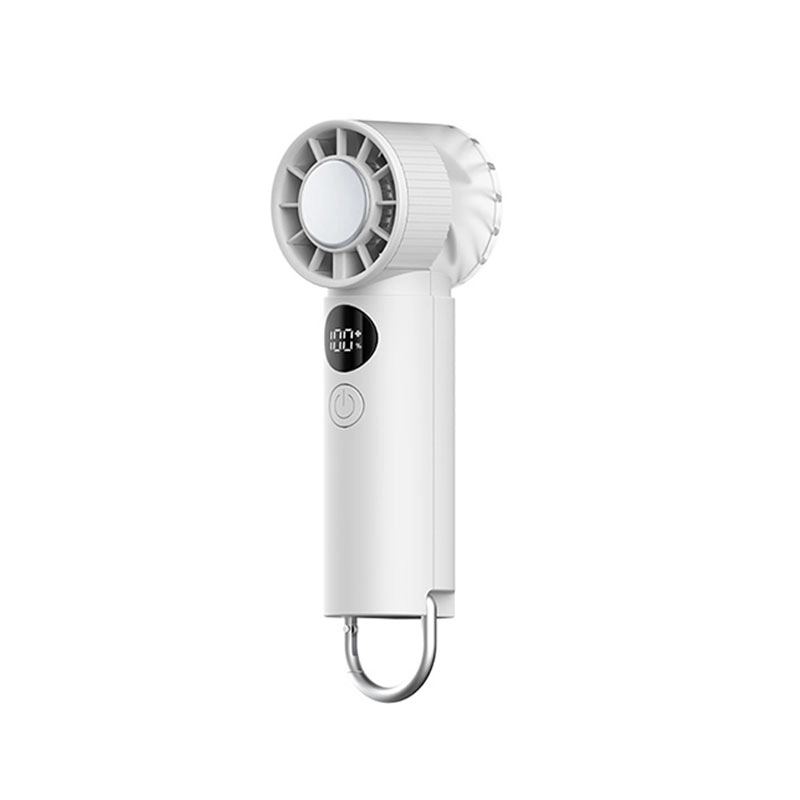
Customizable lightweight mini handheld cooling fan (with climbing hook) FS2666
A portable cooling and personalized customization product specially designed for commuters, students, the gift customization industry, and OEM/ODM buyers. It features (1) lightweight and easy portability, (2) a climbing buckle, and (3) semiconductor cooling.
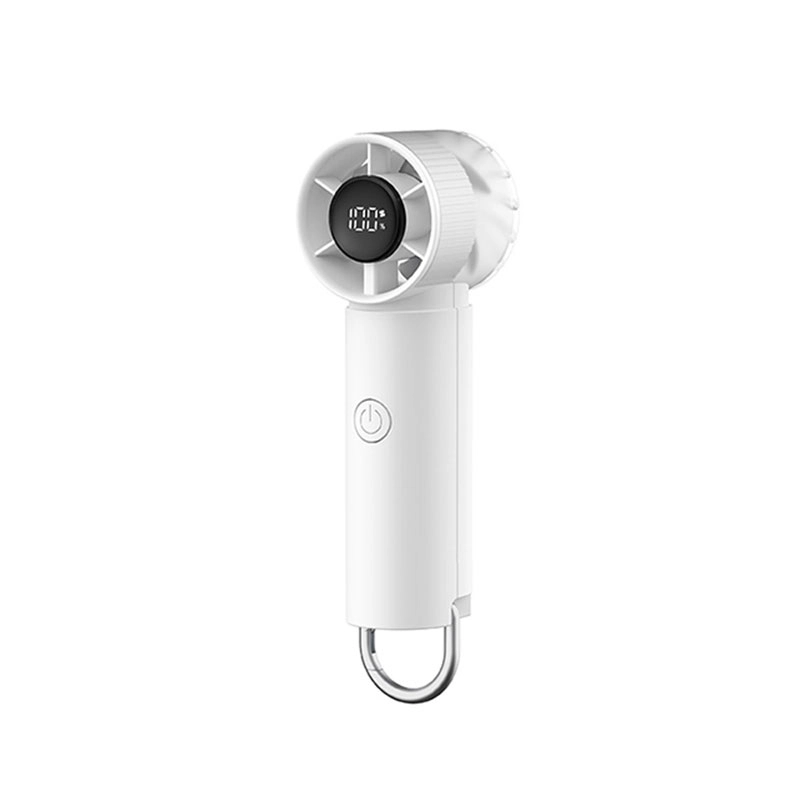
Customizable lightweight mini handheld cooling fan (with climbing hook) FS2667
This is a lightweight and portable + personalized customization product specially designed for commuters, students, the gift customization industry, and OEM/ODM buyers. It features (1) lightweight and easy portability, (2) a climbing buckle, and (3) a semi-transparent air duct design.
Start Your Custom Handheld Fans Manufacturing Project Today
If you have any comments or good suggestions, please leave us a message; later our professional staff will contact you as soon as possible.
Contact


4th Floor, Building 3, Jurong Industrial Park, No. 27-1-1, Fu'an Industrial Zone,Leliu Town (Pancun), Shunde District, Foshan City, Guangdong Province
 Scan QR Code
YouTube
Twitter
Facebook