






Which handheld electric fan is best for hot climates? | Insights by RYW
- 1) How do I choose a handheld fan that actually keeps me cool in 35°C+ heat without constant recharging?
- 2) Can a handheld electric fan lower my core body temperature during outdoor labor, and what specs predict real effectiveness?
- 3) Which handheld fans survive beach, tropical salt air, or rainy-season conditions without rust or failure?
- 4) What battery capacity and real-world run time should I expect for continuous high-speed use in hot climates?
- 5) Are misting or evaporative handheld fans effective in humid tropical climates, or do they just make things worse?
- 6) How do I evaluate fan specs (CFM/m/s, dB noise, USB-C PD charging) and prioritize them when buying a portable fan for long heat exposure?
1) How do I choose a handheld fan that actually keeps me cool in 35°C+ heat without constant recharging?
Choosing a handheld fan for extreme heat requires balancing airflow, battery capacity, and cooling method. For perceived cooling you need sustained airflow at the face and head to increase convective heat loss and accelerate sweat evaporation. Key metrics and how to use them:
Airflow (CFM or m/s): Look for a higher output at maximum speed — most effective portable units will deliver noticeable airflow at the user’s face. Manufacturers sometimes list CFM (cubic feet per minute) or m/s (meters per second). Higher numbers mean more cooling; compare like-for-like across models.
Power draw and motor type: Brushless DC motors run more efficiently and generate steadier airflow per watt than brushed motors, which helps extend runtime. A brushless motor also tolerates continuous high-speed use better.
Battery capacity (mAh) and usable Wh: Use Wh = (mAh ÷ 1000) × battery nominal voltage (typically 3.7 V for single-cell Li-ion). Estimate runtime: Runtime (hours) ≈ Wh ÷ power draw (W). Example: a 4000 mAh (≈14.8 Wh) battery powering a 5 W fan gives ≈3 hours on high. Manufacturers often quote optimistic numbers—expect shorter real-world runtimes at top speed and in hot ambient conditions.
Multi-speed & thermal management: A fan with at least 3 speed settings plus a Turbo/boost mode gives flexibility between long runtime and high airflow. Overheating protection and good ventilation increase durability.
Practical pick: For frequent 35°C+ use, target a brushless-fan design, 4000–10,000 mAh battery (or replaceable battery packs), and a fan whose high setting draws 4–8 W so you can predict runtime. If you need all-day operation, plan for powerbank passthrough or quick swap batteries.
2) Can a handheld electric fan lower my core body temperature during outdoor labor, and what specs predict real effectiveness?
Handheld fans primarily provide perceived cooling by increasing convective airflow and promoting sweat evaporation. They rarely lower core body temperature in the absence of adequate hydration or shade; however, they reduce thermal discomfort and can reduce heat strain if used correctly.
Which specs matter for heat-stress mitigation:
Sustained airflow at the face/trunk: Strong, directed airflow (higher CFM/m/s) improves evaporative cooling and can meaningfully reduce skin temperature and heart rate in studies of personal cooling.
Battery runtime for continuous use: For work or prolonged exposure, you need multiple hours at a useful setting, or the ability to connect to external power. Predict runtime using the Wh÷W formula above and plan for reserve capacity.
Portability and hands-free options: Hands-free mounting (neck fans, clips, belt mounting) lets workers cool continuously without occupying hands.
Compatibility with hydration and shade strategies: Fans work best combined with hydration, rest breaks, and shade. In extremely high humidity, airflow is less effective — in those environments evaporative cooling methods (misting + airflow) may help but have limits.
Practical advice: Use a fan with high airflow and a robust battery, combine with regular water intake, and use breaks in shade. For occupational safety decisions consult local heat-stress guidelines (OSHA/NIOSH or national equivalents) rather than relying solely on a handheld fan.
3) Which handheld fans survive beach, tropical salt air, or rainy-season conditions without rust or failure?
Durability in humid, salty, or wet environments depends on materials, sealing, and drainage design.
What to look for:
IP rating: IP54 or higher gives splash resistance (IPX4 protects against splashes). For direct water exposure or heavy rain, seek IP65+ (dust-tight and water-jet resistant). Manufacturers will list IP ratings—use them.
Corrosion-resistant materials: Look for stainless steel fasteners, anodized aluminum housings, and ABS/plastic blades formulated for UV resistance. Avoid exposed steel components.
Sealed battery compartments and rubber gaskets: These keep moisture out of the electronics. Replaceable batteries should have well-sealed doors.
Ease of cleaning: Fans that allow blade access or have washable grilles are easier to rinse after sand exposure.
Misting compatibility: If you use misting in high heat, ensure the fan’s electronics are protected and the model is intended for misting use.
Real-world tip: Rinse salt and sand off after each beach day and dry thoroughly. For frequent coastal use, prioritize IP-rated models and those marketed for outdoor or marine use.
4) What battery capacity and real-world run time should I expect for continuous high-speed use in hot climates?
Don’t rely on manufacturer run-times alone; they’re typically measured at low or intermittent speeds. Use this method to estimate realistic runtime for continuous high-speed use:
- Find battery specification in mAh and nominal voltage (if voltage isn’t listed assume ~3.7 V per cell). Calculate Wh: Wh = (mAh/1000) × V.
- Check maximum power draw (W) if listed. If not given, estimate: small fans often draw 2–10 W depending on motor and speed.
- Estimate runtime: Runtime ≈ Wh ÷ W, then subtract 10–25% because batteries perform worse in heat and due to motor inefficiencies.
Example (illustrative): 5000 mAh at 3.7 V → 18.5 Wh. At 6 W draw on high: 18.5 ÷ 6 ≈ 3.1 hours. Expect perhaps 2.5–3 hours in real use.
Guideline expectations:
- Short outings (1–3 hours high speed): 2000–5000 mAh battery may suffice.
- Half-day use (3–6 hours mixed speeds): 5000–10,000 mAh or external powerbank compatible.
- All-day or multi-shift work: choose swappable battery packs or models with pass-through USB-C PD charging.
Also note: charging speed matters. USB-C PD charging (18–45 W) enables faster top-ups between shifts. Avoid models that only support slow micro-USB charging if you need quick turnaround.
5) Are misting or evaporative handheld fans effective in humid tropical climates, or do they just make things worse?
Misting and evaporative cooling work by using water evaporation to absorb heat. Their effectiveness depends heavily on absolute humidity:
Low-to-moderate humidity: Misting plus airflow can significantly increase cooling because water quickly evaporates, absorbing heat. Useful in arid and warm coastal conditions.
High humidity: When ambient air is near saturation, evaporation slows. Misting then provides a cooling sensation largely from liquid on skin but may feel clammy and reduce heat transfer away from the body. In very humid, hot environments, misting can increase discomfort if the water doesn’t evaporate.
Practical advice:
- Look for fans that combine adjustable mist output and strong airflow — airflow is critical to help evaporation where possible.
- Use a small mist setting in high humidity to avoid soaking clothes; use higher mist in dry heat for better evaporative cooling.
- Consider personal evaporative vests or shaded cooling strategies for sustained work in humid heat rather than relying solely on misting fans.
6) How do I evaluate fan specs (CFM/m/s, dB noise, USB-C PD charging) and prioritize them when buying a portable fan for long heat exposure?
Prioritization depends on use-case (commute, outdoor work, indoor office, travel). Here’s a decision matrix:
Primary need = maximum cooling while mobile: prioritize airflow (CFM/m/s), brushless motor, Turbo setting, and battery/power options. Expect higher noise.
Primary need = long runtime (all-day use): prioritize battery capacity (Wh) and the ability to use an external powerbank or swappable batteries. Moderate airflow settings with efficient motor help.
Primary need = quiet, personal office use: prioritize noise ratings (look for <50 dB at 1 m for quiet operation), adjustable speed, and direction control while accepting lower maximum airflow.
Primary need = outdoor durability: prioritize IP rating, corrosion-resistant materials, and easy cleaning.
How to compare specs:
- Convert battery mAh to Wh to compare real energy: Wh levels let you compare across voltages.
- If CFM is provided, prefer higher numbers for outdoor and hot climates. If only m/s is given, higher is better; compare manufacturer testing distances.
- For noise, if dB(A) is given, compare at equivalent distances (usually 1 m). Sound levels are logarithmic; a difference of 3 dB is noticeable, 10 dB is perceived roughly twice as loud.
- Charging: USB-C with Power Delivery (PD) is preferable for fast charging and compatibility with modern powerbanks.
Bottom-line buying rule: Match the fan’s measured energy (Wh) and power draw (W) to the runtime you need, then check airflow and durability features for your environment. For many hot-climate buyers, a brushless, IP-rated fan with 5000+ mAh and USB-C PD support is a balanced choice.
Concluding summary — Advantages of the right handheld electric fan for hot climates
A well-chosen handheld electric fan offers immediate, energy-efficient personal cooling: it increases convective heat loss, augments sweat evaporation, and reduces perceived heat stress. The advantages when matched to your needs include portable high airflow for outdoor heat, long runtime for prolonged exposure, splash and corrosion resistance for coastal/rainy use, and quiet operation for indoor comfort. Combining a reliable brushless motor, adequate battery capacity (Wh-based planning), IP protection, and USB-C fast charging gives the best real-world performance in hot climates.
For tailored recommendations or a quote on bulk purchases and commercial handheld fan solutions, contact us: www.rywlife.com or adrian@rywlife.com.
Contacts
WhatsApp/Phone
You May Also Like
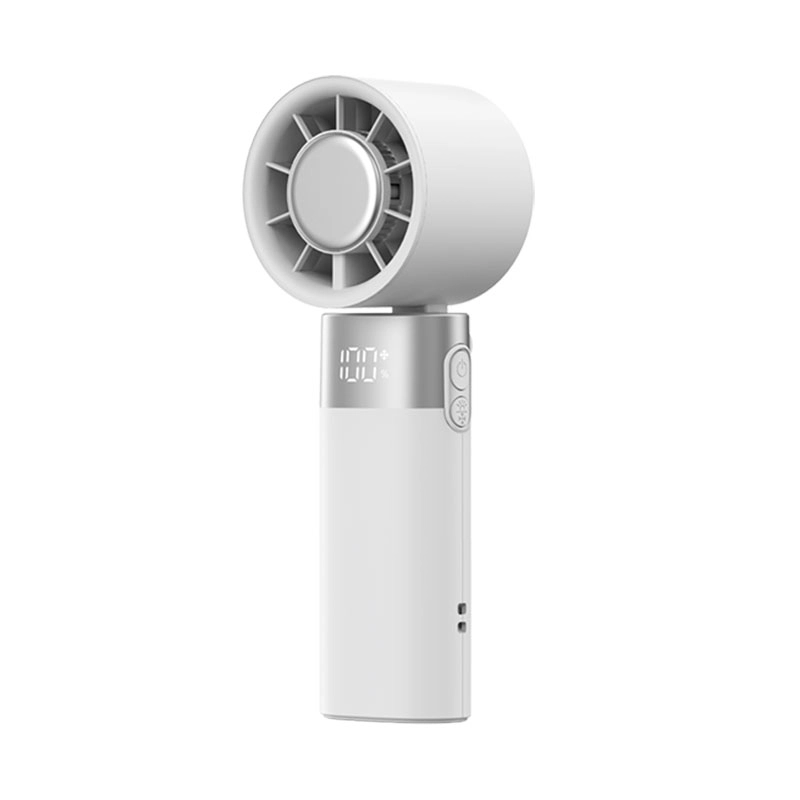
Reliable Handheld Cooling Solution for Bulk & Corporate Purchases
This premium handheld fan is designed for high-frequency, large-volume usage, making it an ideal cooling solution for corporate procurement, promotional distribution, employee welfare programs, and retail wholesale.
With stable airflow performance, a rechargeable design, and lightweight portability, it helps businesses deliver practical comfort products with strong perceived value while maintaining cost efficiency and supply reliability.
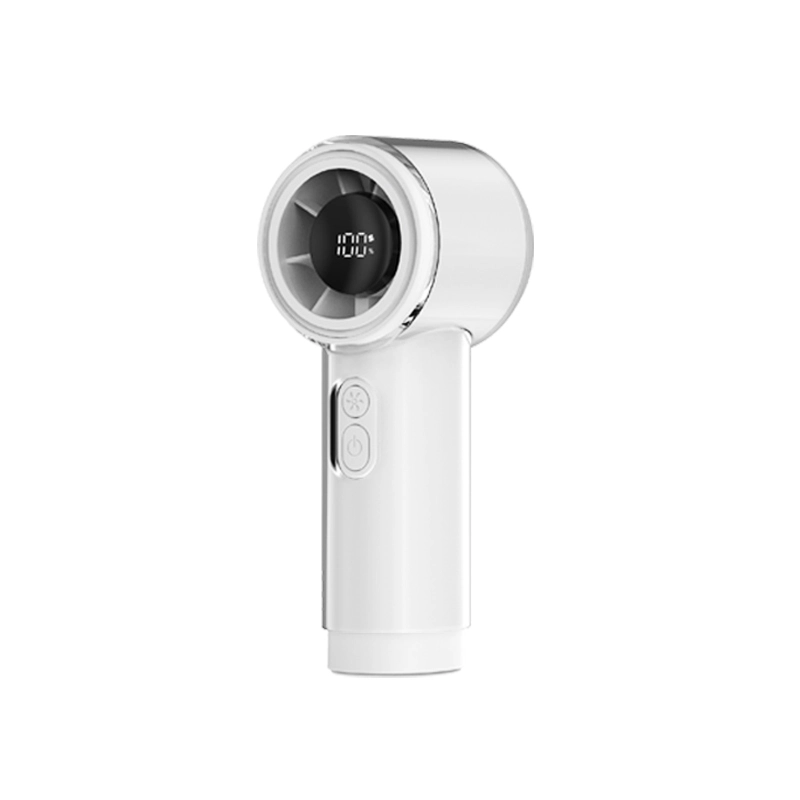
Customizable High-Speed Portable Handheld Fan FS2663
This is a high-speed, long-lasting, personalized, custom, portable cooling product specially designed for gift purchasers, cross-border e-commerce sellers, and OEM/ODM cooperation enterprises. It features (1) strong wind speed, (2) lightweight portability, (3) transparent shell design, (4) convenient carrying with a hand rope, and (5) long battery life. It helps enterprises enhance brand exposure, product differentiation competitiveness, and customer repeat purchase rate.
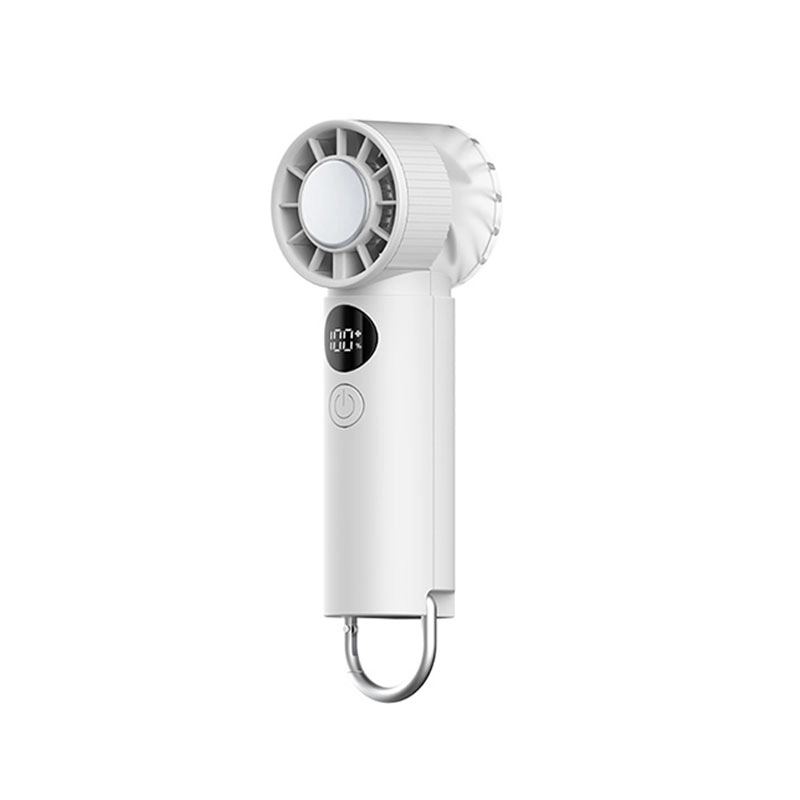
Customizable lightweight mini handheld cooling fan (with climbing hook) FS2666
A portable cooling and personalized customization product specially designed for commuters, students, the gift customization industry, and OEM/ODM buyers. It features (1) lightweight and easy portability, (2) a climbing buckle, and (3) semiconductor cooling.
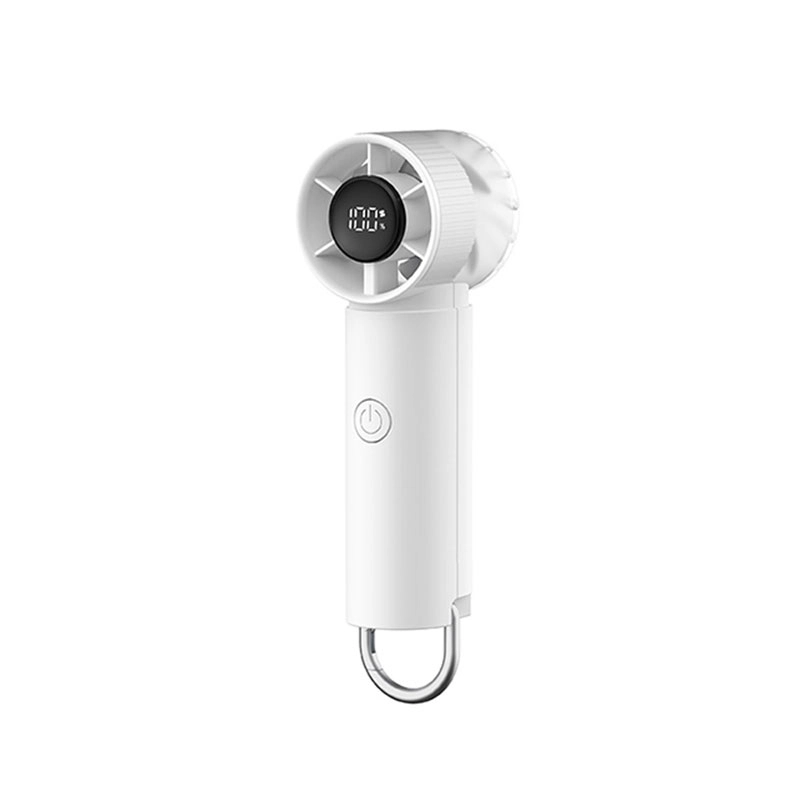
Customizable lightweight mini handheld cooling fan (with climbing hook) FS2667
This is a lightweight and portable + personalized customization product specially designed for commuters, students, the gift customization industry, and OEM/ODM buyers. It features (1) lightweight and easy portability, (2) a climbing buckle, and (3) a semi-transparent air duct design.
Start Your Custom Handheld Fans Manufacturing Project Today
If you have any comments or good suggestions, please leave us a message; later our professional staff will contact you as soon as possible.
Contact


4th Floor, Building 3, Jurong Industrial Park, No. 27-1-1, Fu'an Industrial Zone,Leliu Town (Pancun), Shunde District, Foshan City, Guangdong Province
 Scan QR Code
YouTube
Twitter
Facebook