






How to ensure battery safety in rechargeable fan sourcing? | Insights by RYW
- 1. How can I verify a supplier's lithium cell traceability and prevent counterfeit cells in handheld fan production?
- 2. What precise BMS and protection circuit specifications should I mandate for rechargeable handheld fans?
- 3. Which standardized tests and certifications must I insist on before approving rechargeable fans for shipment?
- 4. What pre-shipment and production tests best predict in-field battery failures for handheld fans?
- 5. How should I structure contracts and inspection clauses to allocate battery safety liability and ensure compliance?
- 6. What shipping and labeling controls reduce the risk of transport incidents and regulatory rejection?
1. How can I verify a supplier's lithium cell traceability and prevent counterfeit cells in handheld fan production?
Answer:
- Require certified provenance documentation for each battery batch: manufacturer name, cell model, lot/batch number, manufacturing date code, country of origin, and serial numbers where available. Reliable cell manufacturers include Panasonic, Samsung SDI, LG Energy Solution and reputable Chinese manufacturers such as CATL or BAK; ask suppliers to identify the OEM and provide purchase invoices from the OEM or authorized distributor.
- Ask for original factory cell datasheets and compare rated capacity, nominal voltage, and internal resistance against sample measurements. Use a lab or your own test bench to perform initial checks: open-circuit voltage, internal resistance (mΩ), and a reference capacity test (0.2C–0.5C discharge to cut-off) on a sample of 20–30 cells from each batch.
- Implement incoming inspection protocols: scan or record lot numbers and perform random destructive analysis (cross-sectioning) and X-ray on suspect lots. Use tools like IR thermography during a controlled charging cycle to spot uneven heating that suggests counterfeit or mismatched cells.
- Contractual & QA controls: add anti-counterfeit clauses and right-to-audit language into your supplier contract. Require that cells be purchased only from OEM-authorized channels and that the supplier signs liability for counterfeit cells.Why this matters: Counterfeit or relabeled cells commonly have higher internal resistance and poorer cycle life, increasing risk of overheating and thermal runaway in portable products like handheld fans.
2. What precise BMS and protection circuit specifications should I mandate for rechargeable handheld fans?
Answer:
- Minimum protection features: overcharge cutoff, over-discharge cutoff, overcurrent/short-circuit protection, cell balancing (for multi-cell packs), and temperature monitoring (NTC or digital thermistor). For single-cell packs, overvoltage and undervoltage protection and a current-limiting MOSFET are essential.
- Electrical thresholds: set charge cutoff ≤ 4.20 V/cell ±0.05 V for standard NMC cells; discharge cutoff typically ≥ 2.5–2.7 V/cell depending on cell chemistry. For LiFePO4 use different thresholds (charge 3.6–3.65 V, discharge 2.0–2.5 V) — specify exact values in the BOM.
- Current ratings and MOSFET selection: choose MOSFETs and sense resistors rated at least 2–3× the maximum expected peak current of the fan (including startup inrush). Specify short-circuit trip current and time-to-trip (fast-acting for direct shorts).
- Thermal management: require an NTC on the pack placed close to the cells and temperature cutoffs in firmware; set charge temperature window (e.g., 0–45 °C) and discharge window (-20–60 °C) per cell datasheet.
- Firmware safeguards: if using a smart BMS, insist on logged events (overvoltage, overcurrent, thermal events) and version-controlled firmware with release notes. Ask for the BMS datasheet, schematic, and BMS test reports (overcharge, short-circuit, temperature cycling).Why this matters: A properly specified BMS prevents common root causes of battery incidents: overcharge, deep discharge, and uncontrolled short circuits.
3. Which standardized tests and certifications must I insist on before approving rechargeable fans for shipment?
Answer:
- Mandatory transport test: UN Manual of Tests and Criteria, Section 38.3 (UN 38.3) for lithium cells and batteries. UN 38.3 tests (altitude simulation, thermal, vibration, shock, external short circuit, impact, overcharge, and forced discharge) are required for air and many other transport modes.
- Product safety tests: IEC 62133-2 (secondary cells and batteries containing alkaline or other non-acid electrolytes — safety requirements) and its harmonized national equivalents (e.g., UL listings where applicable). IEC 62133 includes overcharge, temperature, mechanical and electrical abuse tests relevant to handheld products.
- Electrical safety and EMC: require compliance to regional standards—EMC testing (e.g., EN 55014-1, EN 55014-2 for household appliances in the EU) and electrical safety standards such as IEC 62368-1 for appliance electronics where applicable.
- Lab choices and test reports: require full test reports from accredited third-party labs (SGS, Intertek, TÜV Rheinland, Bureau Veritas) with lab accreditation (e.g., ISO/IEC 17025). Confirm reports relate specifically to the supplied cell lot and the finished product (battery pack plus fan) where standards require testing on the assembled pack.
- Documentation to collect: UN 38.3 test report, IEC 62133 test report or equivalent CB/UL certificate, MSDS for the cell chemistry, CE/RoHS declarations, and the lab accreditation certificate.Why this matters: Passing UN 38.3 alone does not guarantee product-level safety — finished-pack and product tests are necessary to validate real-world safety.
4. What pre-shipment and production tests best predict in-field battery failures for handheld fans?
Answer:
- Sampled batch testing: perform capacity, internal resistance, and high-drain performance tests on samples from each production lot. For handheld fans specify acceptance criteria: capacity within ±5–10% of rated, internal resistance within supplier tolerance, and consistent voltage under a 1C discharge pulse.
- Cycle life verification: run accelerated cycle tests on representative samples (e.g., 500 cycles at 0.5C–1C depending on marketing claims). Record capacity retention and internal resistance increase. Align cycle test protocols with the cell datasheet and IEC 61960 guidance for secondary cells.
- Abuse and thermal tests on finished product: charge/discharge at extremes of the defined operating temperature window, thermal shock, and drop/vibration tests (to simulate use in pockets/bags). Monitor cell temperature and BMS logs for anomalies.
- Charging validation: test each charger/charging cable combination to ensure proper charge termination, no excessive heating, and consistent charge current under varying input voltages. Use an independent power supply to simulate unstable USB power (voltage dips, surges) common in real-world scenarios.
- Burn-in and random sample life testing: run a 24–72 hour burn-in charge/discharge at elevated ambient temperature on a representative sample to catch early-failure cells.Why this matters: Early detection of marginal cells prevents large-scale field failures and warranty claims.
5. How should I structure contracts and inspection clauses to allocate battery safety liability and ensure compliance?
Answer:
- Specify mandatory technical deliverables: UN 38.3, IEC 62133, MSDS, cell datasheets, BMS schematics, firmware version, and ISO/IEC 17025-accredited lab certificates for each batch. State required retention of samples for 12–24 months post-shipment.
- Define pre-shipment inspection (PSI) and sampling plans: require third-party inspections that include electrical spot-checks (capacity, internal resistance), visual inspections (cell deformation, solder joint integrity), and functional testing of BMS protections.
- Warranties and indemnities: require suppliers to warrant authenticity and compliance of cells and to indemnify you for recalls, fines, and damages caused by failure to meet specified battery safety standards. Include insurance requirements and defined recall processes.
- Corrective action & audit rights: require suppliers to implement immediate CAPA (corrective and preventive action) for any nonconformance and grant you on-site audit rights (including supplier sub-tier audits for cell procurement).
- Escrow of test & source records: require suppliers to maintain and provide access to purchase records from OEM cell manufacturers for traceability during disputes.Why this matters: Clear contractual terms shift risk appropriately and provide legal remedies while incentivizing compliance.
6. What shipping and labeling controls reduce the risk of transport incidents and regulatory rejection?
Answer:
- Classification and packaging: ensure batteries and finished handheld fans are classified correctly (e.g., lithium-ion cells vs batteries, packed with equipment, contained in equipment) and packaged following IATA DGR Packing Instructions (PI 965–970 series) or IMDG Code for sea shipments.
- Documentation: include a complete UN 38.3 test summary, battery declaration, shipper’s declaration for dangerous goods when required, MSDS, and correct UN numbers (UN 3480 for lithium-ion cells; UN 3481 for lithium-ion batteries contained in equipment or packed with equipment). Keep these documents on file and provide them to freight forwarders.
- State of charge (SoC) limits: for air transport, many carriers require batteries to be shipped at ≤30% SoC for installed or standalone cells—confirm current carrier limits as these are updated periodically by IATA.
- Marking & labeling: apply required lithium battery handling labels, orientation arrows, and include the telephone number for additional information on the consignment note. Follow both IATA and local postal/regulatory requirements.
- Choose experienced handlers: use freight forwarders experienced in lithium battery shipping and request carrier acceptance confirmation in writing prior to shipment.Why this matters: Improperly declared or packaged batteries are a leading cause of shipments being rejected, delayed, or causing in-transit incidents.
Concluding paragraph
Implementing these practices—verifiable cell traceability, robust BMS and thermal safeguards, adherence to UN 38.3 and IEC 62133, rigorous pre-shipment testing, binding contractual protections, and correct shipping controls—reduces field failures, recall risk, and regulatory exposure while protecting brand reputation and customer safety. Choosing safer chemistries (e.g., LiFePO4 where energy density trade-offs are acceptable), specifying conservative BMS thresholds, and working with accredited labs and vetted cell OEMs are proven, cost-effective risk-reduction measures.
Contact us for a tailored quote and supplier audit: www.rywlife.com or adrian@rywlife.com.
Contacts
WhatsApp/Phone
You May Also Like
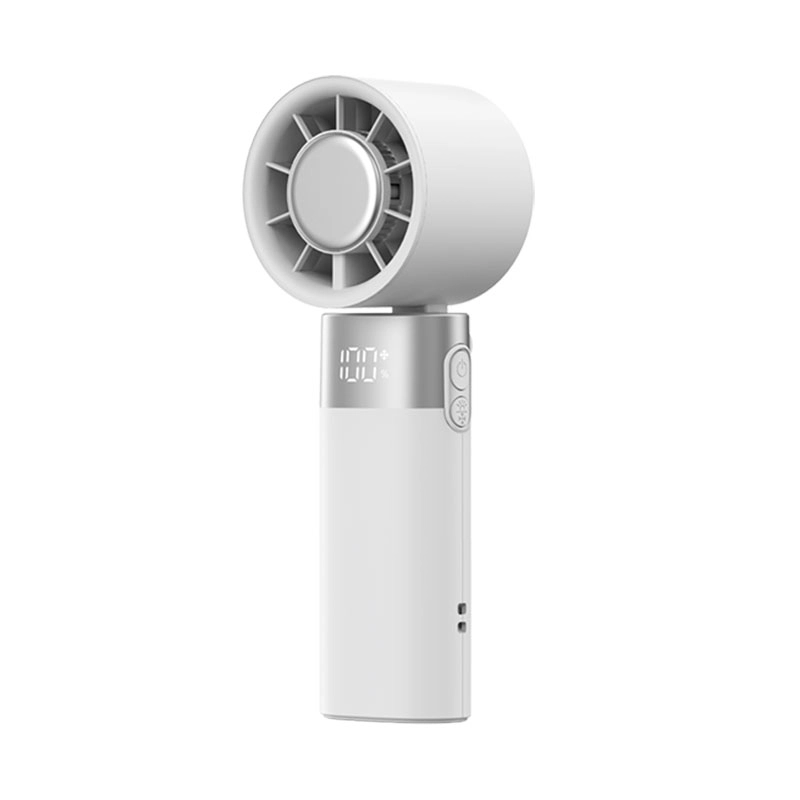
Reliable Handheld Cooling Solution for Bulk & Corporate Purchases
This premium handheld fan is designed for high-frequency, large-volume usage, making it an ideal cooling solution for corporate procurement, promotional distribution, employee welfare programs, and retail wholesale.
With stable airflow performance, a rechargeable design, and lightweight portability, it helps businesses deliver practical comfort products with strong perceived value while maintaining cost efficiency and supply reliability.
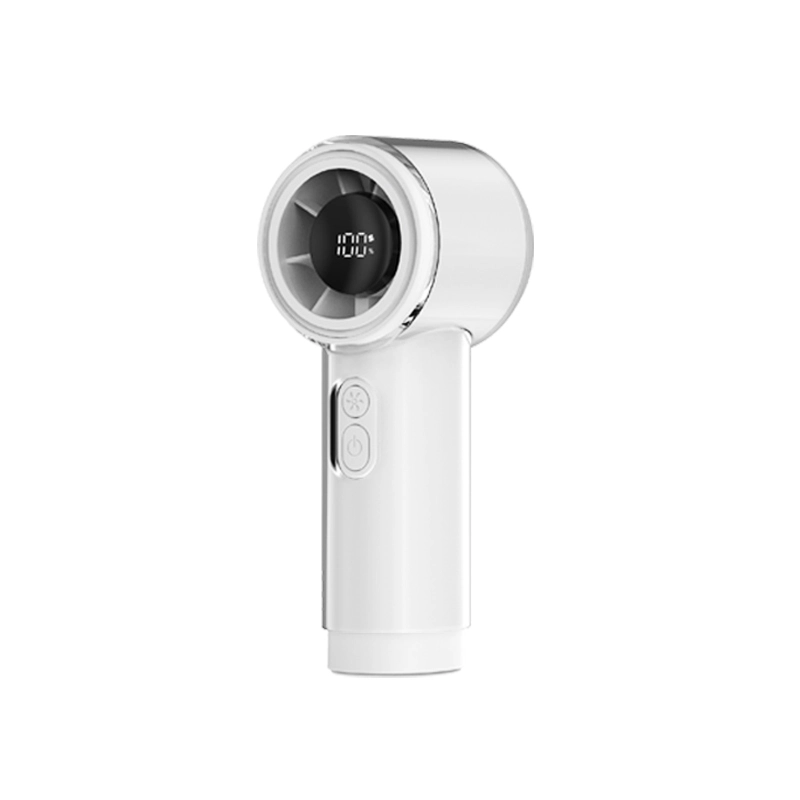
Customizable High-Speed Portable Handheld Fan FS2663
This is a high-speed, long-lasting, personalized, custom, portable cooling product specially designed for gift purchasers, cross-border e-commerce sellers, and OEM/ODM cooperation enterprises. It features (1) strong wind speed, (2) lightweight portability, (3) transparent shell design, (4) convenient carrying with a hand rope, and (5) long battery life. It helps enterprises enhance brand exposure, product differentiation competitiveness, and customer repeat purchase rate.
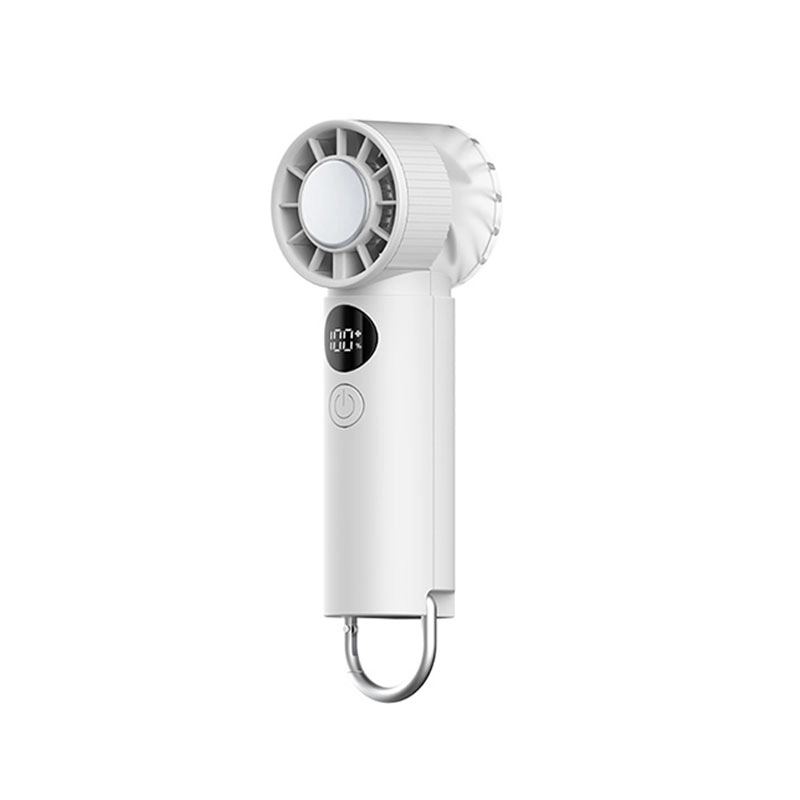
Customizable lightweight mini handheld cooling fan (with climbing hook) FS2666
A portable cooling and personalized customization product specially designed for commuters, students, the gift customization industry, and OEM/ODM buyers. It features (1) lightweight and easy portability, (2) a climbing buckle, and (3) semiconductor cooling.
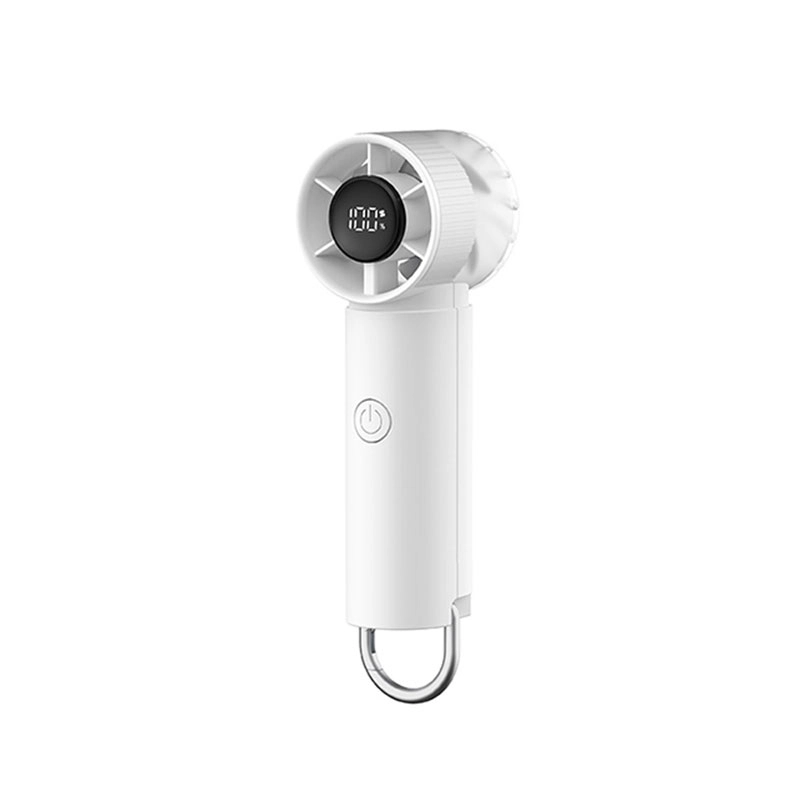
Customizable lightweight mini handheld cooling fan (with climbing hook) FS2667
This is a lightweight and portable + personalized customization product specially designed for commuters, students, the gift customization industry, and OEM/ODM buyers. It features (1) lightweight and easy portability, (2) a climbing buckle, and (3) a semi-transparent air duct design.
Start Your Custom Handheld Fans Manufacturing Project Today
If you have any comments or good suggestions, please leave us a message; later our professional staff will contact you as soon as possible.
Contact


4th Floor, Building 3, Jurong Industrial Park, No. 27-1-1, Fu'an Industrial Zone,Leliu Town (Pancun), Shunde District, Foshan City, Guangdong Province
 Scan QR Code
YouTube
Twitter
Facebook