






Are USB rechargeable handheld electric fans safe? | Insights by RYW
- 1. If a handheld fan uses a single 18650 or pouch lithium-ion cell and I leave it charging overnight, how high is the fire risk and how can I reduce it?
- 2. Can I safely charge a handheld fan with a high-wattage USB-C PD charger or a power bank rated for laptops?
- 3. How do I verify a low-cost overseas supplier’s handheld fan battery and charging circuitry actually meet safety standards before I buy in bulk?
- 4. What are the real risks of using third-party replacement batteries in a USB handheld fan and how can I spot risky replacements?
- 5. Are IPX-rated or “water-resistant” USB handheld fans safe to use while plugged in near sweat, rain, or poolside?
- 6. How should I store, maintain, and dispose of a USB rechargeable handheld fan to prolong battery life and minimize safety hazards?
Are USB Rechargeable Handheld Electric Fans Safe? An Expert Buyer's Guide
USB rechargeable handheld electric fans are convenient, portable, and widely used — but safety questions often go unanswered or are answered superficially. Below are six highly specific, beginner-focused questions buyers ask that commonly lack in-depth, practical answers. Each section explains real-world risks, standards to check, and step-by-step actions you can take when selecting, using, and storing a USB-powered handheld fan.
1. If a handheld fan uses a single 18650 or pouch lithium-ion cell and I leave it charging overnight, how high is the fire risk and how can I reduce it?
Fire risk is not zero, but it is low when the fan’s battery and charging circuit include proper protections. Most modern handheld fans use a single-cell lithium-ion pack (nominal ~3.7 V). Typical cell capacities range from ~1,000 mAh to 5,000 mAh (≈3.7–18.5 Wh). The danger arises when cells are counterfeit, physically damaged, or lack charge-control electronics. Real protective features that reduce overnight risk include:
- Overcharge protection (charging stops at full voltage, ~4.2 V per cell)
- Overcurrent / short-circuit protection
- Thermal cut-off or temperature monitoring
- Battery management IC (BMS) or protection PCB integrated with the battery
Standards to look for: IEC 62133 (battery safety), UL 2054 / UL 1642 (battery packs/cells), and UN 38.3 (transport test — indicates safer manufacturing controls). If a fan lists these certifications (or shows independent lab test marks such as UL/ETL/Intertek), overnight charging is substantially safer.
Practical steps to reduce risk:
- Buy fans with explicit battery and charger safety specs. Avoid vague listings with no certifications or supplier contact details.
- Use the manufacturer-supplied USB cable and charger. Cheap or damaged cables increase heat and risk.
- Charge on a non-flammable surface and avoid charging under pillows or inside bags.
- If you must charge overnight, choose models with fast charge termination and BMS with a proven certification.
- Replace the fan if the battery bulges, emits smoke, or becomes abnormally warm (>60°C) during charging or use.
2. Can I safely charge a handheld fan with a high-wattage USB-C PD charger or a power bank rated for laptops?
Yes — but only if the fan’s charging circuit supports the voltage/current delivered. Most handheld fans are designed for standard USB 5 V charging at 0.5–2 A. USB-C Power Delivery (PD) chargers can negotiate higher voltages (9V, 12V, etc.). Two important checks:
- Does the fan explicitly state USB-C PD or QC compatibility? If it does not, assume 5 V USB only.
- Does the fan include an internal charging IC that negotiates PD? If not, a PD charger might supply higher voltage and potentially damage the fan’s charger (though many PD chargers default to 5 V without negotiation).
Safe practices:
- Use a smart charger that negotiates voltage with the device; if the fan doesn’t negotiate, the charger usually falls back to 5 V.
- Prefer power banks with built-in USB-A 5 V outputs or power banks that advertise compatibility with small USB devices.
- Avoid connecting to high-voltage 20 V laptop outputs unless the fan specifies support for that profile.
Bottom line: Charging with a PD charger or a power bank is normally safe if the fan supports USB-C PD or the charger defaults to a 5 V output. When in doubt, use the original charger and cable or a reliable 5 V USB port.
3. How do I verify a low-cost overseas supplier’s handheld fan battery and charging circuitry actually meet safety standards before I buy in bulk?
Spec sheets and marketing claims can be misleading. For industry buyers, follow this verification checklist before placing a bulk order:
- Ask for test reports: Request current, full test reports (PDF) from accredited labs for IEC 62133 or UL 2054 and for EMC/CE/FCC marks if relevant. Verify the lab name and report number; you can often validate reports with the lab.
- Request samples for independent testing: Run a third-party inspection and battery-safety test (e.g., charge/discharge, overcharge, short-circuit, thermal abuse). Use an accredited test house in your market (TÜV, Intertek, SGS, UL).
- Inspect BOM and suppliers: Ask who supplies the cells (name-brand cells such as LG, Samsung SDI, Panasonic are more reliable). For pouch cells, ask for cell datasheets and lot traceability.
- Factory audit: Verify the manufacturer’s quality management system (ISO 9001) and battery assembly practices.
- Check labeling and manuals: Proper safety labeling, Warnings, and disposal instructions are required in regulated markets — the absence is a red flag.
- Sample cycle-life data: Request expected cycle life (e.g., 300–500 cycles to ~80% capacity) and real-world runtime metrics at typical fan speeds.
These steps help avoid counterfeit cells and poorly implemented charging circuits, which are the most common causes of battery incidents.
4. What are the real risks of using third-party replacement batteries in a USB handheld fan and how can I spot risky replacements?
Third-party replacements pose risks when they differ in chemistry, cell quality, or protective electronics. Primary hazards are overheating, internal short, and reduced cycle life. Spotting risky replacements:
- Packaging and labeling: Counterfeit cells often lack consistent logos, lot codes, or have misspellings.
- Weight and dimensions: Genuine high-capacity cells weigh more. A cell claiming 5,000 mAh but unusually lightweight is suspicious.
- Unclear chemistry or voltage ratings: Genuine Li-ion cells show nominal voltage (3.6–3.7 V) and recommended charging voltage (4.2 V).
- Absence of protection PCB: If a replacement is a bare cell with no protection board but the original used an integrated protected pack, that’s dangerous.
Safe replacement practices:
- Use replacements recommended by the original manufacturer or reputable battery vendors.
- Ensure replacements include BMS/protection circuitry matching the original spec.
- If you must install a bare-cell replacement, have it done by a certified technician and test for heating under load and during charge.
5. Are IPX-rated or “water-resistant” USB handheld fans safe to use while plugged in near sweat, rain, or poolside?
Water resistance ratings matter. IP codes indicate ingress protection; for example, IPX4 means splash resistant from all directions, IPX7 allows immersion up to 1 meter briefly. However, several caveats apply for charging situations:
- Most IP ratings apply to the assembled device when all ports are closed. A charging port or open USB port often negates the rating unless it has a sealed cover with an IP rating when closed.
- Charging introduces electrical energy; even splash resistance may not be safe if water contacts the charging port or cable connection.
Practical advice:
- Avoid charging near water unless the manufacturer explicitly states the fan is safe to charge while exposed to water (rare).
- For poolside or beach use, prefer fans with sealed USB covers and an IP rating that explicitly covers port conditions when closed.
- If a fan becomes wet, disconnect power immediately, dry thoroughly, and do not charge until fully dry and inspected for corrosion.
6. How should I store, maintain, and dispose of a USB rechargeable handheld fan to prolong battery life and minimize safety hazards?
Proper maintenance reduces hazards and extends battery life. Follow these evidence-based practices used across the battery industry:
- Storage state-of-charge: Store lithium-ion batteries at about 40–60% charge for medium-term storage (weeks to months). Long-term storage at 3.7–3.85 V per cell is recommended.
- Temperature: Store and operate between roughly -20°C and +60°C. Ideal storage temperature is around 15–25°C. Avoid leaving a fan in a hot car or in direct sun.
- Cycle management: Li-ion cells typically retain useful life for ~300–500 full cycles; shallower cycles (not fully discharging) extend life.
- Inspect periodically: Check for swelling, leakage, or corrosion around the USB port and battery compartment. Replace if any anomaly is present.
- Disposal / recycling: Do not throw lithium batteries in the trash. Recycle through approved e-waste or battery recycling programs (many local governments and retailers accept them).
Additional maintenance tips:
- Clean fan blades and grille as per the manual to avoid motor strain and overheating.
- Use fan on recommended speed settings; running continuously on highest speed will heat motor and battery faster and reduce lifespan.
Closing summary: USB rechargeable handheld electric fans are safe for everyday use when designed and used correctly. Verify battery and charger certifications (IEC 62133, UL or equivalent), prefer devices with built-in BMS and over-temperature protection, avoid charging near water, use proper cables and chargers, and follow recommended storage and disposal practices. For bulk or OEM purchases, require laboratory test reports and independent sample testing before ordering large quantities.
Advantages of choosing certified, well-designed USB rechargeable handheld fans include lower fire risk, longer battery life, predictable runtimes (mAh and Wh specifications), safer travel (most consumer fans fall well under the FAA 100 Wh limit), and better after-sales support. For a tailored quote or bulk supply options, contact us at www.rywlife.com or email adrian@rywlife.com.
Contacts
WhatsApp/Phone
You May Also Like
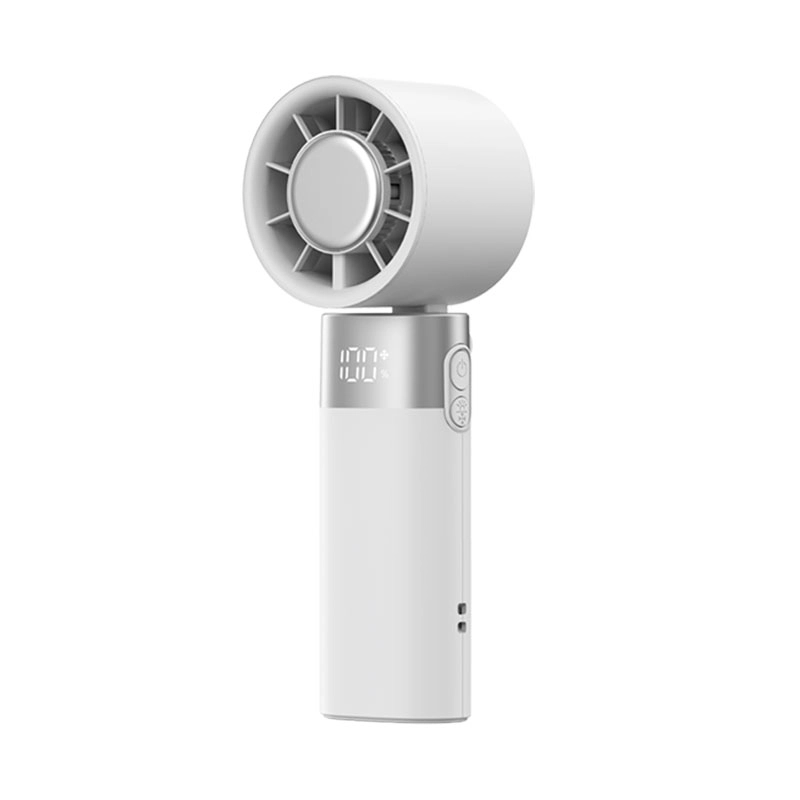
Reliable Handheld Cooling Solution for Bulk & Corporate Purchases
This premium handheld fan is designed for high-frequency, large-volume usage, making it an ideal cooling solution for corporate procurement, promotional distribution, employee welfare programs, and retail wholesale.
With stable airflow performance, a rechargeable design, and lightweight portability, it helps businesses deliver practical comfort products with strong perceived value while maintaining cost efficiency and supply reliability.
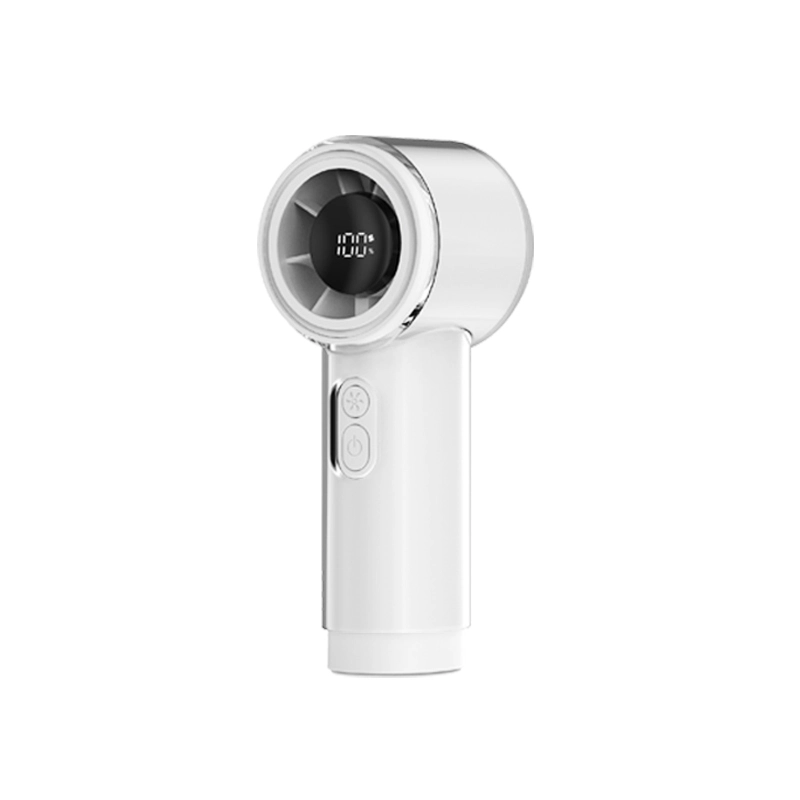
Customizable High-Speed Portable Handheld Fan FS2663
This is a high-speed, long-lasting, personalized, custom, portable cooling product specially designed for gift purchasers, cross-border e-commerce sellers, and OEM/ODM cooperation enterprises. It features (1) strong wind speed, (2) lightweight portability, (3) transparent shell design, (4) convenient carrying with a hand rope, and (5) long battery life. It helps enterprises enhance brand exposure, product differentiation competitiveness, and customer repeat purchase rate.
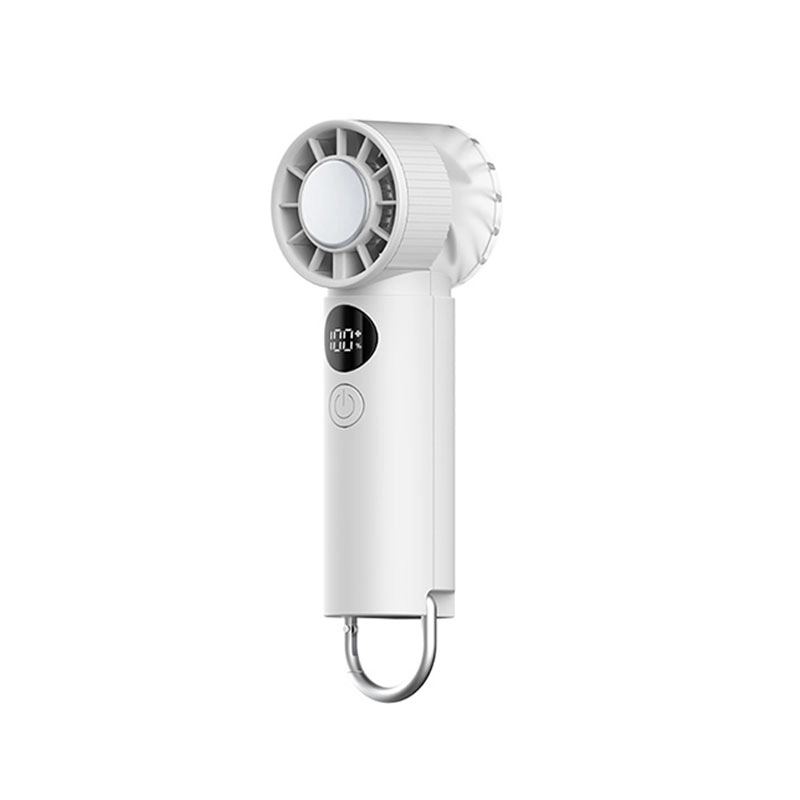
Customizable lightweight mini handheld cooling fan (with climbing hook) FS2666
A portable cooling and personalized customization product specially designed for commuters, students, the gift customization industry, and OEM/ODM buyers. It features (1) lightweight and easy portability, (2) a climbing buckle, and (3) semiconductor cooling.
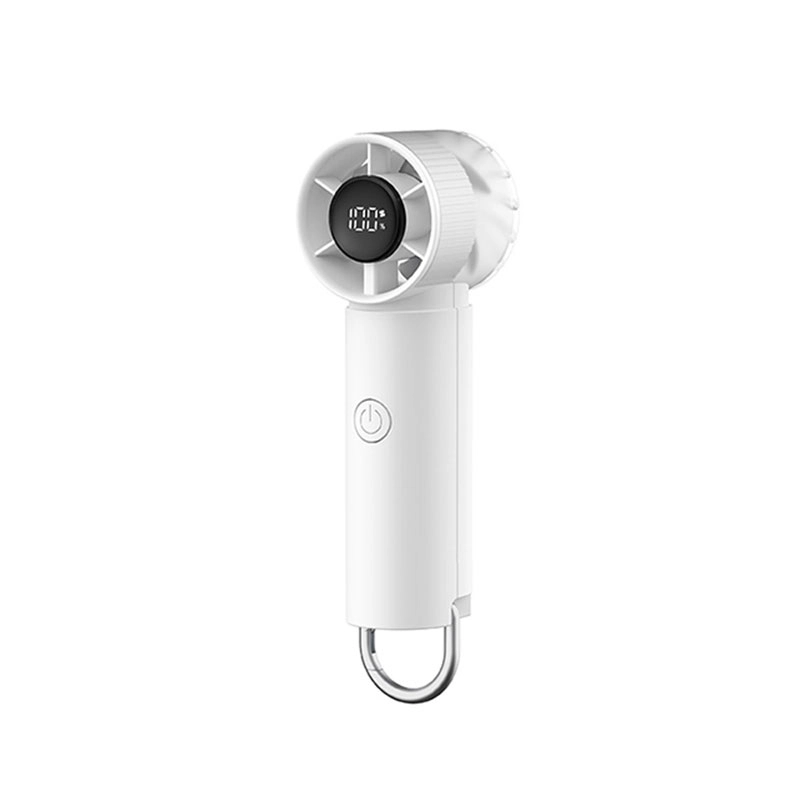
Customizable lightweight mini handheld cooling fan (with climbing hook) FS2667
This is a lightweight and portable + personalized customization product specially designed for commuters, students, the gift customization industry, and OEM/ODM buyers. It features (1) lightweight and easy portability, (2) a climbing buckle, and (3) a semi-transparent air duct design.
Start Your Custom Handheld Fans Manufacturing Project Today
If you have any comments or good suggestions, please leave us a message; later our professional staff will contact you as soon as possible.
Contact


4th Floor, Building 3, Jurong Industrial Park, No. 27-1-1, Fu'an Industrial Zone,Leliu Town (Pancun), Shunde District, Foshan City, Guangdong Province
 Scan QR Code
YouTube
Twitter
Facebook