






Are handheld electric fans allowed on airplanes? | Insights by RYW
- 1) Can I bring a handheld electric fan with a removable rechargeable lithium‑ion battery in my carry‑on, and how should I pack it?
- 2) Are USB‑powered handheld fans (run from power banks) allowed on flights, and how do the power bank rules affect me?
- 3) Can I pack a handheld electric fan in checked baggage, especially if it contains lithium batteries or has exposed blades?
- 4) Will security screeners confiscate bladeless, foldable, or soft‑blade handheld fans as potential weapons?
- 5) Do airline or country‑specific rules differ significantly (e.g., U.S. carriers vs. EU vs. low‑cost Asian carriers)? How should I check before flying?
- 6) I’m buying handheld fans in bulk and shipping internationally—what air‑cargo or courier rules should I know for lithium batteries and declarations?
- Bonus — Procurement: What specs and certifications should buyers request when sourcing travel‑friendly handheld fans?
Many buyers and travelers ask: Are handheld electric fans allowed on airplanes? The short answer is: generally yes, but the real constraints come from the type of battery, how spare batteries are carried, airline/operator rules, and international shipping regulations. Below are six specific, practical questions beginners frequently ask but that lack up‑to‑date, actionable answers online.
1) Can I bring a handheld electric fan with a removable rechargeable lithium‑ion battery in my carry‑on, and how should I pack it?
Yes—most handheld fans with installed lithium‑ion batteries are allowed in carry‑on bags. Key rules and practical packing steps:
- Follow the lithium‑ion battery thresholds: batteries up to 100 Wh (watt‑hours) are allowed in carry‑on without airline approval; batteries 100–160 Wh require airline approval; batteries over 160 Wh are generally prohibited for passengers. This is the standard used by regulators and airlines worldwide.
- If the battery is removable, keep the fan and battery in your carry‑on rather than checked baggage whenever possible. Many carriers and safety authorities strongly recommend cabin carriage for devices with lithium cells because of fire‑risk response considerations.
- Protect battery terminals: tape terminals or keep batteries in original packaging or individual plastic sleeves to prevent short circuits.
- Labeling: if the Wh rating is not printed, calculate it (see next section) and keep manufacturer specs or a copy of the product spec sheet to show to security if requested.
- Switch off the device and protect it from accidental activation (use a case or remove batteries if practical).
2) Are USB‑powered handheld fans (run from power banks) allowed on flights, and how do the power bank rules affect me?
USB fans themselves are allowed, but the restrictions that matter are on the power bank (portable charger):
- Power banks are classified as portable lithium‑ion batteries. They must be carried in carry‑on baggage; spare power banks are not permitted in checked baggage.
- Capacity limits: up to 100 Wh are accepted without airline approval; between 100 Wh and 160 Wh need airline approval (and are limited in number); over 160 Wh are typically prohibited for passengers. These thresholds are widely enforced by airlines worldwide.
- How to calculate Wh: use the battery’s nominal voltage and capacity. Wh = (mAh / 1000) × V. Example: a 10,000 mAh power bank with 3.7 V nominal = (10000/1000)×3.7 = 37 Wh — well under 100 Wh. Keep the manufacturer label or spec sheet when traveling.
- Practical tip: choose fans that draw low current (e.g., 2–5 W) so even small power banks provide hours of use; for long flights consider a mid‑capacity power bank in the 20–40 Wh range for safety and convenience.
3) Can I pack a handheld electric fan in checked baggage, especially if it contains lithium batteries or has exposed blades?
It depends on the battery and airline rules:
- Spare lithium batteries (not installed in a device) are generally prohibited in checked baggage—carry them in the cabin only. This rule applies to lithium‑ion and lithium metal batteries.
- Devices with installed lithium‑ion batteries: many airlines allow them in checked baggage if the device is off and the battery is protected against short circuits, but safety authorities and many carriers recommend keeping such devices in the cabin. If you must check the device, confirm with your airline first.
- Fans with exposed metal blades or solid rigid shafts: checked baggage is more forgiving, but small fans with plastic/soft blades are rarely an issue. However, blades considered sharp or stiff could be flagged by local security policies—again, prefer cabin carry for clarity.
- Checklist for checking a fan: confirm battery type and Wh, remove spare batteries from checked luggage, pad and secure the fan to prevent accidental activation or damage.
4) Will security screeners confiscate bladeless, foldable, or soft‑blade handheld fans as potential weapons?
Screening outcomes depend on design and local security officer judgment. Practical guidance to avoid confiscation or delays:
- Bladeless fans and fans with soft silicone blades are low risk and typically allowed. Foldable fans that collapse without exposed rigid edges are also usually fine.
- Fans with metal blades, long rigid shafts, or heavy components that could be repurposed as an impact tool are more likely to be flagged. Small plastic blades under ~10 cm are rarely deemed a weapon.
- If your fan is unusual (metal body, visible sharp parts), carry the product manual/spec sheet and be prepared for secondary screening. If possible, choose a travel‑oriented model with a soft blade or enclosed blade design to minimize problems.
- At security, present the fan powered down and, if removable, with the battery out—this speeds inspection and reduces concerns about accidental activation.
5) Do airline or country‑specific rules differ significantly (e.g., U.S. carriers vs. EU vs. low‑cost Asian carriers)? How should I check before flying?
Yes—while core lithium battery rules (100 Wh/160 Wh) are widely used, implementation and enforcement vary:
- Regulatory baseline: international standards (ICAO/IATA) set the dangerous goods framework most airlines follow. Local agencies (TSA in the U.S., EASA in Europe, CAAC in China) publish complementary guidance but generally align on battery thresholds and carriage requirements.
- Airline variations: low‑cost carriers sometimes have stricter carry‑on size/weight and may handle unusual items more conservatively. Some airlines require prior notification/approval for items with batteries between 100–160 Wh.
- Country or airport security: individual airports or screening staff may enforce stricter rules for potential weaponry; cultural and operational differences can affect whether foldable fans are waved through or subject to extra inspection.
- How to check: visit the airline’s official ‘baggage’ and ‘dangerous goods’ pages and search the departure and destination aviation authority guidance within 48 hours of travel. When in doubt, contact the airline customer service directly and keep email confirmation of approval if given.
6) I’m buying handheld fans in bulk and shipping internationally—what air‑cargo or courier rules should I know for lithium batteries and declarations?
Bulk procurement and international shipping introduce a different regulatory layer: dangerous goods transport rules for air cargo. Key points:
- IATA Dangerous Goods Regulations apply to lithium batteries shipped by air. There are distinct rules when batteries are shipped contained in equipment, packed with equipment, or as separate batteries. Each category has different packing instructions, labeling, and documentation requirements.
- Small consumer devices with batteries contained in the equipment often qualify for relaxed provisions, but you still need correct UN numbers and packing instructions. Carriers and freight forwarders will require declarations and may limit quantities on passenger aircraft.
- Many couriers (DHL, FedEx, UPS) have specific requirements and will need the shipper to check an online lithium battery shipping guide or consult their dangerous goods team before booking pickup. For example, shipments of lithium batteries often require a shipper’s declaration for dangerous goods when above certain thresholds and may be restricted to cargo aircraft only.
- Practical procurement checklist for exporters:
- Classify the battery: lithium‑ion (rechargeable) vs lithium metal (non‑rechargeable).
- Confirm whether batteries are contained in equipment (recommended) vs shipped separately—shipping separately triggers stricter controls.
- Obtain MSDS/SDS and official battery Wh or lithium content figures from manufacturers; include these with shipping documentation.
- Engage a freight forwarder experienced with IATA DGR for packaging, labeling, and documentation—noncompliance can lead to fines or refused loads.
Bonus — Procurement: What specs and certifications should buyers request when sourcing travel‑friendly handheld fans?
For buyers (retailers, wholesalers, event planners) who supply fans to travelers, require the following to reduce compliance and customer complaints:
- Battery information: specify battery type (Li‑ion), nominal voltage, capacity (mAh) and Wh. Prefer batteries under 100 Wh for unrestricted passenger carriage.
- Safety certifications: CE (EU), FCC (where applicable), RoHS and UL or equivalent battery safety/circuit protection evidence (overcharge, overcurrent, thermal cutoff).
- Design choices for travel: foldable or enclosed blades, soft silicone blades, or bladeless designs reduce screening friction. Compact size that fits airline carry‑on rules (e.g., fits into personal item/purse) is a plus.
- Power options: USB‑C PD or standard USB charging compatible with common power banks; list typical run‑time at each fan speed.
- Documentation: ship each unit with a spec sheet listing Wh calculation (or actual Wh), manufacturer contact, and battery warnings. This helps both customers at airport security and shippers for international logistics.
- Packaging and spares: do not pack spare batteries inside checked luggage consignments; if shipping internationally, follow IATA packing instructions and declare per forwarder guidance.
Following these procurement and packing practices reduces the risk of confiscation, flight disruption, or refused shipment.
RYW advantage: RYW (www.rywlife.com) specializes in travel‑friendly handheld fans engineered for global compliance. We supply models with protected lithium‑ion cells under 100 Wh, CE/FCC/UL‑recognized safety features, soft‑blade or bladeless travel designs, and clear spec sheets for airport and customs checks. Our sourcing and shipping teams are experienced with IATA Dangerous Goods procedures to minimize logistical delays for bulk orders.
For pricing, model specifications, or custom branding on compliant travel fans, contact us for a quote: adrian@rywlife.com or visit www.rywlife.com.
Contacts
WhatsApp/Phone
You May Also Like
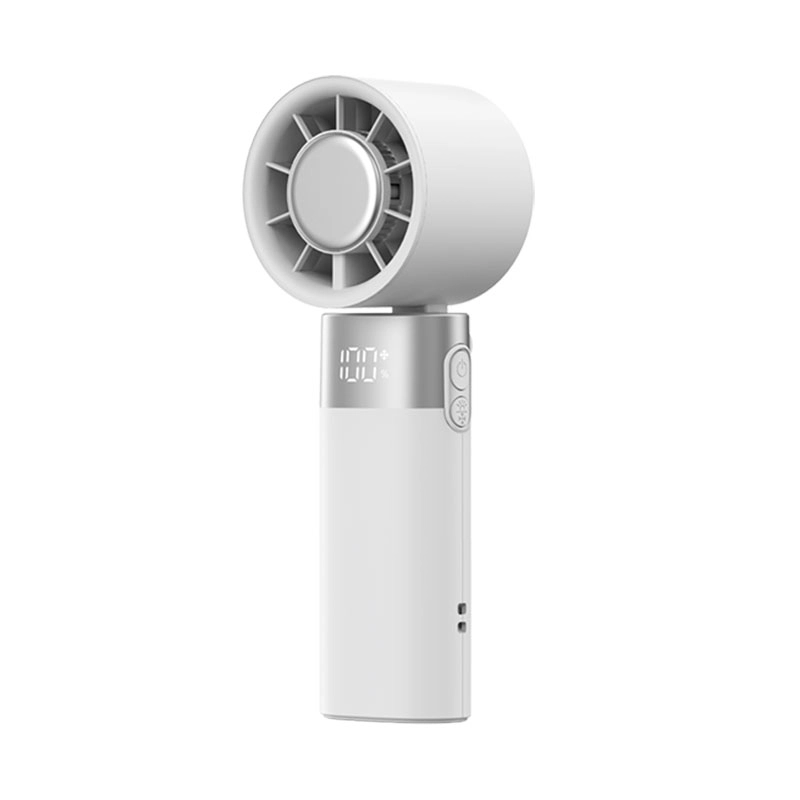
Reliable Handheld Cooling Solution for Bulk & Corporate Purchases
This premium handheld fan is designed for high-frequency, large-volume usage, making it an ideal cooling solution for corporate procurement, promotional distribution, employee welfare programs, and retail wholesale.
With stable airflow performance, a rechargeable design, and lightweight portability, it helps businesses deliver practical comfort products with strong perceived value while maintaining cost efficiency and supply reliability.
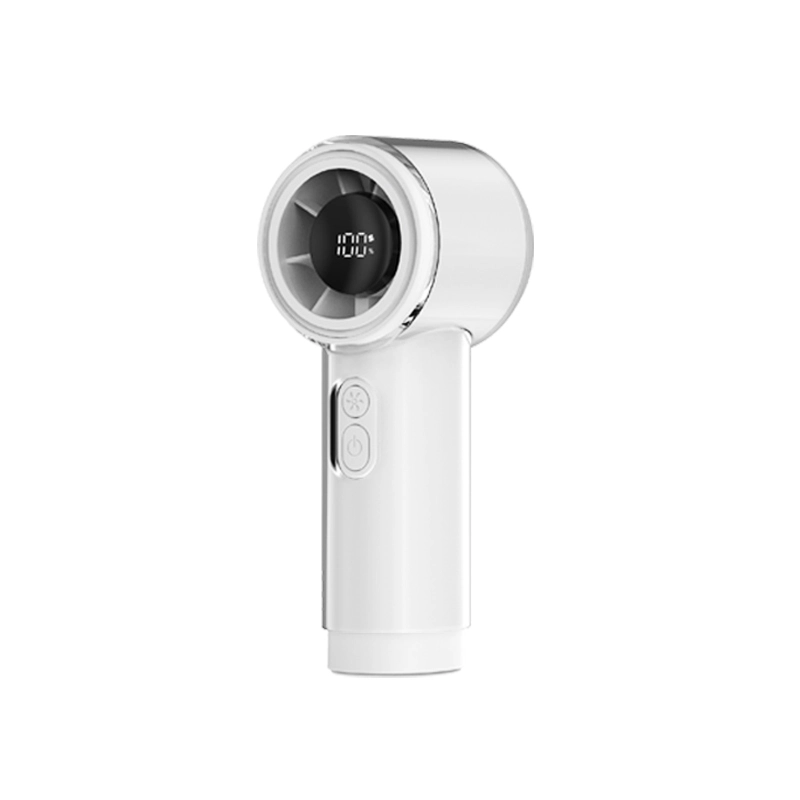
Customizable High-Speed Portable Handheld Fan FS2663
This is a high-speed, long-lasting, personalized, custom, portable cooling product specially designed for gift purchasers, cross-border e-commerce sellers, and OEM/ODM cooperation enterprises. It features (1) strong wind speed, (2) lightweight portability, (3) transparent shell design, (4) convenient carrying with a hand rope, and (5) long battery life. It helps enterprises enhance brand exposure, product differentiation competitiveness, and customer repeat purchase rate.
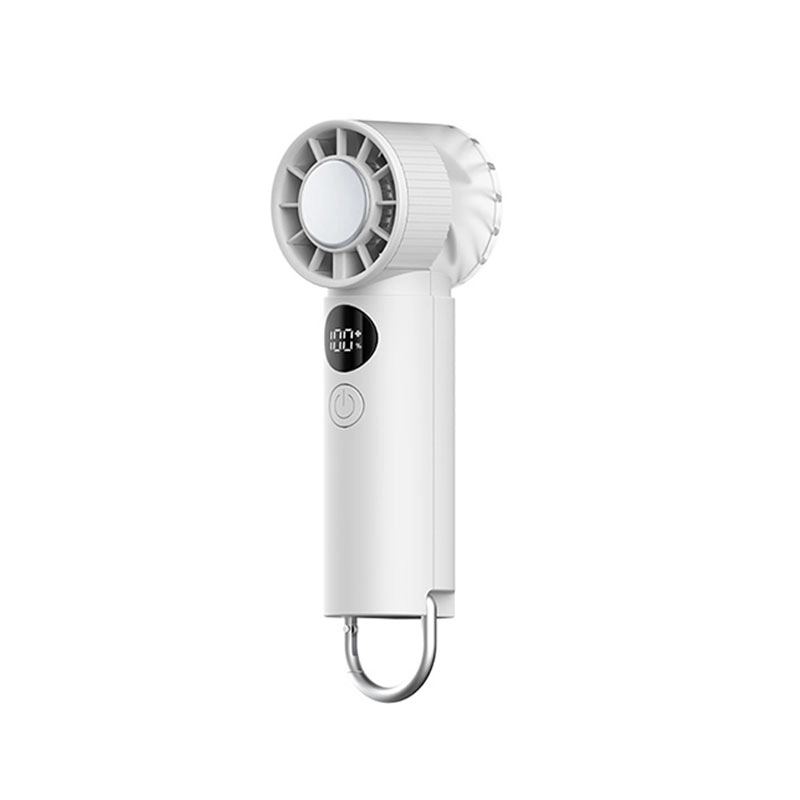
Customizable lightweight mini handheld cooling fan (with climbing hook) FS2666
A portable cooling and personalized customization product specially designed for commuters, students, the gift customization industry, and OEM/ODM buyers. It features (1) lightweight and easy portability, (2) a climbing buckle, and (3) semiconductor cooling.
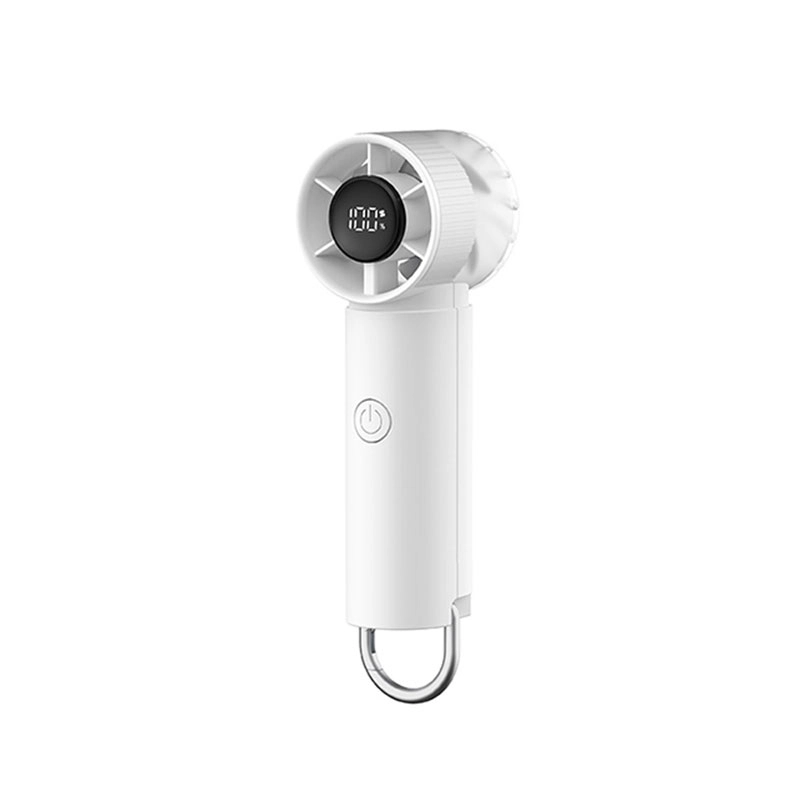
Customizable lightweight mini handheld cooling fan (with climbing hook) FS2667
This is a lightweight and portable + personalized customization product specially designed for commuters, students, the gift customization industry, and OEM/ODM buyers. It features (1) lightweight and easy portability, (2) a climbing buckle, and (3) a semi-transparent air duct design.
Start Your Custom Handheld Fans Manufacturing Project Today
If you have any comments or good suggestions, please leave us a message; later our professional staff will contact you as soon as possible.
Contact


4th Floor, Building 3, Jurong Industrial Park, No. 27-1-1, Fu'an Industrial Zone,Leliu Town (Pancun), Shunde District, Foshan City, Guangdong Province
 Scan QR Code
YouTube
Twitter
Facebook