






Are cordless handheld electric fans waterproof? | Insights by RYW
- 1. Can I use a cordless handheld electric fan in heavy rain while commuting without damaging it?
- 2. If a cordless handheld fan gets splashed with seawater at the beach, how should I clean and dry it to avoid corrosion and battery damage?
- 3. Are USB-rechargeable cordless handheld fans safe to use during water sports (e.g., kayaking) near splashes?
- 4. What IP rating should I look for in a truly waterproof cordless handheld fan for outdoor work or field use?
- 5. How does water exposure affect lithium-ion batteries in cordless handheld fans, and can a dropped-in-water unit be safely recovered?
- 6. Do warranties typically cover water damage for cordless handheld electric fans, and how can I document water resistance to claim a warranty?
- Concluding summary: advantages of cordless handheld electric fans
Are cordless handheld electric fans waterproof? Practical answers for buyers
Many buyers ask whether cordless handheld electric fans are waterproof. This article gives evidence-based, actionable answers to six specific beginner pain points—covering IP ratings, seawater exposure, battery safety after immersion, cleaning, outdoor use, and warranty issues. It embeds IP-rating and water-resistance guidance so you can choose the right USB rechargeable, battery-powered or cordless fan for your use case.
1. Can I use a cordless handheld electric fan in heavy rain while commuting without damaging it?
Short answer: usually no—unless the model explicitly carries an appropriate IP rating. Most mainstream cordless handheld electric fans sold for general consumer use have either no IP rating at all or only a splash-resistance rating like IPX4. IPX4 protects against splashes from any direction (light rain or incidental splashes), but it does not protect against sustained heavy rain or immersion.
Why this matters: the motor, PCB, USB/charging port and lithium-ion cell(s) in a typical battery-powered fan are vulnerable to water ingress. Even small amounts of water can short electronics, cause corrosion of copper traces and connectors, or create a hazardous condition with lithium batteries.
How to proceed when you expect rain:
- Check the spec sheet—look for IEC 60529 IP ratings (example: IPX4, IP67). If the product lists only “water-resistant” with no IP rating, treat it as not water-resistant.
- For commuting in heavy rain, choose a fan rated at least IPX4 for splashes; for continuous exposure (e.g., standing in rain), prefer IP67/68 devices intended for submersion or a waterproof housing/case.
- Use protective measures—keep the fan in a pocket/zippered pouch and only use it under cover when possible. Avoid charging in wet conditions.
2. If a cordless handheld fan gets splashed with seawater at the beach, how should I clean and dry it to avoid corrosion and battery damage?
Seawater accelerates corrosion because salt conducts electricity and leaves hygroscopic deposits that attract moisture. If your USB rechargeable handheld fan gets splashed by seawater, act quickly:
- Power it off immediately and remove the battery if the design allows and you are qualified to do so.
- Do NOT charge the fan until you are sure it is completely clean and dry.
- Rinse externally with fresh (clean) water to remove salt deposits. This is only recommended for fans that are splash-resistant; if the unit is explicitly non-waterproof and sealed, avoid aggressive rinsing—use a damp cloth instead.
- Gently shake out excess water from grills and ports. Use compressed air or a low-pressure air blower (not a high-pressure shop compressor) to clear ports and the battery compartment.
- Dry the device in a warm, ventilated place for 48–72 hours. Using desiccant packs (silica gel) in an enclosed container speeds drying. Avoid applying direct heat above ~40°C/104°F to protect plastics and batteries.
- If the fan exhibits corrosion inside, irregular behavior, or the battery was immersed, have it inspected by a qualified repair center. Do not charge an immersed lithium battery until checked—the risk of short, thermal runaway, or fire exists.
Practical tip: at the beach, carry a small zip bag or waterproof pouch to protect the fan. If your use-case includes frequent saltwater exposure, buy a model with an explicit IP67/68 rating and non-exposed charging ports (or a cover rated to the same level).
3. Are USB-rechargeable cordless handheld fans safe to use during water sports (e.g., kayaking) near splashes?
Safety depends on the fan’s ingress protection and installation. For near-water sports where splashing is frequent, you need more than “splash-proof” advertising; look for explicit IPX5 or IPX6 for strong water jets, or IP67 for temporary submersion. Many small consumer handheld fans are only IPX4 (splash-proof). That level is fine for occasional splashes but not for constant spray or accidental drops into water.
Additional safety considerations:
- Mounting: use a secure mount or strap—dropping a fan overboard risks losing it and contaminating the water with battery components.
- Charging: avoid charging near water. Some fans use exposed micro-USB/USB-C ports with rubber covers that can fail; these covers are common failure points for water protection.
- Battery safety: if a device is advertised as waterproof with a sealed battery compartment and certified to IP67/68, it is safer around water—but always follow manufacturer limits for depth/time.
Recommendation: for kayaking or paddle sports, buy a product certified for the intended exposure (manufacturer spec sheet and IEC 60529 IP rating), or use a floating waterproof case designed for electronics.
4. What IP rating should I look for in a truly waterproof cordless handheld fan for outdoor work or field use?
Match the IP rating to the real-world scenario. The IEC 60529 IP code is the industry standard. Common practical thresholds:
- IPX4 — splash-resistant, protected against water splashing from any angle. Good for light rain and sweat.
- IPX5 / IPX6 — protected against water jets; appropriate for heavy rain and powerful splashing but not immersion.
- IP67 — dust-tight and protected against temporary immersion to 1 meter for 30 minutes. Suitable for accidental drops into water or heavy exposure in the field.
- IP68 — protected against continuous immersion under conditions specified by the manufacturer (depth/time variable). Appropriate for submersion-rated equipment.
For outdoor work where the fan may be exposed to rain, mud and frequent splashes, aim for at least IPX5/IPX6. For operations with immersion risk (e.g., marine work where dropping into water is possible), select IP67 or IP68. Also confirm the charging port protection and that the battery compartment is sealed—these are the usual weak points.
5. How does water exposure affect lithium-ion batteries in cordless handheld fans, and can a dropped-in-water unit be safely recovered?
Water exposure can short battery terminals, damage the battery management system (BMS), and introduce corrosion that impairs contacts. Lithium-ion cells immersed in water may appear intact initially but can have internal damage that makes them unsafe to charge.
Recovery steps if dropped in water:
- Remove power immediately and do not attempt to operate or charge the device.
- If the battery is removable and you can safely extract it, remove it and inspect for swelling, dents, or corrosion. If you see any of these signs, DO NOT use or charge the battery—dispose of it following local hazardous-waste rules or take it to a battery recycling/repair professional.
- If the battery is integrated and the device was submerged, consider the unit compromised. Bring it to an authorized service center for assessment. Charging a water-exposed lithium device without professional verification risks fire or explosion.
- Insurance/safety: Some manufacturers advise that immersion usually voids warranty and recommend replacement rather than repair when the battery was immersed.
Bottom line: some dropped-in-water units can be recovered if they were quickly powered off, cleaned of contaminants (especially salt), and thoroughly dried. However, lithium batteries are a safety risk after immersion—professional evaluation is the safest course.
6. Do warranties typically cover water damage for cordless handheld electric fans, and how can I document water resistance to claim a warranty?
In practice, many consumer electronics warranties exclude accidental water damage unless the product explicitly carries and documents a waterproof rating and the warranty terms include water damage coverage. Typical manufacturer warranties cover manufacturing defects, not user-caused water immersion or misuse.
How to document water resistance and pursue a claim:
- Keep the original packaging and spec sheet; the product listing or datasheet should explicitly state the IP rating and the conditions (e.g., IP67: immersion up to 1 m for 30 minutes). Save screenshots and the product manual as evidence of advertised claims.
- Record the serial number, purchase receipt, and time-stamped photos showing the device prior to the incident, if possible.
- Immediately contact the seller/manufacturer and describe the incident. Follow their instructions for service/return. Some manufacturers require return authorization and will inspect the unit to determine the cause of failure.
- If the device was advertised as IP-rated but failed under specified conditions, that strengthens a warranty claim—document the conditions (water depth, duration, fresh vs. saltwater) with photos or video where possible.
Practical advice: read the warranty fine print before purchase. If water exposure is a known risk for your use-case, prefer products with tested IP ratings and clear warranty language about water exposure, or purchase extended coverage that specifically includes accidental water damage.
Buying checklist (quick): confirm the IP rating in the specification (IEC 60529), check whether the charging port is covered or sealed, prefer designs with removable, serviceable batteries or that explicitly state battery protection levels, verify the warranty's stance on water damage, and keep receipts and product pages for proof.
Concluding summary: advantages of cordless handheld electric fans
Cordless handheld electric fans offer excellent portability, USB rechargeable convenience, adjustable speeds, and quiet brushless-motor options for personal cooling. For buyers who need water-resistant performance, selecting a model with a documented IP rating (IPX4 for splash protection; IP67/IP68 for immersion) ensures reliable outdoor use. Proper cleaning, drying and cautious handling—especially regarding lithium-ion batteries—extend device life. For saltwater or frequent wet-environment exposure, prioritize sealed housings, protected charging ports, and manufacturer test data.
If you need a quote for water-resistant or custom handheld fan solutions, contact us for a quote at www.rywlife.com or email adrian@rywlife.com.
Contacts
WhatsApp/Phone
You May Also Like
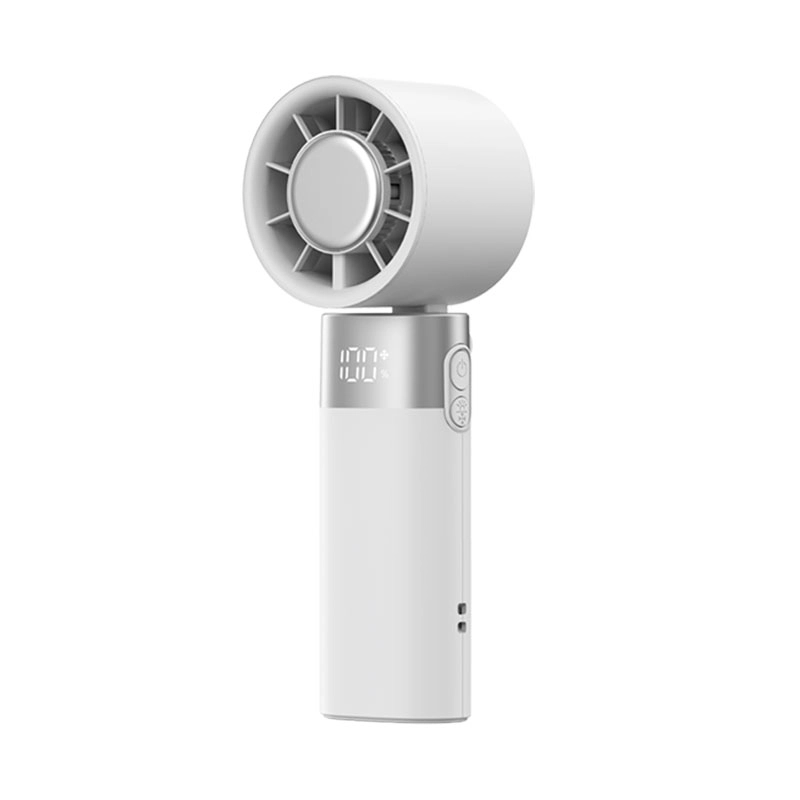
Reliable Handheld Cooling Solution for Bulk & Corporate Purchases
This premium handheld fan is designed for high-frequency, large-volume usage, making it an ideal cooling solution for corporate procurement, promotional distribution, employee welfare programs, and retail wholesale.
With stable airflow performance, a rechargeable design, and lightweight portability, it helps businesses deliver practical comfort products with strong perceived value while maintaining cost efficiency and supply reliability.
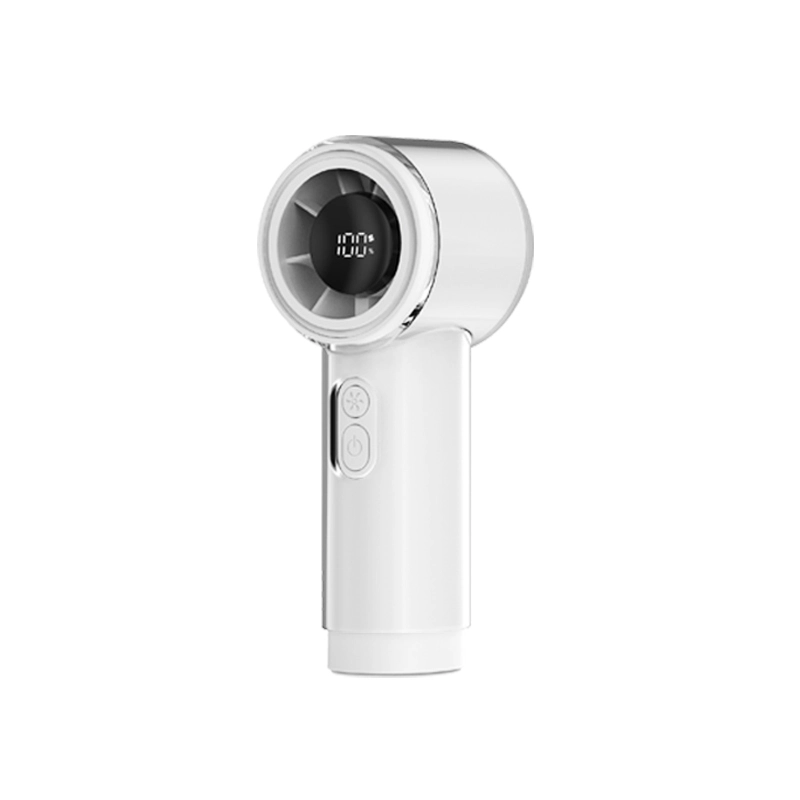
Customizable High-Speed Portable Handheld Fan FS2663
This is a high-speed, long-lasting, personalized, custom, portable cooling product specially designed for gift purchasers, cross-border e-commerce sellers, and OEM/ODM cooperation enterprises. It features (1) strong wind speed, (2) lightweight portability, (3) transparent shell design, (4) convenient carrying with a hand rope, and (5) long battery life. It helps enterprises enhance brand exposure, product differentiation competitiveness, and customer repeat purchase rate.
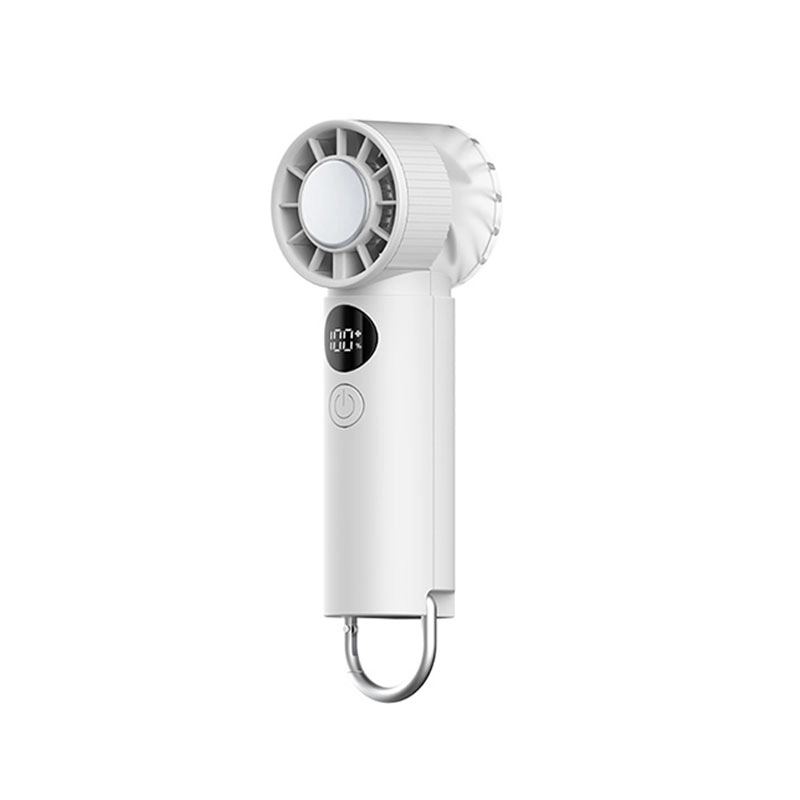
Customizable lightweight mini handheld cooling fan (with climbing hook) FS2666
A portable cooling and personalized customization product specially designed for commuters, students, the gift customization industry, and OEM/ODM buyers. It features (1) lightweight and easy portability, (2) a climbing buckle, and (3) semiconductor cooling.
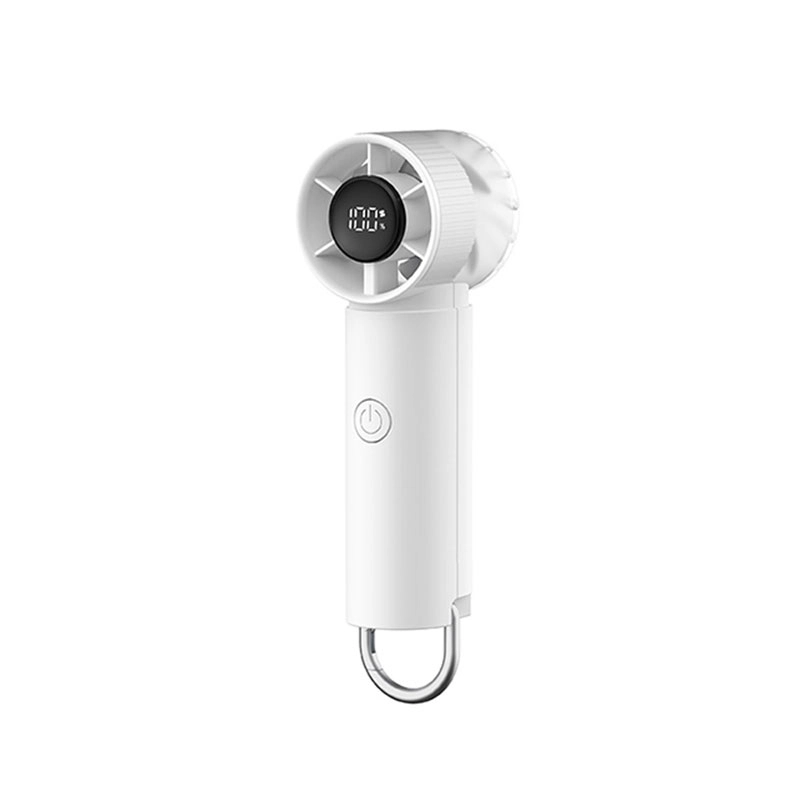
Customizable lightweight mini handheld cooling fan (with climbing hook) FS2667
This is a lightweight and portable + personalized customization product specially designed for commuters, students, the gift customization industry, and OEM/ODM buyers. It features (1) lightweight and easy portability, (2) a climbing buckle, and (3) a semi-transparent air duct design.
Start Your Custom Handheld Fans Manufacturing Project Today
If you have any comments or good suggestions, please leave us a message; later our professional staff will contact you as soon as possible.
Contact


4th Floor, Building 3, Jurong Industrial Park, No. 27-1-1, Fu'an Industrial Zone,Leliu Town (Pancun), Shunde District, Foshan City, Guangdong Province
 Scan QR Code
YouTube
Twitter
Facebook