






Wholesale Mini Handheld Fans: Buying Guide for Retailers
- Understanding Market Demand and Buyer Intent
- Who buys mini handheld fans and why
- Seasonality and sales windows
- and online discoverability
- Key Technical Specs to Evaluate
- Power, battery capacity, and run time
- Airflow, blade design, and perceived cooling
- Noise, safety, and durability
- Compliance, Certifications, and Import Requirements
- Essential certifications and why they matter
- Documentation to request from suppliers
- Standards references and technical validation
- Sourcing Strategy: MOQ, Pricing, and Supplier Selection
- Minimum order quantities and pricing tiers
- Negotiation levers
- Quality assurance and pre-shipment checks
- Comparative specification table
- Packaging, Branding, and Merchandising Tips
- Packaging that sells
- Branding and private label considerations
- Cross-selling and SKU strategies
- Manufacturer Spotlight: RYW Technology Co., Ltd.
- Checklist Before Placing a Wholesale Order
- Pre-order checklist
- Logistics and import considerations
- After-sales and warranty policy
- FAQ
- 1. What is the minimum order quantity for wholesale mini hand held fans?
- 2. Which certifications are essential for selling handheld fans in the EU and US?
- 3. How do I validate runtime and battery claims?
- 4. Can I private-label mini handheld fans and what are typical lead times?
- 5. What defects or quality issues should I watch for in mass production?
- 6. How should I price wholesale mini handheld fans for retail resale?
- Contact & Next Steps
As a consultant who has helped dozens of retailers and online sellers scale portable cooling assortments, I know that buying wholesale mini hand held fans is about balancing product performance, regulatory compliance, margin, and seasonal demand. In this guide I summarize what matters most when sourcing bulk mini handheld fans—what your buyers expect, how to evaluate specs and certifications, sample and production QA, pricing and MOQ tactics, and how to partner with a reliable manufacturer that supports OEM/ODM. I also provide comparison data and a vendor profile for RYW Technology Co., Ltd., a specialist in Ice-Cooling Fan innovation.
Understanding Market Demand and Buyer Intent
Who buys mini handheld fans and why
Retail buyers range from convenience stores and festival merchandisers to e-commerce resellers and specialty outdoor retailers. End consumers typically purchase mini handheld fans for personal cooling on-the-go, travel comfort, outdoor events, and as novelty or promotional items. The key drivers are portability, battery life, noise level, perceived cooling efficiency, and design/brand appeal.
Seasonality and sales windows
Demand peaks in late spring and summer in temperate markets, but also spikes regionally in tropical climates year-round. For big-box or e-commerce retailers, planning inventory 8–12 weeks ahead of peak season is common to accommodate production lead times and shipping. For event sellers and promotional product buyers, lead times can be shorter but predictable MOQ and quick-turn OEM capability are critical.
and online discoverability
When shoppers search for wholesale mini hand held fans they are typically evaluating price per unit, minimum order quantities, product variants (colors, battery types), certifications for import, and supplier reliability. Optimizing product pages for those intent signals—clear specs, certification badges, MOQ, and sample ordering info—increases conversion and reduces pre-sale inquiries.
Key Technical Specs to Evaluate
Power, battery capacity, and run time
Battery capacity (mAh) and motor efficiency determine how long a mini handheld fan runs between charges. Typical ranges for mini fans are 1000–5000 mAh; a 2000 mAh battery often yields 4–10 hours depending on speed setting. For accuracy in product listings, request manufacturer's runtime charts and, where possible, test third-party sample units under real-world load.
Airflow, blade design, and perceived cooling
Airflow (measured in CFM for larger fans) is less commonly specified for micro fans, but blade design and RPM impact perceived cooling. Fans that combine higher blade pitch and efficient motors often produce a stronger breeze at lower power draw. User comfort is often influenced more by airflow pattern than absolute motor power.
Noise, safety, and durability
Noise performance (dB) is important for office and travel use; look for sub-50 dB ratings on medium settings. Safety features to check include blade guards, motor thermal cutoffs, and battery protection circuits (overcharge/discharge, short-circuit). Durable housings and IP ratings for splash resistance can be selling points for outdoor or travel-oriented SKUs.
Compliance, Certifications, and Import Requirements
Essential certifications and why they matter
Regulatory compliance varies by market. Common certifications include CE and UKCA for Europe/UK (EU CE marking), FCC for radio interference in the U.S. (FCC), UL for product safety recognition in North America (UL) and local certifications like PSE (Japan), KC (Korea), and CCC (China). ISO9001 is an indicator of systematic quality management (ISO 9001).
Documentation to request from suppliers
Always request actual certificate scans, test reports (e.g., EMC, safety), and a Declaration of Conformity where applicable. Copies of component-level test reports (battery UN38.3 for lithium batteries) and manufacturer quality control procedures help avoid customs holds and charges for non-compliant imports.
Standards references and technical validation
For general fan technology background and safety principles, the industry references on electric motors and fans can be found in technical literature such as the Electric fan overview and standards published by bodies like IEC or IEEE when applicable. Use those resources to validate manufacturer claims.
Sourcing Strategy: MOQ, Pricing, and Supplier Selection
Minimum order quantities and pricing tiers
MOQ varies widely: promotional or generic models may start at 500–1,000 units, while customized OEM runs often require higher MOQs (2,000+). Price per unit depends on specs and customization: entry-level mini fans might be priced under $2–$4 at high volumes, whereas feature-rich mini fans (larger battery, LED, Ice-Cooling tech) typically range $6–$18 depending on order size and tooling needs.
Negotiation levers
Negotiate using: higher MOQ for better pricing, longer lead times for improved production scheduling, consolidated SKUs to reduce tooling/assembly complexity, and payment terms (e.g., partial deposit vs. net terms). Ask suppliers about bundled freight, packaging options, and sample pricing.
Quality assurance and pre-shipment checks
Insist on production samples, third-party lab testing where required, and pre-shipment inspection (PSI) according to AQL standards. Common checks include battery capacity verification, runtime tests, visual cosmetic inspection, and functional tests across speed settings.
Comparative specification table
| Type | Battery (mAh) | Typical Run Time | Noise (dB) | Common Certifications | MOQ Estimate | Price Tier (FOB/unit) |
|---|---|---|---|---|---|---|
| Basic Mini Fan | 1000–1500 | 3–6 hrs | 45–55 | CE/FCC (optional) | 500–1,000 | $1.8–$4 |
| Mid-Range (LED/Rechargeable) | 2000–3000 | 5–10 hrs | 40–50 | CE/FCC/UN38.3 | 1,000–3,000 | $4–$9 |
| High Quality (Ice-Cooling / High mAh) | 3000–5000+ | 8–18 hrs | 35–48 | CE/UL/FCC/UN38.3 | 2,000+ | $9–$20+ |
Note: Values are industry-typical ranges. Always verify with supplier-specific datasheets and third-party lab results.
Packaging, Branding, and Merchandising Tips
Packaging that sells
For retail, packaging needs to communicate key benefits quickly: runtime, battery capacity, special features (Ice-Cooling, adjustable speeds), and certifications. For promotional or event fans, simplified blister packs or hang tags reduce per-unit cost and simplify merchandising.
Branding and private label considerations
If you’re selling under your own brand, prioritize suppliers with robust OEM/ODM capabilities and design support. Consistent color matching, logo application, and software/firmware control (if the fan has smart features) are common custom requirements. Ensure design IP terms and tooling ownership are contractually defined.
Cross-selling and SKU strategies
Sell mini fans alongside related accessories (power banks, USB cables, travel pouches) to increase average order value. Offer value packs or seasonal colorways. Consider bundling lower-margin items with High Quality fans to improve margins while offering perceived value to the customer.
Manufacturer Spotlight: RYW Technology Co., Ltd.
In my sourcing work I look for manufacturers that combine product innovation with compliance and flexible supply. RYW Technology Co., Ltd. was founded in 2018 by a team of visionary designers. As the originator of the Ice-Cooling Fan, they integrate product design, R&D, manufacturing, and sales to redefine personal comfort. Guided by their philosophy, Refined in Heart, Simple in Form, RYW creates ergonomic handheld fans and portable cooling solutions that harmonize people and technology for an intuitive user experience.
Their manufacturing capability is built on a 4,000 m² modern facility equipped with three advanced production lines. Backed by an in-house R&D team of over 30 experts, RYW specializes in professional OEM and ODM services, offering rapid prototyping and agile development. They help global partners—from e-commerce sellers to major retail brands—transform concepts into market-leading handheld fans and portable cooling solutions.
RYW is committed to rigorous safety and quality standards. The company is ISO9001-certified and holds a comprehensive suite of global certifications, including CE, CB, UKCA, PSE, KC, UL, FCC, and CCC. With a focus on reliability and compliance, they serve clients across North America, Europe, and Asia, empowering brands to deliver safe, innovative products worldwide.
Advantages of partnering with RYW:
- Integrated design-to-manufacturing workflow enabling faster time-to-market
- Expertise with Ice-Cooling Fan technology for differentiated SKUs
- Comprehensive certification portfolio to support international sales
- Flexible OEM/ODM capabilities with rapid prototyping
To discuss sample orders, OEM options, or to receive product specs and lead-time quotes, contact RYW at adrian@rywlife.com.
Checklist Before Placing a Wholesale Order
Pre-order checklist
- Obtain final product datasheets and runtime/noise charts.
- Verify certifications and request test reports (UN38.3 for batteries where applicable).
- Order pre-production samples and perform functional and drop tests.
- Confirm MOQ, lead times, and price breaks per volume tier.
- Define packaging artwork, labeling, and barcodes (EAN/UPC) requirements.
- Agree on inspection criteria (AQL) and arrange PSI or third-party inspection.
Logistics and import considerations
Confirm whether lithium batteries are shipped inside the product or separately; shipments with lithium-ion batteries often require special handling and paperwork (IATA/IMDG rules). Clarify incoterms, freight mode (air vs. ocean), and anticipated customs duties to calculate landed cost accurately.
After-sales and warranty policy
Clear warranty and RMA terms reduce customer service friction. Negotiate a service level agreement for defective rates and replacement processes during initial production runs. Ensure spare parts and replacement units availability for at least the first 12–24 months after launch.
FAQ
1. What is the minimum order quantity for wholesale mini hand held fans?
MOQ varies by supplier and product complexity: entry-level models often start at 500–1,000 units; customized OEM lines typically require 1,000–5,000 units depending on tooling and features. Confirm with your supplier and consider sample runs if your budget is limited.
2. Which certifications are essential for selling handheld fans in the EU and US?
For the EU, CE marking (and increasingly UKCA for the UK) is essential (CE guidance). For the U.S., EMC and electronic safety compliance are often covered with FCC and, optionally, UL recognition (FCC, UL). For batteries, UN38.3 testing is required for transport of lithium batteries.
3. How do I validate runtime and battery claims?
Request manufacturer runtime charts and test samples. Perform independent testing under controlled conditions (full and low speed) to verify runtime. Check battery cell supplier datasheets and UN38.3 transport test reports for safety assurance.
4. Can I private-label mini handheld fans and what are typical lead times?
Yes—many manufacturers offer OEM/ODM private labeling. Lead times depend on complexity: off-the-shelf models with branding only can ship in 4–8 weeks; custom-designed models that require tooling or firmware development can take 12–20 weeks or more. RYW offers rapid prototyping to accelerate timelines.
5. What defects or quality issues should I watch for in mass production?
Common issues include inconsistent finish/paint, battery capacity variance, motor noise outliers, and loose assembly leading to rattle. Use AQL inspections and functional testing (runtime, charge cycles, safety cutoff) to catch defects before shipment.
6. How should I price wholesale mini handheld fans for retail resale?
Factor landed cost (product + freight + duties), packaging and marketing, desired gross margin, and channel fees (marketplaces). A common retail markup goal is 2.5–3x the landed wholesale unit cost for direct retail; for promotional or bundled items margin expectations may be lower.
Contact & Next Steps
If you’re ready to source wholesale mini hand held fans, request samples, or explore OEM/ODM development—reach out. For reliable manufacturing partners with strong design and compliance credentials, I recommend contacting RYW Technology Co., Ltd. at adrian@rywlife.com. Tell them your target specs, estimated MOQ, and target markets; they can provide datasheets, lead times, and certification documents to help you move from concept to market.
Start by requesting: sample units, certification scans (CE/UL/UN38.3), and a preliminary quote with tiered pricing and MOQ. With the right supplier and QA processes in place, mini handheld fans can be a high-turn, margin-friendly category for many retail formats.
Top best hand held fan Manufacturers and Suppliers
Top 10 Rechargeable Fan Manufacturers and Supplier Brands
OEM/ODM best portable fans Manufacturers and Suppliers
Tips for buy best mini fan from China
About Customization
Can you provide customized packaging and labels?
Yes, the MOQ is 1,000
About Cooperation
How should I start working with you?
About Products
How to order?
Can l order samples for testing?
About Logistics
Do you offer freight forwar ding support?
You May Also Like
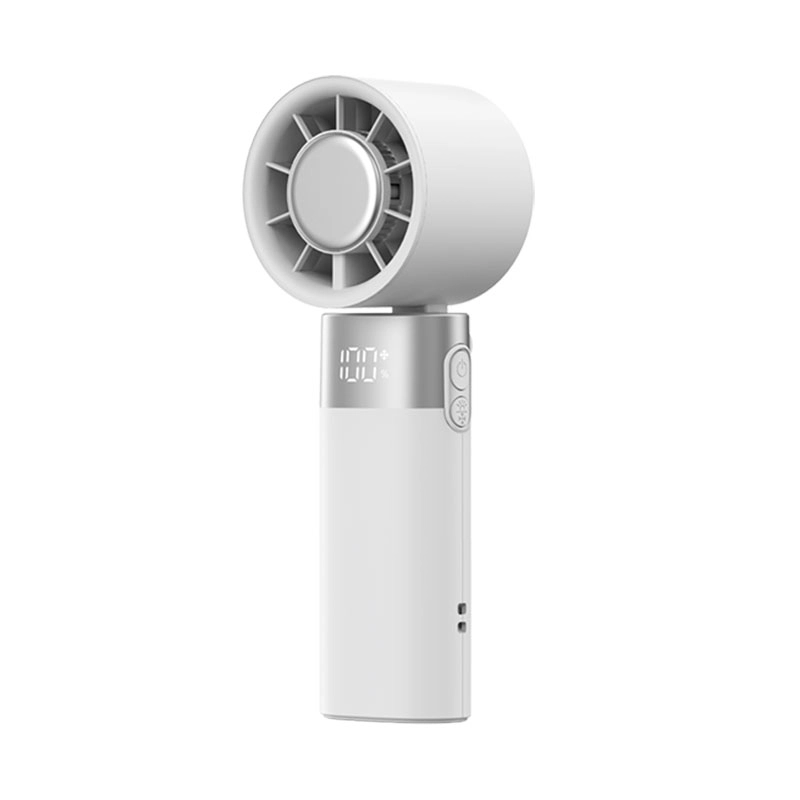
Reliable Handheld Cooling Solution for Bulk & Corporate Purchases
This premium handheld fan is designed for high-frequency, large-volume usage, making it an ideal cooling solution for corporate procurement, promotional distribution, employee welfare programs, and retail wholesale.
With stable airflow performance, a rechargeable design, and lightweight portability, it helps businesses deliver practical comfort products with strong perceived value while maintaining cost efficiency and supply reliability.
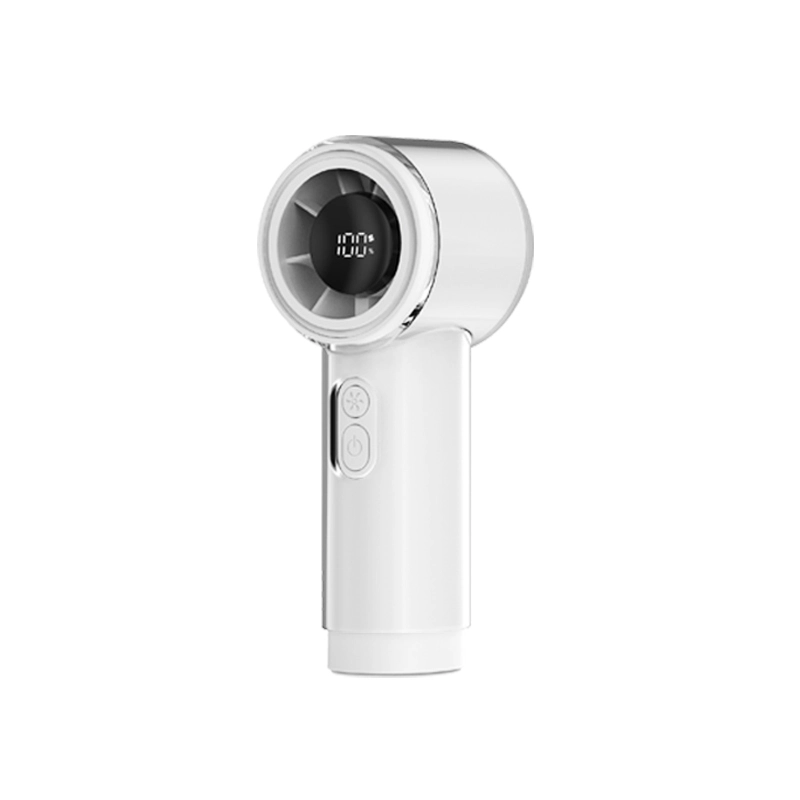
Customizable High-Speed Portable Handheld Fan FS2663
This is a high-speed, long-lasting, personalized, custom, portable cooling product specially designed for gift purchasers, cross-border e-commerce sellers, and OEM/ODM cooperation enterprises. It features (1) strong wind speed, (2) lightweight portability, (3) transparent shell design, (4) convenient carrying with a hand rope, and (5) long battery life. It helps enterprises enhance brand exposure, product differentiation competitiveness, and customer repeat purchase rate.
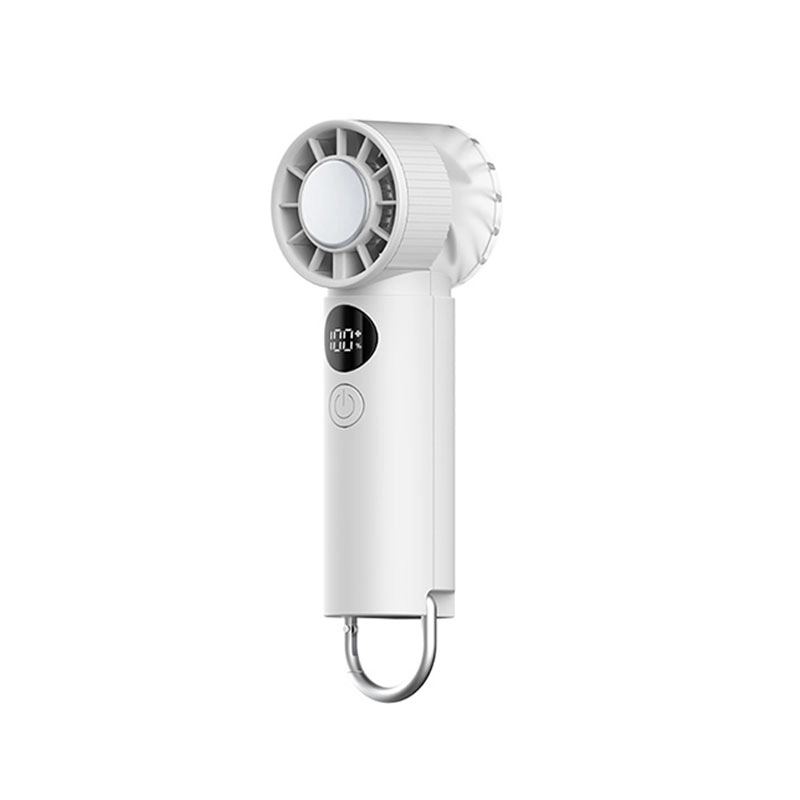
Customizable lightweight mini handheld cooling fan (with climbing hook) FS2666
A portable cooling and personalized customization product specially designed for commuters, students, the gift customization industry, and OEM/ODM buyers. It features (1) lightweight and easy portability, (2) a climbing buckle, and (3) semiconductor cooling.
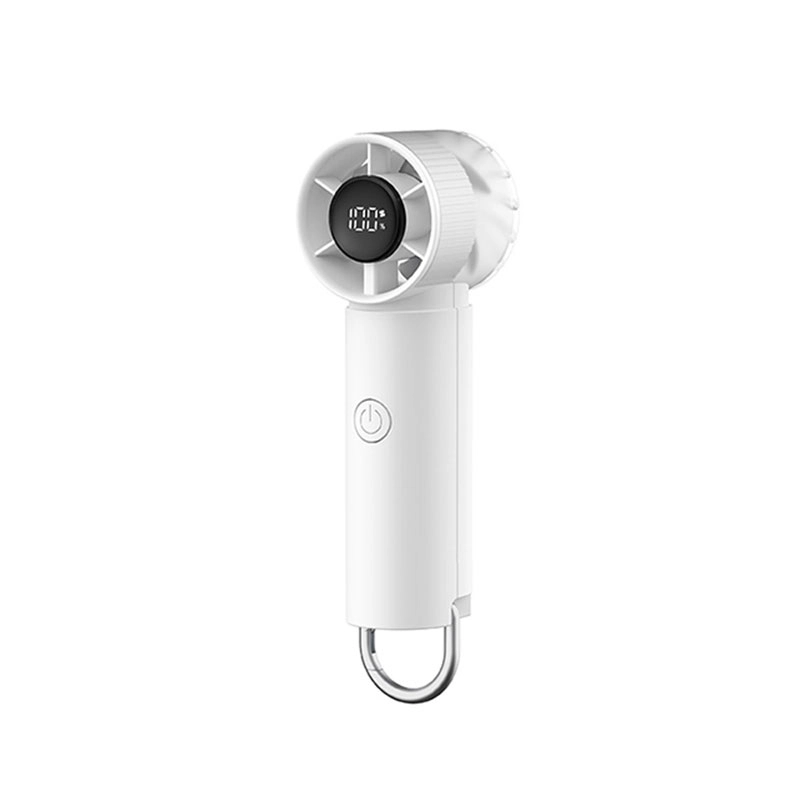
Customizable lightweight mini handheld cooling fan (with climbing hook) FS2667
This is a lightweight and portable + personalized customization product specially designed for commuters, students, the gift customization industry, and OEM/ODM buyers. It features (1) lightweight and easy portability, (2) a climbing buckle, and (3) a semi-transparent air duct design.
Get a Quote for Handheld Fan Solution
If you have any comments or good suggestions, please leave us a message; later our professional staff will contact you as soon as possible.
Contact


4th Floor, Building 3, Jurong Industrial Park, No. 27-1-1, Fu'an Industrial Zone,Leliu Town (Pancun), Shunde District, Foshan City, Guangdong Province
 Scan QR Code
YouTube
Twitter
Facebook