






Everything You Need to Know About usb fans
- Understanding Personal Cooling Solutions
- What is a USB fan and how is it used?
- USB power basics: volts, amps, and watts
- How much cooling can a USB fan provide?
- Choosing the Right USB Fan
- Types and use cases
- Key specs to evaluate
- Practical comparison: typical USB fan specifications
- Safety, Standards, and Certifications
- Regulatory standards to look for
- Electrical safety and battery considerations
- What manufacturers should communicate
- Maintenance, Troubleshooting, and Buying Tips
- Care and cleaning
- Troubleshooting common issues
- Conclusion and Frequently Asked Questions
- FAQ
This guide to usb fans covers technical basics, power and airflow benchmarks, product types (handheld, clip-on, desk, USB-C), safety and certification expectations, maintenance, and buyer considerations—optimized for localized search and product discovery so retailers and consumers can find the exact portable cooling solution they need.
Understanding Personal Cooling Solutions
What is a USB fan and how is it used?
A USB fan is a small electric fan designed to be powered primarily via USB ports (5 V standard for USB-A/B). They are used as personal cooling devices—handheld fans, desk fans, clip fans and mini tower fans—commonly relied upon for travel, outdoor events, desk comfort, and last-mile cooling in hot climates. Because they draw power from ubiquitous USB sources (power banks, laptops, wall adapters), usb fans are exceptionally portable and versatile.
USB power basics: volts, amps, and watts
Understanding USB power output helps pick the right fan. Classic USB 2.0 ports supply up to 500 mA at 5 V (2.5 W); USB 3.0 increases that to 900 mA (4.5 W). USB-C and Power Delivery (PD) can provide higher voltages and currents for more powerful devices. For technical reference, see the USB overview on Wikipedia and the official USB Implementers Forum at usb.org.
How much cooling can a USB fan provide?
Cooling effect depends on airflow (measured in cubic feet per minute, CFM), fan blade design, speed, and proximity to the user. Typical small USB fans produce roughly 10–50 CFM, which is sufficient for personal cooling at short distances. Higher-CFM models, often with larger blades or brushless motors, increase perceived cooling but require greater power or internal batteries. For general background on electric fans and performance, see Electric fan (Wikipedia).
Choosing the Right USB Fan
Types and use cases
USB fans come in several form factors. Choose based on where and how you'll use it:
- Handheld fans: Lightweight and battery-assisted for on-the-go cooling.
- Desk/stand fans: Larger base and higher airflow for workspace comfort.
- Clip-on fans: Clamp to strollers, desks, or shelves for fixed spots.
- Neck fans: Wearable hands-free cooling with directed airflow.
Key specs to evaluate
When comparing models, prioritize these specifications:
- Power draw (W): Indicates energy needs and compatibility with USB ports.
- Battery capacity and runtime (mAh and hours) for cordless models.
- Airflow (CFM): Higher values generally mean stronger breeze.
- Noise level (dB): Critical for office use or sleep-friendly fans.
- Motor type: Brushless DC motors are quieter and longer-lasting.
Practical comparison: typical USB fan specifications
| Fan Type | Typical Power | Typical Airflow (CFM) | Typical Runtime (2000–5000 mAh) | Use Case |
|---|---|---|---|---|
| Small handheld USB fan | 1.5–3 W | 10–25 CFM | 4–10 hours | Personal outdoor/commute |
| Clip-on/desk USB fan | 3–5 W | 20–50 CFM | 3–8 hours (if battery) | Workspace, nursery, stroller |
| High-performance USB-C fan | 5–15 W (with PD) | 40–100 CFM | 2–6 hours (battery models) | Stronger airflow at close range |
Note: Power ranges above reflect typical market offerings for portable fans. For USB port power specs, consult the USB standard (see USB (Wikipedia) and usb.org).
Safety, Standards, and Certifications
Regulatory standards to look for
Reliable usb fans bear safety and electromagnetic compliance marks depending on the market: CE (Europe), UL (United States), FCC (EMC in the U.S.), KC (Korea), PSE (Japan), UKCA (United Kingdom), and CCC (China). For corporate manufacturing quality systems, ISO 9001 is frequently cited for quality management; learn more at the ISO website.
Electrical safety and battery considerations
Portable USB fans with internal batteries must meet lithium battery transport and safety standards. Brands should follow testing for short-circuit protection, overcharge/discharge protection, and thermal management. For general product safety guidance and labelling, the UL safety portal and the FCC (for electronic emissions) are helpful references.
What manufacturers should communicate
Manufacturers and private-label brands should provide clear statements on input voltage/current, battery capacity (mAh), runtime at each speed setting, noise (dB), and warranty terms. Transparent technical sheets and compliance documentation help retailers and consumers make informed choices and meet import regulations.
Maintenance, Troubleshooting, and Buying Tips
Care and cleaning
Regular maintenance extends a usb fan's life:
- Unplug before cleaning. Use compressed air or a soft brush to remove dust from blades and grills.
- For removable blades, wipe with a damp cloth and mild detergent; dry completely before reassembly.
- Keep vents clear on battery models to avoid overheating; store batteries at recommended temperatures.
Troubleshooting common issues
Typical problems and fixes:
- Fan won’t start: Check power source (USB port vs. power bank), cable integrity, and charging status for battery models.
- Weak airflow: Clean blades and grills; test at highest speed setting; replace worn motors in older units.
- Excess noise: Tighten loose grill screws; inspect for debris; consider brushless motor models for quieter performance.
Conclusion and Frequently Asked Questions
Conclusion: USB fans offer an accessible, portable solution for personal cooling with a wide range of form factors and performance levels. When choosing a model, balance power draw, airflow (CFM), noise, battery life, and safety certifications. For businesses and OEM/ODM partners, prioritize compliance documentation and transparent specs to build trust in global markets.
FAQ
- Are all USB fans safe to use with laptops or power banks?
- Most low-power USB fans (≤5 W) are safe when used as intended. Ensure the USB port supplies enough current and that the fan’s power rating does not exceed the port or adapter’s output. For higher-power fans, use compatible adapters or USB-C PD chargers.
- How long will a USB fan run on a 3,000 mAh battery?
- Runtime depends on power draw. A fan drawing 3 W (approx. 0.6 A at 5 V) running continuously could theoretically run ~5–6 hours from a 3,000 mAh battery, accounting for conversion inefficiencies and battery aging.
- Do brushless motors matter?
- Yes. Brushless DC motors tend to be quieter, more energy-efficient, and more durable than brushed motors—important for long-term reliability in handheld and desk fans.
- How can I verify certifications?
- Check the product’s user manual and specification sheet for certification numbers and request test reports from manufacturers. Reputable suppliers provide UL, CE, FCC, and other certificate scans on request.
RYW Technology Co., Ltd. integrates design, R&D, manufacturing, and sales to produce market-leading handheld and portable cooling solutions. Founded in 2018, RYW operates a 4,000 m² facility with three production lines and an in-house R&D team of 30+ experts, specializing in OEM and ODM services. RYW is ISO 9001 certified and holds multiple international certifications to support global distribution to North America, Europe, and Asia. Contact us at adrian@rywlife.com for product inquiries and OEM/ODM partnerships.
References: USB overview and power specs (Wikipedia), electric fan basics (Wikipedia), USB Implementers Forum (usb.org), ISO 9001 quality management (ISO), UL safety resources (UL).
CTA: Ready to design or source high-quality usb fans? Contact us at adrian@rywlife.com to start your OEM/ODM project.
Top ventilateur portatif rechargeable Manufacturers and Suppliers
Top cooling portable fan Manufacturers and Suppliers
Everything You Need to Know About air cooling handy mini fan factory
Tips for buy best mini fan from China
About Products
Can you do ODM project?
About Company
What's the difference between RYW products and others?
What is RYW main product for factory?
About Customization
What is the MOQ for custom logo?
About Cooperation
How should I start working with you?
You May Also Like
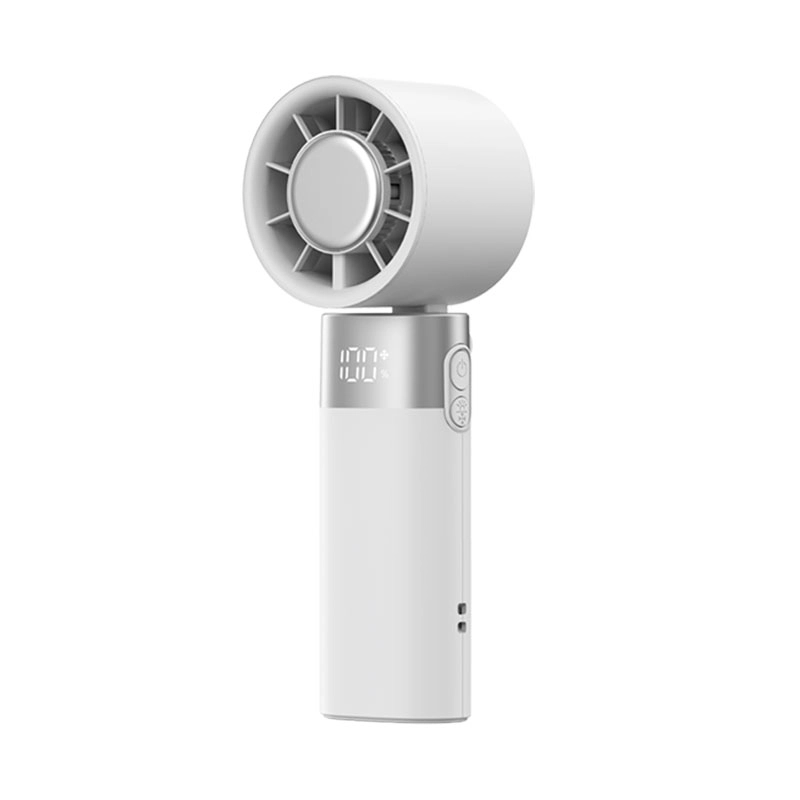
Reliable Handheld Cooling Solution for Bulk & Corporate Purchases
This premium handheld fan is designed for high-frequency, large-volume usage, making it an ideal cooling solution for corporate procurement, promotional distribution, employee welfare programs, and retail wholesale.
With stable airflow performance, a rechargeable design, and lightweight portability, it helps businesses deliver practical comfort products with strong perceived value while maintaining cost efficiency and supply reliability.
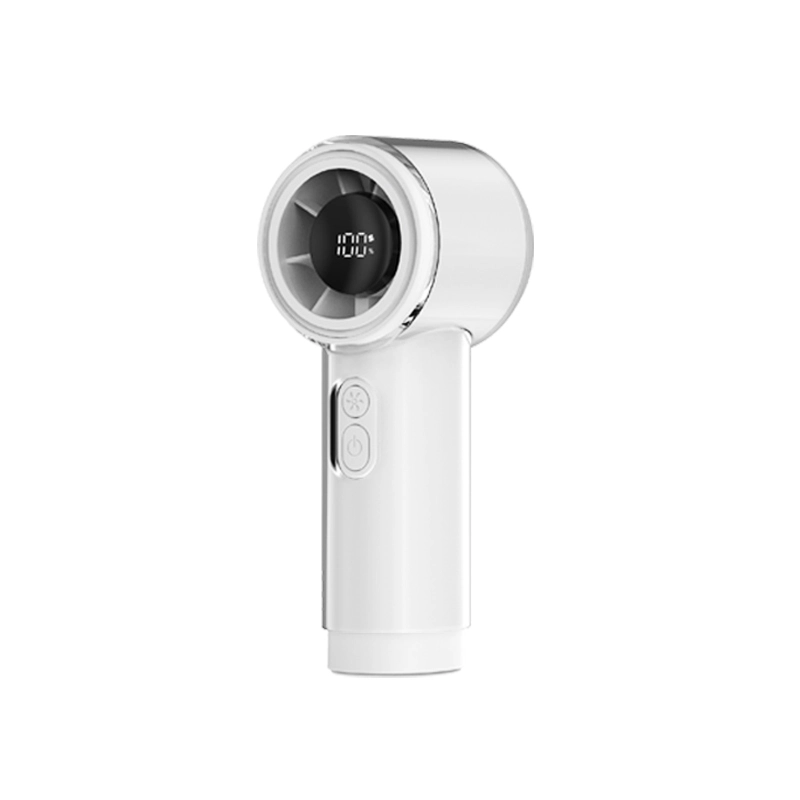
Customizable High-Speed Portable Handheld Fan FS2663
This is a high-speed, long-lasting, personalized, custom, portable cooling product specially designed for gift purchasers, cross-border e-commerce sellers, and OEM/ODM cooperation enterprises. It features (1) strong wind speed, (2) lightweight portability, (3) transparent shell design, (4) convenient carrying with a hand rope, and (5) long battery life. It helps enterprises enhance brand exposure, product differentiation competitiveness, and customer repeat purchase rate.
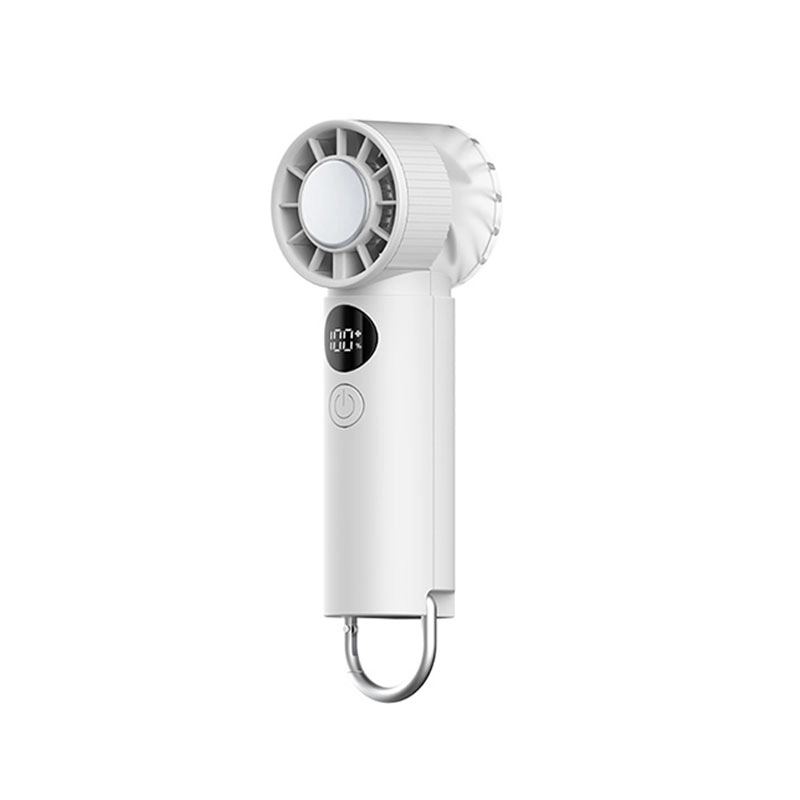
Customizable lightweight mini handheld cooling fan (with climbing hook) FS2666
A portable cooling and personalized customization product specially designed for commuters, students, the gift customization industry, and OEM/ODM buyers. It features (1) lightweight and easy portability, (2) a climbing buckle, and (3) semiconductor cooling.
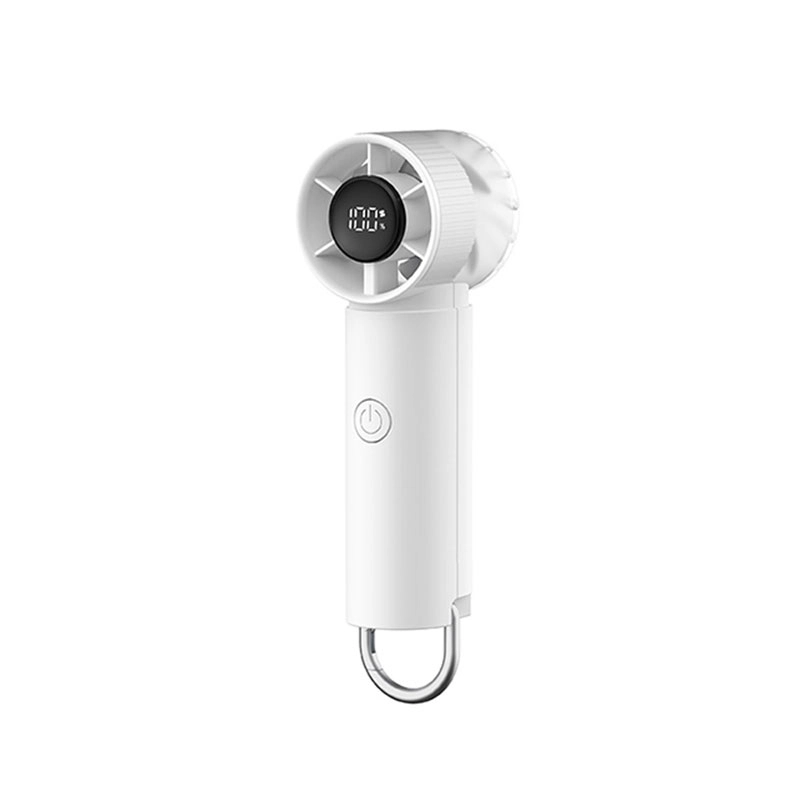
Customizable lightweight mini handheld cooling fan (with climbing hook) FS2667
This is a lightweight and portable + personalized customization product specially designed for commuters, students, the gift customization industry, and OEM/ODM buyers. It features (1) lightweight and easy portability, (2) a climbing buckle, and (3) a semi-transparent air duct design.
Get a Quote for Handheld Fan Solution
If you have any comments or good suggestions, please leave us a message; later our professional staff will contact you as soon as possible.
Contact


4th Floor, Building 3, Jurong Industrial Park, No. 27-1-1, Fu'an Industrial Zone,Leliu Town (Pancun), Shunde District, Foshan City, Guangdong Province
 Scan QR Code
YouTube
Twitter
Facebook