






Compare Rechargeable vs. Disposable Battery Handheld Fans
- Understanding Power Options for Handheld Fans
- What distinguishes rechargeable from disposable battery systems
- Why the choice matters for handheld fans and custom mini fans
- Regulatory and safety considerations
- Performance and Cost Analysis
- Runtime, power density and performance
- Cost-per-use and total cost of ownership
- Example calculations
- Practical Considerations for Buyers and Brands
- User convenience and end-user experience
- Design implications and manufacturing trade-offs
- Sustainability and end-of-life management
- How to Choose: Use Cases, Recommendations, and Specification Tips
- Choosing by use case
- Specification checklist for designers and buyers
- Cost modeling and MOQ considerations for custom mini fans
- RYW Technology: Manufacturing Strengths and Why It Matters
- FAQs
- 1. Which battery type gives the longest runtime for a mini handheld fan?
- 2. Are rechargeable batteries safe in handheld fans?
- 3. Can I use disposable batteries in rechargeable fan models?
- 4. How should I dispose of old batteries from handheld fans?
- 5. For promotional custom mini fans, should I pick rechargeable or disposable?
- 6. How many charge cycles can I expect from a rechargeable fan?
- 7. Does using a rechargeable battery make my product harder to certify?
- Closing — How I can help & Call to Action
As a consultant and product writer who has designed, specified and tested hundreds of handheld fans and custom mini fans for brands worldwide, I know that the choice between rechargeable and disposable batteries is rarely just technical — it shapes user experience, cost of ownership, regulatory compliance and sustainability. In this article I summarize the strengths and trade-offs of each power approach, cite authoritative sources, and provide actionable guidance so you can decide which option fits your product line or purchase best. I also explain how manufacturers can leverage these choices to build safer, more competitive portable cooling solutions.
Understanding Power Options for Handheld Fans
What distinguishes rechargeable from disposable battery systems
Rechargeable batteries (commonly Li-ion or NiMH in handheld fans) are designed for multiple charge/discharge cycles; disposable batteries (typically alkaline cells) are single-use and are discarded after depletion. The basic differences include chemistry behavior, nominal voltage, energy density and charge characteristics. For a technical overview of rechargeable batteries see Wikipedia: Rechargeable battery, and for alkaline (disposable) chemistry see Wikipedia: Alkaline battery.
Why the choice matters for handheld fans and custom mini fans
The battery type impacts runtime, safety, device weight, enclosure design, user convenience and aftermarket support. For example, Li-ion packs let you build slimmer, longer-running custom mini fans with USB charging, while disposable AA/AAA designs can lower complexity and allow users to quickly swap cells anywhere without a charger. I approach these trade-offs from both product and end-user perspectives to make pragmatic recommendations later in this article.
Regulatory and safety considerations
Rechargeable batteries require attention to charging circuits, overcurrent protection, and transport regulations; disposables reduce electrical charging hazards but introduce waste-handling concerns. Standards and certifications like ISO 9001 and safety test guidance from agencies such as UL and the FCC are relevant when developing a product for global markets.
Performance and Cost Analysis
Runtime, power density and performance
Energy density is the core driver of runtime. Lithium-ion cells typically provide much higher energy density than alkaline disposables of comparable size, enabling longer fan runtime or smaller physical form factors. Typical values: a single AA alkaline cell often has 2000–3000 mAh at low-drain conditions, while small Li-ion pouch cells used in mini fans commonly provide 1500–5000 mAh depending on design. For general chemistry comparisons consult Battery (electricity).
Cost-per-use and total cost of ownership
Raw per-unit cost is often lower for disposable batteries at purchase, but cost-per-use typically favors rechargeable systems over their lifecycle. Below I present a simplified comparative table using realistic assumptions to make this tangible.
| Metric | Rechargeable (Li-ion / NiMH) | Disposable (Alkaline AA) |
|---|---|---|
| Initial device cost | Higher (includes built-in battery, charging circuit) | Lower (simpler design, no onboard charger) |
| Typical runtime per charge/use | 4–24 hours (depends on capacity & speed) | 2–10 hours (depends on cell quality & fan speed) |
| Lifecycle (cycles or uses) | NiMH ~300–500 cycles; Li-ion ~500–1000 cycles | Single use; replace 1–200 times depending on use |
| Cost-per-use (example, 3 years) | Lower over time if recharged regularly | Higher; recurring purchase of cells |
| Environmental impact | Lower if recycled; Li-ion recycling required | Higher landfill burden if disposed improperly |
Sources for lifecycle and chemistry behavior include manufacturer datasheets and industry summaries such as the Wikipedia pages referenced earlier and environmental guidance from the U.S. EPA on used batteries.
Example calculations
Imagine a custom mini fan with a 3000 mAh Li-ion battery and a comparable fan using two alkaline AA cells (combined ~2500 mAh at lower effective discharge). If the fan draws 2.5 W at medium speed from a 3.7 V battery pack, runtime approximates (3.0 Ah * 3.7 V) / 2.5 W ≈ 4.4 hours for the Li-ion pack. For alkaline-based units, real-world runtime is typically lower due to higher internal resistance and voltage sag under load. Over 500 cycles, a rechargeable unit yields 2200 hours total; replacing alkalines to match this usage could cost significantly more and create more waste.
Practical Considerations for Buyers and Brands
User convenience and end-user experience
From a user perspective I prioritize convenience features: USB-C charging, quick-charge capability, visible battery indicators and easy maintenance. Rechargeable custom mini fans with USB charging streamline the experience for modern consumers who already carry power banks. Disposable battery designs appeal to customers who need long store-shelf life or off-grid replacement without chargers.
Design implications and manufacturing trade-offs
If you're specifying OEM/ODM handheld fans, battery choice dictates enclosure design, ingress protection, thermal management and certification path. Rechargeable devices require safety circuits (e.g., PCB with protection IC), secure battery compartment, and careful thermal testing. Disposable cell designs need well-fitting battery wells and may simplify electrical design but require clear user instructions about correct cell orientation and safe disposal.
Sustainability and end-of-life management
Environmental impact is increasingly a purchasing factor. Rechargeable batteries generally lower lifecycle waste but must be recycled through proper channels; disposable alkaline cells also often contain materials that require responsible disposal. Guidance from authorities like the EPA reinforces the importance of recycling and safe handling.
How to Choose: Use Cases, Recommendations, and Specification Tips
Choosing by use case
My recommendations based on typical scenarios:
- Daily commuter or desk user: Rechargeable custom mini fan with USB-C, battery indicator, and 3000–5000 mAh capacity for predictable daily recharge cycles.
- Event/Promo/Short-term giveaway: Disposable battery handheld fans are cost-effective when long-term support is not required, but consider printed instructions for safe disposal.
- Outdoor/backpacking/remote use: Prefer user-replaceable cells or dual-power designs (rechargeable + replaceable) to cover extended off-grid needs.
Specification checklist for designers and buyers
When evaluating suppliers of custom mini fans, require transparent datasheets showing:
- Battery chemistry, capacity (mAh), nominal voltage and estimated runtime at each fan speed
- Charge time and supported charging protocols (e.g., USB-C PD, QC)
- Protection features (overcharge, overdischarge, short-circuit)
- Certifications (CE, UL, FCC, PSE, KC, etc.) and manufacturing quality system (ISO 9001)
Cost modeling and MOQ considerations for custom mini fans
For OEM projects, rechargeables may increase per-unit cost due to integrated battery and charger circuitry, but reduce long-term user costs and enhance perceived value. Disposable designs lower upfront tooling/PCB cost and can enable lower minimum order quantities. I help partners run cost-per-use models to identify the most profitable and defensible choice for their brand positioning.
RYW Technology: Manufacturing Strengths and Why It Matters
RYW Technology Co., Ltd. was founded in 2018 by a team of visionary designers. As the originator of the Ice-Cooling Fan, we integrate product design, R&D, manufacturing, and sales to redefine personal comfort. Guided by our philosophy, Refined in Heart, Simple in Form, we create ergonomic products that harmonize the relationship between people and technology, ensuring every device delivers a superior, intuitive user experience.
Our manufacturing capability is built on a 4,000 m² modern facility equipped with three advanced production lines. Backed by an in-house R&D team of over 30 experts, we specialize in professional OEM and ODM services, offering rapid prototyping and agile development. We help global partners—from e-commerce sellers to major retail brands—transform concepts into market-leading handheld fans and portable cooling solutions.
We are committed to the highest safety and quality standards. RYW is ISO9001-certified and holds a comprehensive suite of global certifications, including CE, CB, UKCA, PSE, KC, UL, FCC, and CCC. With a focus on reliability and compliance, we serve clients across North America, Europe, and Asia, empowering brands to deliver safe, innovative products to the world. For inquiries, contact us at adrian@rywlife.com.
Why choose RYW for your custom mini fans: our cross-functional team blends ergonomic industrial design, thermal engineering, and battery safety expertise — allowing clients to offer rechargeable solutions with certified safety circuits or simple disposable-battery variants depending on market needs. Whether you want a branded giveaway that’s low-cost or a High Quality rechargeable personal cooler with long runtime and USB-C convenience, RYW can deliver.
FAQs
1. Which battery type gives the longest runtime for a mini handheld fan?
Generally, rechargeable Li-ion packs yield the longest runtime for a given weight and size due to higher energy density. However, actual runtime depends on capacity (mAh), fan motor efficiency and speed setting.
2. Are rechargeable batteries safe in handheld fans?
Yes, when the battery and charger circuit meet safety standards and the device is certified (e.g., UL, CE). Manufacturers must include protection circuits, undergo thermal and abuse testing, and provide clear charging instructions.
3. Can I use disposable batteries in rechargeable fan models?
No — rechargeable models with integrated packs are not designed for disposable cells. Some designs support dual power modes (internal battery + external replaceable cell compartment) but these are specialized and must be clearly specified by the manufacturer.
4. How should I dispose of old batteries from handheld fans?
Follow local regulations for battery recycling. The U.S. EPA provides guidance on proper disposal of used batteries: EPA: Used Batteries. Do not throw rechargeable batteries into household trash.
5. For promotional custom mini fans, should I pick rechargeable or disposable?
If your goal is short-term brand exposure and low per-unit cost, disposable-powered promo fans can work. For higher perceived value, repeat brand impressions and lower environmental impact, a rechargeable custom mini fan is better despite higher initial cost.
6. How many charge cycles can I expect from a rechargeable fan?
Expect roughly 300–1000 cycles depending on chemistry (NiMH vs Li-ion), depth of discharge and charging behavior. Li-ion cells typically sustain 500+ cycles with reasonable capacity retention under normal use.
7. Does using a rechargeable battery make my product harder to certify?
Certifications for rechargeable products require additional testing (battery safety, charging circuits, EMC). A capable OEM/ODM partner like RYW will handle these engineering and certification workflows for you.
Closing — How I can help & Call to Action
If you're evaluating power strategies for a new handheld fan product or need a reliable partner to manufacture custom mini fans that balance performance, cost and safety, I recommend a discovery conversation with RYW Technology. Their in-house R&D team, ISO9001 quality system, and global certifications simplify the path from concept to compliant product. Contact them at adrian@rywlife.com to request samples, an OEM/ODM quote or technical datasheets.
For immediate next steps: outline your target runtime, preferred form factor, expected selling price and whether you need replaceable cells or integrated rechargeable packs. With those inputs, you can quantify trade-offs such as cost-per-use, certification scope and sustainability footprint — and I can help you translate that into a winning product specification.
Everything You Need to Know About rechargeable hand fan wholesale
Everything You Need to Know About best portable fans for cooling
OEM/ODM best handheld mini fan Manufacturers and Suppliers
Everything You Need to Know About hand held electric fan cost
About Company
What's the difference between RYW products and others?
About Logistics
Can you ship to my country?
About Cooperation
Can I arrange a visit to the factory?
About Customization
Can you provide customized packaging and labels?
Yes, the MOQ is 1,000
About Products
Can l order samples for testing?
You May Also Like
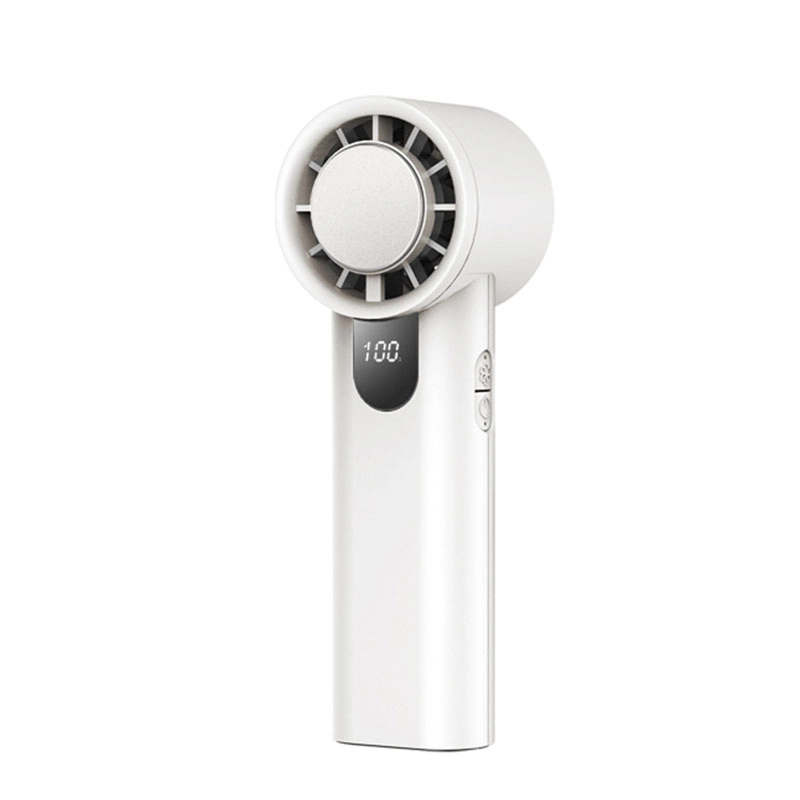
Customizable high-speed handheld fan
Experience powerful breeze on the go with RYW’s Customizable High-Speed Handheld Fan. This hand held electric fan offers personalized designs and compact size, perfect as custom mini fans for travel or events. Stay cool anytime with style and convenience.
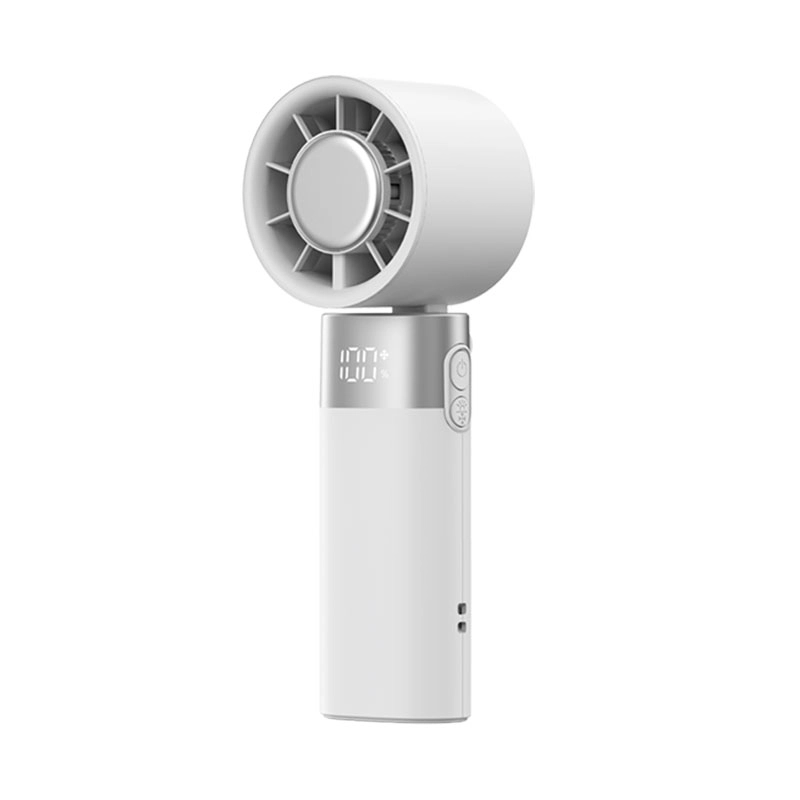
Reliable Handheld Cooling Solution for Bulk & Corporate Purchases
This premium handheld fan is designed for high-frequency, large-volume usage, making it an ideal cooling solution for corporate procurement, promotional distribution, employee welfare programs, and retail wholesale.
With stable airflow performance, a rechargeable design, and lightweight portability, it helps businesses deliver practical comfort products with strong perceived value while maintaining cost efficiency and supply reliability.
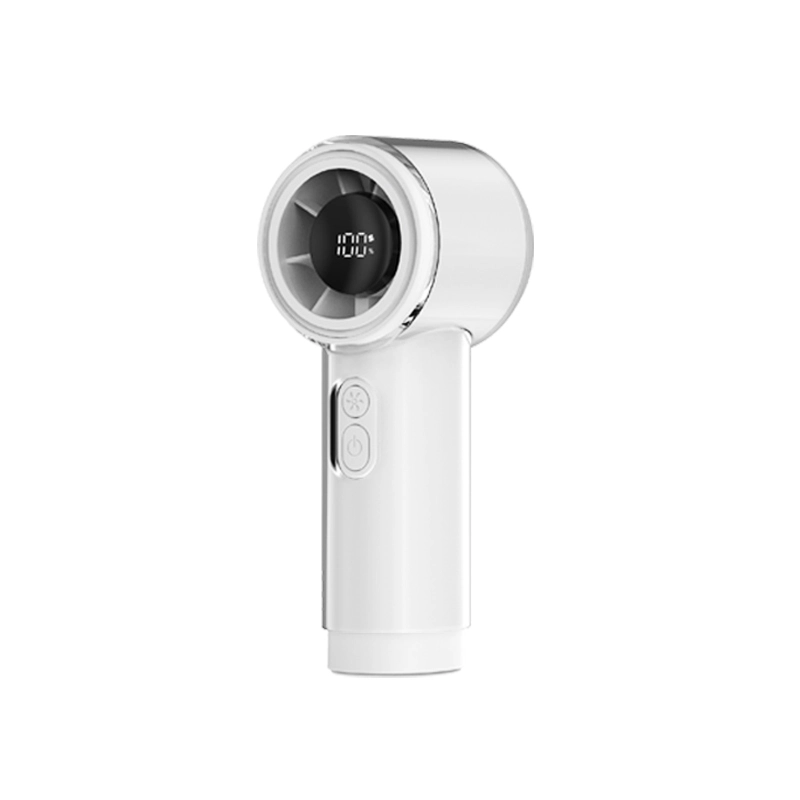
Customizable High-Speed Portable Handheld Fan FS2663
This is a high-speed, long-lasting, personalized, custom, portable cooling product specially designed for gift purchasers, cross-border e-commerce sellers, and OEM/ODM cooperation enterprises. It features (1) strong wind speed, (2) lightweight portability, (3) transparent shell design, (4) convenient carrying with a hand rope, and (5) long battery life. It helps enterprises enhance brand exposure, product differentiation competitiveness, and customer repeat purchase rate.
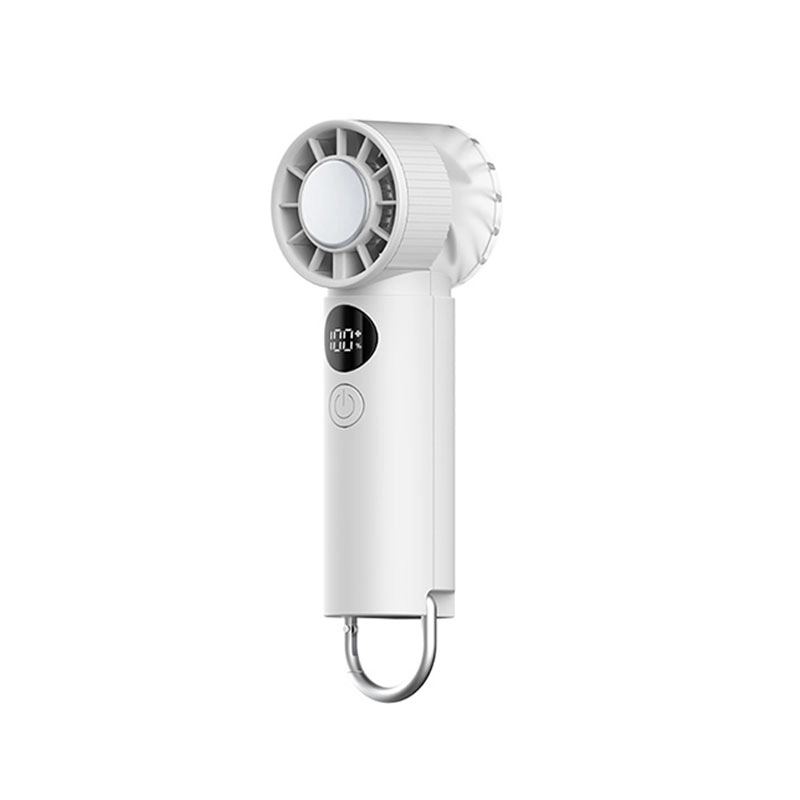
Customizable lightweight mini handheld cooling fan (with climbing hook) FS2666
A portable cooling and personalized customization product specially designed for commuters, students, the gift customization industry, and OEM/ODM buyers. It features (1) lightweight and easy portability, (2) a climbing buckle, and (3) semiconductor cooling.
Get a Quote for Handheld Fan Solution
If you have any comments or good suggestions, please leave us a message; later our professional staff will contact you as soon as possible.
Contact


4th Floor, Building 3, Jurong Industrial Park, No. 27-1-1, Fu'an Industrial Zone,Leliu Town (Pancun), Shunde District, Foshan City, Guangdong Province
 Scan QR Code
YouTube
Twitter
Facebook