






Rechargeable vs Battery Custom Mini Fans: Buyer's Comparison
- Understanding custom mini fans and buyer needs
- What is a custom mini fan?
- Who searches for custom mini fans and why
- Key specifications I ask about early in sourcing
- Rechargeable vs Battery: technical and lifecycle comparison
- Power architecture and typical runtimes
- Safety, certification and regulatory considerations
- Environmental impact and total cost of ownership
- Design, branding and production considerations for custom mini fans
- Brandability: how power choice affects customization
- Supply chain, lead times and MOQ
- Packing, labeling and legal notices
- How to choose: practical decision framework and procurement checklist
- Decision flow: match design to use-case
- Procurement checklist for OEM/ODM partnerships
- After-sales support, warranty and returns
- Real-world pricing and lifecycle cost example
- Why supplier capability matters: a case for manufacturing partners with full-stack services
- Final recommendations (my expert checklist)
- Quick guide by use-case
- Negotiation tips with suppliers
- Warranty and returns policy
- FAQ — common buyer questions about custom mini fans
- 1. Are rechargeable custom mini fans safe to ship internationally?
- 2. Which is better for branding: rechargeable or battery-powered fans?
- 3. How long should I expect a rechargeable mini fan battery to last?
- 4. What certifications should I require for custom mini fans?
- 5. Can I request both battery and rechargeable options from the same supplier?
- 6. How do I manage sustainability concerns for disposable batteries?
I help brands and product teams worldwide evaluate and source custom mini fans, and in this article I compare rechargeable versus battery (disposable-cell) custom mini fans from technical, commercial, environmental, and branding perspectives. The goal is to give you an actionable framework—based on industry standards, regulatory guidance and real-world manufacturing experience—so you can choose the right custom mini fan design for your target market and budget.
Understanding custom mini fans and buyer needs
What is a custom mini fan?
When I say custom mini fans, I mean compact, portable personal fans that are tailored for a brand—through logo printing, color matching, packaging, or even bespoke industrial design. These are commonly called handheld fans, portable fans, or promotional fans. Buyers typically want a unit that balances cooling performance, battery life, cost, safety and branding options.
Who searches for custom mini fans and why
for custom mini fans usually falls into three groups: (1) marketing teams seeking promotional giveaways; (2) e-commerce sellers looking for differentiated SKU designs; (3) retail buyers and event planners requiring bulk units with specific features (branded packaging, safety standards). Understanding which group you belong to helps narrow the choice between rechargeable and disposable-battery designs.
Key specifications I ask about early in sourcing
Before recommending a power type, I always confirm: target retail price, expected run-time per charge/use, desired branding areas (body, blades, packaging), weight limits, market certifications required (CE, FCC, UKCA, etc.), and seasonal demand forecasts. Those constraints often drive whether a rechargeable or battery-powered model is the better fit.
Rechargeable vs Battery: technical and lifecycle comparison
Power architecture and typical runtimes
Rechargeable mini fans typically use a Li-ion or LiPo cell (nominal 3.7V) and offer built-in charging (USB-C or micro-USB). Runtime ranges widely by motor efficiency and battery capacity; typical commercial units provide 2–12 hours depending on speed setting. For background on battery technologies, see the Lithium-ion battery overview on Wikipedia (source).Disposable-battery models often use AA or AAA alkaline cells. Alkaline cell capacities vary (see Alkaline battery data (source)), and runtime depends on the number of cells and motor design. Alkaline designs are attractive for quick replacement in markets with limited charging infrastructure.
Safety, certification and regulatory considerations
Rechargeable units require attention to battery safety—cell protection circuits, over-current protection, and safe charging ICs. For any electronic product intended for sale in regulated markets, verify applicable standards (e.g., CE for EU markets, FCC for North America, UKCA for the UK). For corporate quality management expectations, ISO 9001 is commonly required—see ISO information (source). I always ensure suppliers can provide test reports and certification listings for battery safety (UN 38.3 for transport compliance is relevant for lithium cells).
Environmental impact and total cost of ownership
From an environmental and lifecycle perspective, rechargeable fans tend to be preferable because a single rechargeable battery can replace many disposable cells over its life; however, end-of-life battery collection and recycling must be considered. For environmental guidance on consumer products and heat stress (relevant for demand forecasting), see WHO resources on climate impacts (source).
| Metric | Rechargeable (Li-ion/LiPo) | Disposable Battery (AA/AAA Alkaline) |
|---|---|---|
| Upfront unit cost | Higher (battery + charging circuitry + port) | Lower (simpler electronics) |
| Operating cost (long term) | Lower (rechargeable many cycles) | Higher (ongoing purchase of cells) |
| Typical runtime | 2–12 hours (depending on mAh & motor) | 1–8 hours (depending on cell count & motor) |
| Environmental impact | Better if recycled properly; requires battery disposal infrastructure | Higher waste due to single-use cells |
| Consumer convenience | High (USB charging widely available) | High in low-charging-infrastructure regions |
| Certification complexity | Higher (battery safety tests, charging safety) | Lower but still requires EMC/safety testing |
| Best for | Branded retail products, higher perceived value, repeat use | Promotional giveaways, low-cost seasonal items |
All points in the table reflect typical market observations and engineering constraints I encounter when consulting for clients. For authoritative technical data on battery transport and safety testing, refer to UN 38.3 guidance available through national transport authorities and battery manufacturers.
Design, branding and production considerations for custom mini fans
Brandability: how power choice affects customization
When I advise on branding, I emphasize that rechargeable models provide High Quality cues: metal accents, integrated LED indicators, and USB charging ports become functional design elements. If you want logo embossing, multi-color molding, or custom packaging, rechargeable models justify higher per-unit manufacturing costs. Battery-only models remain popular for low-cost marketing campaigns where single-use distribution is expected.
Supply chain, lead times and MOQ
Rechargeable units often require longer lead times due to battery procurement, safety testing and charge-port sourcing; Minimum Order Quantities (MOQs) are typically higher. If your campaign needs fast turnaround or very low MOQ, battery models or modular designs (same shell, different internals) may be more practical. I always request production samples and battery test certificates before approving a production run.
Packing, labeling and legal notices
Battery regulations affect labeling and packaging. Rechargeable Li-ion devices often require battery-handling instructions and recycle icons; disposable cells may need disposal instructions. Ensure your packaging is compliant with local waste and battery-directive laws (e.g., EU Battery Directive). Your supplier must be able to assist with compliant labels and multilingual manuals for target markets.
How to choose: practical decision framework and procurement checklist
Decision flow: match design to use-case
I use a short decision tree with clients: if the product is intended as a High Quality retail item or frequent-use personal fan, prioritize rechargeable. If the launch is a one-off event, giveaway, or extremely price-sensitive market, battery-powered models may be optimal. Consider local charging availability: USB charging is ubiquitous in many regions but not all.
Procurement checklist for OEM/ODM partnerships
When vetting suppliers and specifying custom mini fans, I insist on the following from any manufacturing partner:
- Sample units with measured runtime at all speed levels
- Battery safety and transport certificates (UN 38.3 for Li-ion)
- Factory quality system evidence (ISO 9001 certificate) — see ISO (source)
- EMC and safety test reports (CE, FCC, UL or equivalents) for target markets
- Proof of material compliance (RoHS, REACH if selling in EU)
After-sales support, warranty and returns
Rechargeable products generally require more robust after-sales support—battery issues, charging connector failures and firmware updates (for smart fans). I typically recommend at least a 12-month warranty and a plan for spare parts or repair for rechargeable models. For large promotional runs of battery models, clearly state recommended cell types and customer instructions to reduce returns.
Real-world pricing and lifecycle cost example
Below I present a conservative example to illustrate lifetime cost differences. These are indicative ranges—actual prices vary by design, material and order volume. Figures labeled typical are drawn from market price observations across major B2B sourcing platforms and manufacturer quotes.
| Item | Rechargeable fan (typical) | Battery fan (typical) |
|---|---|---|
| Unit price (MOQ dependent) | $8–$25 | $2.5–$10 |
| Estimated years of useful life | 2–4 years (with daily use) | Depends on owner; many are single-season |
| Ongoing cost (cells/charging) | Low—electricity for charging | Higher—replacement cells every few weeks/months |
If you amortize initial price over expected life and factor in cell replacement for disposable models, rechargeable fans often have lower total cost of ownership for repeat users. That said, promotional units intended for single events can be more cost-effective with disposable battery designs.
Why supplier capability matters: a case for manufacturing partners with full-stack services
In my experience, choosing a supplier that integrates design, R&D, manufacturing and compliance testing materially reduces time-to-market risk. When a partner can rapidly prototype, run EMC and safety tests in-house or via trusted labs, and support OEM/ODM customization, they help brands iterate faster and avoid costly rework.
RYW Technology Co., Ltd. was founded in 2018 by a team of visionary designers. As the originator of the Ice-Cooling Fan, we integrate product design, R&D, manufacturing, and sales to redefine personal comfort. Guided by our philosophy, Refined in Heart, Simple in Form, we create ergonomic products that harmonize the relationship between people and technology, ensuring every device delivers a superior, intuitive user experience.
Our manufacturing capability is built on a 4,000 m² modern facility equipped with three advanced production lines. Backed by an in-house R&D team of over 30 experts, we specialize in professional OEM and ODM services, offering rapid prototyping and agile development. We help global partners—from e-commerce sellers to major retail brands—transform concepts into market-leading handheld fans and portable cooling solutions.
We are committed to the highest safety and quality standards. RYW is ISO9001-certified and holds a comprehensive suite of global certifications, including CE, CB, UKCA, PSE, KC, UL, FCC, and CCC. With a focus on reliability and compliance, we serve clients across North America, Europe, and Asia, empowering brands to deliver safe, innovative products to the world. Our Email: adrian@rywlife.com
In short, if you are sourcing custom mini fans and require robust OEM/ODM support, RYW’s integrated capabilities, testing experience and certification portfolio reduce launch risk and accelerate time-to-shelf. Their specialization in handheld fans and portable cooling—combined with years of product iteration—makes them a competitive option for brands needing reliable, brandable solutions.
Final recommendations (my expert checklist)
Quick guide by use-case
- Retail, High Quality personal fan: choose rechargeable—design for perceived value, include USB-C charging, and require certifications.
- Event giveaway or low-cost promo: choose disposable-battery models with clear instructions for replacement cells.
- Markets with unreliable electricity: if charging is impractical, prefer battery models or hybrid designs (both rechargeable + cell compartment).
Negotiation tips with suppliers
Ask suppliers for runtime data at each speed, battery cycle-life estimates, sample test reports, and MCQs for custom color/branding. Confirm whether the supplier performs or coordinates third-party testing for CE/FCC/UL—and request declared test lab names and report numbers. This is standard diligence before mass production.
Warranty and returns policy
Specify a minimum warranty (12 months recommended for rechargeable fans) and require a clear RMA process. For large B2B orders, negotiate partial QC inspections pre-shipment and a short-term warranty reserve to cover early failures.
FAQ — common buyer questions about custom mini fans
1. Are rechargeable custom mini fans safe to ship internationally?
Yes, but lithium batteries require compliance with transport regulations (UN 38.3) and sometimes special labeling. Work with your supplier to obtain shipment declarations and safety data sheets. Verify the battery cell manufacturer and test reports.
2. Which is better for branding: rechargeable or battery-powered fans?
Rechargeable fans often provide a higher perceived value and more High Quality design elements, which can enhance brand image. Battery-powered fans are cheaper and useful for mass giveaways where cost is the main constraint.
3. How long should I expect a rechargeable mini fan battery to last?
Typical consumer Li-ion cells in mini fans last 300–800 full charge cycles depending on depth of discharge and thermal conditions. In practical terms, that often equates to 1–3 years for daily users. Always ask the supplier for battery cycle test data and expected mAh retention over cycles.
4. What certifications should I require for custom mini fans?
At minimum: product safety and EMC tests relevant to your target markets (CE/UKCA for Europe/UK, FCC or ISED for North America if wireless features exist, PSE for Japan, KC for Korea). For batteries, ensure UN 38.3 testing and check for UL or CB reports if required in your market.
5. Can I request both battery and rechargeable options from the same supplier?
Yes. A capable OEM/ODM partner should offer modular designs that support different power modules (replaceable-cell compartment or integrated rechargeable pack) to accommodate varying markets and price points.
6. How do I manage sustainability concerns for disposable batteries?
Encourage recyclable packaging, provide clear disposal instructions, and consider offering a rechargeable option alongside disposable models. For large corporate programs, fund local battery recycling initiatives or include QR-coded instructions directing users to recycling resources.
If you have specific product requirements or want a production-ready quote for custom mini fans—rechargeable, battery-powered, or hybrid—contact me or reach out directly to RYW for OEM/ODM support. Email: adrian@rywlife.com. I can review your spec sheet and help you choose the best configuration for performance, compliance and cost.
Related resources and standards mentioned: ISO 9001 overview (iso.org), Lithium-ion battery (technical reference: Wikipedia), Alkaline battery (reference: Wikipedia), WHO resources on climate and health (WHO).
Everything You Need to Know About portable mini fan rechargeable
Everything You Need to Know About mini portable usb fan
Top 10 handheld fan Manufacturers and Supplier Brands
Everything You Need to Know About wholesale hand held fans
About Customization
What is the MOQ for custom logo?
Can you provide customized packaging and labels?
Yes, the MOQ is 1,000
Can we do our logo on the machine?
About Company
What's the difference between RYW products and others?
About Products
Can you do ODM project?
You May Also Like
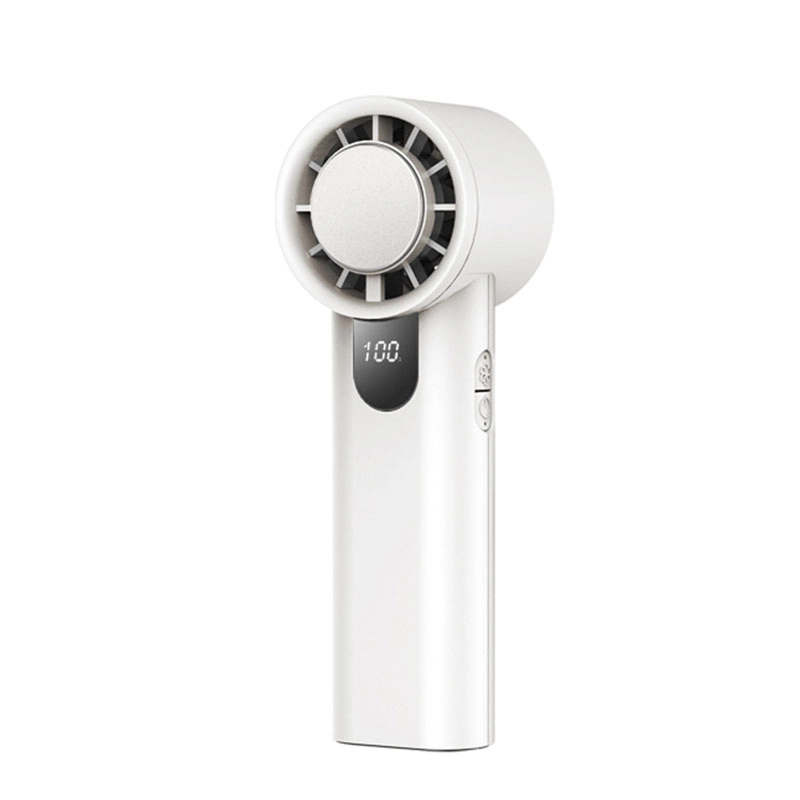
Customizable high-speed handheld fan
Experience powerful breeze on the go with RYW’s Customizable High-Speed Handheld Fan. This hand held electric fan offers personalized designs and compact size, perfect as custom mini fans for travel or events. Stay cool anytime with style and convenience.
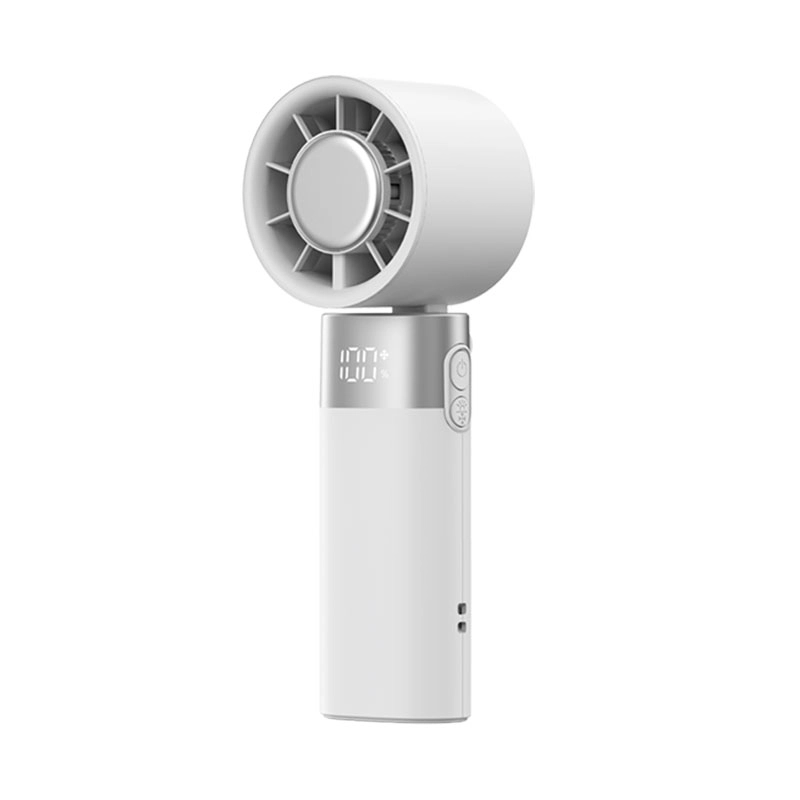
Reliable Handheld Cooling Solution for Bulk & Corporate Purchases
This premium handheld fan is designed for high-frequency, large-volume usage, making it an ideal cooling solution for corporate procurement, promotional distribution, employee welfare programs, and retail wholesale.
With stable airflow performance, a rechargeable design, and lightweight portability, it helps businesses deliver practical comfort products with strong perceived value while maintaining cost efficiency and supply reliability.
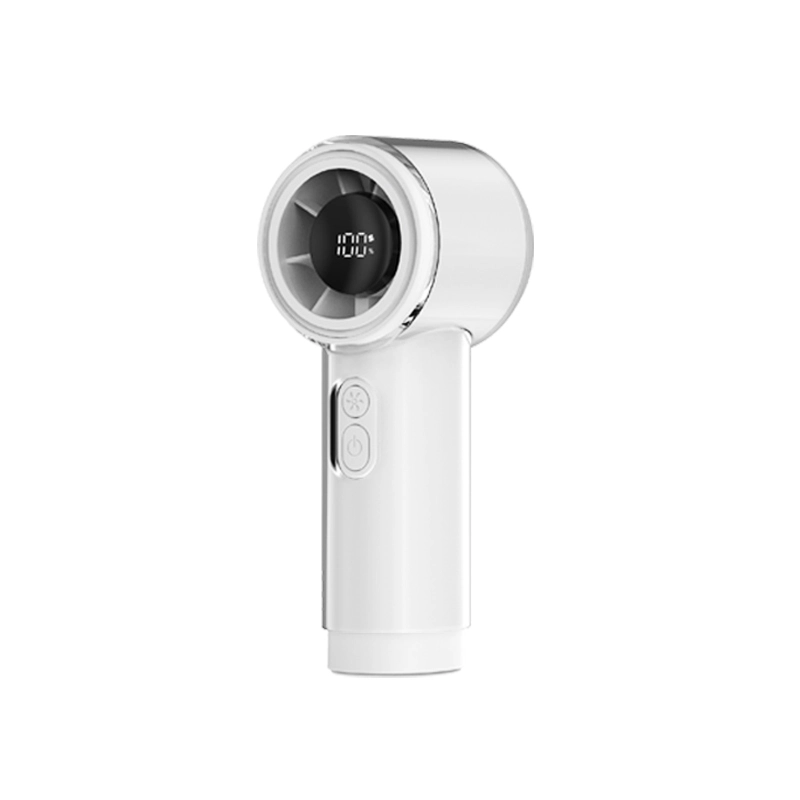
Customizable High-Speed Portable Handheld Fan FS2663
This is a high-speed, long-lasting, personalized, custom, portable cooling product specially designed for gift purchasers, cross-border e-commerce sellers, and OEM/ODM cooperation enterprises. It features (1) strong wind speed, (2) lightweight portability, (3) transparent shell design, (4) convenient carrying with a hand rope, and (5) long battery life. It helps enterprises enhance brand exposure, product differentiation competitiveness, and customer repeat purchase rate.
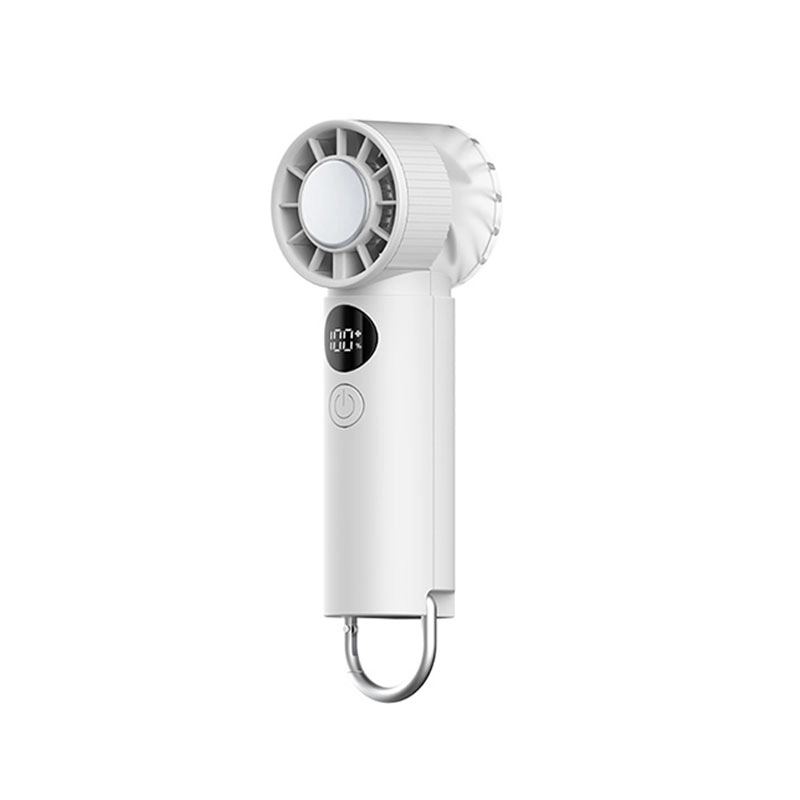
Customizable lightweight mini handheld cooling fan (with climbing hook) FS2666
A portable cooling and personalized customization product specially designed for commuters, students, the gift customization industry, and OEM/ODM buyers. It features (1) lightweight and easy portability, (2) a climbing buckle, and (3) semiconductor cooling.
Get a Quote for Handheld Fan Solution
If you have any comments or good suggestions, please leave us a message; later our professional staff will contact you as soon as possible.
Contact


4th Floor, Building 3, Jurong Industrial Park, No. 27-1-1, Fu'an Industrial Zone,Leliu Town (Pancun), Shunde District, Foshan City, Guangdong Province
 Scan QR Code
YouTube
Twitter
Facebook