






Quality Control Checklist for Wholesale Custom Mini Fans
- Why quality control matters in personal cooling products
- Safety and brand risk mitigation
- Regulatory and market access requirements
- Consistency for wholesale and private-label partners
- Pre-production and incoming materials inspection
- Design verification and proto testing
- Incoming materials & BOM validation
- Supplier qualification & documentation
- Production-stage inspections and functional testing
- In-line visual & mechanical checks
- Electrical testing: continuity, insulation, and motor diagnostics
- Battery safety and charging system tests
- Performance validation, reliability, and packaging
- Airflow, noise, and ergonomics
- Reliability tests: drop, vibration, and thermal cycling
- Packing validation and shelf-life considerations
- Acceptance criteria, sampling plans, and corrective actions
- Statistical sampling and AQL guidance
- Non-conformance reporting and CAPA
- Third-party testing and certifications
- Practical checklist: step-by-step for incoming lots
- Step 1 — Documentation & traceability
- Step 2 — Visual & mechanical inspection
- Step 3 — Functional & safety tests
- Case study: typical failure modes and remedies
- High motor noise or vibration
- Battery swelling or early capacity loss
- Intermittent power or solder joint failure
- Why I trust standards and third-party verification
- Standards provide measurable benchmarks
- Independent labs reduce commercial risk
- About RYW Technology and our capabilities
- FAQ — Frequently asked questions
- 1. What are the most critical tests for custom mini fans?
- 2. How should I sample large wholesale lots for inspection?
- 3. Do I need third-party certification to sell in Europe and the U.S.?
- 4. How often should I audit my supplier?
- 5. What documentation should I request from my manufacturer?
- 6. How can I ensure batteries are genuine and safe?
- Contact and next steps
As someone who has overseen hundreds of product launches in the portable cooling category, I know that a thorough quality control process is the difference between a seasonal bestseller and a costly recall. This article summarizes a robust, actionable quality control checklist for wholesale custom mini fans to help suppliers, brand owners, and quality managers reduce risk, improve product consistency, and meet global market requirements.
Why quality control matters in personal cooling products
Safety and brand risk mitigation
Custom mini fans combine mechanical, electrical, and battery systems in a compact enclosure. Defects in any subsystem — from a poorly soldered motor connection to an unstable lithium battery — can cause overheating, fire, or mechanical failure. I always prioritize tests that directly reduce safety risks and protect brand reputation.
Regulatory and market access requirements
To sell handheld fans across regions you must meet a patchwork of standards and certification requirements (e.g., CE for Europe, FCC for radio components in the U.S., UL for safety, and UN38.3 for lithium battery transport). I reference the EU CE guidance (ec.europa.eu), ISO 9001 quality frameworks (iso.org), and the UL and FCC resources (ul.com, fcc.gov) when setting inspection criteria.
Consistency for wholesale and private-label partners
Wholesale buyers expect repeatable quality across batches. I recommend statistical sampling based on ISO 2859 principles for lot acceptance, combined with targeted 100% checks for critical safety features like battery assemblies and PCB solder joints.
Pre-production and incoming materials inspection
Design verification and proto testing
Before production, I insist on a design verification phase that includes rapid prototyping and functional validation of airflow, motor life, ergonomics, and cooling feel. Prototype runs should validate BOM items (motor, battery, switch, PCB, housing) and include accelerated life tests (e.g., continuous run for 72–168 hours) to uncover early failures.
Incoming materials & BOM validation
Incoming inspection should verify that all components match approved specifications: motor model and RPM, battery chemistry and capacity, blade dimensions, housing material (ABS/PC grade), and connectors. Use a master BOM and sample each incoming lot. For lithium batteries, request UN38.3 test reports and supplier traceability documents.
Supplier qualification & documentation
Qualify suppliers with audits and require key documentation: RoHS declarations, material certificates, UL/IEC component approvals where applicable, and traceability for PCBs and batteries. I maintain a supplier scorecard to track quality trends and corrective actions.
Production-stage inspections and functional testing
In-line visual & mechanical checks
During assembly, in-line inspections catch common problems early. Key checkpoints include blade balance, secure fasteners, alignment of moving parts, and proper adhesive application. Any binding, wobble, or sharp burrs should be rejected immediately.
Electrical testing: continuity, insulation, and motor diagnostics
I require 100% electrical checks for continuity and short-circuit detection. Additional spot tests should measure motor current draw at each speed setting to detect stalls or excessive load. Typical acceptance: no more than ±10% of nominal current at each speed under stall-free operation.
Battery safety and charging system tests
Lithium battery checks must include capacity validation, internal resistance (IR), overcharge/overdischarge protection confirmation, and charging circuit verification. Each battery model should have UN38.3 documentation for transport; for device level safety I require manufacturer test reports and periodic independent lab verification. Refer to the UN guidance on transport of dangerous goods (unece.org).
Performance validation, reliability, and packaging
Airflow, noise, and ergonomics
Performance tests measure airflow (CFM or m3/h) at defined distances and RPMs, and audible noise (dBA) at 1 meter. For consistent user experience, set minimum airflow and maximum noise thresholds. In my projects, a handheld mini fan should typically deliver at least 8–12 CFM (or equivalent) at medium speed while remaining under ~60 dBA to maintain comfort.
Reliability tests: drop, vibration, and thermal cycling
Reliability protocols include drop tests (packaged and unpackaged), vibration (shipping simulation), and thermal cycling to simulate temperature extremes. I adopt IEC-style environmental test sequences and require that products survive multiple cycles without functional degradation. See IEC/ISO environmental testing practices for guidance.
Packing validation and shelf-life considerations
Packaging must protect the mini fan during transit and storage. I run package integrity drop tests and humidity exposure tests for at least one production sample per carton. Include user manual, warranty card, and safety labeling per market requirements (e.g., CE/UKCA marks). For batteries, ensure packaging meets transport regulations.
Acceptance criteria, sampling plans, and corrective actions
Statistical sampling and AQL guidance
For wholesale batches, I combine AQL sampling (based on ISO 2859) with 100% checks for critical items. Example approach:
| Inspection Type | Sampling | AQL/Criteria |
|---|---|---|
| Visual & Mechanical | Lot sampling (AQL) | AQL 1.5 for major defects |
| Electrical & Battery | 100% or tight sampling | Zero critical defects (no shorts, no fire risk) |
| Performance (airflow/noise) | Random sample 5–10/unit per lot | Within ±10% of spec |
| Packing & Documentation | Carton sample | 100% correct labeling and accessories |
This hybrid approach balances cost and risk; critical safety elements must not be left to chance.
Non-conformance reporting and CAPA
If defects exceed allowed AQL, I initiate a containment action (quarantine affected lots), root-cause analysis, and corrective action plan (CAPA). Document corrective steps, supplier preventive actions, and re-inspection results before releasing product. A robust CAPA reduces recurrence and builds supplier accountability.
Third-party testing and certifications
For market acceptance and to reduce liability, I recommend independent lab testing for electrical safety, EMC, and battery compliance. Use accredited labs and retain certificates: CB/IECEE (iecee.org), UL (ul.com), FCC (fcc.gov), and CE (ec.europa.eu).
Practical checklist: step-by-step for incoming lots
Step 1 — Documentation & traceability
Verify Certificate of Conformity, BOM, test reports (UN38.3 for batteries), and production batch records. Ensure serial or lot numbers are present for traceability.
Step 2 — Visual & mechanical inspection
Check housing finish, blade fit, seam quality, switch operation, and accessory completeness. Reject on any sharp edges, gaps, or foreign objects inside the housing.
Step 3 — Functional & safety tests
Run power-on checks, speed setting verification, motor current measurement, battery charge/discharge cycle tests, and short-circuit protection validation. For devices with wireless features, run basic EMC checks.
Case study: typical failure modes and remedies
High motor noise or vibration
Cause: imbalanced blades, poor bearing quality, or improper motor mounting. Remedy: switch to precision-balanced blades, improve motor bearing spec, and add anti-vibration mounts.
Battery swelling or early capacity loss
Cause: counterfeit or low-quality cells, inadequate charging protection, or thermal stress. Remedy: insist on branded cells or qualified suppliers, verify protection ICs, and run accelerated charge/discharge and thermal abuse tests.
Intermittent power or solder joint failure
Cause: poor PCB soldering, cold joints, or low-quality connectors. Remedy: reflow process control, 100% solder inspection (SPI/X-ray for BGAs where applicable), and acceptance criteria for solder fillets.
Why I trust standards and third-party verification
Standards provide measurable benchmarks
Standards such as ISO 9001 (iso.org) and IEC/EN norms help me define measurable acceptance criteria instead of subjective judgments. They also facilitate cross-border compliance and buyer confidence.
Independent labs reduce commercial risk
Third-party test reports (EMC, safety, UN38.3) reduce the chance of surprise regulatory actions. For handheld fans with batteries, I always require independent UN38.3 and electrical safety testing prior to shipment.
About RYW Technology and our capabilities
RYW Technology Co., Ltd. was founded in 2018 by a team of visionary designers. As the originator of the Ice-Cooling Fan, we integrate product design, R&D, manufacturing, and sales to redefine personal comfort. Guided by our philosophy, Refined in Heart, Simple in Form, we create ergonomic products that harmonize the relationship between people and technology, ensuring every device delivers a superior, intuitive user experience.
Our manufacturing capability is built on a 4,000 m² modern facility equipped with three advanced production lines. Backed by an in-house R&D team of over 30 experts, we specialize in professional OEM and ODM services, offering rapid prototyping and agile development. We help global partners—from e-commerce sellers to major retail brands—transform concepts into market-leading handheld fans and portable cooling solutions.
We are committed to the highest safety and quality standards. RYW is ISO9001-certified and holds a comprehensive suite of global certifications, including CE, CB, UKCA, PSE, KC, UL, FCC, and CCC. With a focus on reliability and compliance, we serve clients across North America, Europe, and Asia, empowering brands to deliver safe, innovative products to the world. For inquiries, contact us at adrian@rywlife.com.
FAQ — Frequently asked questions
1. What are the most critical tests for custom mini fans?
Battery safety (UN38.3), electrical safety (IEC/UL), and motor reliability are the most critical. I also prioritize airflow/noise verification and mechanical durability tests.
2. How should I sample large wholesale lots for inspection?
Use a hybrid approach: AQL sampling for cosmetic/major defects per ISO 2859, and 100% checks or tight sampling for electrical/battery safety items.
3. Do I need third-party certification to sell in Europe and the U.S.?
For Europe, CE marking and conformity to applicable EU directives are required (ec.europa.eu). In the U.S., FCC rules apply for wireless features and UL/ETL listings are strongly recommended for safety acceptance.
4. How often should I audit my supplier?
At minimum annually for qualified suppliers, and after any major design change or critical non-conformance. I also perform spot audits for new suppliers before volume orders.
5. What documentation should I request from my manufacturer?
Require BOM, production records, test reports (UN38.3, EMC, safety), ISO 9001 certificate, RoHS declarations, and sample inspection reports. Maintain these documents for traceability and compliance checks.
6. How can I ensure batteries are genuine and safe?
Source batteries from reputable vendors, request manufacturer batch traceability, UN38.3 testing certificates, and perform random independent lab checks for capacity and internal resistance.
Contact and next steps
If you’re developing or sourcing custom mini fans and want a standards-driven QC plan or OEM/ODM partnership, I invite you to reach out. RYW Technology combines proven manufacturing capability, in-house R&D, and global certifications to help brands bring reliable handheld fans to market. Contact us at adrian@rywlife.com to request our QC checklist template, sample reports, or to discuss custom mini fans and handheld fan programs.
Everything You Need to Know About best portable fans
Custom OEM Handheld Battery Fans: Design & Minimum Order
How to Choose a Reliable Handheld Battery Fan Manufacturer
Tips for buy best portable fan from China
About Products
Can you do ODM project?
About Cooperation
Can I arrange a visit to the factory?
How should I start working with you?
About Company
What is RYW main product for factory?
About Customization
Can you provide customized packaging and labels?
Yes, the MOQ is 1,000
You May Also Like
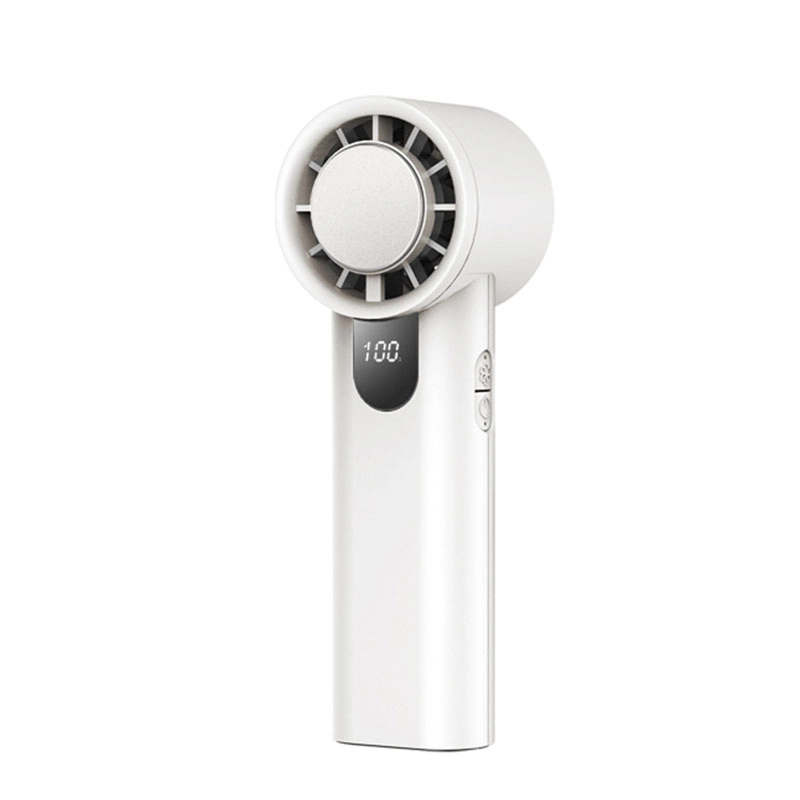
Customizable high-speed handheld fan
Experience powerful breeze on the go with RYW’s Customizable High-Speed Handheld Fan. This hand held electric fan offers personalized designs and compact size, perfect as custom mini fans for travel or events. Stay cool anytime with style and convenience.
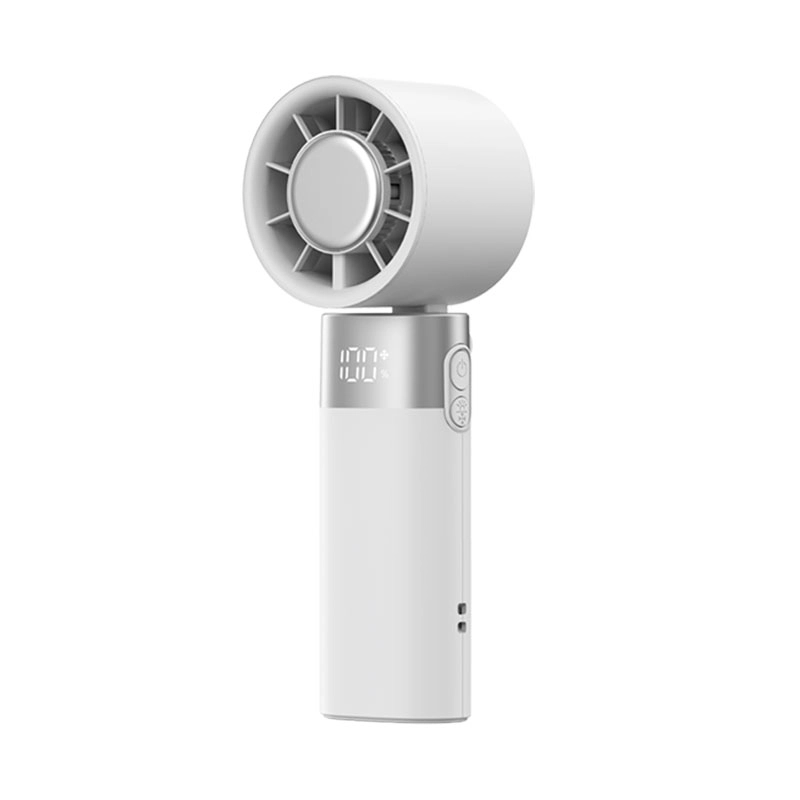
Reliable Handheld Cooling Solution for Bulk & Corporate Purchases
This premium handheld fan is designed for high-frequency, large-volume usage, making it an ideal cooling solution for corporate procurement, promotional distribution, employee welfare programs, and retail wholesale.
With stable airflow performance, a rechargeable design, and lightweight portability, it helps businesses deliver practical comfort products with strong perceived value while maintaining cost efficiency and supply reliability.
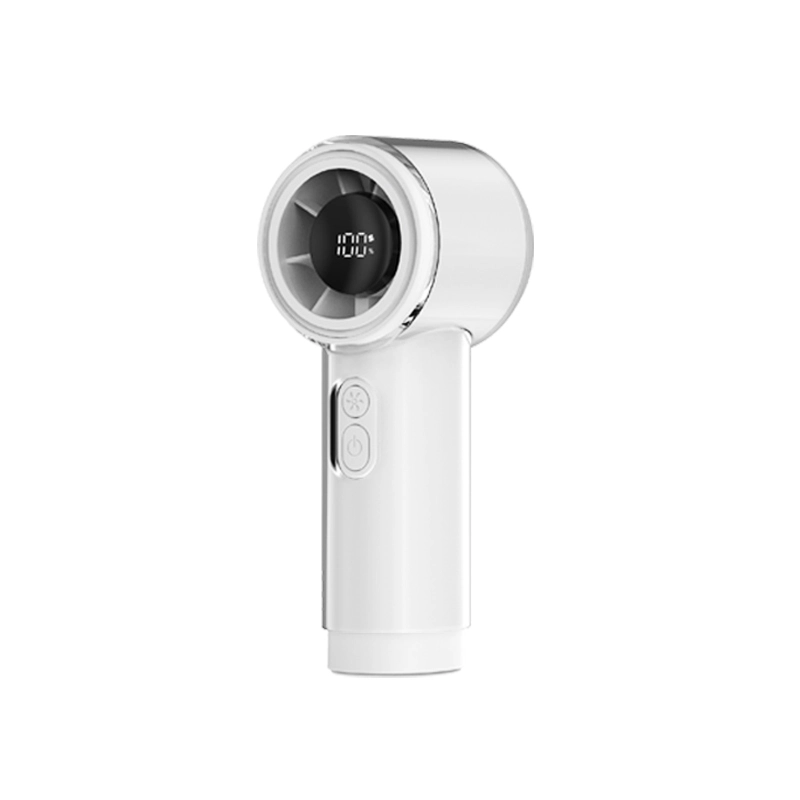
Customizable High-Speed Portable Handheld Fan FS2663
This is a high-speed, long-lasting, personalized, custom, portable cooling product specially designed for gift purchasers, cross-border e-commerce sellers, and OEM/ODM cooperation enterprises. It features (1) strong wind speed, (2) lightweight portability, (3) transparent shell design, (4) convenient carrying with a hand rope, and (5) long battery life. It helps enterprises enhance brand exposure, product differentiation competitiveness, and customer repeat purchase rate.
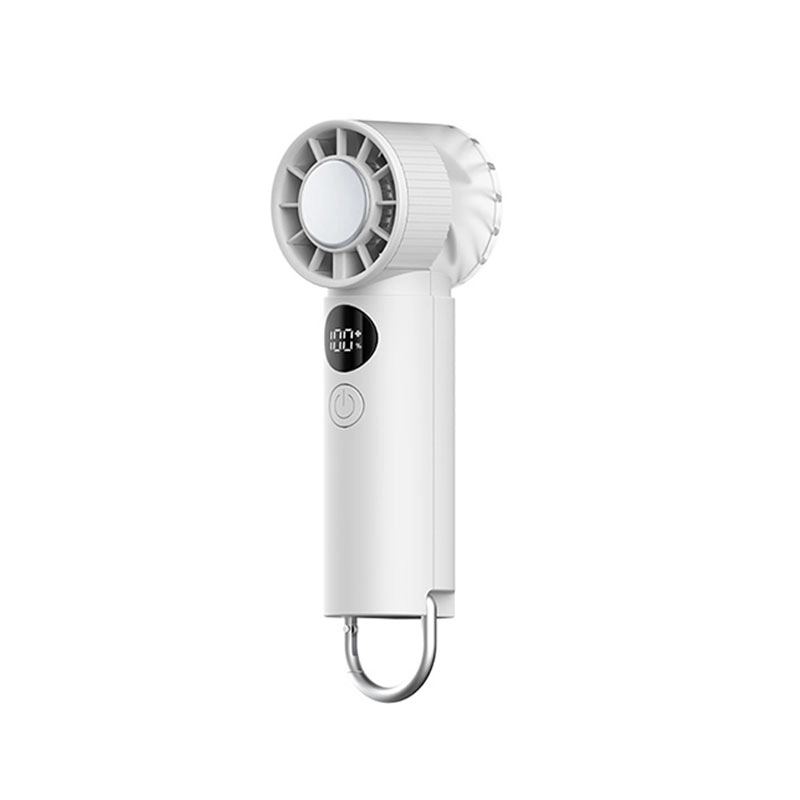
Customizable lightweight mini handheld cooling fan (with climbing hook) FS2666
A portable cooling and personalized customization product specially designed for commuters, students, the gift customization industry, and OEM/ODM buyers. It features (1) lightweight and easy portability, (2) a climbing buckle, and (3) semiconductor cooling.
Get a Quote for Handheld Fan Solution
If you have any comments or good suggestions, please leave us a message; later our professional staff will contact you as soon as possible.
Contact


4th Floor, Building 3, Jurong Industrial Park, No. 27-1-1, Fu'an Industrial Zone,Leliu Town (Pancun), Shunde District, Foshan City, Guangdong Province
 Scan QR Code
YouTube
Twitter
Facebook