






Everything You Need to Know About portable mini fan rechargeable
- Why portable cooling and handheld fans matter
- Who benefits most from portable mini fan rechargeable devices?
- Environmental and energy considerations
- Standards and trust signals
- How portable mini fan rechargeable devices work
- Core components: motor, blades, and housing
- Battery chemistry and capacity
- Charging methods and power delivery
- Choosing the right portable mini fan rechargeable
- Key specs to compare
- Typical specification comparison
- Form factor and features
- Safety, certification, and maintenance
- Certifications to look for
- Safe usage and battery care
- Cleaning and storage
- Buying guide, use cases and frequently asked questions
- How to choose between models — practical checklist
- Common troubleshooting
- FAQs
- RYW Technology: design, quality and OEM/ODM support
- Conclusion
- References
This comprehensive guide covers everything about portable mini fan rechargeable devices: typical battery capacities and runtimes, charging methods (USB-C, USB-A, wireless), noise and airflow metrics, safety and certifications (ISO9001, UL, FCC/CE implications), maintenance best practices, and buyer criteria for handheld fans used in travel, outdoor work, and personal cooling. The article is optimized for local and international and reflects current standards and safety guidance for lithium-ion powered consumer electronics.
Why portable cooling and handheld fans matter
Personal cooling has moved from niche to mainstream. Whether commuting in humid cities, working outdoors, or needing targeted airflow at a desk, a rechargeable portable mini fan provides convenient, on-demand relief. Handheld fans reduce perceived temperature and improve comfort without cooling an entire room, saving energy and offering mobility.
Who benefits most from portable mini fan rechargeable devices?
Portable rechargeable fans are popular among commuters, parents with infants, athletes, outdoor workers, festival-goers, and people sensitive to heat. They are also valuable for medical or occupational use when localized airflow reduces discomfort without systemic cooling.
Environmental and energy considerations
Using a personal rechargeable fan consumes a fraction of the electricity of an air conditioner. A typical mini fan running at 5–10 W for several hours uses far less energy than room AC, providing an eco-friendly alternative for short-term cooling needs.
Standards and trust signals
When choosing a rechargeable fan, certifications and quality systems matter. RYW Technology is ISO9001-certified, and reputable handheld fans commonly carry CE, FCC, UL, and other approvals—signals that electrical safety, electromagnetic compatibility, and manufacturing quality are verified. For more on ISO 9001 quality management, see ISO’s overview. For general fan information, Wikipedia provides background on fan design and performance at Fan (machine) — Wikipedia.
How portable mini fan rechargeable devices work
Understanding the components helps you compare models: motor and blade design determine airflow; battery chemistry affects runtime and safety; electronics control speed, modes, and charging.
Core components: motor, blades, and housing
Most mini fans use brushless DC (BLDC) motors for efficiency and longevity. Blade shape and pitch determine airflow (measured in cubic feet per minute, CFM). A compact aerodynamic design can deliver strong airflow with lower noise compared to poorly designed blades.
Battery chemistry and capacity
Rechargeable portable fans typically use lithium-ion (Li-ion) or lithium-polymer (LiPo) cells because of their high energy density. Capacity is measured in milliampere-hours (mAh). Higher mAh typically gives longer runtime but increases weight. Typical capacities for consumer portable fans range from around 1,200 mAh to 5,000 mAh depending on size and runtime goals.
Charging methods and power delivery
Modern models use USB-C for faster charging and universal compatibility. Some support pass-through charging or can act as a power bank for other devices. Charging protocols (PD, QC) affect charging speed; USB-C PD controllers enable faster charging when both the fan and charger support it.
Choosing the right portable mini fan rechargeable
Shoppers typically compare runtime, airflow, noise, portability, and safety. Below is a practical guide to each criterion so you can match a model to your use case.
Key specs to compare
Understand these specifications when reading product listings:
- Battery capacity (mAh): Predicts runtime. Higher = longer runtime, but heavier.
- Runtime: Often listed per speed level (low/med/high). Check real-world tests or manufacturer EPA-style test conditions.
- Airflow (CFM / LPM): Direct measure of cooling capability.
- Noise (dB): Lower is quieter. Typical mini fan noise ranges from 30–55 dB depending on speed.
- Charging time: Depends on battery and input power (1–6 hours typical).
Typical specification comparison
The table below shows common ranges for small, medium, and large portable rechargeable mini fans. Use these ranges as a baseline; actual devices will vary.
| Size / Class | Battery (mAh) | Runtime (hours) | Noise (dB) | Charge Time |
|---|---|---|---|---|
| Small (<120mm blades) | 1,200–2,000 | 2–8 (low to high) | 30–45 | 1–3 hours |
| Medium (120–180mm) | 2,000–4,000 | 4–16 | 32–50 | 2–4 hours |
| Large (180–250mm) | 3,000–5,000+ | 6–24 | 35–55 | 2–6 hours |
Note: Runtimes are typically quoted at the lowest speed. High-speed operation will shorten runtime substantially.
Form factor and features
Decide whether you need handheld-only, desk-stand, clip-on, or neck-wearable designs. Additional features to consider: oscillation, multi-speed settings, misting/humidifying modules (for “ice-cooling” hybrid products), LED indicators, and whether the fan can double as a power bank.
Safety, certification, and maintenance
Safety is critical with rechargeable fans because lithium batteries and small motors can present risks if poorly designed. Choose products with credible certifications and follow safe charging and storage practices.
Certifications to look for
Key marks and systems include ISO9001 (quality management), CE (European conformity), FCC (U.S. electronics standards), UL or ETL for electrical safety, KC, PSE, and CCC depending on market. RYW Technology holds ISO9001 and multiple global certifications, reflecting controls across design and manufacturing. Learn more about UL’s safety research and battery guidance at UL — Lithium-Ion Battery Safety.
Safe usage and battery care
- Avoid overcharging: use recommended chargers and unplug after full charge to extend battery life.
- Don’t expose batteries to extreme heat (>60°C / 140°F) or prolonged direct sunlight.
- Use manufacturer-approved replacement batteries or seek professional servicing if needed.
- If a battery swells or smells, stop using the device and consult product support.
Regulatory bodies provide guidance on battery safety; for general consumer battery safety education, see the U.S. Consumer Product Safety Commission resources at CPSC — Batteries.
Cleaning and storage
Keep the fan free of dust to maintain airflow and motor health. Clean blades and grills with a soft brush or damp cloth after disconnecting power. Store in a cool, dry place and aim to maintain a partial state of charge (around 40–60%) for long-term battery storage.
Buying guide, use cases and frequently asked questions
This section targets practical decisions: whether to buy rechargeable, how to interpret product claims, and troubleshooting common issues.
How to choose between models — practical checklist
Match the device to your needs with these quick questions:
- Do you need true handheld portability or a desk clip? Choose the form factor accordingly.
- How long must it run? Pick battery capacity and check manufacturer runtime at your typical speed.
- Is quiet operation important? Look for specified dB levels or user reviews focused on noise.
- Do you need fast charging or power-bank capability? Check for USB-C PD support.
- Are certifications important for your market? Verify CE/FCC/UL/other marks and supplier documentation.
Common troubleshooting
Problem: Fan won’t charge or turns off quickly. Solutions: test another USB cable/charger, confirm charging indicator, ensure firmware or battery management system isn’t in protective state. If the battery is significantly degraded, replacement may be necessary.
Problem: Fan vibrates or is noisy. Solutions: check for debris in the grille, ensure blades aren’t cracked, and verify user-replaceable parts are properly seated.
FAQs
Q: How long does a portable mini fan rechargeable run?
A: Typical runtimes range from a few hours on high to over 24 hours on low for the largest batteries. Check manufacturer runtime claims (often given per speed). Real-world runtime depends on airflow setting and battery condition.
Q: Can I bring a rechargeable mini fan on a plane?
A: Generally yes, handheld fans with installed lithium-ion batteries are allowed in carry-on luggage, subject to airline and country restrictions on battery capacity (typically under 100 Wh without airline approval). Always check airline battery policies.
Q: Are these fans safe for children?
A: Many handheld fans include protective grills and low-power settings designed for safe use around children. Look for child-safety features and CE/UL certifications, and supervise small children.
Q: How to extend battery life?
A: Avoid full discharges, store at ~40–60% charge for long-term storage, use appropriate chargers, and keep the fan in a cool environment. Regular moderate use helps keep lithium cells healthy.
RYW Technology: design, quality and OEM/ODM support
RYW Technology Co., Ltd., founded in 2018, is the originator of the Ice-Cooling Fan. We combine product design, R&D, manufacturing, and sales to deliver ergonomic, intuitive handheld fans and portable cooling solutions. Our 4,000 m² modern facility houses three production lines, and an in-house R&D team of 30+ experts supports rapid prototyping and agile development. We provide professional OEM/ODM services for global partners, backed by ISO9001 and a suite of international certifications (CE, CB, UKCA, PSE, KC, UL, FCC, CCC), ensuring compliance and reliability across markets in North America, Europe, and Asia.
Whether you’re an e-commerce seller, retail brand, or product innovator, RYW can help turn concepts into market-leading portable mini fan rechargeable products with tested safety and polished design. Contact us at adrian@rywlife.com for inquiries.
Conclusion
Choosing the right portable mini fan rechargeable means balancing runtime, airflow, noise, portability, and safety. Prioritize certified products from manufacturers with robust quality systems like ISO9001, and verify battery safety and usage guidance. Whether you need a compact handheld fan for commuting, a long-runtime desk fan for outdoor work, or a smart hybrid product with misting and cooling functions, understanding specs and certifications helps you make a confident purchase.
For design-focused, compliant, and market-ready handheld fans, RYW Technology offers end-to-end design and manufacturing. Reach out to explore OEM/ODM opportunities and product specifics: adrian@rywlife.com.
References
- ISO — ISO 9001 Quality Management
- Wikipedia — Fan (machine)
- UL — Lithium-Ion Battery Safety
- CPSC — Batteries Safety
For custom design, quality-assured manufacturing, and fast prototyping of rechargeable handheld fans, contact us at adrian@rywlife.com.
Tips for buy best mini fan from China
OEM/ODM best handheld mini fan Manufacturers and Suppliers
Top 10 mini fan Manufacturers and Supplier Brands
Everything You Need to Know About air cooling handy mini fan factory
About Customization
Can we do our logo on the machine?
About Cooperation
3.How long does it take from inquiry to delivery
About Logistics
Do you offer freight forwar ding support?
Can you ship to my country?
About Products
Can you do ODM project?
You May Also Like
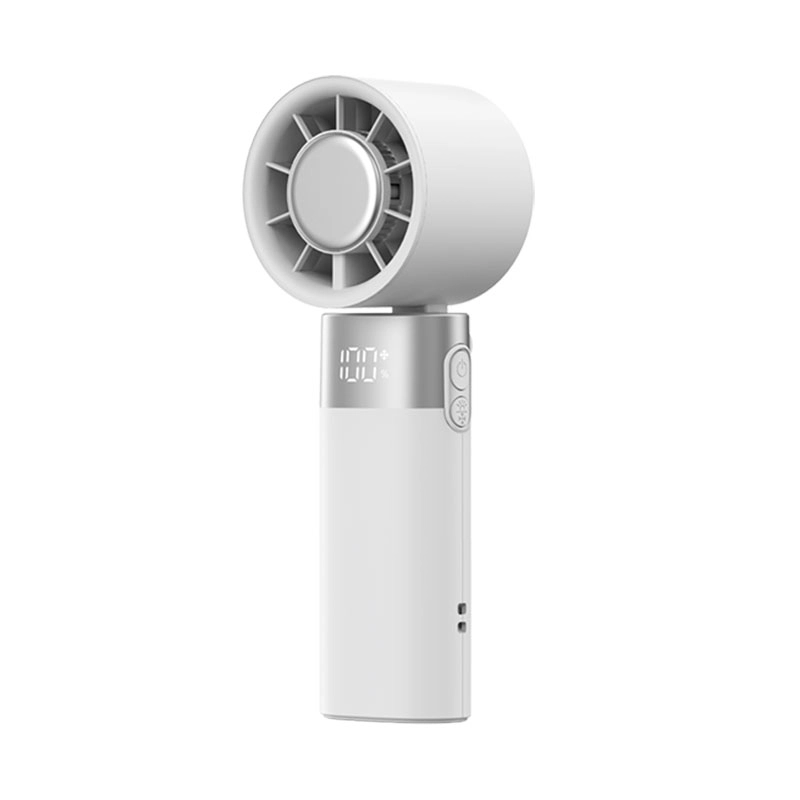
Reliable Handheld Cooling Solution for Bulk & Corporate Purchases
This premium handheld fan is designed for high-frequency, large-volume usage, making it an ideal cooling solution for corporate procurement, promotional distribution, employee welfare programs, and retail wholesale.
With stable airflow performance, a rechargeable design, and lightweight portability, it helps businesses deliver practical comfort products with strong perceived value while maintaining cost efficiency and supply reliability.
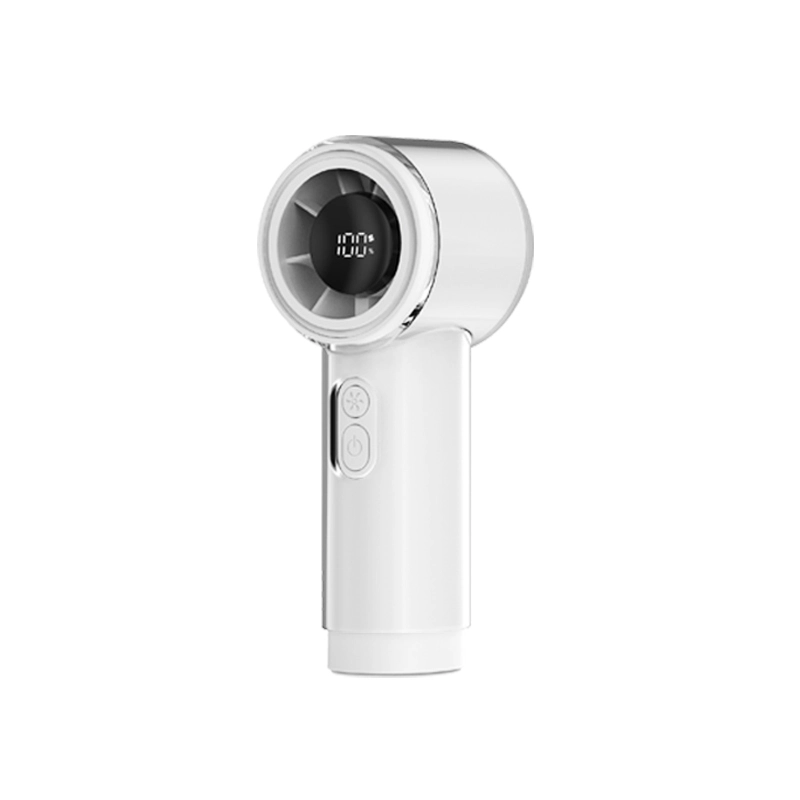
Customizable High-Speed Portable Handheld Fan FS2663
This is a high-speed, long-lasting, personalized, custom, portable cooling product specially designed for gift purchasers, cross-border e-commerce sellers, and OEM/ODM cooperation enterprises. It features (1) strong wind speed, (2) lightweight portability, (3) transparent shell design, (4) convenient carrying with a hand rope, and (5) long battery life. It helps enterprises enhance brand exposure, product differentiation competitiveness, and customer repeat purchase rate.
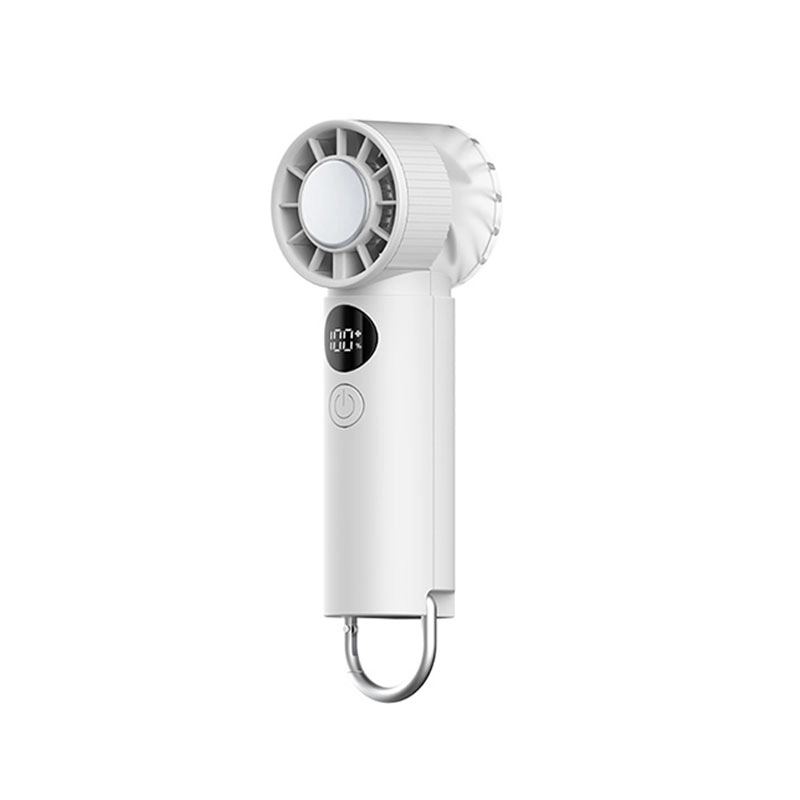
Customizable lightweight mini handheld cooling fan (with climbing hook) FS2666
A portable cooling and personalized customization product specially designed for commuters, students, the gift customization industry, and OEM/ODM buyers. It features (1) lightweight and easy portability, (2) a climbing buckle, and (3) semiconductor cooling.
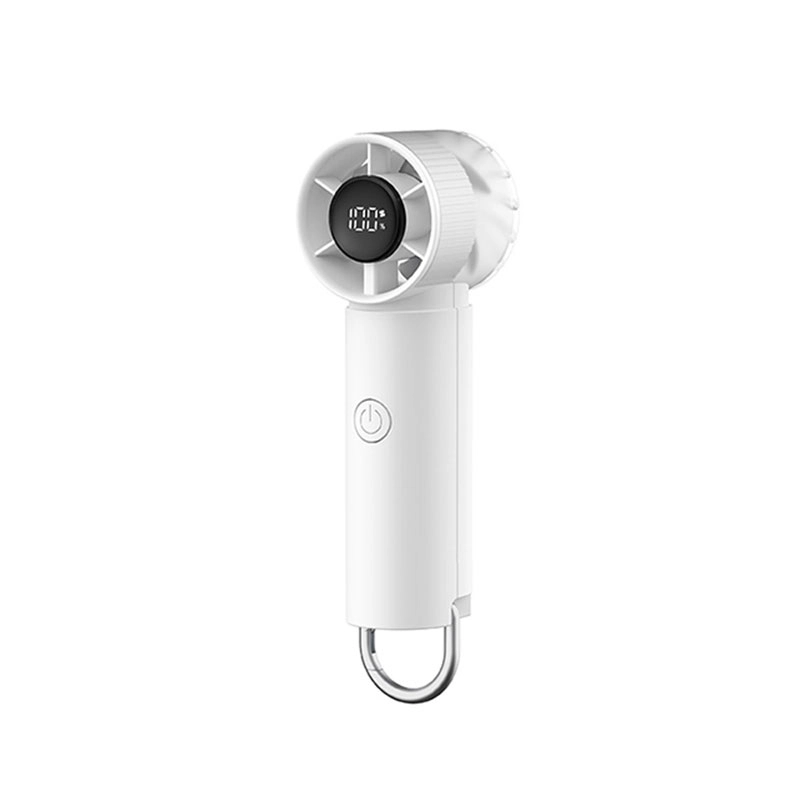
Customizable lightweight mini handheld cooling fan (with climbing hook) FS2667
This is a lightweight and portable + personalized customization product specially designed for commuters, students, the gift customization industry, and OEM/ODM buyers. It features (1) lightweight and easy portability, (2) a climbing buckle, and (3) a semi-transparent air duct design.
Get a Quote for Handheld Fan Solution
If you have any comments or good suggestions, please leave us a message; later our professional staff will contact you as soon as possible.
Contact


4th Floor, Building 3, Jurong Industrial Park, No. 27-1-1, Fu'an Industrial Zone,Leliu Town (Pancun), Shunde District, Foshan City, Guangdong Province
 Scan QR Code
YouTube
Twitter
Facebook