






OEM/ODM small portable air conditioner fan Manufacturers and Suppliers
- Market context: Why personal cooling and portable AC fans matter
- Changing consumer demand and application scenarios
- Energy, seasonality, and sustainability drivers
- Regulatory and safety landscape
- OEM and ODM services for small portable air conditioner fans: What to expect
- Design, prototyping, and product differentiation
- Typical technical specifications and performance targets
- Quality control, testing, and certifications
- Choosing a manufacturer or supplier: technical and commercial checklist
- Technical evaluation checklist
- Commercial and supply-chain considerations
- Warranty, after-sales, and IP protection
- RYW Technology: Capabilities, certifications, and partnership model
- Facility, team, and manufacturing capabilities
- Certifications and compliance track record
- Case workflow: from brief to shelf
- Practical sourcing tools: comparing OEM vs. ODM and supplier scorecard
- Quick OEM vs. ODM comparison
- Supplier scorecard (example)
- Local vs. international manufacturing considerations
- Conclusion
- Frequently Asked Questions (FAQ)
- 1. What is the difference between a small portable air conditioner fan and a traditional portable air conditioner?
- 2. What certifications should I require from a supplier?
- 3. How long does an OEM/ODM development cycle typically take?
- 4. How do I protect my IP when working with overseas manufacturers?
- 5. Who can I contact at RYW to start a project?
RYW Technology Co., Ltd. presents this practical guide for global buyers and brand developers seeking OEM/ODM small portable air conditioner fan manufacturers and suppliers. Covering product types from evaporative personal coolers and mini portable air conditioner fans to advanced handheld cooling units, this article highlights design considerations, compliance paths (CE, UL, FCC, PSE, KC, UKCA), manufacturing capabilities, and sourcing strategies across North America, Europe, and Asia to help indexing and local intent discovery.
Market context: Why personal cooling and portable AC fans matter
Changing consumer demand and application scenarios
Consumers increasingly seek personal comfort solutions that are energy-efficient, portable, and user-friendly. Small portable air conditioner fans—which include mini portable AC units, evaporative coolers, and advanced handheld fans—serve distinct use cases: desktop cooling, bedside comfort, small-room cooling, outdoor activities, and travel. These products target consumers who prefer spot cooling instead of central HVAC, offering lower initial cost and higher mobility.
Energy, seasonality, and sustainability drivers
Spot cooling with a small portable air conditioner fan can reduce energy consumption compared with conditioning an entire home when used as intended. While whole-home HVAC systems are sized in BTU (often 8,000–14,000 BTU/h for consumer portable AC units as described in industry overviews), personal cooling devices typically emphasize airflow (CFM), localized temperature reduction, and battery efficiency for cordless models. For standards and context on thermal comfort and human-centric design, see ASHRAE Standard 55 on thermal environmental conditions for human occupancy (ASHRAE 55).
Regulatory and safety landscape
Manufacturers and suppliers must comply with regional safety and electromagnetic standards. Certifications frequently required by global retailers include CE and UKCA for Europe/UK, UL for North America, PSE for Japan, KC for Korea, and CCC for China. Quality management systems such as ISO 9001 underpin repeatable production processes (ISO 9001). For background on portable air conditioners and consumer device classifications, see the portable air conditioner overview on Wikipedia (Portable air conditioner — Wikipedia).
OEM and ODM services for small portable air conditioner fans: What to expect
Design, prototyping, and product differentiation
OEM (Original Equipment Manufacturer) services are suited to brands that supply designs or require white-label production. ODM (Original Design Manufacturer) services take a concept or market brief and deliver full design-to-production capabilities. Key steps in both paths include concept sketches, CAD modeling, thermal simulations, ergonomic testing, and functional prototyping. Rapid prototyping (3–6 weeks typical for enclosure/fan module iterations depending on complexity) shortens time-to-market.
Typical technical specifications and performance targets
Small portable air conditioner fans encompass several architectures—bladed DC fans, brushless motor modules, evaporative cooling pads, and refrigerant-based mini compressors. Typical product spec ranges customers evaluate include:
| Parameter | Personal fan / handheld | Mini portable AC (room spot cooling) |
|---|---|---|
| Airflow | 20–200 CFM (10–95 L/s) | 150–350 CFM (70–165 L/s) |
| Cooling method | Air movement / evaporative / Peltier | Evaporative or small compressor (8,000–14,000 BTU/h for larger portable units) |
| Power source | USB, built-in battery (3–20 Wh to 20,000 mAh) | AC power; some hybrid battery-assisted units |
| Noise | 25–45 dB(A) | 40–60 dB(A) |
These ranges are typical trade references; final targets depend on use case, price point, and regulatory constraints.
Quality control, testing, and certifications
Apart from system-level electrical safety tests (IEC/UL standards), manufacturers should perform endurance cycling, ingress protection checks for evaporative units, EMC/EMI testing, battery safety (UN38.3 for lithium batteries), and noise testing. Work with a supplier experienced in CE/UKCA declarations, and with access to accredited labs for UL/ETL and FCC testing. UL's resource pages are useful when evaluating safety paths (UL).
Choosing a manufacturer or supplier: technical and commercial checklist
Technical evaluation checklist
- Proven experience with small portable air conditioner fan architectures (evaporative, Peltier, compressor).
- In-house R&D with thermal and acoustic engineering capability.
- Testing and certification support (EMC, safety, battery tests).
- Prototyping speed and tooling capacity for injection molds.
Commercial and supply-chain considerations
Key commercial factors include MOQs (minimum order quantities), price breakpoints, lead times, packaging/labeling capabilities, and logistics experience for cross-border shipping. Ask suppliers for typical lead times for MOQ production and for mass production—good partners provide transparent supply-chain visibility and contingency planning for components like BLDC motors and microcontrollers.
Warranty, after-sales, and IP protection
Negotiate clear warranty terms (12–24 months typical for consumer electronics), define RMA processes, and ensure IP protections are contractually detailed (design ownership, tooling rights, NDA agreements). For brands, request references and sample reports from previous OEM/ODM clients.
RYW Technology: Capabilities, certifications, and partnership model
Facility, team, and manufacturing capabilities
RYW Technology Co., Ltd., founded in 2018, integrates product design, R&D, manufacturing, and sales. Operating from a 4,000 m² modern facility with three advanced production lines, RYW supports rapid prototyping and agile development. An in-house R&D team of over 30 experts covers industrial design, thermal engineering, electronics, and firmware, enabling both OEM and ODM workflows from concept to mass production.
Certifications and compliance track record
RYW is ISO9001-certified and holds a suite of global certifications (CE, CB, UKCA, PSE, KC, UL, FCC, CCC), ensuring products meet safety and market-entry requirements across North America, Europe, and Asia. These certifications simplify certification routes for new SKUs when executed through an experienced manufacturer.
Case workflow: from brief to shelf
A typical RYW OEM/ODM project follows these stages: discovery & specification, concept sketches, prototype cycles (hardware & firmware), pre-compliance testing, pilot production, mass production, and post-launch support. RYW’s emphasis on Refined in Heart, Simple in Form targets ergonomic products with intuitive user experiences—ideal for handheld and small portable air conditioner fan lines.
Practical sourcing tools: comparing OEM vs. ODM and supplier scorecard
Quick OEM vs. ODM comparison
| Aspect | OEM | ODM |
|---|---|---|
| Design ownership | Buyer provides design | Manufacturer provides or co-develops design |
| Speed to market | Faster if design ready | Depends on co-development cycle |
| Customization | High (based on buyer design) | High (manufacturer offers modular designs) |
| Initial cost | Tooling + production | R&D + tooling |
Supplier scorecard (example)
Use a scoring matrix (0–5) across the following categories when evaluating suppliers: technical skill, certifications, lead times, MOQ flexibility, price competitiveness, communication, IP protection, and after-sales support. This objective approach helps compare shortlisted manufacturers.
Local vs. international manufacturing considerations
Local manufacturing simplifies logistics and may reduce lead time and tariffs but often at higher unit cost. International partners (notably in Asia) typically offer competitive pricing and scale. For many brands, a hybrid strategy—initial prototypes locally, mass production abroad—balances speed and cost.
Conclusion
Sourcing the right OEM/ODM partner for a small portable air conditioner fan requires technical diligence, clear product definition, and a trusted manufacturer with certification experience and agile production. RYW Technology offers full-cycle OEM and ODM services—from rapid prototyping to certified mass production—backed by ISO9001 systems and global certifications. Whether you need a compact handheld cooler, a USB-powered desk fan, or a mini portable AC for spot cooling, informed supplier selection minimizes risk and accelerates your route to market.
Frequently Asked Questions (FAQ)
1. What is the difference between a small portable air conditioner fan and a traditional portable air conditioner?
Small portable air conditioner fans focus on spot cooling, portability, and low power consumption (often using evaporative or Peltier technology), while traditional portable air conditioners are larger, refrigerant-based units rated in BTU/h and designed to cool entire rooms.
2. What certifications should I require from a supplier?
At minimum, request ISO9001 (quality management), CE/UKCA for European/UK markets, UL/ETL for North America, FCC for EMI where relevant, and battery safety documentation (UN38.3) for lithium-powered devices. RYW holds many of these certifications, helping streamline market entry.
3. How long does an OEM/ODM development cycle typically take?
From initial concept to pilot production, expect 3–6 months for a standard handheld or desk fan with existing modules. Full custom designs with new tooling may take 6–12 months depending on complexity and certification cycles.
4. How do I protect my IP when working with overseas manufacturers?
Use NDAs, define IP ownership in contracts, register design patents where applicable, and retain control of critical source files and firmware keys. Work with manufacturers who have transparent IP policies and respected client references.
5. Who can I contact at RYW to start a project?
Contact Adrian at adrian@rywlife.com to discuss OEM/ODM options, request a capability deck, or schedule a factory tour.
References:
- Portable air conditioner — Wikipedia
- Hand fan — Wikipedia
- ISO 9001 — ISO
- ASHRAE Standard 55 — Thermal Environmental Conditions for Human Occupancy
- UL — Safety Science
Ready to develop a market-ready small portable air conditioner fan? Contact Adrian at adrian@rywlife.com to start your OEM/ODM project.
Top hand held electric fan Manufacturers and Suppliers
Top hand Fan Manufacturers and Suppliers
Top cooling portable fan Manufacturers and Suppliers
Top 10 usb fan Manufacturers and Supplier Brands
About Cooperation
How should I start working with you?
About Company
What is RYW main product for factory?
About Customization
What is the MOQ for custom logo?
Can we do our logo on the machine?
About Products
Can you do ODM project?
You May Also Like
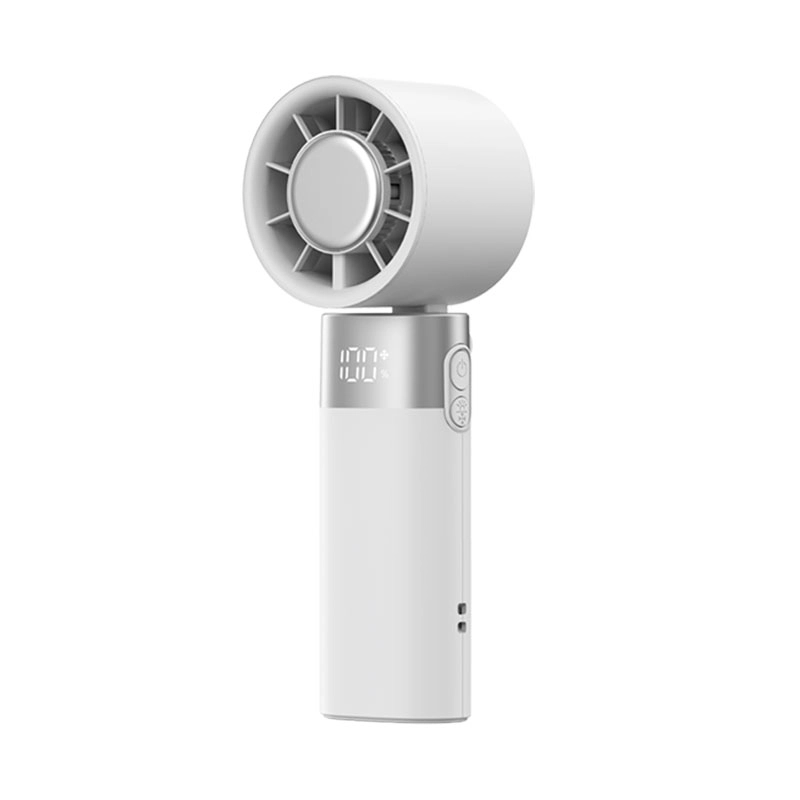
Reliable Handheld Cooling Solution for Bulk & Corporate Purchases
This premium handheld fan is designed for high-frequency, large-volume usage, making it an ideal cooling solution for corporate procurement, promotional distribution, employee welfare programs, and retail wholesale.
With stable airflow performance, a rechargeable design, and lightweight portability, it helps businesses deliver practical comfort products with strong perceived value while maintaining cost efficiency and supply reliability.
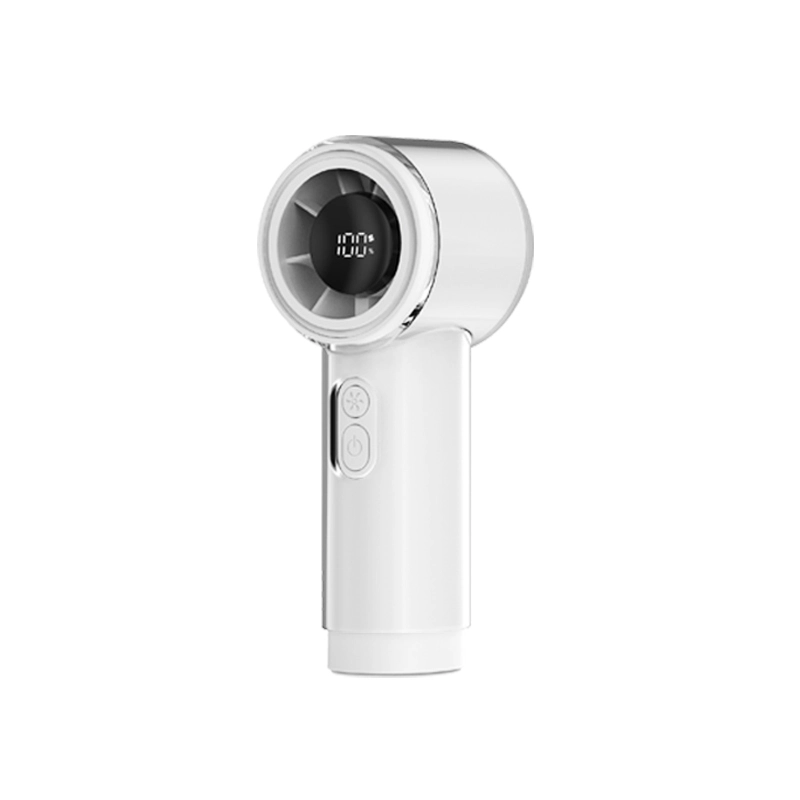
Customizable High-Speed Portable Handheld Fan FS2663
This is a high-speed, long-lasting, personalized, custom, portable cooling product specially designed for gift purchasers, cross-border e-commerce sellers, and OEM/ODM cooperation enterprises. It features (1) strong wind speed, (2) lightweight portability, (3) transparent shell design, (4) convenient carrying with a hand rope, and (5) long battery life. It helps enterprises enhance brand exposure, product differentiation competitiveness, and customer repeat purchase rate.
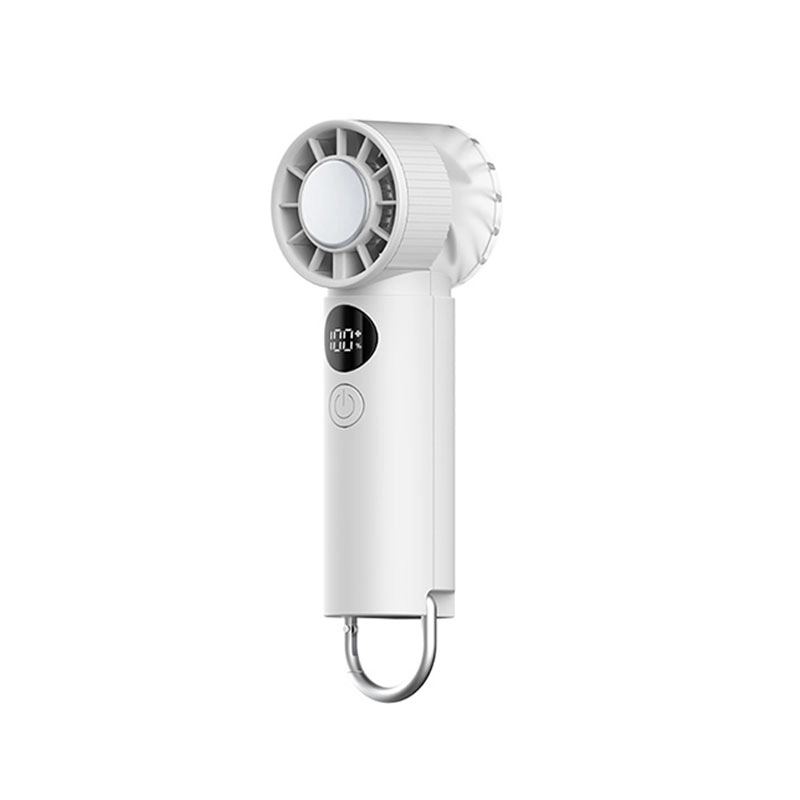
Customizable lightweight mini handheld cooling fan (with climbing hook) FS2666
A portable cooling and personalized customization product specially designed for commuters, students, the gift customization industry, and OEM/ODM buyers. It features (1) lightweight and easy portability, (2) a climbing buckle, and (3) semiconductor cooling.
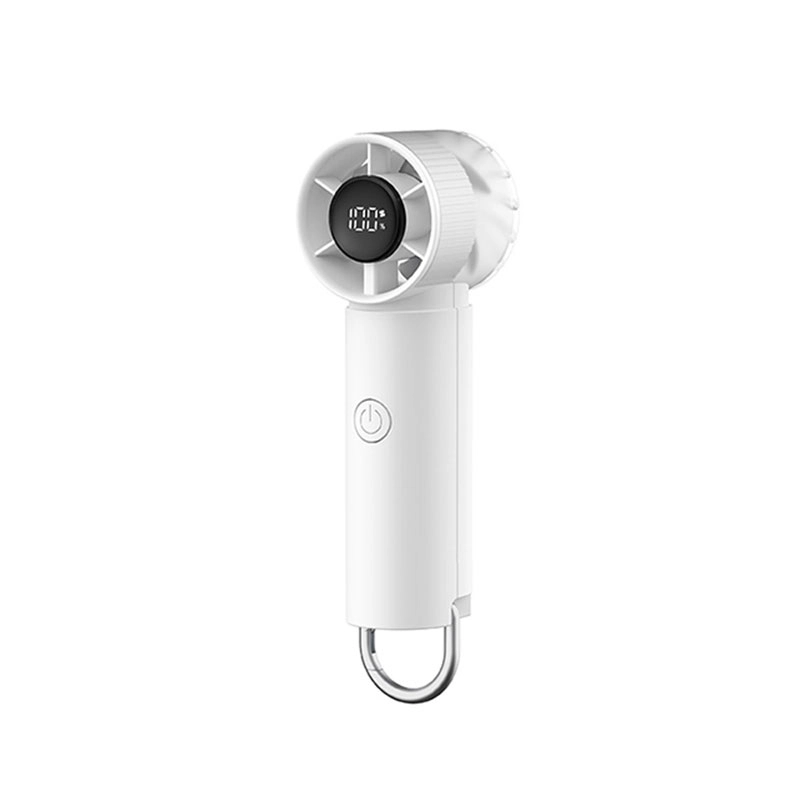
Customizable lightweight mini handheld cooling fan (with climbing hook) FS2667
This is a lightweight and portable + personalized customization product specially designed for commuters, students, the gift customization industry, and OEM/ODM buyers. It features (1) lightweight and easy portability, (2) a climbing buckle, and (3) a semi-transparent air duct design.
Get a Quote for Handheld Fan Solution
If you have any comments or good suggestions, please leave us a message; later our professional staff will contact you as soon as possible.
Contact


4th Floor, Building 3, Jurong Industrial Park, No. 27-1-1, Fu'an Industrial Zone,Leliu Town (Pancun), Shunde District, Foshan City, Guangdong Province
 Scan QR Code
YouTube
Twitter
Facebook