





OEM/ODM customized hand fans Manufacturers and Suppliers
- Why Personal Cooling Solutions Matter Today
- Growing consumer demand and use cases
- Key performance factors buyers care about
- Regulatory and market-readiness implications
- OEM vs ODM: Choose the Right Manufacturing Path
- What is OEM (Original Equipment Manufacturer)?
- What is ODM (Original Design Manufacturer)?
- Side-by-side comparison
- How RYW Delivers Customized Hand Fans: Capabilities and Process
- Facility and production capabilities
- R&D, prototyping, and iteration
- From concept to market: a practical timeline
- Quality, Compliance, and Certifications for Global Markets
- Essential certifications and why they matter
- Testing and pre-compliance
- Traceability, QC, and risk reduction
- Practical Advice for Selecting an OEM/ODM Partner
- Ask for evidence, not promises
- Prototype validation checklist
- Commercial terms and supply chain resilience
- Case Study: From Concept to Retail Shelf (Example Workflow)
- Phase 1 — Discovery & specification
- Phase 2 — Prototyping & pre-compliance
- Phase 3 — Certification & production
- Conclusion
- Frequently Asked Questions
- What MOQ should I expect for customized hand fans?
- How long does certification typically take?
- Can I get help with packaging and logistics?
- How do you protect my IP when doing ODM work?
RYW Technology Co., Ltd. provides OEM/ODM customized hand fans and portable cooling solutions to partners across North America, Europe, and Asia, leveraging a 4,000 m² production facility, an in-house R&D team of 30+ experts, and a full spectrum of global certifications to deliver fast prototyping, agile development, and compliant mass production. Whether you are an e-commerce seller, retail brand, or distributor, this article explains how to evaluate manufacturers and suppliers, compare OEM vs. ODM paths, and ensure your customized hand fans meet safety and market requirements.
Why Personal Cooling Solutions Matter Today
Growing consumer demand and use cases
Personal cooling products such as handheld fans and mini portable fans have moved beyond novelty items to everyday essentials in many climates. Use cases include outdoor recreation, commuting, desk cooling, and relief during heatwaves. Brands that offer customized hand fans capture niche markets—branded giveaways, fashion accessories, tech-integrated cooling, and health-oriented designs for sensitive populations.
Key performance factors buyers care about
When sourcing customized hand fans, buyers focus on ergonomics, battery life, noise level (dB), airflow (CFM or equivalent), safety (blade design, motor protection), and compliance for target markets. Durability, IP rating for dust/water resistance, and material choices (ABS, PC, silicone) also influence product acceptance and return rates.
Regulatory and market-readiness implications
Electrically powered handheld fans must meet regulatory requirements for each target market. Typical standards include electrical safety and EMC (e.g., UL and FCC for the US, CE and UKCA for Europe/UK) and quality management systems like ISO 9001. Early supplier engagement on compliance reduces time-to-market and avoids costly redesigns.
OEM vs ODM: Choose the Right Manufacturing Path
What is OEM (Original Equipment Manufacturer)?
OEM suppliers manufacture products to a buyer’s specifications. For customized hand fans, OEM is ideal if you have a finalized design—housing, electronics, logos, and packaging—and need a reliable supplier to produce at scale. OEM gives brands control over IP and product details while leveraging the supplier’s manufacturing capacity.
What is ODM (Original Design Manufacturer)?
ODM suppliers provide design and engineering in addition to manufacturing. If your team needs product development, industrial design, or firmware integration (e.g., smart fans with Bluetooth controls), ODM speeds concept-to-prototype. RYW’s in-house R&D and rapid prototyping are well-suited for ODM partnerships where the vendor contributes design expertise.
Side-by-side comparison
Typical considerations when selecting OEM vs ODM include control over IP, upfront cost, development time, and MOQ. The table below summarizes practical differences:
| Aspect | OEM | ODM |
|---|---|---|
| Design ownership | Buyer owns design | Shared or supplier-owned design (can be assigned) |
| Development time | Shorter if design ready | Longer due to design and validation |
| Typical MOQ | 500–5,000 (varies by complexity) | 1,000–10,000 (depends on tooling costs) |
| Best for | Brands with product-ready files | Brands needing concept-to-product support |
How RYW Delivers Customized Hand Fans: Capabilities and Process
Facility and production capabilities
RYW operates a modern 4,000 m² facility with three advanced production lines configured for assembly, testing, and packaging. This configuration supports scalable runs—from low-volume pilot orders to high-volume retail shipments. Typical production stages include injection molding for housings, PCB assembly, motor integration, balance testing, and final QA.
R&D, prototyping, and iteration
RYW’s in-house team of over 30 engineers and designers enables rapid prototyping using CNC, 3D printing, and quick-turn tooling. For customized hand fans, iterative cycles commonly cover ergonomics, motor selection (brushless vs brushed), battery chemistry and capacity (Li-ion/LiPo), and thermal management (vent design, heat dissipation).
From concept to market: a practical timeline
Typical timelines depend on whether you choose OEM or ODM and the extent of customization. A practical schedule looks like this:
- Concept & specs: 1–2 weeks
- Industrial design & prototyping: 2–6 weeks
- Electronics/firmware development: 2–8 weeks (if smart features are required)
- Certification & pre-compliance testing: 3–8 weeks (parallel where possible)
- Mass production ramp & shipment: 4–12 weeks
RYW’s agile workflow aims to overlap tasks (for example, performing pre-compliance EMC tests during final prototyping) to reduce total time-to-market.
Quality, Compliance, and Certifications for Global Markets
Essential certifications and why they matter
To sell customized hand fans internationally, products typically require a mix of safety, EMC, and chemical compliance certifications. RYW maintains ISO9001 quality management and a wide range of market-specific certifications including CE/UKCA for Europe/UK, FCC for the US, UL for recognized components and safety guidance, PSE for Japan, KC for Korea, and CCC for China. See ISO 9001 details at ISO.org and CE marking guidance at the European Commission’s site ec.europa.eu.
Testing and pre-compliance
Good suppliers run pre-compliance tests before full certification: electrical safety, insulation and leakage, EMC (radiated and conducted emissions), and battery safety (UN38.3 for lithium batteries when shipping). Early testing minimizes redesigns and shortens certification cycles.
Traceability, QC, and risk reduction
Traceability (batch-level tracking of components and firmware), incoming material inspections, IPC-compliant PCB assembly, and AQL sampling are standard practices to reduce field failures. RYW’s ISO9001-certified processes and documented QC steps support warranty claims handling and recalls prevention.
Practical Advice for Selecting an OEM/ODM Partner
Ask for evidence, not promises
Request factory photos, production flow diagrams, third-party audit reports, and sample test results. Check that your supplier has experience with customized hand fans and understands the ergonomics and safety priorities of handheld, battery-powered devices.
Prototype validation checklist
Validate these items before mass production:
- Ergonomics and balance—comfort while holding in different orientations
- Battery life and safe charging behavior
- Noise levels and vibration under normal loads
- Ingress protection if marketed as water/dust resistant
- Firmware stability if there are smart functions
Commercial terms and supply chain resilience
Clarify MOQ, lead times, tooling ownership, warranty terms, and payment schedules. Consider dual-sourcing critical components (motors, batteries, PCBs) to avoid disruptions. Ask about alternative suppliers for key parts and inventory strategies like safety stock to handle seasonality.
Case Study: From Concept to Retail Shelf (Example Workflow)
Phase 1 — Discovery & specification
A retail brand approaches RYW for a low-noise, fashion-forward customized hand fan with logo embossing and a 10-hour claimed runtime. RYW documents requirements, suggested materials, and target certifications.
Phase 2 — Prototyping & pre-compliance
RYW builds 2–3 prototypes for ergonomics and motor tuning, performs pre-compliance EMC and battery tests, and iterates until design meets noise and runtime targets.
Phase 3 — Certification & production
Final samples go to accredited labs for full certification. Once certifications are achieved, tooling is produced, pilot runs validated with AQL checks, and full production commences with staged shipments to distribution centers.
Conclusion
Sourcing customized hand fans requires balancing design control, speed to market, compliance, and production scalability. Whether you choose an OEM route to retain design ownership or an ODM partnership to leverage supplier expertise, working with a partner that combines design, certification knowledge, and manufacturing scale is critical. RYW Technology offers end-to-end OEM/ODM capabilities—rapid prototyping, ISO9001-backed production, and extensive global certifications—helping brands bring safe, attractive, and market-ready customized hand fans to consumers worldwide.
Frequently Asked Questions
What MOQ should I expect for customized hand fans?
MOQ depends on customization level, tooling costs, and component availability. Typical MOQs range from several hundred (for simple customizations on existing molds) to several thousand units (for new tooling or unique electronics). Discuss options with your supplier to find staged ramps.
How long does certification typically take?
Certification timelines vary by market and product complexity. Pre-compliance and lab testing can take 3–8 weeks; full certification including documentation and corrective cycles can extend to 8–12 weeks. Starting pre-compliance early shortens total time-to-market.
Can I get help with packaging and logistics?
Yes. Full-service manufacturers like RYW can provide packaging design, labeling compliant with target markets, and shipping coordination (DPU, FOB, CIF terms). They can also help optimize packaging for retail displays and e-commerce fulfillment.
How do you protect my IP when doing ODM work?
Reputable partners use NDAs, clearly defined IP assignment clauses in contracts, and compartmentalized project management to protect client IP. Clarify ownership and licensing terms before design work begins.
For partners seeking reliable OEM/ODM customized hand fans with proven compliance and rapid prototyping, contact RYW at adrian@rywlife.com — we’ll help turn your concept into a market-ready product.
References: Hand fan — Wikipedia; ISO 9001 — ISO; CE Marking — European Commission; UL Standards & Guidance.
Tips for buy best portable fans for cooling from China
Top mini Handheld Fan Manufacturers and Suppliers
OEM/ODM best handheld fan for travel Manufacturers and Suppliers
Tips for buy best rechargeable fan from China
About Logistics
What payment methods do you accept?
About Customization
What is the MOQ for custom logo?
How long is the production time?
Can you provide customized packaging and labels?
Yes, the MOQ is 1,000
About Products
Can l order samples for testing?
You May Also Like
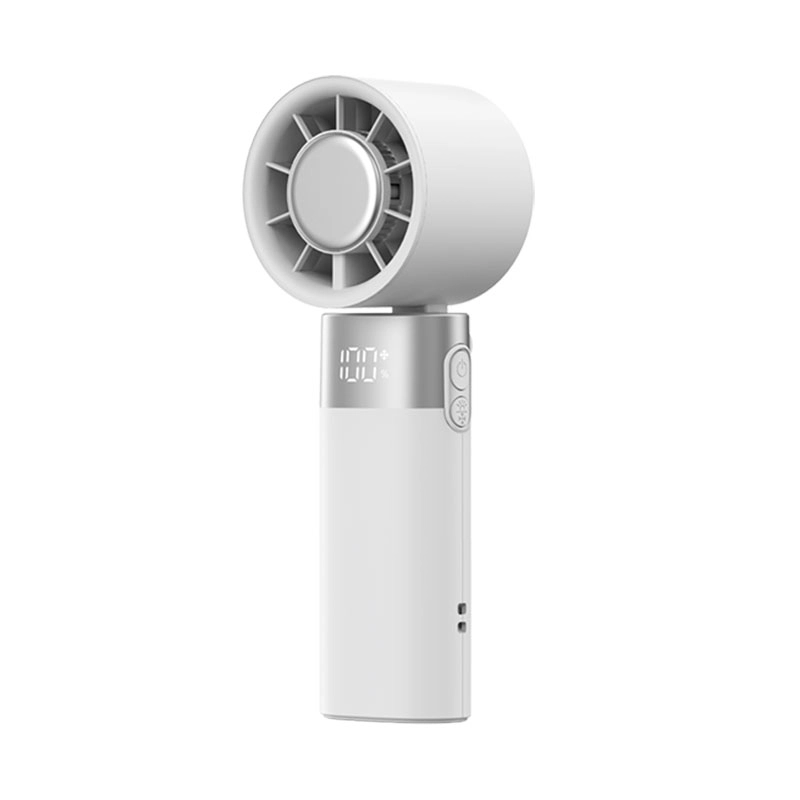
Reliable Handheld Cooling Solution for Bulk & Corporate Purchases
This premium handheld fan is designed for high-frequency, large-volume usage, making it an ideal cooling solution for corporate procurement, promotional distribution, employee welfare programs, and retail wholesale.
With stable airflow performance, a rechargeable design, and lightweight portability, it helps businesses deliver practical comfort products with strong perceived value while maintaining cost efficiency and supply reliability.
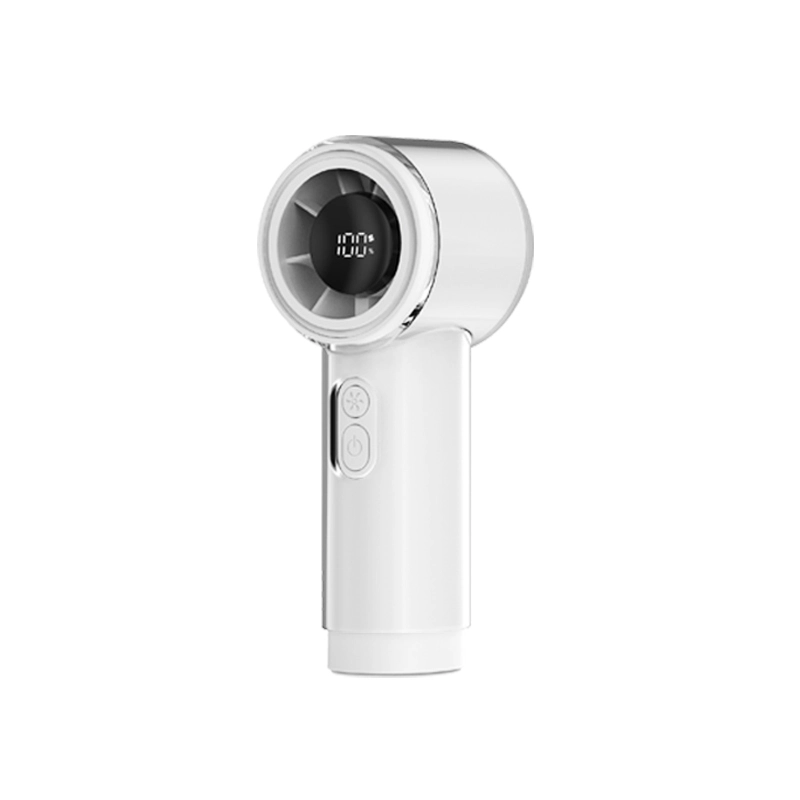
Customizable High-Speed Portable Handheld Fan FS2663
This is a high-speed, long-lasting, personalized, custom, portable cooling product specially designed for gift purchasers, cross-border e-commerce sellers, and OEM/ODM cooperation enterprises. It features (1) strong wind speed, (2) lightweight portability, (3) transparent shell design, (4) convenient carrying with a hand rope, and (5) long battery life. It helps enterprises enhance brand exposure, product differentiation competitiveness, and customer repeat purchase rate.
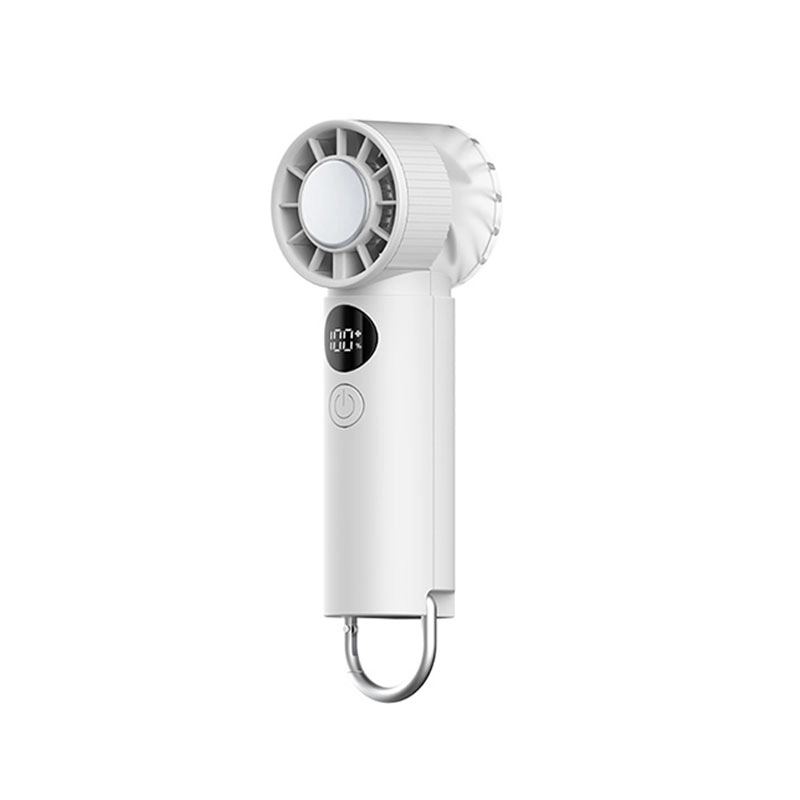
Customizable lightweight mini handheld cooling fan (with climbing hook) FS2666
A portable cooling and personalized customization product specially designed for commuters, students, the gift customization industry, and OEM/ODM buyers. It features (1) lightweight and easy portability, (2) a climbing buckle, and (3) semiconductor cooling.
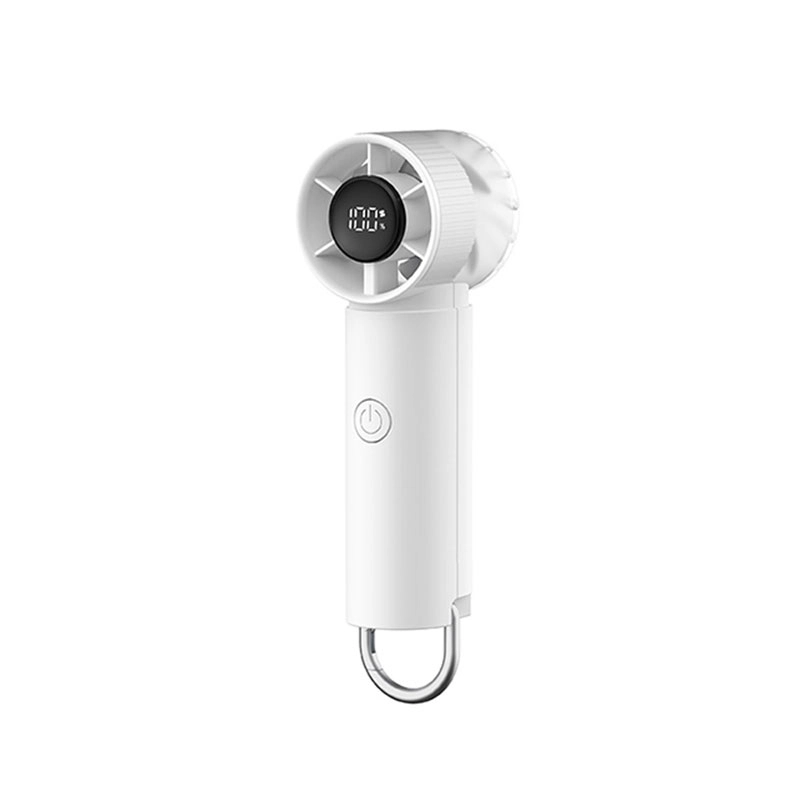
Customizable lightweight mini handheld cooling fan (with climbing hook) FS2667
This is a lightweight and portable + personalized customization product specially designed for commuters, students, the gift customization industry, and OEM/ODM buyers. It features (1) lightweight and easy portability, (2) a climbing buckle, and (3) a semi-transparent air duct design.
Get a Quote for Handheld Fan Solution
If you have any comments or good suggestions, please leave us a message; later our professional staff will contact you as soon as possible.
Contact


4th Floor, Building 3, Jurong Industrial Park, No. 27-1-1, Fu'an Industrial Zone,Leliu Town (Pancun), Shunde District, Foshan City, Guangdong Province
 Scan QR Code
YouTube
Twitter
Facebook