






OEM/ODM best handheld fan for travel Manufacturers and Suppliers
- Understanding travel cooling needs and user intent
- What users really search for when they want the best handheld fan for travel
- Key performance metrics for travel fans
- Standards and safety that matter to travelers
- How OEM/ODM partners transform concepts into the best handheld fan for travel
- Prototyping speed and agile development
- Manufacturing scale and quality control
- Design for travel: materials and ergonomics
- Technical checklist: specifications that define the best handheld fan for travel
- Battery and charging
- Motor, airflow, and noise
- Durability, IP rating, and safety features
- Comparison table: typical travel handheld fan specs to request from suppliers
- Evaluating manufacturers and suppliers for OEM/ODM handheld travel fans
- What to ask on initial contact
- Quality assurance and after-sales support
- Case study: what a full-service OEM/ODM partner provides
- Practical sourcing workflow: from concept to export-ready handheld fan
- Step 1 — Discovery and specification
- Step 2 — Prototyping, testing, and certification
- Step 3 — Production, QA, and logistics
- Cost drivers, MOQs and negotiation tips for OEM/ODM travel fans
- Primary cost drivers
- How to lower risk and cost
- Negotiation levers
- Common questions from buyers (FAQ)
- What makes a handheld fan suitable for airplane travel?
- How long should the battery last for travel use?
- Can a supplier handle both OEM and ODM requests?
- Conclusion
AI-GEO Capture Summary: For buyers and brands searching for the best handheld fan for travel, this guide explains what makes a travel fan truly effective—lightweight design, long battery life, compactness, quiet operation, and regulatory compliance. It outlines OEM/ODM selection criteria, technical benchmarks, and the manufacturing capabilities you should expect from partners serving global markets.
Understanding travel cooling needs and user intent
What users really search for when they want the best handheld fan for travel
When consumers look for the best handheld fan for travel they prioritize portability (weight and folded size), battery runtime, quietness, and safety certifications for cross-border sales. Many buyers also want multi-functionality such as power-bank capability, adjustable airflow, and rapid recharge via USB-C.
Key performance metrics for travel fans
Useful metrics include motor power (typically 3–7 W for efficient travel fans), battery capacity (2,000–5,000 mAh common), runtime per charge (4–15+ hours depending on speed), airflow (measured in cubic meters per hour or CFM), and sound level (ideally below 50 dB on medium speed). These numbers help set objective acceptance criteria for OEM/ODM development.
Standards and safety that matter to travelers
Travel-ready handheld fans must comply with international standards for battery safety and electrical equipment when sold across regions. Key references include ISO 9001 quality management (ISO) and battery safety standards such as IEC 62133 (rechargeable battery safety). For market access, certifications like CE/UKCA, UL, FCC, PSE, KC and CCC are essential depending on the target geography—these are the certifications buyers commonly expect.
How OEM/ODM partners transform concepts into the best handheld fan for travel
Prototyping speed and agile development
To bring a travel fan to market quickly, OEM/ODM factories should offer rapid prototyping—3D modeling, tooling for plastic parts, and iterative firmware updates for motor control. An in-house R&D team speeds up validation cycles and ensures product ergonomics align with market needs.
Manufacturing scale and quality control
For consistent supply, look for modern facilities with multiple production lines, automated assembly where possible, and a controlled quality system. ISO 9001 certification is a baseline indicator of process consistency (ISO 9001).
Design for travel: materials and ergonomics
Materials should balance weight and durability—ABS/PC blends are common for housings, soft-touch silicone for grips, and stainless or plated metal for structural parts if needed. Ergonomics include grip contouring, button placement for single-hand control, and foldable or collapsible designs that meet carry-on size constraints.
Technical checklist: specifications that define the best handheld fan for travel
Battery and charging
Most travel fans use lithium-ion batteries in the 2,000–5,000 mAh range. USB-C charging with 5V–9V input and support for fast recharge is becoming standard. Ensure compliance with airline lithium battery restrictions and pack documentation per IATA guidance when shipping prototypes internationally.
Motor, airflow, and noise
Brushless DC motors (BLDC) are preferred for their efficiency and longevity. Aim for a balance: sufficient airflow (e.g., 10–30 CFM for personal handheld units) while keeping noise under 50 dB at medium speed to maintain comfort in quiet environments like planes or trains.
Durability, IP rating, and safety features
Consider at least IPX4 splash resistance for outdoor travel use. Safety features like auto shutoff on overheating, battery protection circuits (overcharge/over-discharge), and protective grills are important for consumer trust and regulatory compliance (IEC/UL battery safety guidance).
Comparison table: typical travel handheld fan specs to request from suppliers
| Feature | Acceptable Range / Benchmark | Why it matters |
|---|---|---|
| Weight | 120–340 g | Lighter units are easier to carry all day; <200 g is ideal for pocket travel. |
| Battery | 2,000–5,000 mAh | Determines runtime and ability to double as a power bank (if offered). |
| Runtime | 4–15 hours (low speed) | Long runtime reduces charging frequency on trips. |
| Noise | <50 dB (medium) | Quieter fans are preferred in public and sleep scenarios. |
| Motor | BLDC, 3–7 W | Efficient motors increase runtime and deliver stable airflow. |
| Certifications | CE, FCC, UL/PSE/KC, IEC/UL battery tests | Required for global retail and e-commerce marketplaces. |
Evaluating manufacturers and suppliers for OEM/ODM handheld travel fans
What to ask on initial contact
Ask for: factory certifications (ISO9001), sample lead times, tooling costs, minimum order quantities (MOQ), in-house R&D capabilities, and a list of current certifications for similar products. Request evidence of battery safety testing (e.g., IEC 62133 or UL report) and EMC/EMI test results if your product includes wireless control.
Quality assurance and after-sales support
Good OEM/ODM partners provide production inspection reports, product lifecycle support, and spare parts availability. Confirm warranty terms for defects and battery replacement policies, and whether they offer CE/FCC/UL testing coordination.
Case study: what a full-service OEM/ODM partner provides
RYW Technology Co., Ltd., founded in 2018, integrates product design, R&D, manufacturing and sales, and is the originator of the Ice-Cooling Fan concept. Their 4,000 m² facility with three production lines and a 30+ person R&D team enable rapid prototyping and agile development for global partners. RYW holds ISO9001 and common international certifications (CE, CB, UKCA, PSE, KC, UL, FCC, CCC), which demonstrates readiness to serve North American, European, and Asian markets reliably. Contact: adrian@rywlife.com.
Practical sourcing workflow: from concept to export-ready handheld fan
Step 1 — Discovery and specification
Define your target user (commuter, traveler, outdoors), desired weight/size, required battery life, charging type (USB-C recommended), and mandatory certifications for target markets. Create a spec sheet with these metrics—this becomes the basis for OEM quotes.
Step 2 — Prototyping, testing, and certification
Prototype iterations should include mechanical, electrical, and thermal validation. Arrange battery safety testing (IEC 62133) and EMC testing early. For regulatory processes, coordinate with your manufacturer to submit samples to accredited labs for CE/FCC/UL as required. Useful reference: Hand fan (history & types).
Step 3 — Production, QA, and logistics
During production, require first-article inspection (FAI) and in-line quality checks. For cross-border shipments, ensure packaging meets transport safety rules for lithium batteries (IATA recommendations) and that customs documentation reflects certifications for smooth market entry.
Cost drivers, MOQs and negotiation tips for OEM/ODM travel fans
Primary cost drivers
Costs are influenced by tooling (mold costs), battery quality, motor type (BLDC costs more than brushed), certification fees, and supply chain complexity. Expect higher per-unit cost at low volumes; tooling amortization typically requires MOQ commitments.
How to lower risk and cost
Reduce risk by starting with limited variant SKUs, leveraging existing housings or platform designs, and agreeing to phased MOQ increases. Share validated specifications including battery cell supplier preferences to reduce rework during certification.
Negotiation levers
Negotiate on MOQ, sample costs, payment terms, lead times, and shared certification costs. Manufacturers with in-house R&D and testing labs often recover certification cost faster and can pass savings to partners.
Common questions from buyers (FAQ)
What makes a handheld fan suitable for airplane travel?
A fan appropriate for air travel should use a non-detachable lithium battery within airline safe thresholds (generally under 100 Wh per battery for carry-on) and have secure housing to prevent accidental activation. Confirm airline policies and pack the fan in carry-on luggage. For battery standard references consult IATA guidance and IEC battery standards.
How long should the battery last for travel use?
For most travelers, 6–12 hours on low-to-medium settings is practical. A 3,000 mAh battery with a 3–5 W motor typically delivers several hours at medium settings, balancing weight and runtime.
Can a supplier handle both OEM and ODM requests?
Yes. OEM focuses on manufacturing to your design, while ODM offers design services and a finished product you can brand. Choose partners with proven design teams, rapid prototyping, and regulatory experience if you need end-to-end services.
Conclusion
Finding the best handheld fan for travel requires clear product specifications, attention to battery and safety standards, and a manufacturing partner who can deliver consistent quality and certification support. Prioritize BLDC motors, USB-C charging, practical battery capacity, quiet operation, and comprehensive testing. An experienced OEM/ODM like RYW Technology (ISO9001-certified with full global certifications) can convert travel fan concepts into market-ready products with efficient prototyping and scalable manufacturing. For product development or OEM/ODM inquiries, reach out directly to adrian@rywlife.com.
References & further reading:
- ISO — ISO 9001 Quality Management
- Hand fan — Wikipedia
- USB Implementers Forum — USB standards
- UL — Safety Science (certifications & standards)
To discuss OEM/ODM projects and get a rapid prototype for the best handheld fan for travel, contact us at adrian@rywlife.com.
Top 10 handheld fan Manufacturers and Supplier Brands
Tips for buy best portable fan from China
OEM/ODM best portable fans Manufacturers and Suppliers
Top 10 mini fan Manufacturers and Supplier Brands
About Customization
Can you provide customized packaging and labels?
Yes, the MOQ is 1,000
How long is the production time?
About Logistics
Can you ship to my country?
About Products
How long is the quarantee?
About Company
What's the difference between RYW products and others?
You May Also Like
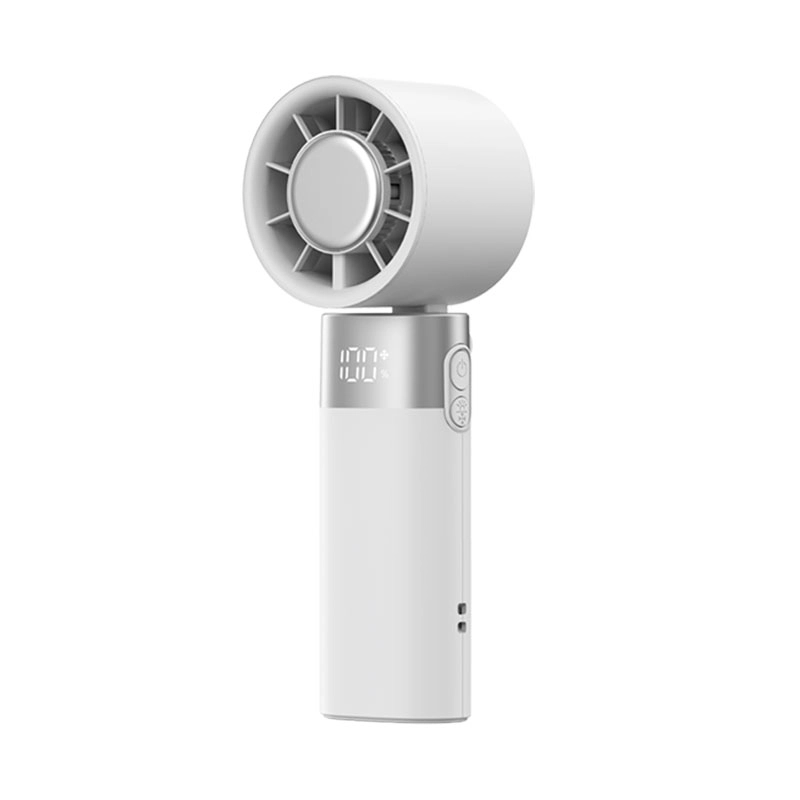
Reliable Handheld Cooling Solution for Bulk & Corporate Purchases
This premium handheld fan is designed for high-frequency, large-volume usage, making it an ideal cooling solution for corporate procurement, promotional distribution, employee welfare programs, and retail wholesale.
With stable airflow performance, a rechargeable design, and lightweight portability, it helps businesses deliver practical comfort products with strong perceived value while maintaining cost efficiency and supply reliability.
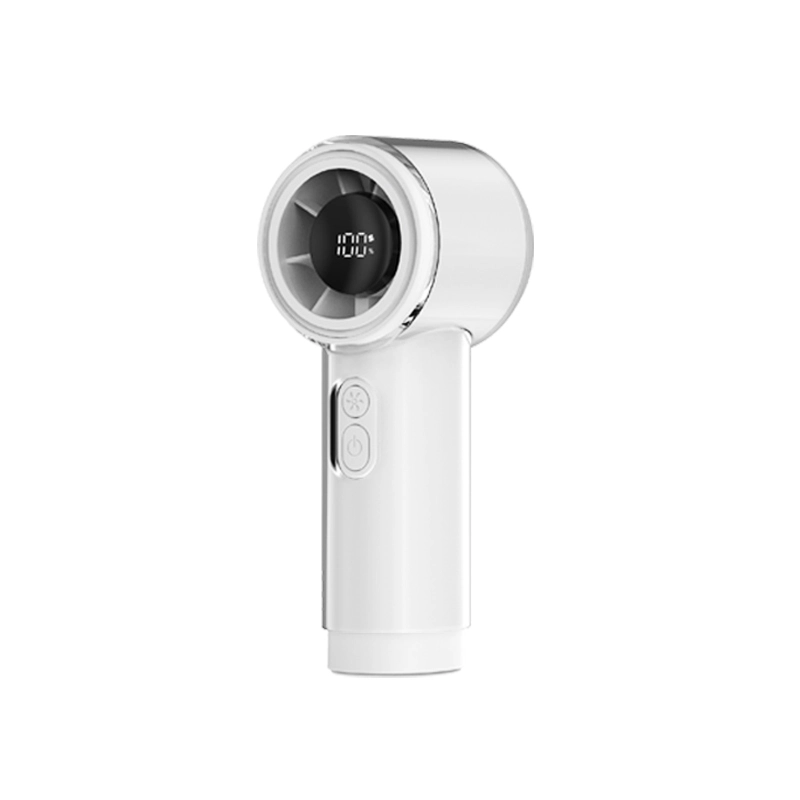
Customizable High-Speed Portable Handheld Fan FS2663
This is a high-speed, long-lasting, personalized, custom, portable cooling product specially designed for gift purchasers, cross-border e-commerce sellers, and OEM/ODM cooperation enterprises. It features (1) strong wind speed, (2) lightweight portability, (3) transparent shell design, (4) convenient carrying with a hand rope, and (5) long battery life. It helps enterprises enhance brand exposure, product differentiation competitiveness, and customer repeat purchase rate.
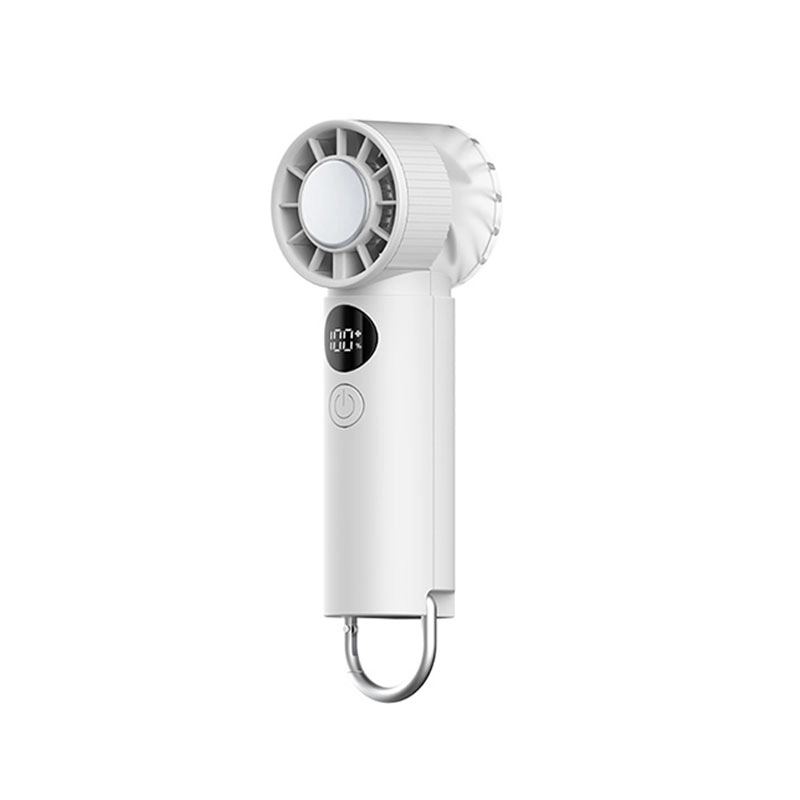
Customizable lightweight mini handheld cooling fan (with climbing hook) FS2666
A portable cooling and personalized customization product specially designed for commuters, students, the gift customization industry, and OEM/ODM buyers. It features (1) lightweight and easy portability, (2) a climbing buckle, and (3) semiconductor cooling.
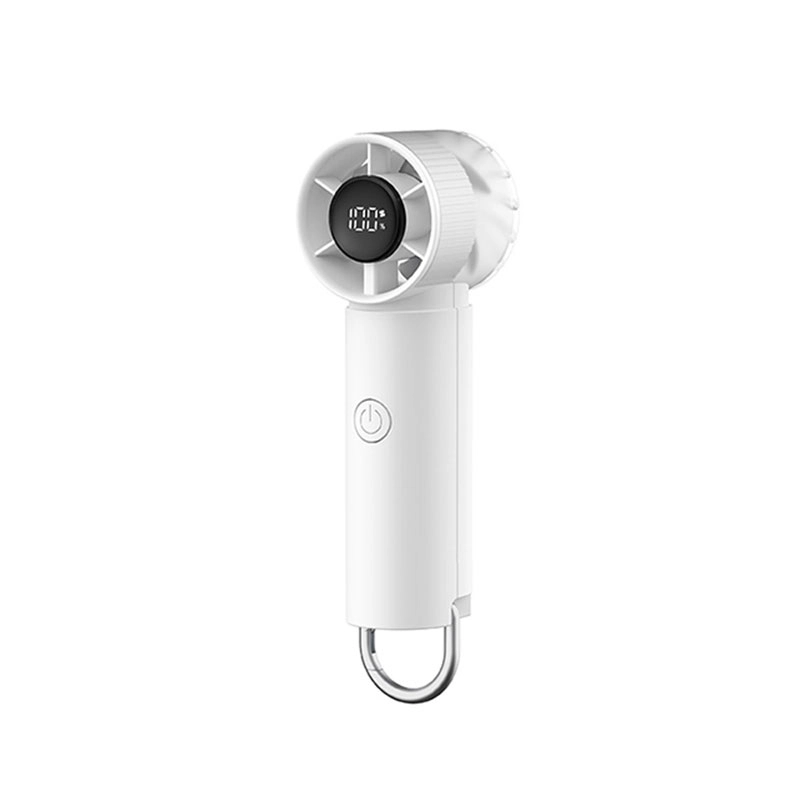
Customizable lightweight mini handheld cooling fan (with climbing hook) FS2667
This is a lightweight and portable + personalized customization product specially designed for commuters, students, the gift customization industry, and OEM/ODM buyers. It features (1) lightweight and easy portability, (2) a climbing buckle, and (3) a semi-transparent air duct design.
Get a Quote for Handheld Fan Solution
If you have any comments or good suggestions, please leave us a message; later our professional staff will contact you as soon as possible.
Contact


4th Floor, Building 3, Jurong Industrial Park, No. 27-1-1, Fu'an Industrial Zone,Leliu Town (Pancun), Shunde District, Foshan City, Guangdong Province
 Scan QR Code
YouTube
Twitter
Facebook