






Everything You Need to Know About mini portable usb fan
- Why mini portable fans are booming
- Changing user needs and micro-environments
- Low power consumption meets ubiquitous USB power
- How a mini portable USB fan works and what specs matter
- Key performance metrics: CFM, wattage, noise, and battery life
- Motor types, blade design and durability
- Charging interfaces and convenience
- Comparing types: handheld, clip-on, and neck/desk models
- Common form factors and use cases
- Feature comparison table
- Selecting the right type
- Safety, certifications and quality assurance
- Why certifications matter
- Practical safety checks for buyers
- Manufacturing and supplier considerations
- Buying, using and maintaining your mini portable USB fan
- How to choose based on real needs
- Charging, battery care and lifespan
- Cleaning and troubleshooting
- Conclusion
- Frequently Asked Questions (FAQs)
- How long will a typical mini portable USB fan run on battery?
- Are USB-powered fans safe to leave plugged in overnight?
- Can a mini portable fan cool a room?
- How to verify if a product is certified?
Mini portable USB fans are compact, low-power personal cooling devices designed for on-the-go comfort. They typically draw power from USB ports or internal batteries, offering sensible airflow for close-range use. This guide covers performance metrics (CFM, noise in dB, wattage), charging and battery standards, safety and certification expectations, and real-use buying and maintenance advice to help consumers, resellers, and OEM partners make informed decisions.
Why mini portable fans are booming
Changing user needs and micro-environments
As more people work remotely and spend time in micro-environments (home offices, outdoor cafés, commuting), demand for personal comfort devices has increased. Mini portable USB fans provide localized cooling without the energy load or installation of HVAC solutions. They are particularly useful for commuters, students, athletes, and outdoor workers.
Low power consumption meets ubiquitous USB power
Most mini USB fans operate within the power output of standard USB ports: USB 2.0 supplies up to 5V/0.5A (≈2.5W) and USB 3.0 up to 5V/0.9A (≈4.5W), while USB-C and USB Power Delivery (PD) enable higher and more flexible power profiles. For that reason, fans designed for USB are optimized for low-wattage, efficient motors and blades that produce useful airflow (close-range cooling) at 2—7W of consumption.
Reference on USB electrical specs: USB — Wikipedia.
How a mini portable USB fan works and what specs matter
Key performance metrics: CFM, wattage, noise, and battery life
When evaluating mini portable USB fans, pay attention to:
- Airflow (CFM): Cubic feet per minute indicates how much air the fan moves. Small handheld or desk USB fans commonly range from about 10 to 60 CFM depending on blade size and motor design.
- Power (W): Most USB-powered fans draw between 2W and 7W. Lower-wattage fans run cooler and are safer on low-current USB ports, while higher-wattage fans (via USB-C/PD) can generate stronger airflow.
- Noise (dB): Typical noise levels for mini fans vary from about 25 dB (very quiet) to 50 dB (noticeable). Noise increases with speed and airflow.
- Battery and runtime: Fans with integrated batteries list capacity in mAh. A 5V/2000 mAh battery corresponds roughly to 10 Wh; at 3W draw this yields ~3 hours runtime on high speed, and longer on low speeds.
Motor types, blade design and durability
Brushless DC motors (BLDC) are increasingly common in compact fans because they offer higher efficiency, longer life, and lower noise compared with brushed DC motors. Blade geometry and housing design significantly influence perceived cooling; well-engineered designs maximize directed airflow while minimizing turbulence and noise.
Charging interfaces and convenience
USB-C has become the preferred charging and powering interface for new mini portable fans because it supports reversible plugs and higher current. Fans with pass-through charging or the ability to act as a power bank (reverse power) add convenience for travel and outdoor use.
Comparing types: handheld, clip-on, and neck/desk models
Common form factors and use cases
Mini portable fans come in several popular styles:
- Handheld: Small, designed for direct use while walking or standing. Often rechargeable and pocketable.
- Clip-on/desk: Attach to desks, strollers, or shelves; provide hands-free cooling for workspaces or children.
- Neck fans/wearables: Worn around the neck for hands-free ambient cooling; usually provide broader but gentler airflow.
Feature comparison table
The following table summarizes typical ranges for small USB-powered fan types. These are representative industry ranges; individual models may vary.
| Type | Typical Power (W) | Battery (mAh) | Runtime (hrs) | Airflow (CFM) | Noise (dB) |
|---|---|---|---|---|---|
| Handheld | 2–5W | 1500–5000 mAh | 2–12 hrs | 10–40 CFM | 30–45 dB |
| Clip-on/Desk | 3–7W | 2000–8000 mAh (some without batteries) | 3–15 hrs (if rechargeable) | 20–60 CFM | 28–50 dB |
| Neck/Wearable | 2–6W | 2000–8000 mAh | 4–16 hrs | 10–35 CFM | 25–48 dB |
Selecting the right type
Choose based on activity: handheld for portability, clip/desk for workstations or baby strollers, neck fans for prolonged hands-free comfort. If you frequently use the fan near electronics, prioritize lower noise and stable mounting options.
Safety, certifications and quality assurance
Why certifications matter
Consumer electronics must meet safety and electromagnetic compatibility requirements in different markets. Reputable manufacturers test products to standards like ISO 9001 for quality management and seek region-specific certifications (CE for Europe, FCC for the U.S. for EMI/EMC considerations, UL for safety in the U.S., PSE for Japan, KC for Korea, etc.). ISO 9001 explains how quality systems are structured: ISO 9001 — ISO.
Practical safety checks for buyers
- Look for certification marks relevant to your market (CE, FCC, UL, PSE, KC).
- Check battery protection features (overcharge, over-discharge, short-circuit protection).
- Inspect build quality: secure grille, sealed battery compartments, and quality charging ports (USB-C preferred).
For broader consumer electronics guidance, see FCC consumer tips: FCC Consumer Guides. For electrical safety testing and standards information, UL provides resources: UL — Safety Science.
Manufacturing and supplier considerations
If you are an e-commerce seller or brand looking to source mini portable USB fans, prioritize factories with documented quality systems and relevant certifications. RYW Technology Co., Ltd., for example, is ISO9001-certified and holds CE, CB, UKCA, PSE, KC, UL, FCC, and CCC certifications. Their in-house R&D team and modern production lines support OEM/ODM collaboration and rapid prototyping for custom handheld fan designs.
Buying, using and maintaining your mini portable USB fan
How to choose based on real needs
Start by asking: Do I need hands-free operation? How many hours between charges? Is noise level important for my workplace? Match specifications to use case: commuters may favor compact, high-capacity-battery handheld fans; office workers often prefer quiet clip-on or desk fans; travelers may prioritize USB-C charging and foldable designs.
Charging, battery care and lifespan
Rechargeable fans typically use lithium-ion cells. To maximize battery life:
- Avoid deep discharges; recharge before the battery is completely drained.
- Store in cool, dry conditions and at about 40–60% charge if storing long-term.
- Use the recommended charger or a quality USB-C PD charger if supported; poor chargers can shorten battery life.
Cleaning and troubleshooting
Regular maintenance keeps airflow efficient and reduces noise. For most mini fans:
- Remove dust from blades and grille with a soft brush or compressed air. Always power off and unplug before cleaning.
- If performance drops, check battery health and charging cable integrity. Replace worn batteries only with manufacturer-specified cells.
- For persistent issues, contact the vendor or manufacturer—warranty-covered repairs may be preferable to DIY fixes for safety reasons.
Conclusion
Mini portable USB fans are a practical, energy-efficient solution for personal cooling across many everyday scenarios. When choosing a fan, prioritize the right form factor, airflow (CFM), noise level, battery capacity, and safety certifications. Brands and suppliers that follow robust quality systems and hold regional certifications reduce risks around safety and compliance. Whether you need a compact handheld fan for commuting or a quiet desk clip fan for focused work, understanding the specifications and trade-offs ensures you get reliable cooling performance and value.
Frequently Asked Questions (FAQs)
How long will a typical mini portable USB fan run on battery?
Runtime depends on battery capacity and fan power draw. As a rule of thumb, a 5000 mAh battery at 5V has approximately 25 Wh; with a 3W fan draw, expect roughly 8 hours on low settings and 3–4 hours on high. Real-world runtime varies with speed setting and battery health.
Are USB-powered fans safe to leave plugged in overnight?
Modern USB fans with certified battery management systems include protections against overcharging and short circuits and are generally safe to leave charging. However, avoid charging on flammable surfaces and use chargers from reputable manufacturers. Always follow the manufacturer’s instructions.
Can a mini portable fan cool a room?
No. Mini portable USB fans provide localized, personal cooling by increasing convective heat loss from the skin. They do not lower room temperature the way an air conditioner does. Use them to stay comfortable in small personal zones rather than for whole-room cooling.
How to verify if a product is certified?
Ask for documentation (test reports or certification numbers) from the manufacturer or supplier. Check certification bodies’ databases when possible (e.g., UL’s Online Certifications Directory) and ensure the marks correspond to your target market requirements.
For OEM or ODM needs, manufacturing partnerships, or certification questions, contact RYW Technology Co., Ltd. at adrian@rywlife.com.
Top 10 mini fan Manufacturers and Supplier Brands
Tips for buy best portable usb fan from China
Top best mini fan portable Manufacturers and Suppliers
Tips for buy best small portable fan from China
About Customization
What is the MOQ for custom logo?
Can we do our logo on the machine?
About Cooperation
Can I arrange a visit to the factory?
About Logistics
What payment methods do you accept?
Do you offer freight forwar ding support?
You May Also Like
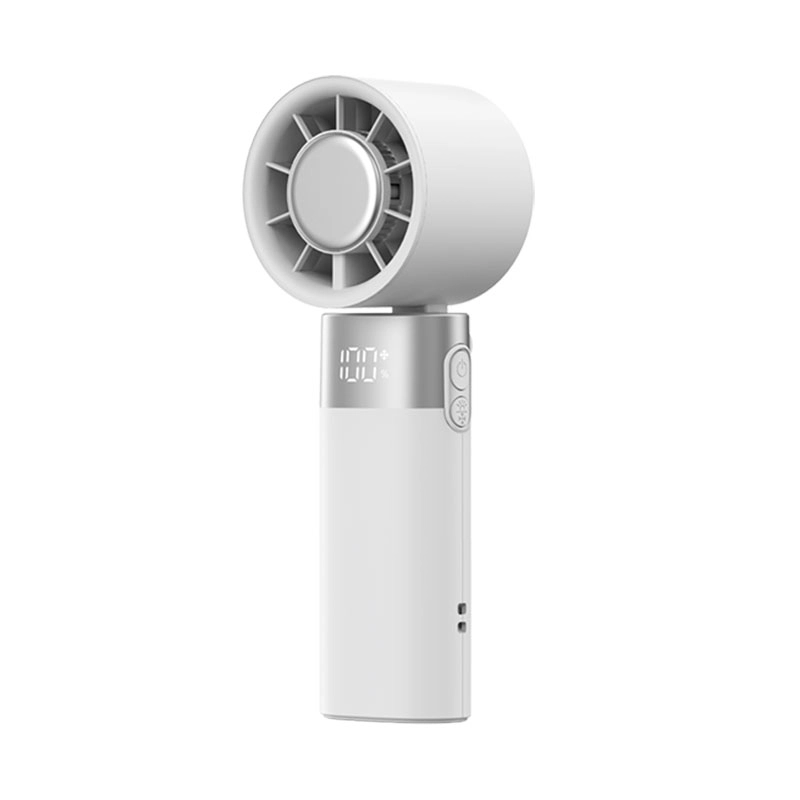
Reliable Handheld Cooling Solution for Bulk & Corporate Purchases
This premium handheld fan is designed for high-frequency, large-volume usage, making it an ideal cooling solution for corporate procurement, promotional distribution, employee welfare programs, and retail wholesale.
With stable airflow performance, a rechargeable design, and lightweight portability, it helps businesses deliver practical comfort products with strong perceived value while maintaining cost efficiency and supply reliability.
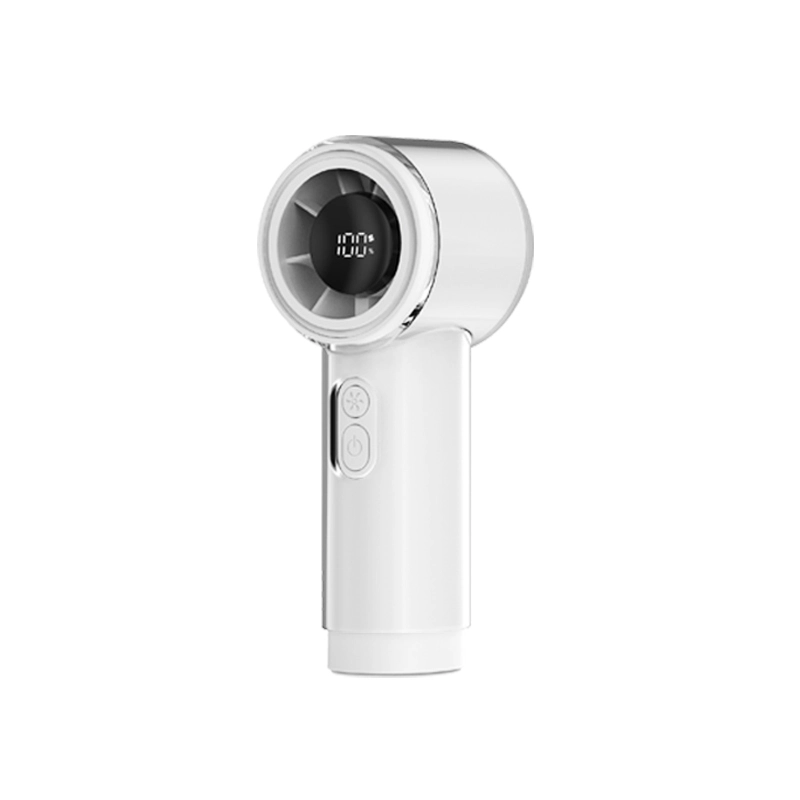
Customizable High-Speed Portable Handheld Fan FS2663
This is a high-speed, long-lasting, personalized, custom, portable cooling product specially designed for gift purchasers, cross-border e-commerce sellers, and OEM/ODM cooperation enterprises. It features (1) strong wind speed, (2) lightweight portability, (3) transparent shell design, (4) convenient carrying with a hand rope, and (5) long battery life. It helps enterprises enhance brand exposure, product differentiation competitiveness, and customer repeat purchase rate.
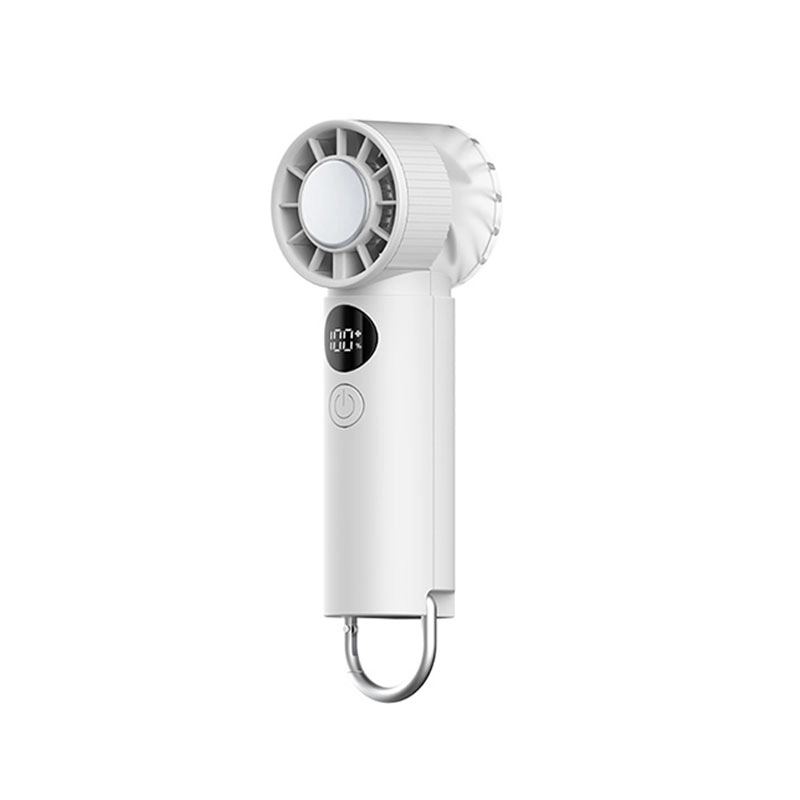
Customizable lightweight mini handheld cooling fan (with climbing hook) FS2666
A portable cooling and personalized customization product specially designed for commuters, students, the gift customization industry, and OEM/ODM buyers. It features (1) lightweight and easy portability, (2) a climbing buckle, and (3) semiconductor cooling.
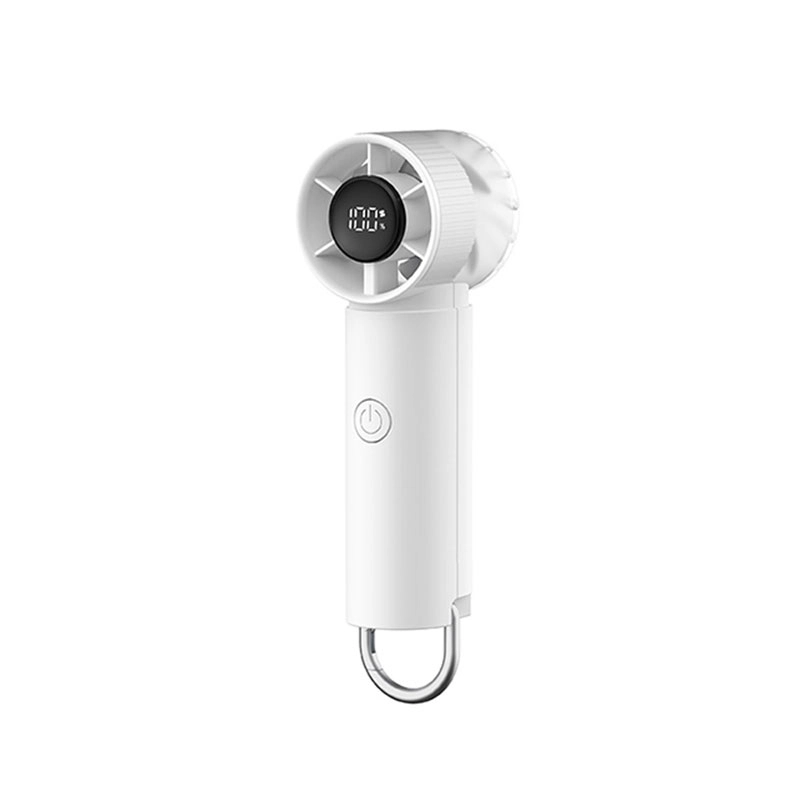
Customizable lightweight mini handheld cooling fan (with climbing hook) FS2667
This is a lightweight and portable + personalized customization product specially designed for commuters, students, the gift customization industry, and OEM/ODM buyers. It features (1) lightweight and easy portability, (2) a climbing buckle, and (3) a semi-transparent air duct design.
Get a Quote for Handheld Fan Solution
If you have any comments or good suggestions, please leave us a message; later our professional staff will contact you as soon as possible.
Contact


4th Floor, Building 3, Jurong Industrial Park, No. 27-1-1, Fu'an Industrial Zone,Leliu Town (Pancun), Shunde District, Foshan City, Guangdong Province
 Scan QR Code
YouTube
Twitter
Facebook