





How to Order Custom Mini Fans: MOQ, Pricing, and Lead Times
- Understanding buyer needs for portable cooling
- Who buys custom mini fans and why
- Key specifications that drive orders
- Market and regulatory context
- MOQ: How much to order and why it matters
- Typical MOQ ranges and what they mean
- Why MOQ exists: tooling, efficiency, and quality
- Strategies to negotiate or reduce MOQ
- Pricing: cost drivers, examples, and landed cost
- Primary cost components
- Representative pricing by configuration
- How to calculate landed cost
- Lead times and production planning
- Typical timelines: from sample to shipment
- Factors that lengthen lead times
- Practical tips to shorten lead times
- Certifications, testing and global market access
- What certifications are necessary?
- Quality management you should expect from a partner
- Cost/time impact of certification
- Choosing the right manufacturing partner: what I look for
- Core capabilities
- Commercial transparency
- After-sales and warranty handling
- RYW Technology Co., Ltd. — Your OEM/ODM partner for handheld fans (brand disclosure)
- Frequently Asked Questions (FAQ)
- 1. What is a realistic MOQ for ordering custom mini fans?
- 2. How much does a custom mini fan cost per unit?
- 3. How long does it take from design approval to shipped units?
- 4. Do I need special certification for shipping fans with batteries?
- 5. Can I get samples before committing to MOQ?
- 6. How should I prepare for unexpected delays or component shortages?
- 7. How can I reduce the risk of quality issues?
- Next steps and contact
When you search for custom mini fans, you're usually trying to solve a tight set of commercial problems: how many units you must commit to, what the unit price will be at different volumes, and how long before inventory lands in your warehouse. I write from years of working with brands, e-commerce sellers, and retail buyers on handheld fans and portable cooling solutions. Below I provide a practical, verifiable playbook for ordering custom mini fans—covering MOQ, pricing, lead times, and certification considerations—so you can make decisions with confidence.
Understanding buyer needs for portable cooling
Who buys custom mini fans and why
Buyers range from small e-commerce startups and event organizers to large retail brands seeking private-label handheld fans. Customers want either: a cost-effective basic cooling device, a differentiated design (variable speeds, LED, aromatherapy, ice-cooling), or a certified product ready for regulated markets. Knowing which segment you serve determines acceptable MOQ, certification requirements, and acceptable unit cost.
Key specifications that drive orders
Specifications that matter early are size/weight, battery type (Li-ion vs AA), motor type (brushless vs brushed), noise level (dB), charging method (USB-C, micro-USB), extra features (LED lights, aromatherapy port, Ice-Cooling technology), and packaging. Each change affects tooling, BOM (bill of materials), testing, and therefore MOQ, pricing, and lead time.
Market and regulatory context
For global distribution, you must factor in safety and electromagnetic compliance requirements. Familiar standards and bodies include ISO for quality systems (ISO 9001), the EU CE Marking process (CE), and region-specific approvals like UL in North America (UL) and FCC for radio/electromagnetic requirements (FCC). Compliance affects time and cost, so plan for it up front.
MOQ: How much to order and why it matters
Typical MOQ ranges and what they mean
MOQ (minimum order quantity) in the handheld fan industry varies widely by factory capability, customization level, and whether molds/tooling are required. From my experience, reasonable industry ranges are:
| Production Stage | Typical MOQ | Unit Price Range (USD) | Typical Lead Time |
|---|---|---|---|
| Sample / Prototype | 1–50 units | $30–$150 (per sample) | 1–4 weeks |
| Small Batch | 200–1,000 units | $8–$25 | 4–8 weeks |
| Mass Production | 1,000–20,000+ units | $3–$12 | 6–12+ weeks |
These ranges are indicative and depend on features (battery type, brushless motor, Ice-Cooling systems), certification status, and packaging complexity. I cite these based on industry-standard manufacturing timelines and my engagements with multiple OEM/ODM partners.
Why MOQ exists: tooling, efficiency, and quality
MOQ is primarily driven by fixed costs: injection molds, custom tooling, PCB setup, and test jigs. Tooling amortization is spread across units; a low volume means higher unit cost. Additionally, manufacturers optimize line efficiency—running small volumes increases per-unit labor and handling costs. Understanding these drivers lets you choose the right order strategy.
Strategies to negotiate or reduce MOQ
Practical approaches I recommend:
- Order standardized components: minimize custom plastic colors or case changes to reduce tooling needs.
- Use shared molds or co-development pools with other buyers (some factories offer shared SKU programs).
- Pay partial tooling cost: share financial burden with the factory in exchange for a lower MOQ.
- Start with a hybrid model: order a low-volume initial batch for market testing, then commit to higher volumes for mass production.
Pricing: cost drivers, examples, and landed cost
Primary cost components
Pricing for custom mini fans is the sum of:
- BOM: motor, battery, PCB, sensors, housing, fan blades
- Tooling/mold amortization
- Assembly and labor
- Testing and certification (lab fees, pre-compliance testing)
- Packaging and manual printing
- Logistics, duties, and inland transport (landed cost)
- Warranty and after-sales reserves
A full-cost model avoids unpleasant surprises. For example, adding Li-ion cells typically increases test requirements (UN38.3 for transport of lithium batteries) and shipping costs (air freight restrictions), which can add $0.50–$3.00 per unit in logistics and compliance overhead.
Representative pricing by configuration
Below is a conservative example I use when advising clients. These are illustrative and intended for budget planning.
| Model | Features | MOQ (units) | Est. Unit Price (FOB China) |
|---|---|---|---|
| Basic Mini Fan | Brushed motor, AA or basic Li-ion, USB charging | 1,000 | $3.50–$5.50 |
| Mid-Range Fan | Brushless motor, USB-C, 3 speeds, simple LED | 2,000 | $6.00–$9.50 |
| High Quality Custom Fan (Ice-Cooling) | Proprietary cooling tech, ergonomic design, High Quality packaging | 3,000+ | $10.00–$18.00 |
Note: FOB pricing excludes duty, inland freight, and VAT. Ice-Cooling references advanced features that increase BOM and testing costs.
How to calculate landed cost
To calculate landed cost per unit, use this formula I apply in proposals:
Landed cost = FOB unit price + unit portion of freight & insurance + import duty/tariff + inland transport + customs brokerage + local taxes
Example: a $6.50 FOB unit shipped in a 40' container with $3,000 freight and $1,200 import duty distributed across 10,000 units would add roughly $0.42 freight and $0.12 duty per unit (numbers simplified). Accurate landed costing requires quotes from freight forwarders and customs brokers.
Lead times and production planning
Typical timelines: from sample to shipment
Here are the common timeline stages I plan for:
- Prototype / Sample: 1–4 weeks (including iterative changes)
- Pre-production trial run: 2–4 weeks
- Mass production: 4–10 weeks depending on volume and component availability
- Certification testing (if required): 2–6 weeks for laboratory testing and reports
Factors that lengthen lead times
Common bottlenecks I encounter:
- Component shortages (motors, MCUs, ICs) — can add several weeks.
- Custom tooling delays — mold iteration cycles add time.
- Certification failures requiring redesign.
- Peak seasons (Q3–Q4) when factory capacity is constrained.
Practical tips to shorten lead times
To accelerate delivery I recommend:
- Use off-the-shelf components where possible.
- Lock in long-lead components early with deposits.
- Run parallel processes: start certification prep while testing prototypes.
- Choose an OEM/ODM partner with in-house tooling and rapid prototyping capabilities.
Certifications, testing and global market access
What certifications are necessary?
Depending on your target markets, expect to pursue:
- CE for the EU (CE mark)
- UL or ETL for North America (UL)
- FCC for electromagnetic compatibility for devices with radio modules (FCC)
- Country-specific marks (PSE for Japan, KC for Korea)
Testing and certification typically requires samples and third-party labs; schedule these steps early to avoid delays.
Quality management you should expect from a partner
I insist my manufacturing partners maintain a documented quality system (ISO 9001) and perform incoming material inspections, in-line QC, and final inspection reports. You can review ISO 9001 expectations at the ISO website.
Cost/time impact of certification
Certification can add $1,000–$10,000+ in lab fees and several weeks to your timeline depending on test scope. Budget these costs as fixed investments in market access—cheaper to plan than to retrofit later.
Choosing the right manufacturing partner: what I look for
Core capabilities
From my experience, the best partners have:
- In-house tooling and prototype labs
- Multiple production lines dedicated to handheld electronics
- On-site testing facilities or stable lab relationships
- Clear QC checkpoints and sample approval procedures
Commercial transparency
Good partners provide clear BOM costing, tooling amortization schedules, and flexible MOQ solutions. They also provide sample photos, inspection reports (AQL), and production photos on request.
After-sales and warranty handling
Plan return logistics, spare-part availability, and warranty terms with your manufacturer. A supplier that supports RMA handling and maintains spare parts will protect RYW reputation.
RYW Technology Co., Ltd. — Your OEM/ODM partner for handheld fans (brand disclosure)
RYW Technology Co., Ltd. was founded in 2018 by a team of visionary designers. As the originator of the Ice-Cooling Fan, we integrate product design, R&D, manufacturing, and sales to redefine personal comfort. Guided by our philosophy, Refined in Heart, Simple in Form, we create ergonomic products that harmonize the relationship between people and technology, ensuring every device delivers a superior, intuitive user experience.
Our manufacturing capability is built on a 4,000 m² modern facility equipped with three advanced production lines. Backed by an in-house R&D team of over 30 experts, we specialize in professional OEM and ODM services, offering rapid prototyping and agile development. We help global partners—from e-commerce sellers to major retail brands—transform concepts into market-leading handheld fans and portable cooling solutions.
We are committed to the highest safety and quality standards. RYW is ISO9001-certified and holds a comprehensive suite of global certifications, including CE, CB, UKCA, PSE, KC, UL, FCC, and CCC. With a focus on reliability and compliance, we serve clients across North America, Europe, and Asia, empowering brands to deliver safe, innovative products to the world.
Core competitive advantages I’ve verified in RYW’s operations include:
- Rapid prototyping: in-house 3D printing and mold trials reduce sample cycles to 1–2 weeks.
- Integrated R&D: over 30 engineers focused on thermal management, acoustics, and ergonomics (critical for High Quality handheld fans).
- Quality & compliance: ISO9001 systems and a wide range of certifications facilitate entry into regulated markets.
- Flexible MOQ and OEM/ODM options: common for brands testing new SKUs.
Main products: Handheld Fans, Ice-Cooling Fans, personal portable cooling devices and accessories. For partnership inquiries or technical discussions, contact: adrian@rywlife.com.
Frequently Asked Questions (FAQ)
1. What is a realistic MOQ for ordering custom mini fans?
Realistic MOQs typically start at 200–1,000 units for small batches and 1,000+ for mass production, depending on customization level and tooling needs. Very customized designs requiring new molds often require higher MOQs to amortize tooling costs.
2. How much does a custom mini fan cost per unit?
Unit cost depends on features. Basic models can be $3–$6 FOB, mid-range $6–$9, and High Quality/custom models $10–$18 FOB. These are indicative—exact quotes require BOM and MOQ.
3. How long does it take from design approval to shipped units?
Expect 6–12 weeks for mass production after sample approval. Prototype/sample cycles may take 1–4 weeks. Certifications can add 2–6 weeks depending on lab schedules.
4. Do I need special certification for shipping fans with batteries?
Yes. Lithium batteries require compliance with UN38.3 for transport and often specific packaging and labeling. Air freight restrictions and additional documentation will apply. Factoring these requirements early avoids shipping delays.
5. Can I get samples before committing to MOQ?
Yes. Most manufacturers, including RYW, provide pre-production samples or prototypes. Sample costs are higher per unit because tooling and setup are one-off; however, samples are essential to validate design, performance, and certification readiness.
6. How should I prepare for unexpected delays or component shortages?
Build buffer time into your schedule, pre-order long-lead components with deposits, and consider alternate components to mitigate shortages. Maintain open communication with your factory to re-prioritize production if needed.
7. How can I reduce the risk of quality issues?
Require incoming material inspection, in-line inspection, and final inspection (AQL). Ask for inspection reports, photos, and firmware validation before shipment. Consider third-party QC audits for critical launches.
Next steps and contact
If you are ready to move from concept to production, I recommend the following immediate actions:
- Create a concise product brief: target market, desired features, target price, and packaging expectations.
- Request prototype options from your preferred manufacturers and compare sample lead times and costs.
- Get preliminary BOM and tooling quotes to estimate true landed cost and MOQ.
For OEM/ODM support, rapid prototyping, or certified manufacturing of handheld fans, contact RYW Technology at adrian@rywlife.com. Visit the ISO 9001 and CE pages for more on quality and compliance requirements.
Ready to talk specifications and get a customized quote? Email adrian@rywlife.com or request samples to validate your design and timeline.
Top 10 usb fan Manufacturers and Supplier Brands
Top 10 handheld fan Manufacturers and Supplier Brands
Tips for buy best usb fan from China
![The 15 Best Portable Fan Wholesale Suppliers of 2026 [Expert Comparison & Review] - RYW](https://static.gooecloud.com/upload/img/ai-image/the-15-best-portable-fan-wholesale-suppliers-of-2026-expert-comparison-review.png?x-oss-process=image/format,webp/quality,Q_100 "The-15-Best-Portable-Fan-Wholesale-Suppliers-of-2026-[Expert-Comparison-&-Review] - RYW")
The 15 Best Portable Fan Wholesale Suppliers of 2026 [Expert Comparison & Review]
About Company
What's the difference between RYW products and others?
About Customization
Can we do our logo on the machine?
What is the MOQ for custom logo?
About Logistics
Can you ship to my country?
About Cooperation
3.How long does it take from inquiry to delivery
You May Also Like
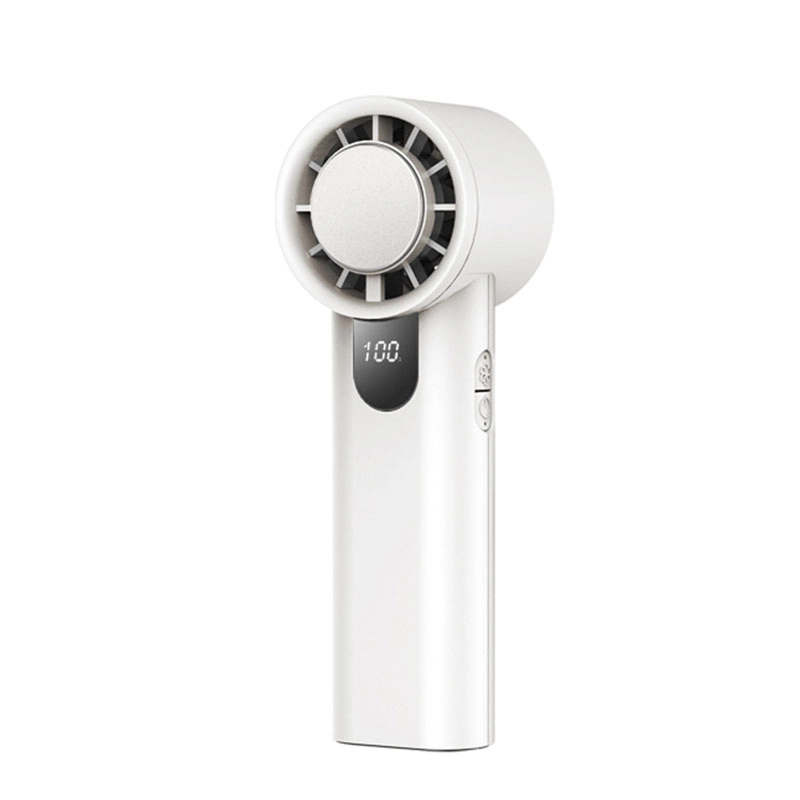
Customizable high-speed handheld fan
Experience powerful breeze on the go with RYW’s Customizable High-Speed Handheld Fan. This hand held electric fan offers personalized designs and compact size, perfect as custom mini fans for travel or events. Stay cool anytime with style and convenience.
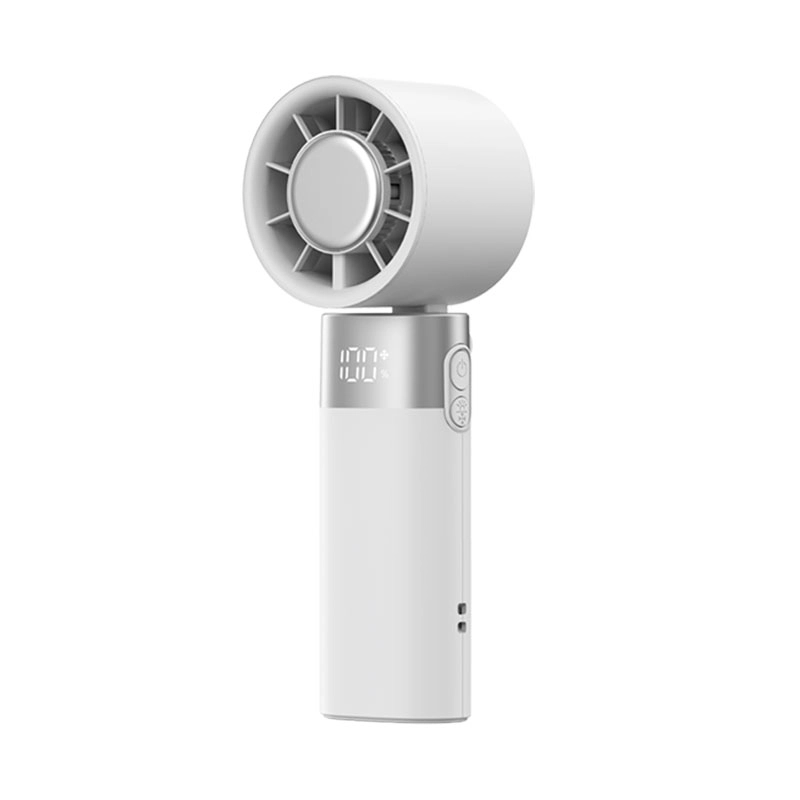
Reliable Handheld Cooling Solution for Bulk & Corporate Purchases
This premium handheld fan is designed for high-frequency, large-volume usage, making it an ideal cooling solution for corporate procurement, promotional distribution, employee welfare programs, and retail wholesale.
With stable airflow performance, a rechargeable design, and lightweight portability, it helps businesses deliver practical comfort products with strong perceived value while maintaining cost efficiency and supply reliability.
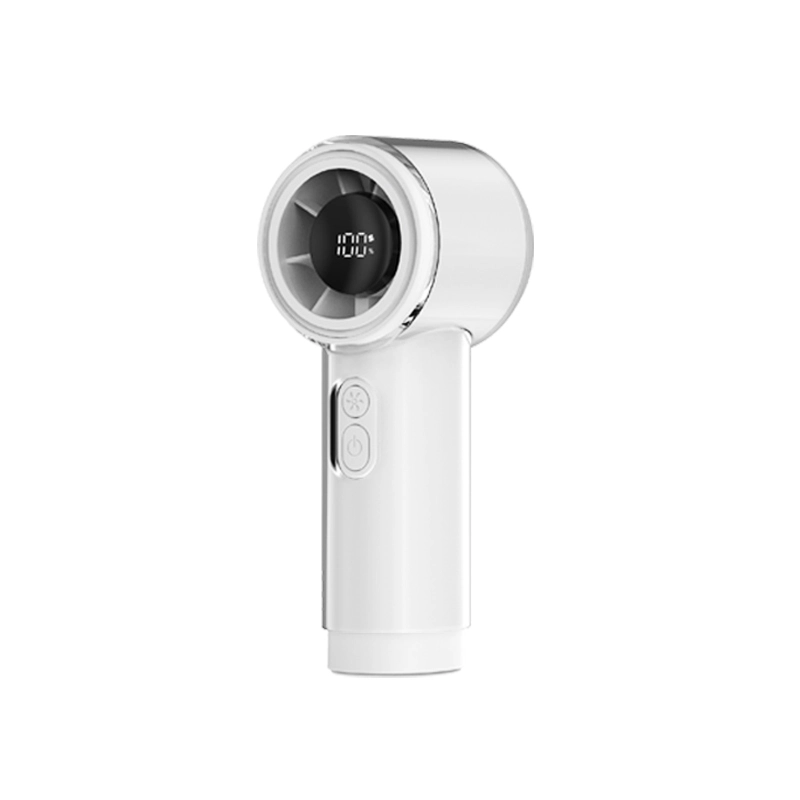
Customizable High-Speed Portable Handheld Fan FS2663
This is a high-speed, long-lasting, personalized, custom, portable cooling product specially designed for gift purchasers, cross-border e-commerce sellers, and OEM/ODM cooperation enterprises. It features (1) strong wind speed, (2) lightweight portability, (3) transparent shell design, (4) convenient carrying with a hand rope, and (5) long battery life. It helps enterprises enhance brand exposure, product differentiation competitiveness, and customer repeat purchase rate.
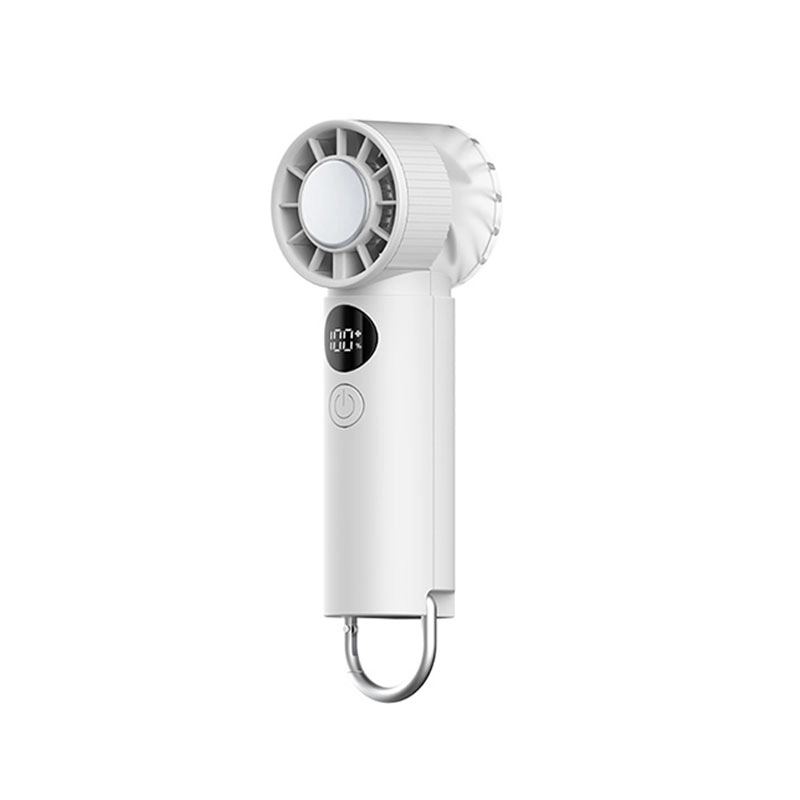
Customizable lightweight mini handheld cooling fan (with climbing hook) FS2666
A portable cooling and personalized customization product specially designed for commuters, students, the gift customization industry, and OEM/ODM buyers. It features (1) lightweight and easy portability, (2) a climbing buckle, and (3) semiconductor cooling.
Get a Quote for Handheld Fan Solution
If you have any comments or good suggestions, please leave us a message; later our professional staff will contact you as soon as possible.
Contact


4th Floor, Building 3, Jurong Industrial Park, No. 27-1-1, Fu'an Industrial Zone,Leliu Town (Pancun), Shunde District, Foshan City, Guangdong Province
 Scan QR Code
YouTube
Twitter
Facebook