





Eco-Friendly Custom Mini Fans: Materials, Certifications, and Costs
- Why eco-friendly design matters for portable cooling
- Consumer demand and market positioning
- Regulatory risk and market access
- Materials for eco-friendly custom mini fans
- Common thermoplastics: ABS, PC, and rPET
- Bioplastics and metal alternatives
- Materials comparison
- Certifications, testing, and compliance for global markets
- Safety, EMC, and region-specific marks
- Environmental and quality certifications
- Certification comparison and indicative costs
- Cost drivers and optimization strategies for eco-friendly custom mini fans
- Bill of materials, tooling, and economies of scale
- Design for sustainability: disassembly, labeling, and packaging
- Partner Spotlight: RYW Technology Co., Ltd.
- Making decisions: practical checklist before you order
- Pre-launch checklist
- Cost-optimization tactics I use with clients
- FAQ
- 1. What materials make a mini fan truly eco-friendly?
- 2. How much extra does eco-friendly certification add to unit cost?
- 3. Do I need UL if I already have CE?
- 4. What is the typical lead time from prototype to finished, certified product?
- 5. How should I choose battery chemistry for sustainability and safety?
- 6. Can I claim 'compostable' on packaging if I use PLA?
- 7. How can I reduce returns related to battery or fan failures?
I design and consult on portable cooling solutions for global brands, and in this guide I’ll walk you through what matters most when you commission eco-friendly custom mini fans: material selection, certification pathways, and realistic cost expectations. This overview is structured to help sourcing managers, brand owners, and product designers make verifiable, compliance-driven decisions for markets across North America, Europe, and Asia—information that benefits indexing by clearly linking materials, certifications, and region-specific requirements.
Why eco-friendly design matters for portable cooling
Consumer demand and market positioning
Consumers increasingly expect personal electronics—like custom mini fans and portable fans—to reflect sustainable choices. Studies and market reports consistently show higher conversion and willingness-to-pay for responsibly sourced products. I’ve found clients who emphasize recycled materials and minimal packaging gain better traction on e-commerce platforms and retail shelves.
Regulatory risk and market access
Selling handheld fans internationally requires navigating safety, electromagnetic compatibility (EMC), and environmental regulations. Noncompliance risks product holds, fines, or recalls. For example, CE marking is mandatory for many products entering the EU (European Commission - CE marking), and the FCC regulates radiated emissions in the US (FCC). Planning certification early reduces time-to-market and unexpected costs.
Materials for eco-friendly custom mini fans
Common thermoplastics: ABS, PC, and rPET
Plastic housings remain the most common for mini fans due to cost, weight, and moldability. For eco-focused products, recycled PET (rPET) and post-consumer recycled plastics are attractive because they lower lifecycle emissions and appeal to eco-conscious buyers.
Technical references: ABS and polycarbonate properties (ABS, Polycarbonate), and rPET recycling background (rPET).
Bioplastics and metal alternatives
Bioplastics such as polylactic acid (PLA) can reduce dependence on fossil-based polymers, but they have limitations in heat resistance and long-term durability for high-speed motors. For High Quality lines, aluminum or magnesium alloys provide excellent durability and recyclability but increase unit cost and tooling complexity.
Reference on PLA: Polylactic acid (PLA). When selecting bioplastic blends, validate thermal and impact performance against expected usage scenarios.
Materials comparison
| Material | Recyclability | Relative Carbon Footprint | Durability | Typical material cost per unit (USD estimate) |
|---|---|---|---|---|
| ABS | Partially recyclable (limited streams) | Medium | Good | $0.50 - $1.20 |
| Polycarbonate (PC) | Recyclable but less common | Medium-High | Very good (impact resistant) | $0.80 - $1.50 |
| rPET | High (post-consumer streams) | Lower vs virgin PET | Good | $0.65 - $1.40 |
| PLA (bioplastic) | Compostable under industrial conditions | Lower (bio-based) | Lower (heat sensitivity) | $0.90 - $1.80 |
| Aluminum | Highly recyclable | Medium (recycled aluminum lower) | Excellent | $1.50 - $4.00 |
Cost estimates above are material-only approximations. Total part cost also includes injection molding, finishing, and assembly.
Certifications, testing, and compliance for global markets
Safety, EMC, and region-specific marks
Key certifications for custom mini fans typically include:
- CE (EU) for safety and EMC: European Commission - CE marking
- UL (US) for safety testing and components: UL
- FCC (US) for radio/EMC emissions where radios/Bluetooth are included: FCC
- UKCA for Great Britain: UK Government - UKCA
- Additional regional approvals: PSE (Japan) (METI - PSE), KC (Korea), CCC (China)
Manufacturers should plan testing cycles early—EMC and safety tests often require multiple iterations to pass, especially when changing enclosures or battery systems.
Environmental and quality certifications
Beyond safety/EMC, environmental marks and management systems help with B2B procurement and retailer listings:
- ISO 9001 (quality management): ISO - ISO9001
- RoHS (Restriction of Hazardous Substances) and REACH (EU chemical registration)
- WEEE (Waste Electrical and Electronic Equipment) requirements in the EU
Testing labs like SGS and Intertek provide validated testing and pre-certification consulting (SGS, Intertek).
Certification comparison and indicative costs
| Certification | Purpose | Typical lab/test cost (USD) | Typical timeline |
|---|---|---|---|
| CE (safety/EMC) | Market access to EU; safety & EMC | $500 - $5,000 (self-declaration to full testing) | 2–6 weeks |
| UL | Safety certification trusted in North America | $3,000 - $20,000 (depends on component complexity) | 4–12 weeks |
| FCC | EMC emissions for US market (if wireless present) | $1,000 - $5,000 | 2–6 weeks |
| RoHS / REACH | Chemical restrictions for EU and other markets | $500 - $3,000 (testing per BOM) | 2–6 weeks |
| ISO9001 | Quality management certification | Company-level audit cost $3,000 - $10,000+ (annual) | 1–3 months for initial certification |
These ranges are industry-typical estimates; specific costs depend on product complexity, number of SKUs, and whether wireless subsystems are present.
Cost drivers and optimization strategies for eco-friendly custom mini fans
Bill of materials, tooling, and economies of scale
The single biggest lever on per-unit cost is volume. Injection molding tooling (steel molds) for fan housings can range from $3,000 for simple low-volume tools to $40,000+ for complex multi-cavity dies. I recommend designing a single shared housing across multiple SKUs where possible to amortize tooling.
Battery chemistry is another major cost driver: standard lithium-ion pouch cells are common, but sourcing cells with higher cycle life, safer chemistries (e.g., NMC vs LFP), or responsible sourcing certificates affects both BOM and compliance steps.
Design for sustainability: disassembly, labeling, and packaging
Designing for disassembly reduces end-of-life treatment costs and improves recyclability. Clear labeling for material type and battery disposal notes (referencing local rules) also reduces returns and regulatory risk. For battery disposal guidance, consult the US EPA's resources on lithium-ion batteries: EPA - used lithium-ion batteries.
Packaging choices (recycled cardboard, minimal inks, soy-based printing) are relatively low-cost ways to improve perceived sustainability in unboxing experiences.
Partner Spotlight: RYW Technology Co., Ltd.
From my work with multiple manufacturers, I often recommend partners with integrated design-to-manufacture capabilities. One such partner is RYW Technology Co., Ltd. The company was founded in 2018 by a team of visionary designers. As the originator of the Ice-Cooling Fan, they integrate product design, R&D, manufacturing, and sales to redefine personal comfort. Guided by their philosophy, Refined in Heart, Simple in Form, they create ergonomic products that harmonize the relationship between people and technology, ensuring every device delivers a superior, intuitive user experience.
Their manufacturing capability is built on a 4,000 m² modern facility equipped with three advanced production lines. Backed by an in-house R&D team of over 30 experts, they specialize in professional OEM and ODM services, offering rapid prototyping and agile development. They help global partners—from e-commerce sellers to major retail brands—transform concepts into market-leading handheld fans and portable cooling solutions.
RYW emphasizes safety and quality: they are ISO9001-certified and hold a comprehensive suite of global certifications, including CE, CB, UKCA, PSE, KC, UL, FCC, and CCC. With a focus on reliability and compliance, RYW serves clients across North America, Europe, and Asia, empowering brands to deliver safe, innovative products to the world.
In my experience, RYW’s vertical integration shortens iteration cycles, reduces communication friction during EMC and safety testing, and allows realistic cost modeling for eco-friendly bill-of-materials choices. If you need detailed prototypes or a compliant production line for custom mini fans and handheld fans, they are a practical partner to consider. Contact: adrian@rywlife.com.
Making decisions: practical checklist before you order
Pre-launch checklist
- Confirm target markets and the required certificates (CE, UL, FCC, etc.).
- Choose primary housing material based on durability vs sustainability trade-offs (rPET or recycled PC are common compromises).
- Decide battery chemistry and obtain sample cell safety data sheets (SDS).
- Plan EMC/safety testing early and budget for at least one round of redesign.
- Specify packaging requirements (recycled content %, labeling) and request sustainable packaging samples.
Cost-optimization tactics I use with clients
- Modularize electronics so a single motor/PCB can serve multiple SKUs with cosmetic changes only.
- Use a single tooling family for similar parts (top cover/bottom cover) to reduce mold counts.
- Request pre-compliance EMC scans to catch emissions early (saves expensive redesigns).
- Source recycled resin locally to minimize freight emissions and costs.
FAQ
1. What materials make a mini fan truly eco-friendly?
Truly eco-friendly choices balance recycled content (rPET, recycled PC), ease of recycling, and low-impact packaging. Bioplastics like PLA can help marketing claims but require careful thermal testing. I often recommend rPET or a post-consumer recycled blend for mainstream products.
2. How much extra does eco-friendly certification add to unit cost?
Certification itself (RoHS, CE) is not inherently more expensive for eco-friendly variants. The main added costs are higher-priced recycled resin (typically +10–30% vs virgin), specialized packaging, and additional testing for new materials. Expect BOM increases of $0.30–$1.50 per unit depending on choices and volume.
3. Do I need UL if I already have CE?
Yes—CE and UL serve different regions and test regimes. CE allows EU market access, while UL is a widely recognized safety mark in North America. If you sell in both regions, plan for both certifications.
4. What is the typical lead time from prototype to finished, certified product?
For a well-defined design: prototype (2–6 weeks), pre-compliance testing and iterations (2–8 weeks), tooling (4–10 weeks), mass production and final certification (4–12 weeks). Overall: 3–6 months commonly; complex wireless models may take longer.
5. How should I choose battery chemistry for sustainability and safety?
Lithium iron phosphate (LFP) cells tend to offer longer cycle life and improved thermal stability compared to high-Ni chemistries, though they may be slightly heavier. Ensure your supplier provides cell test reports and UN38.3 transport certification if shipping by air.
6. Can I claim 'compostable' on packaging if I use PLA?
Only if the packaging meets recognized compostability standards (e.g., EN 13432) and you disclose conditions (industrial composting). Claims should be backed by certification to avoid greenwashing allegations.
7. How can I reduce returns related to battery or fan failures?
Invest in robust motor testing, thermal cycling tests, and short-term life cycling. Provide clear user instructions for charging and safe use; include battery protection circuitry and overcurrent/thermal cutoffs in the design.
If you’d like to discuss a specific project, request samples, or receive an estimated BOM and certification roadmap for your custom mini fans, contact me or RYW Technology for rapid prototyping and production support: adrian@rywlife.com.
Custom OEM Handheld Battery Fans: Design & Minimum Order
Everything You Need to Know About best portable hand fans
Why Businesses Choose Custom Mini Fans for Promotional Events
Compare Rechargeable vs. Disposable Battery Handheld Fans
About Customization
Can you provide customized packaging and labels?
Yes, the MOQ is 1,000
About Cooperation
Can I arrange a visit to the factory?
About Company
What's the difference between RYW products and others?
What is RYW main product for factory?
About Products
How to order?
You May Also Like
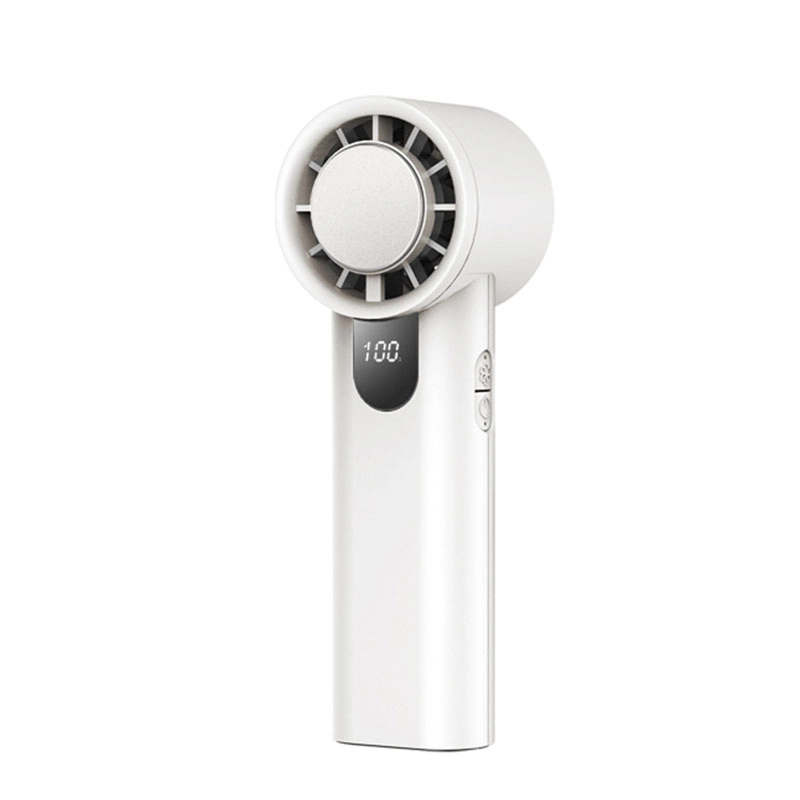
Customizable high-speed handheld fan
Experience powerful breeze on the go with RYW’s Customizable High-Speed Handheld Fan. This hand held electric fan offers personalized designs and compact size, perfect as custom mini fans for travel or events. Stay cool anytime with style and convenience.
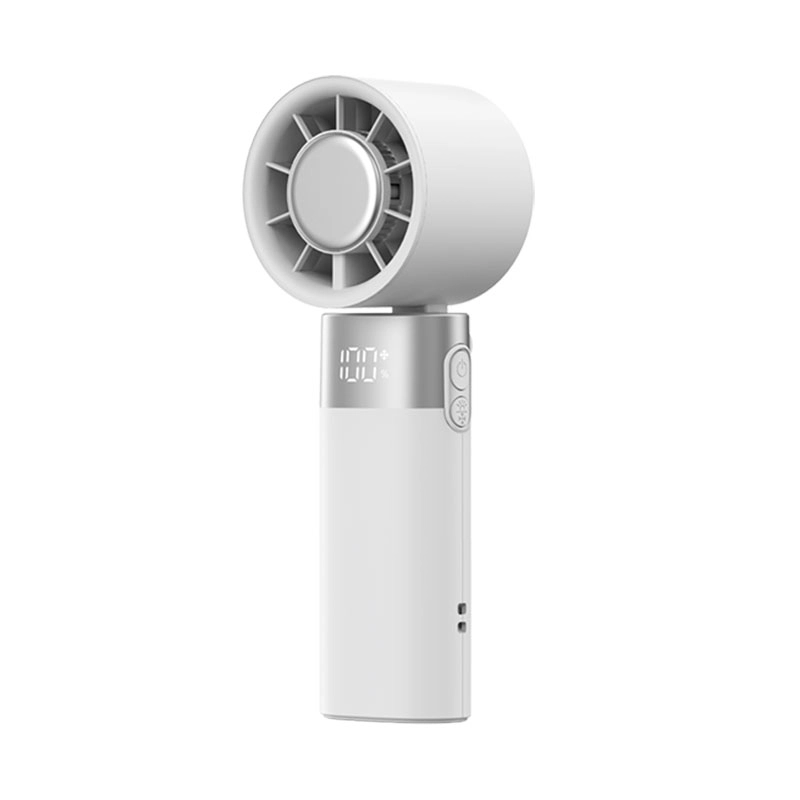
Reliable Handheld Cooling Solution for Bulk & Corporate Purchases
This premium handheld fan is designed for high-frequency, large-volume usage, making it an ideal cooling solution for corporate procurement, promotional distribution, employee welfare programs, and retail wholesale.
With stable airflow performance, a rechargeable design, and lightweight portability, it helps businesses deliver practical comfort products with strong perceived value while maintaining cost efficiency and supply reliability.
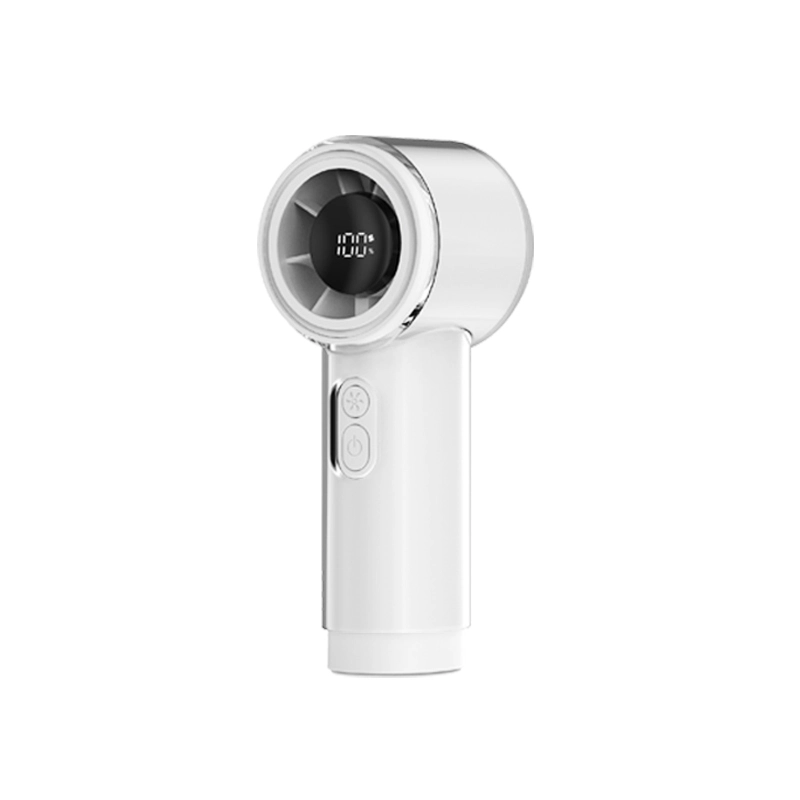
Customizable High-Speed Portable Handheld Fan FS2663
This is a high-speed, long-lasting, personalized, custom, portable cooling product specially designed for gift purchasers, cross-border e-commerce sellers, and OEM/ODM cooperation enterprises. It features (1) strong wind speed, (2) lightweight portability, (3) transparent shell design, (4) convenient carrying with a hand rope, and (5) long battery life. It helps enterprises enhance brand exposure, product differentiation competitiveness, and customer repeat purchase rate.
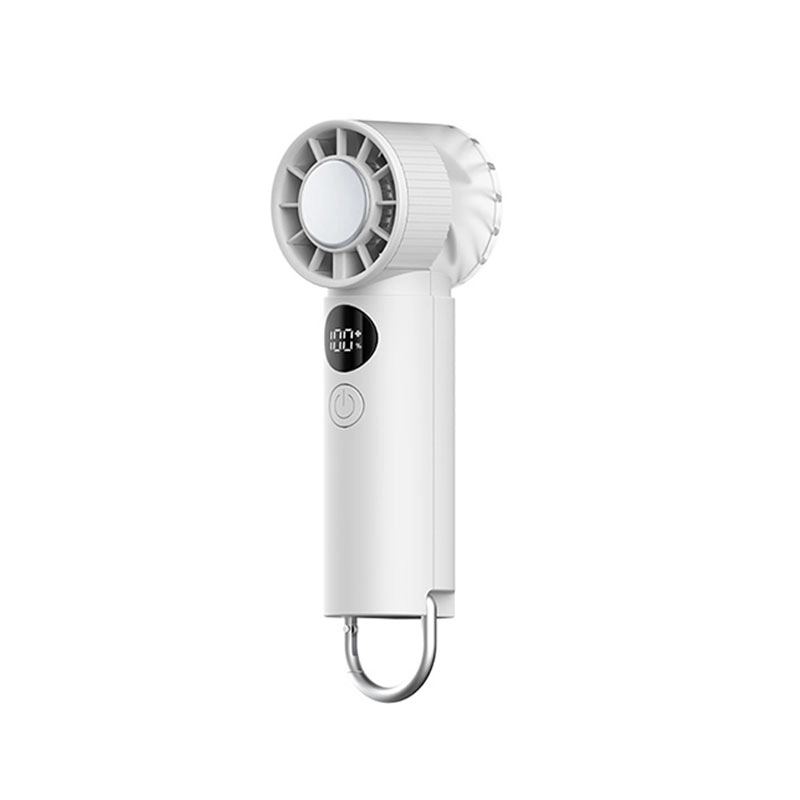
Customizable lightweight mini handheld cooling fan (with climbing hook) FS2666
A portable cooling and personalized customization product specially designed for commuters, students, the gift customization industry, and OEM/ODM buyers. It features (1) lightweight and easy portability, (2) a climbing buckle, and (3) semiconductor cooling.
Get a Quote for Handheld Fan Solution
If you have any comments or good suggestions, please leave us a message; later our professional staff will contact you as soon as possible.
Contact


4th Floor, Building 3, Jurong Industrial Park, No. 27-1-1, Fu'an Industrial Zone,Leliu Town (Pancun), Shunde District, Foshan City, Guangdong Province
 Scan QR Code
YouTube
Twitter
Facebook