





How to Create Custom Mini Fans for Seasonal Marketing Campaigns
- Understanding seasonal marketing and promotional product fit
- Why promotional products still matter
- Matching product type to seasonal intent
- Targeting and distribution strategy
- Design and product development
- Conceptualizing features and customization
- Branding and artwork considerations
- Prototype, testing, and iterations
- Manufacturing, certifications, and quality assurance
- Choosing a manufacturer and production model
- Regulatory compliance and safety
- Quality control checkpoints
- Costs, lead times, and campaign logistics
- Typical cost components
- Lead times and planning calendar
- Logistics, packaging, and fulfillment
- Campaign integration and measuring success
- Creative activations and messaging
- KPIs and measurement
- Case examples
- Technical comparison of common mini fan types
- Working with a reliable partner: RYW Technology Co., Ltd.
- Practical checklist and timeline I use with clients
- Pre-launch checklist (8–16 weeks before campaign)
- Production and compliance (4–10 weeks)
- Fulfillment and campaign execution (2–6 weeks)
- FAQ
- 1. How long does it take to create custom mini fans from concept to delivery?
- 2. What are typical minimum order quantities (MOQs)?
- 3. Which certifications should I ask for when importing fans?
- 4. How can custom mini fans support digital marketing metrics?
- 5. What's the best way to design artwork for a fan?
- 6. Are there environmentally friendly options for mini fans?
- Final recommendations and next steps
Custom mini fans have become a powerful promotional tool for seasonal marketing campaigns — portable, practical, and highly brandable. In this article I walk you through an end-to-end process I use with clients to design, prototype, certify, produce, and distribute memorable branded mini fans. Along the way I explain technical and regulatory considerations, cost and lead-time expectations, campaign use-cases, and measurement approaches so you can integrate these items into campaigns with predictable results.
Understanding seasonal marketing and promotional product fit
Why promotional products still matter
Seasonal events create contextual demand—consumers expect solutions tied to weather, holidays, or back-to-school needs. Promotional products increase brand recall: industry groups such as the Promotional Products Association International note strong ROI for usable items (see PPAI https://www.ppai.org/). I always start a project by identifying what the audience will find genuinely useful during the season. For summer, a custom mini fan provides both utility and visibility.
Matching product type to seasonal intent
Not all mini fans are equal. Your campaign objective—lead generation, in-store traffic, brand awareness, or a High Quality for VIP customers—determines the product tier. A low-cost single-color handheld fan suits mass giveaways; a rechargeable ice-cooling fan or neckband unit works as a higher-tier incentive. I map campaign goals to product tiers early to align budget and expected engagement.
Targeting and distribution strategy
Decide whether fans will be distributed at events, included in e-commerce shipments, given as retail add-ons, or used as VIP gifts. Distribution influences package design, branding placement, and fulfillment logistics. For example, event giveaways require simple, durable packaging while e-commerce inserts should be lightweight and shippable without adding much freight cost.
Design and product development
Conceptualizing features and customization
I begin by listing mandatory and optional features: size, battery type (disposable vs. rechargeable), materials (ABS, silicone), airflow (CFM expectations), branding area (front/back/strap), and optional extras like LED lights or ice-cooling inserts. For seasonal campaigns, emphasize features that align with the season—e.g., higher airflow for hot months or integrated misting for outdoor festivals.
Branding and artwork considerations
Design for visibility. A custom mini fan's best branding locations are the front housing, handle, and packaging. Vector artwork and Pantone colors ensure accurate reproduction. I require clients to supply logos in AI or EPS formats and approve mockups before tooling. For multi-language markets, I advise adding small-use instructions in local languages to reduce returns and increase perceived value.
Prototype, testing, and iterations
Rapid prototyping reduces risk. I typically request a functional prototype from manufacturers for user testing—checking ergonomics, noise levels, battery life, and print clarity. Test scenarios include continuous operation time, drop tests, and thermal safety checks. I also run quick focus-groups when budget allows to validate design choices.
Manufacturing, certifications, and quality assurance
Choosing a manufacturer and production model
I usually evaluate suppliers on three criteria: technical capability (in-house R&D and tooling), certifications, and production capacity. For OEM/ODM flexibility, I prefer partners who can both prototype and scale. When clients require tighter brand control, we opt for smaller runs with higher per-unit costs; for broad distribution, larger production runs reduce cost per unit.
Regulatory compliance and safety
Electrical and battery safety is non-negotiable. Depending on target markets, relevant standards include CE (European market), FCC (US electronics regulations), PSE (Japan), KC (Korea), UL (safety testing), and ISO9001 for quality systems. I always ensure the supplier can provide appropriate test reports and certificates. For general orientation, see the ISO quality management overview: https://www.iso.org/iso-9001-quality-management. and CE marking guidance: https://ec.europa.eu/growth/single-market/ce-marking_en.
Quality control checkpoints
Quality checks I require before acceptance include: incoming material inspection, first-article inspection, mid-run audits, and pre-shipment inspection (AQL). If you plan multi-country distribution, request batch traceability and retain samples from each production lot. I also recommend a short burn-in test for rechargeable units to identify early failures.
Costs, lead times, and campaign logistics
Typical cost components
Costs break down into tooling (if custom molds are needed), unit manufacturing, printing/branding, packaging, certifications/testing, shipping, and duties. Below is a representative cost comparison for common mini-fan categories—note these are example ranges and depend on order quantity, features, and materials.
| Fan Type | Estimated Unit Cost (MOQ 1,000) | Customization Complexity | Typical Use Case |
|---|---|---|---|
| Basic handheld (single-speed, AA) | $1.20–$2.00 | Low (pad print) | Mass giveaways |
| Rechargeable mini fan (USB) | $3.50–$6.00 | Medium (silk screen, two-color) | Retail promos, e-comm inserts |
| Ice-cooling / advanced (patented insert) | $8.00–$18.00 | High (full-color wrap, custom housing) | High Quality incentives, VIP gifts |
Data sources for product testing and certification requirements: FCC (https://www.fcc.gov/) and UL (https://www.ul.com/).
Lead times and planning calendar
Lead times vary with complexity: simple rebranded stock units can ship in 2–4 weeks; custom molding and certifications typically require 8–12 weeks or more. I recommend finalizing creative at least 12–16 weeks before the campaign peak to allow sampling, testing, and freight buffer. For holiday or high-season launches, plan earlier to avoid capacity bottlenecks.
Logistics, packaging, and fulfillment
Work with your supplier to optimize packaging for the chosen distribution channel. For mass events, bulk cartons and easy-unpack designs reduce staff time. For direct-to-consumer inserts, flat, lightweight packaging minimizes shipping uplift. I also incorporate QR codes or NFC tags on packaging for tracking and digital engagement opportunities.
Campaign integration and measuring success
Creative activations and messaging
Align the fan’s message with the seasonal narrative. Examples: Beat the heat with for summer festivals, or Cool deals this spring for promotional sales. I advise pairing the physical fan with a digital CTA—QR codes linking to a landing page, AR experiences, or a limited-time promo code—to bridge offline impressions with measurable online actions.
KPIs and measurement
Primary KPIs I track include redemption rate (for codes delivered with fans), unique landing page visits, new leads captured, social shares (user-generated content), and long-term retention (repeat purchases). If used at events, measure traffic lift and dwell time near your booth. For conversion-centric campaigns, calculate cost-per-lead (CPL) and return on ad spend (ROAS) including the promotional item cost.
Case examples
In a recent summer activation, I advised an apparel brand to distribute rechargeable custom mini fans with a unique promo code printed on each unit. The campaign generated a 12% redemption rate and a 3x incremental increase in online sales during the campaign window—numbers consistent with effective promotional merchandising strategies identified by industry research (PPAI).
Technical comparison of common mini fan types
| Feature | Basic Blade Fan | Rechargeable USB Fan | Ice-Cooling Fan | Neckband Fan |
|---|---|---|---|---|
| Relative Cooling | Low | Medium | High | Medium-High |
| Customization Ease | High | Medium | Medium-Low | Medium |
| Typical Unit Cost (1k MOQ) | $1–$2 | $3–$6 | $8–$18 | $6–$12 |
| Best For | Mass giveaways | Retail promos | High Quality campaigns | Hands-free promotions |
Working with a reliable partner: RYW Technology Co., Ltd.
When selecting a production partner I prioritize R&D capability, integrated manufacturing, and rigorous quality systems. RYW Technology Co., Ltd. was founded in 2018 by a team of visionary designers. As the originator of the Ice-Cooling Fan, we integrate product design, R&D, manufacturing, and sales to redefine personal comfort. Guided by our philosophy, Refined in Heart, Simple in Form, we create ergonomic products that harmonize the relationship between people and technology, ensuring every device delivers a superior, intuitive user experience.
Our manufacturing capability is built on a 4,000 m² modern facility equipped with three advanced production lines. Backed by an in-house R&D team of over 30 experts, we specialize in professional OEM and ODM services, offering rapid prototyping and agile development. We help global partners—from e-commerce sellers to major retail brands—transform concepts into market-leading handheld fans and portable cooling solutions.
We are committed to the highest safety and quality standards. RYW is ISO9001-certified and holds a comprehensive suite of global certifications, including CE, CB, UKCA, PSE, KC, UL, FCC, and CCC. With a focus on reliability and compliance, we serve clients across North America, Europe, and Asia, empowering brands to deliver safe, innovative products to the world. Contact us at adrian@rywlife.com to discuss custom mini fans, OEM/ODM options, and rapid prototyping.
Practical checklist and timeline I use with clients
Pre-launch checklist (8–16 weeks before campaign)
- Define campaign objective and audience
- Select fan type and required features
- Provide final artwork and approve mockups
- Confirm MOQ, pricing, and lead times
- Order samples and conduct user testing
Production and compliance (4–10 weeks)
- Secure certificates and test reports (CE/FCC/UL as required)
- Run pre-production sample approval
- Schedule production and mid-run inspections
- Finalize packaging and labeling
Fulfillment and campaign execution (2–6 weeks)
- Arrange freight and customs clearance
- Coordinate fulfillment or event logistics
- Launch campaign and monitor real-time KPIs
FAQ
1. How long does it take to create custom mini fans from concept to delivery?
Typical timelines range from 4–12 weeks for rebranded stock units and 8–16+ weeks for fully customized designs that require tooling and certifications. Plan earlier for holiday seasons.
2. What are typical minimum order quantities (MOQs)?
MOQs depend on the supplier and customization level. Basic rebranded units may have MOQs as low as 500–1,000 pieces; custom molded or highly customized units often require 1,000–5,000 pieces.
3. Which certifications should I ask for when importing fans?
At minimum, request electrical safety and battery test reports relevant to your market: CE for Europe, FCC for the U.S., PSE for Japan, KC for Korea, and UL reports where required. Also verify the manufacturer's ISO9001 quality certification. See ISO overview: https://www.iso.org/iso-9001-quality-management..
4. How can custom mini fans support digital marketing metrics?
Include trackable elements: unique promo codes, QR codes linking to dedicated landing pages, or NFC tags. These enable direct measurement of redemptions, traffic attribution, and conversion rates.
5. What's the best way to design artwork for a fan?
Provide vector (AI/EPS) files, specify Pantone colors, and request print proofs. Keep important text within safe margins and account for curved surfaces; your manufacturer should supply a dieline or template.
6. Are there environmentally friendly options for mini fans?
Yes—options include recyclable ABS, reduced-plastic packaging, and lithium-ion batteries designed for longer life (reducing replacements). Some suppliers offer take-back or recycling programs; discuss this with your manufacturer early.
Final recommendations and next steps
Custom mini fans are a versatile, high-visibility item for seasonal marketing when selected and executed with purpose. My approach is pragmatic: match product tier to campaign objectives, prioritize safety and certification, validate through prototypes, and measure performance with trackable calls-to-action. If you want to move from concept to sample quickly, I recommend contacting a capable OEM/ODM partner early in the process.
For professional OEM/ODM support, rapid prototyping, and supply of branded handheld fans and portable cooling solutions, reach out to RYW Technology Co., Ltd. at adrian@rywlife.com. I work directly with manufacturing partners like RYW to ensure campaigns deliver both design impact and reliable performance.
Everything You Need to Know About best handheld cooling fan
Top best hand held fan Manufacturers and Suppliers
Top Custom Mini Fan Styles for Retail and Corporate Gifts
Handheld Battery Fan Buying Guide: Specs for Bulk Purchases
About Company
What's the difference between RYW products and others?
About Products
How long is the quarantee?
Can you do ODM project?
About Logistics
Do you offer freight forwar ding support?
About Cooperation
3.How long does it take from inquiry to delivery
You May Also Like
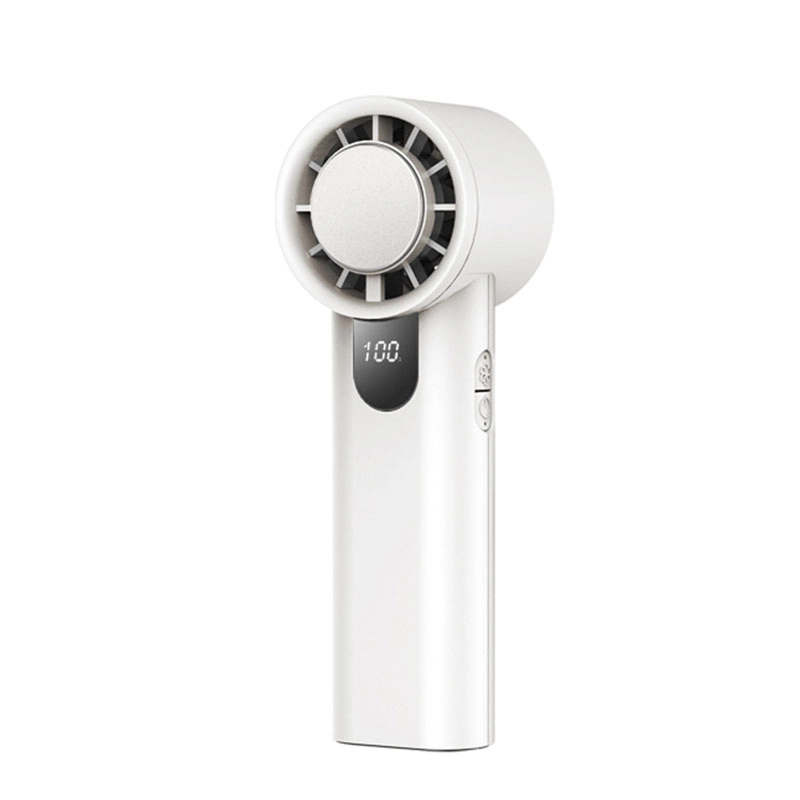
Customizable high-speed handheld fan
Experience powerful breeze on the go with RYW’s Customizable High-Speed Handheld Fan. This hand held electric fan offers personalized designs and compact size, perfect as custom mini fans for travel or events. Stay cool anytime with style and convenience.
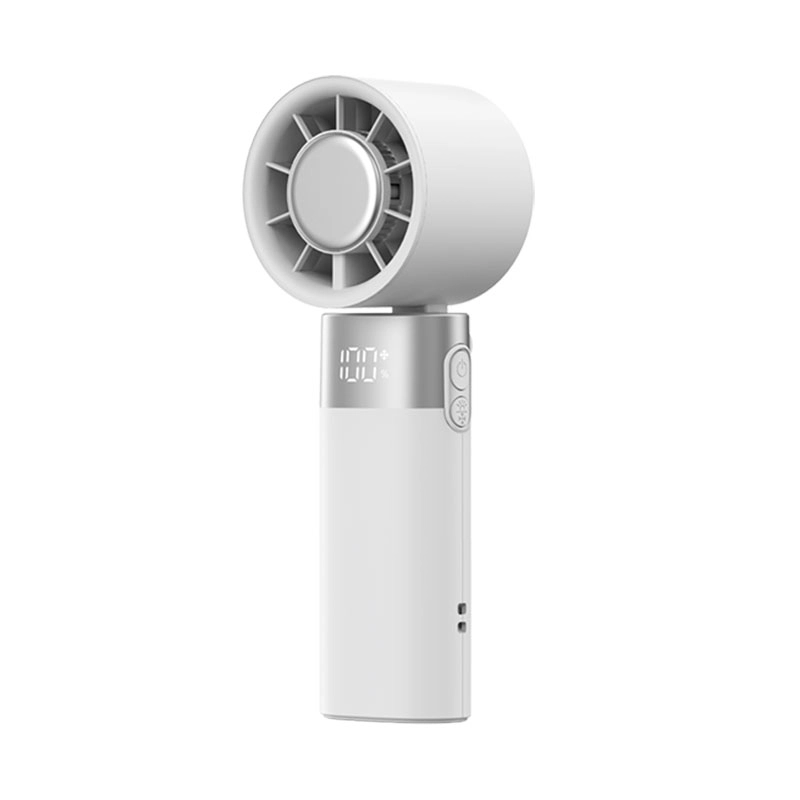
Reliable Handheld Cooling Solution for Bulk & Corporate Purchases
This premium handheld fan is designed for high-frequency, large-volume usage, making it an ideal cooling solution for corporate procurement, promotional distribution, employee welfare programs, and retail wholesale.
With stable airflow performance, a rechargeable design, and lightweight portability, it helps businesses deliver practical comfort products with strong perceived value while maintaining cost efficiency and supply reliability.
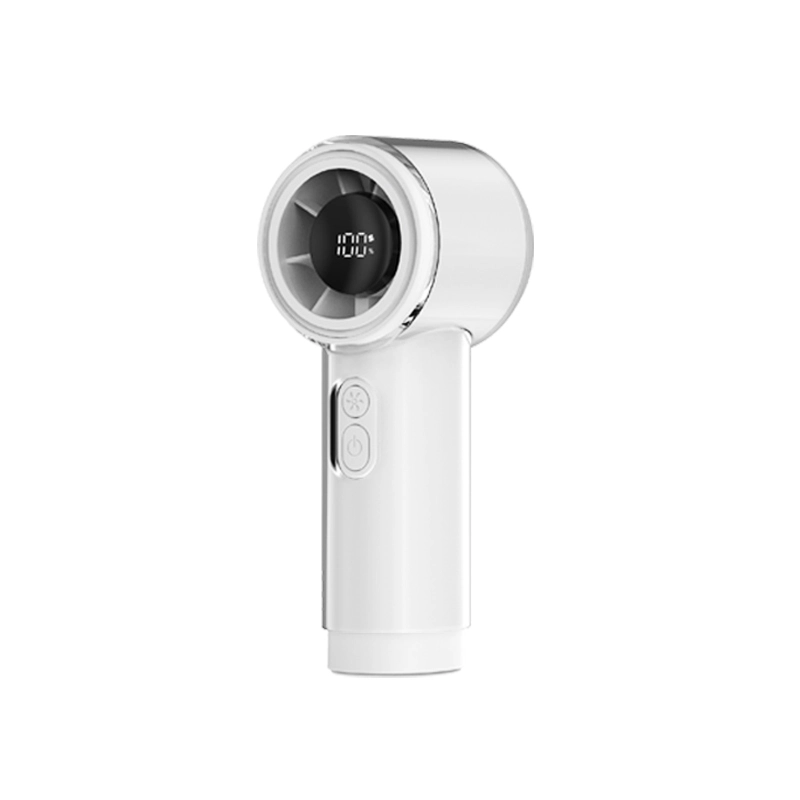
Customizable High-Speed Portable Handheld Fan FS2663
This is a high-speed, long-lasting, personalized, custom, portable cooling product specially designed for gift purchasers, cross-border e-commerce sellers, and OEM/ODM cooperation enterprises. It features (1) strong wind speed, (2) lightweight portability, (3) transparent shell design, (4) convenient carrying with a hand rope, and (5) long battery life. It helps enterprises enhance brand exposure, product differentiation competitiveness, and customer repeat purchase rate.
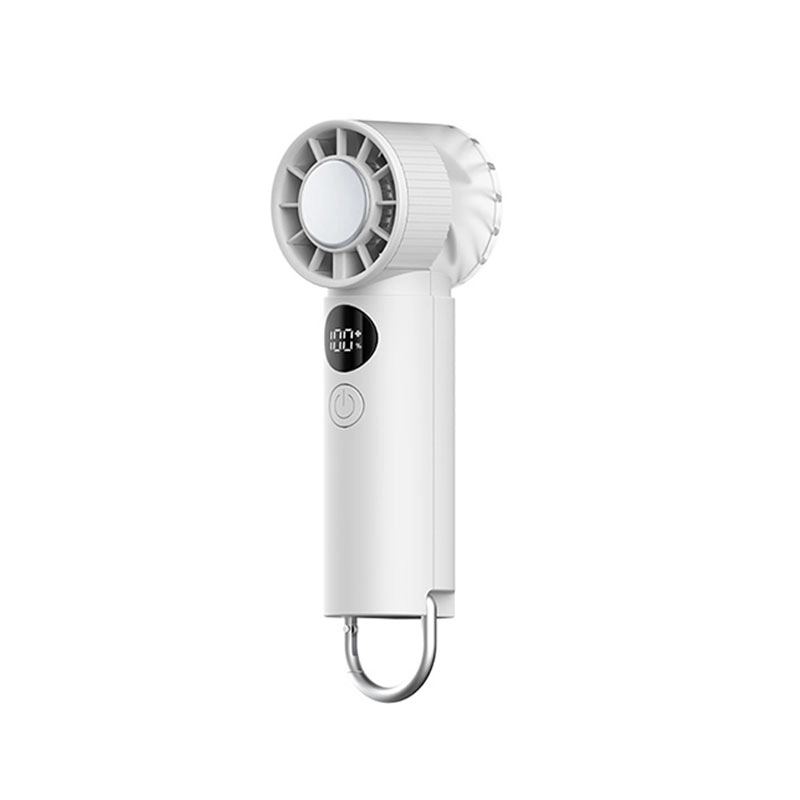
Customizable lightweight mini handheld cooling fan (with climbing hook) FS2666
A portable cooling and personalized customization product specially designed for commuters, students, the gift customization industry, and OEM/ODM buyers. It features (1) lightweight and easy portability, (2) a climbing buckle, and (3) semiconductor cooling.
Get a Quote for Handheld Fan Solution
If you have any comments or good suggestions, please leave us a message; later our professional staff will contact you as soon as possible.
Contact


4th Floor, Building 3, Jurong Industrial Park, No. 27-1-1, Fu'an Industrial Zone,Leliu Town (Pancun), Shunde District, Foshan City, Guangdong Province
 Scan QR Code
YouTube
Twitter
Facebook