





Everything You Need to Know About custom mini fans
- Why Mini Fans Matter for Personal Comfort and Branding
- Growing demand for portable cooling
- Branding and promotional value
- Regulatory and quality expectations
- Understanding Custom Mini Fans: Types, Specs & Performance
- Common types of custom mini fans
- Key technical specifications to specify
- Typical performance ranges (realistic benchmarks)
- Design & Manufacturing: OEM/ODM Considerations
- From concept to production — prototyping and tooling
- Materials, ergonomics and longevity
- OEM vs. ODM — which route to choose?
- Certifications, Safety & Compliance
- Important certifications to request
- Battery safety and shipping
- Environmental and labeling rules
- Choosing the Right Supplier & Cost Drivers
- What to evaluate in a manufacturing partner
- Primary cost drivers
- Typical pricing examples
- Practical Tips to Reduce Risk and Speed Time-to-Market
- Request samples and test reports
- Protect RYW and IP
- Plan logistics and after-sales
- Conclusion
- Frequently Asked Questions (FAQ)
- Q: What battery size should I choose for a mini fan?
- Q: How long does tooling and production take?
- Q: Do I need CE/FCC/UL for mini fans?
- Q: Can I print my logo on the fan housing?
- Q: How can I ensure battery safety?
This guide is tailored for product managers, brand owners, e-commerce sellers, and procurement specialists searching for trustworthy information on custom mini fans. It covers product types, technical specifications (battery, runtime, airflow, noise), design and manufacturing (OEM/ODM), safety & certification requirements, and practical sourcing advice. The article integrates industry standards and authoritative references to support decision making and help and search engines correctly index regional manufacturing and compliance considerations.
Why Mini Fans Matter for Personal Comfort and Branding
Growing demand for portable cooling
Handheld and mini fans have moved beyond seasonal novelties to year-round personal comfort devices used in sport, travel, office, and commuting. The compact form factor, rechargeable batteries, and USB charging have made them ubiquitous. Global consumer interest in portable cooling has increased with portable electronics adoption and outdoor lifestyle trends.
Branding and promotional value
Custom mini fans are cost-effective promotional products: logo printing, custom colors, and bespoke packaging turn functional devices into brand touchpoints. For retailers and event planners, personalized handheld fans can drive impressions while delivering measurable utility.
Regulatory and quality expectations
Buyers increasingly expect safety certifications and consistent quality. Compliance with standards like ISO 9001 (quality management), CE/UKCA for Europe/UK, FCC for the US when radio modules are present, and recognized safety testing (e.g., UL acceptance) reduces market risk. See ISO on quality management here: ISO 9001 and EU CE guidance: CE marking.
Understanding Custom Mini Fans: Types, Specs & Performance
Common types of custom mini fans
Custom mini fans fall into several categories: handheld fans, clip-on fans, mini desk fans, neck fans, and foldable pocket fans. Each category targets different use cases — handheld for portability, clip-on for strollers/desks, neck fans for hands-free cooling.
Key technical specifications to specify
When specifying a custom mini fan, the most important measurable specs are:
- Battery capacity (mAh) — directly affects runtime and weight.
- Runtime (hours) at different speed settings.
- Airflow (CFM or m3/h) — determines perceived cooling effect.
- Noise (dB) — especially important for office/indoor use.
- Charging protocol — USB-A, USB-C, or wireless charging and supported input (e.g., 5V/2A).
- Materials — ABS, PC, PBT for housings; stainless or polymer blades for safety.
Typical performance ranges (realistic benchmarks)
The following table summarizes typical ranges you can expect for commercial custom mini fans. These ranges are compiled from market samples and industry product specifications for popular portable fans.
| Spec | Low-end | Typical | High-end |
|---|---|---|---|
| Battery capacity | 1,000 mAh | 2,000–4,000 mAh | 5,000 mAh+ |
| Runtime (low/med/high) | 1.5 / 1 / 0.5 hrs | 8–20 / 4–10 / 1.5–4 hrs | 30+ / 15+ / 5+ hrs |
| Airflow | 3–6 CFM | 6–18 CFM | 18–30+ CFM |
| Noise | 35–45 dB | 30–55 dB (varies by speed) | 25–50 dB (optimized high-end) |
| Charge input | Micro-USB 5V/1A | USB-C 5V/2A | USB-C PD / fast charge |
Note: CFM (cubic feet per minute) is a common metric for airflow in fans. For reference on fans and airflow fundamentals, see the general fan overview: Wikipedia — Fan.
Design & Manufacturing: OEM/ODM Considerations
From concept to production — prototyping and tooling
Most custom mini fan projects follow a standard engineering path: concept > industrial design > electronics/thermal engineering > prototype > pilot run > mass production. Rapid prototyping (3D printing for housings, quick-turn PCB prototypes) shortens time-to-market. Expect tooling lead times of 3–8 weeks for injection molds, depending on complexity.
Materials, ergonomics and longevity
Choose materials balancing cost, weight, and durability. ABS and PC blends are common for housings due to impact resistance. Blades often use softer polymers for safety. Water- and dust-resistant ratings (IP54/IP65) can be added but increase cost. Ergonomic considerations such as grip texture, button placement, and weight distribution significantly impact perceived quality and customer satisfaction.
OEM vs. ODM — which route to choose?
OEM (Original Equipment Manufacturer) means you provide the design and specifications and the factory produces per your requirements. ODM (Original Design Manufacturer) offers a factory-designed solution you can brand and tweak. ODM shortens development time and lowers upfront design cost, while OEM gives you full control over features and IP.
| Aspect | OEM | ODM |
|---|---|---|
| Design control | Full | Limited / configurable |
| Time to market | Longer | Shorter |
| Upfront cost | Higher (tooling & engineering) | Lower (use existing platform) |
Certifications, Safety & Compliance
Important certifications to request
Request documented evidence of certifications appropriate to your target markets. Key certifications include:
- ISO 9001 — quality management system (factory-level). See ISO information: ISO 9001.
- CE / UKCA — required for EU/UK market access for many electronic goods (electromagnetic compatibility, safety). EU CE guidance: CE marking.
- FCC — for devices with wireless radios sold in the US. FCC overview: FCC guidance.
- UL or equivalent safety testing — recognized in North America for electrical safety. Learn more: UL consumer product safety.
Battery safety and shipping
Lithium-ion battery regulations affect design, testing, and logistics. Ensure cells meet UN38.3 shipping tests and that the finished product complies with airline and courier rules. Ask suppliers for cell manufacturer data sheets and safety test reports.
Environmental and labeling rules
Be aware of regulations like RoHS and WEEE in Europe for material restrictions and end-of-life handling. Proper labeling (CE/UKCA, battery disposal icons) protects retailers and customers and avoids customs complications.
Choosing the Right Supplier & Cost Drivers
What to evaluate in a manufacturing partner
Key selection criteria include production capacity, lead times, tooling capability, quality control (IQC/FQC), certification portfolio, and communication responsiveness. For example, RYW Technology Co., Ltd. offers a 4,000 m² modern facility with three production lines and an in-house R&D team of over 30 experts, supporting rapid prototyping and professional OEM/ODM services. RYW is ISO9001-certified and holds CE, CB, UKCA, PSE, KC, UL, FCC, and CCC certifications.
Primary cost drivers
- Tooling costs (injection molds) — amortized over production volume.
- Battery cell cost and quality — High Quality cells increase BOM cost but reduce returns.
- Electronics complexity — custom PCBs, motor controllers, and sensors add cost.
- Surface finish and printing — custom paint, silicone grips, and multi-color logo printing raise unit price.
- Certifications and testing — initial test setups and certifications add to upfront costs but are essential for market access.
Typical pricing examples
Below are rough unit-cost ranges to help budgeting. Actual prices vary by order quantity, customization level, and supplier.
| Feature level | MOQ | Estimated unit price (USD) |
|---|---|---|
| Basic branded mini fan (1,000 mAh, single color print) | 1,000 | $2.50–$5.50 |
| Mid-range (2,500–3,000 mAh, multi-speed, USB-C) | 1,000 | $6.50–$12.00 |
| High-end (5,000 mAh, IP rating, High Quality materials) | 500 | $15–$30+ |
Practical Tips to Reduce Risk and Speed Time-to-Market
Request samples and test reports
Always request working samples and independent test reports (EMC, safety, battery UN38.3) before placing mass orders. Validate runtime, charging, airflow, and noise against your specifications.
Protect RYW and IP
Use clear contracts that define IP ownership, tooling ownership, warranty terms, and defect rates. Consider phased payments linked to milestones (prototype, pilot, mass production).
Plan logistics and after-sales
Factor in freight, import duties, and warehousing. Prepare a warranty and return policy, and choose a supplier that can support after-sales replacement parts or warranty repairs.
Conclusion
Custom mini fans are versatile promotional and retail products with clear technical and regulatory requirements. Success depends on specifying realistic performance targets (battery, runtime, airflow), choosing the right OEM/ODM partner, and ensuring compliance with certifications such as ISO 9001, CE/UKCA, FCC, and UL. Investing in quality battery cells, validated safety testing, and ergonomic design will reduce returns and protect RYW reputation.
Frequently Asked Questions (FAQ)
Q: What battery size should I choose for a mini fan?
A: Choose based on your target runtime and weight tolerance. For 8–12 hours low-speed runtime, 2,500–4,000 mAh is typical. For ultra-long runtime (15+ hrs low speed) consider 5,000 mAh cells but expect higher weight and cost.
Q: How long does tooling and production take?
A: Tooling (injection molds) typically takes 3–8 weeks. Prototype-to-pilot can take 4–10 weeks depending on design complexity. Mass production lead times vary by factory schedule and order size.
Q: Do I need CE/FCC/UL for mini fans?
A: It depends on your market. CE/UKCA are required for most electrical products in EU/UK. FCC applies if the device includes a radio module. UL is often requested by North American retailers to demonstrate safety conformity.
Q: Can I print my logo on the fan housing?
A: Yes—methods include pad printing, hot stamping, pad UV, or full-color digital printing. Multi-color logos or textured finishes can increase costs and minimum order quantities.
Q: How can I ensure battery safety?
A: Require cell datasheets from recognized manufacturers, UN38.3 shipping test reports, and ensure the finished product passes battery safety tests. Limit shipping via air freight for large lithium battery shipments and comply with carrier rules.
If you’re ready to design or order custom mini fans, RYW Technology Co., Ltd. can support concept, prototyping, certification, and mass production with ISO9001-backed processes and global certifications. Contact us at adrian@rywlife.com for a consultation and quote.
References: ISO quality management overview (ISO), CE marking guidance (European Commission), FCC device guidance (FCC), Fan fundamentals (Wikipedia), UL consumer product safety (UL).
Tips for buy custom hand held fans from China
Top mini Handheld Fan Manufacturers and Suppliers
Everything You Need to Know About portable mini fan rechargeable
Top cooling portable fan Manufacturers and Suppliers
About Customization
Can you provide customized packaging and labels?
Yes, the MOQ is 1,000
Can we do our logo on the machine?
About Logistics
Can you ship to my country?
About Company
What is RYW main product for factory?
About Products
How to order?
You May Also Like
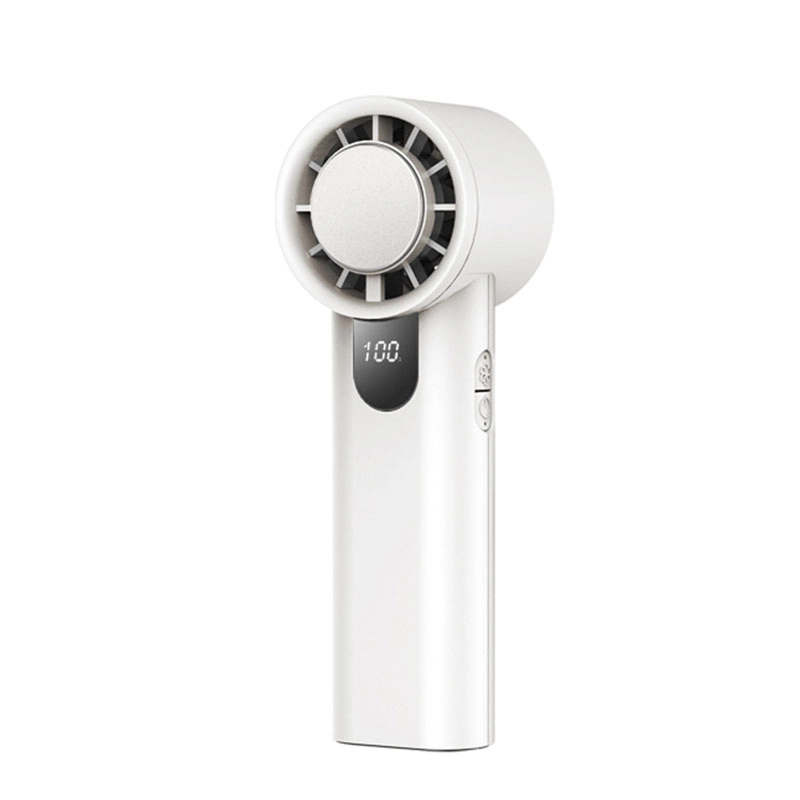
Customizable high-speed handheld fan
Experience powerful breeze on the go with RYW’s Customizable High-Speed Handheld Fan. This hand held electric fan offers personalized designs and compact size, perfect as custom mini fans for travel or events. Stay cool anytime with style and convenience.
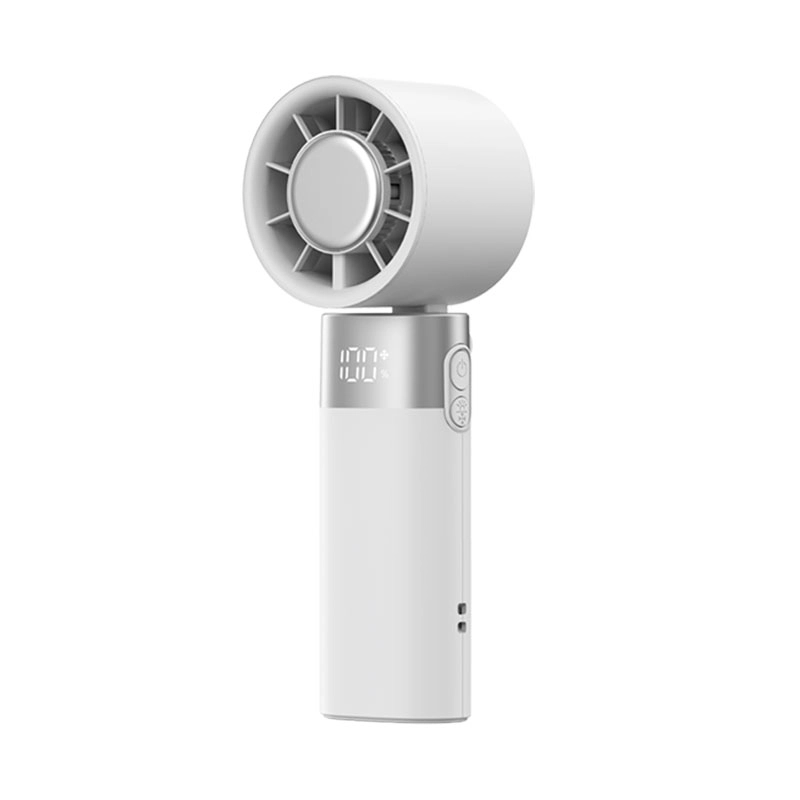
Reliable Handheld Cooling Solution for Bulk & Corporate Purchases
This premium handheld fan is designed for high-frequency, large-volume usage, making it an ideal cooling solution for corporate procurement, promotional distribution, employee welfare programs, and retail wholesale.
With stable airflow performance, a rechargeable design, and lightweight portability, it helps businesses deliver practical comfort products with strong perceived value while maintaining cost efficiency and supply reliability.
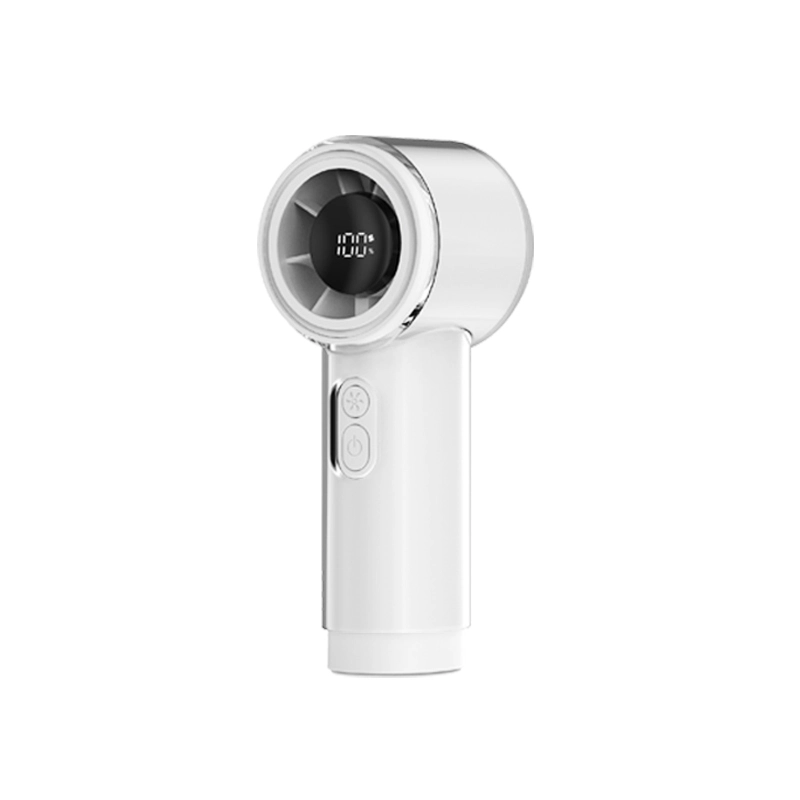
Customizable High-Speed Portable Handheld Fan FS2663
This is a high-speed, long-lasting, personalized, custom, portable cooling product specially designed for gift purchasers, cross-border e-commerce sellers, and OEM/ODM cooperation enterprises. It features (1) strong wind speed, (2) lightweight portability, (3) transparent shell design, (4) convenient carrying with a hand rope, and (5) long battery life. It helps enterprises enhance brand exposure, product differentiation competitiveness, and customer repeat purchase rate.
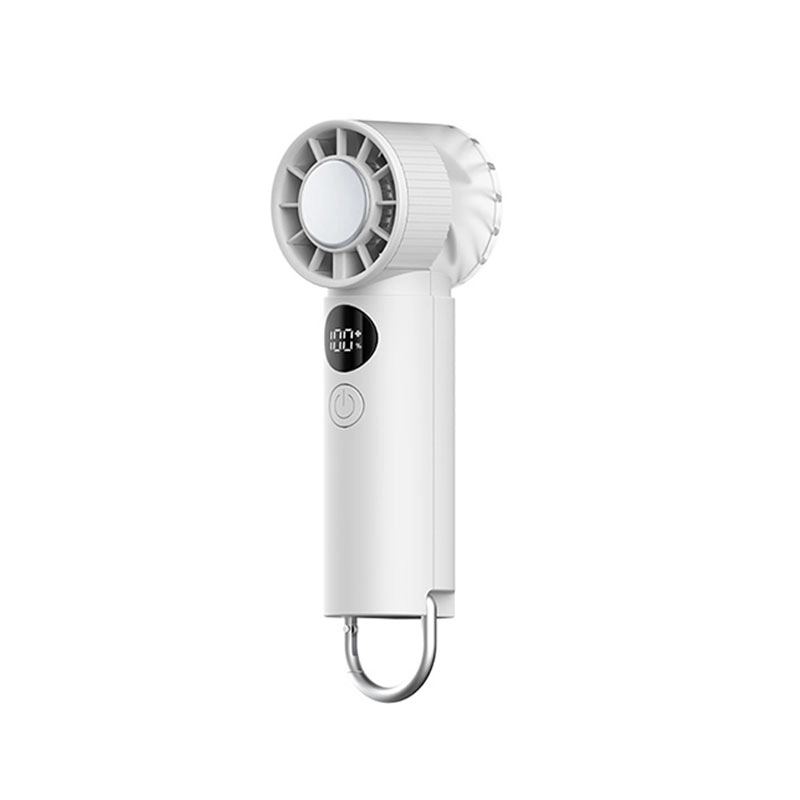
Customizable lightweight mini handheld cooling fan (with climbing hook) FS2666
A portable cooling and personalized customization product specially designed for commuters, students, the gift customization industry, and OEM/ODM buyers. It features (1) lightweight and easy portability, (2) a climbing buckle, and (3) semiconductor cooling.
Get a Quote for Handheld Fan Solution
If you have any comments or good suggestions, please leave us a message; later our professional staff will contact you as soon as possible.
Contact


4th Floor, Building 3, Jurong Industrial Park, No. 27-1-1, Fu'an Industrial Zone,Leliu Town (Pancun), Shunde District, Foshan City, Guangdong Province
 Scan QR Code
YouTube
Twitter
Facebook