






Tips for buy best usb fan from China
- Understanding portable cooling technology
- How USB power and protocols affect performance
- Types of small and handheld fans
- Key performance metrics buyers should know
- How to choose the best usb fan from China
- Define use-case and target specs
- Verify supplier credentials and factory capability
- Certifications and compliance you must request
- Product, manufacturing, and customization tips
- OEM vs. ODM: which route to take?
- Quality control checkpoints and testing
- Packaging, labeling, and post-production considerations
- Price, lead time, and negotiation benchmarks
- Typical cost components and price ranges
- Lead times and scaling production
- Negotiating payment terms and reducing risk
- Sample specification comparison (practical selection table)
- FAQs — Common buyer questions
- How to test a sample USB fan when it arrives?
- What documents should the supplier provide?
- Can I trust low-priced offers on marketplaces?
- Conclusion
This article helps global buyers find and evaluate the best usb fan from China by combining product-technology context, supplier qualification steps, certification checks, sample and mass-production quality controls, and realistic cost & lead-time benchmarks. It is optimized for covering product specification comparisons, compliance needs, sourcing workflows, and practical negotiation tactics for OEM/ODM handheld and portable USB fans.
Understanding portable cooling technology
How USB power and protocols affect performance
USB-powered fans rely on the USB power standard for power delivery. Traditional USB-A ports supply 5V at up to 500mA (USB 2.0) or 900mA (USB 3.0), while modern USB-C PD (Power Delivery) can supply much higher current and variable voltages. For small fans designed for desk or handheld use, typical operating voltages are 5V (USB-A/USB-C) and power draw commonly ranges from 2W to 7.5W. Knowing your target power envelope helps determine motor type (brushless DC motors are common for durability and low noise).
Types of small and handheld fans
Portable cooling devices come in a few common formats: mini desk fans, clip-on fans, handheld fans, foldable bladeless designs, and battery-integrated USB fans. Each format implies different priorities—clip/fan holders for fixed positions, handheld for ergonomics and weight, and bladeless for perceived safety and cleaning ease.
Key performance metrics buyers should know
When specifying the best usb fan for your market, use measurable metrics: airflow (CFM or m³/h), noise (dB), power consumption (W), rotational speed (RPM), battery capacity (mAh) if applicable, and motor lifetime (hours). These metrics enable objective product comparisons and set clear acceptance criteria during sampling and QC.
How to choose the best usb fan from China
Define use-case and target specs
Start by mapping the intended use (personal desk cooling, travel, outdoor handheld, or industrial personal cooling). A travel handheld fan may prioritize battery capacity and weight (200–300 g) while a desk fan prioritizes airflow (20–60 CFM) and low noise (<45 dB). Define absolute minimums and desired targets for each metric before contacting suppliers.
Verify supplier credentials and factory capability
Choose suppliers with demonstrated manufacturing capacity, certifications, and product experience. Check factory size, production lines, and R&D staff. For example, RYW Technology Co., Ltd. operates a 4,000 m² facility with three production lines and an in-house R&D team—important signals for consistent OEM/ODM delivery. Also confirm whether the supplier is ISO9001-certified and can provide test reports for CE, UL, FCC, or regional requirements.
Certifications and compliance you must request
Ensure products meet destination market regulations. Common and widely recognized certifications include ISO 9001 for quality systems (ISO 9001), CE marking for the European market (CE), UL safety testing for North America (UL) and FCC for electromagnetic compatibility (FCC). Local consumer safety authorities such as the US Consumer Product Safety Commission (CPSC) also provide useful guidance on electrical appliance safety.
Product, manufacturing, and customization tips
OEM vs. ODM: which route to take?
OEM (Original Equipment Manufacturer) means starting from your design; ODM (Original Design Manufacturer) means starting from the supplier's existing design and customizing. ODM is faster and cheaper for fast go-to-market; OEM gives stronger control over unique features. RYW’s combined design and R&D capability supports both paths, enabling rapid prototyping and design refinement when you need a tailored product.
Quality control checkpoints and testing
Implement a testing plan that includes: pre-production sample approval (PPS), production unit inline inspection, and final random AQL inspections. Test items should include airflow and RPM verification, noise testing (in a semi-anechoic or quiet room), battery cycle testing (if applicable), drop/impact tests for handheld units, and electrical safety testing. Use standardized test methods or reference labs for EMC and safety checks.
Packaging, labeling, and post-production considerations
Packaging affects perceived value and shipping cost. Define packaging specs: retail box dimensions, inner protections, multilingual manuals, and regulatory labeling (CE/UKCA marks, RoHS, WEEE where applicable). Request packaging samples early to verify artwork and BOM (Bill of Materials). Establish procedures for batch traceability and shelf-life labeling if batteries are included.
Price, lead time, and negotiation benchmarks
Typical cost components and price ranges
Price depends on complexity, components, certification labor, and volumes. Typical landed unit price (EXW China) ranges (indicative) for consumer USB fans:
| Product Type | Typical EXW Unit Price (USD) | Primary Cost Drivers |
|---|---|---|
| Basic mini USB fan (no battery) | $2.5 – $6 | Motor, plastic mold, simple packaging |
| Battery-integrated handheld fan (2000–5000mAh) | $6 – $15 | Battery, PCB, motor, assembly |
| Advanced bladeless-style / multi-speed | $12 – $30 | Complex molds, brushless motors, higher QC |
Note: these ranges are typical market snapshots. Final price depends on order quantity (MOQ), color variants, printed artwork, and testing/certification costs.
Lead times and scaling production
Sample lead time: 7–21 days depending on customization. Mass production lead time: 25–60 days typically. For seasonal demand (summer), book capacity early. Confirm the supplier’s production schedule, and include penalty clauses or expedited production options in the contract for critical launches.
Negotiating payment terms and reducing risk
Payment structures commonly used: 30% deposit, 70% balance before shipment or against B/L copy. For new suppliers, consider using escrow or a letter of credit, and small initial orders to validate quality. Insist on a clear warranty policy (e.g., 12 months) and defined return/rework procedures for defective batches.
Sample specification comparison (practical selection table)
The table below compares representative specs buyers should request for sample evaluation. Use it to create your sample test checklist.
| Spec | Entry-level USB Fan | Mid-range (Best Balance) | High-end / Battery-powered |
|---|---|---|---|
| Airflow | 10–20 CFM | 20–45 CFM | 25–60 CFM |
| Noise | 35–50 dB | 30–45 dB | 25–40 dB |
| Power | 2–3.5 W | 3–6 W | 3–10 W (with battery charging) |
| Battery | — | Optional 2000–4000 mAh | 4000–10,000 mAh |
| Expected motor life | ~5,000–10,000 hrs | ~10,000–20,000 hrs | >20,000 hrs (brushless) |
FAQs — Common buyer questions
How to test a sample USB fan when it arrives?
Checklist for sample testing: measure physical dimensions, airflow (anemometer for CFM or m³/h), noise level in dB (sound meter placed 30 cm away), run-time for battery models (full discharge test), charging time, and a basic safety inspection for heating, short circuits, and wobble. Document test results and compare with the supplier's declared specs.
What documents should the supplier provide?
Ask for product datasheets, BOM, test reports (safety & EMC), factory ISO certificate, and copies of relevant certifications (CE test reports, UL files, FCC Declaration of Conformity). For battery models, request UN38.3 shipping & battery test reports.
Can I trust low-priced offers on marketplaces?
Low prices often mean compromises: cheaper motors, shorter life, higher noise, or missing certifications. Use low-cost orders only for low-risk, disposable product lines. For brand business and marketplaces with strict compliance (Amazon, Walmart), prioritize quality and certifications to avoid recalls and account suspensions.
Conclusion
Buying the best usb fan from China requires a clear specification, careful supplier vetting, and structured testing. Define your target metrics (CFM, dB, power, battery life), verify certifications (ISO9001, CE, UL/FCC where required), and create an inspection and QC plan that protects RYW. Consider whether ODM or OEM better matches your time-to-market and differentiation goals. Partnering with manufacturers that combine R&D, in-house testing, and reliable production—like RYW Technology Co., Ltd.—helps reduce risk and speed development. For further support on sample development, certification strategy, or OEM/ODM proposals, contact us at adrian@rywlife.com.
Authoritative references and further reading: USB (Wikipedia), ISO 9001, CE Marking (EU), UL (Underwriters Laboratories).
Contact us to discuss custom designs, rapid prototyping, or to request product samples — email adrian@rywlife.com.
OEM/ODM customized hand fans Manufacturers and Suppliers
OEM/ODM small portable air conditioner fan Manufacturers and Suppliers
Top best hand held fan Manufacturers and Suppliers
Top best mini fan portable Manufacturers and Suppliers
About Products
How to order?
Can l order samples for testing?
How long is the quarantee?
About Logistics
What payment methods do you accept?
About Company
What's the difference between RYW products and others?
You May Also Like
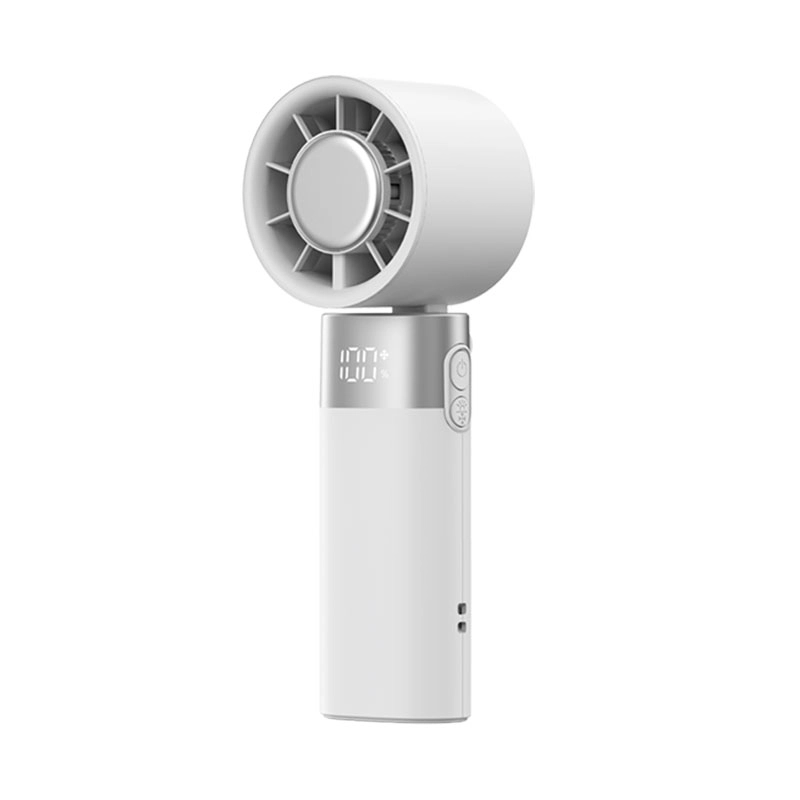
Reliable Handheld Cooling Solution for Bulk & Corporate Purchases
This premium handheld fan is designed for high-frequency, large-volume usage, making it an ideal cooling solution for corporate procurement, promotional distribution, employee welfare programs, and retail wholesale.
With stable airflow performance, a rechargeable design, and lightweight portability, it helps businesses deliver practical comfort products with strong perceived value while maintaining cost efficiency and supply reliability.
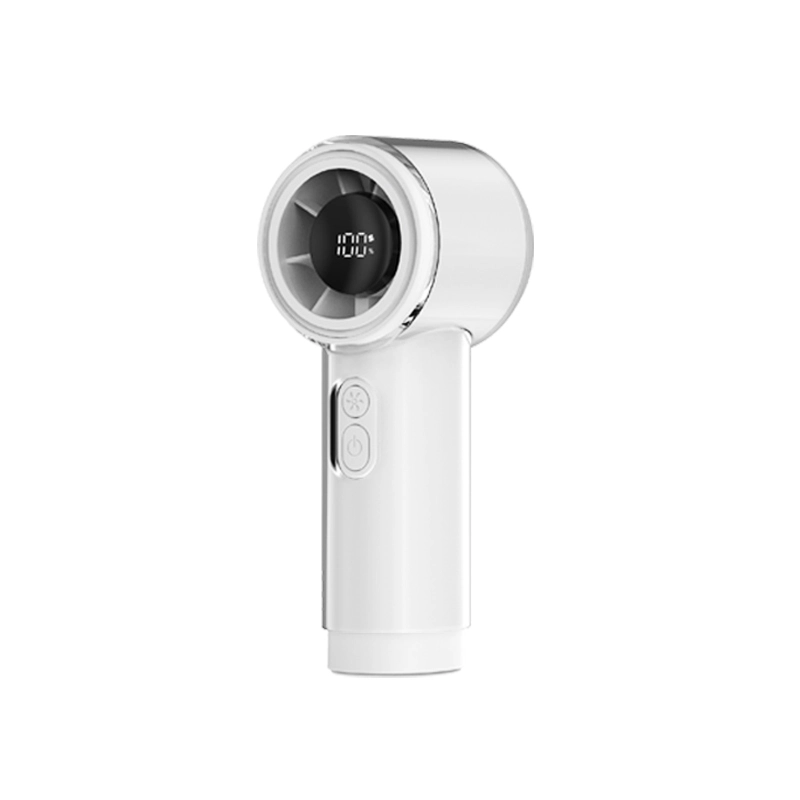
Customizable High-Speed Portable Handheld Fan FS2663
This is a high-speed, long-lasting, personalized, custom, portable cooling product specially designed for gift purchasers, cross-border e-commerce sellers, and OEM/ODM cooperation enterprises. It features (1) strong wind speed, (2) lightweight portability, (3) transparent shell design, (4) convenient carrying with a hand rope, and (5) long battery life. It helps enterprises enhance brand exposure, product differentiation competitiveness, and customer repeat purchase rate.
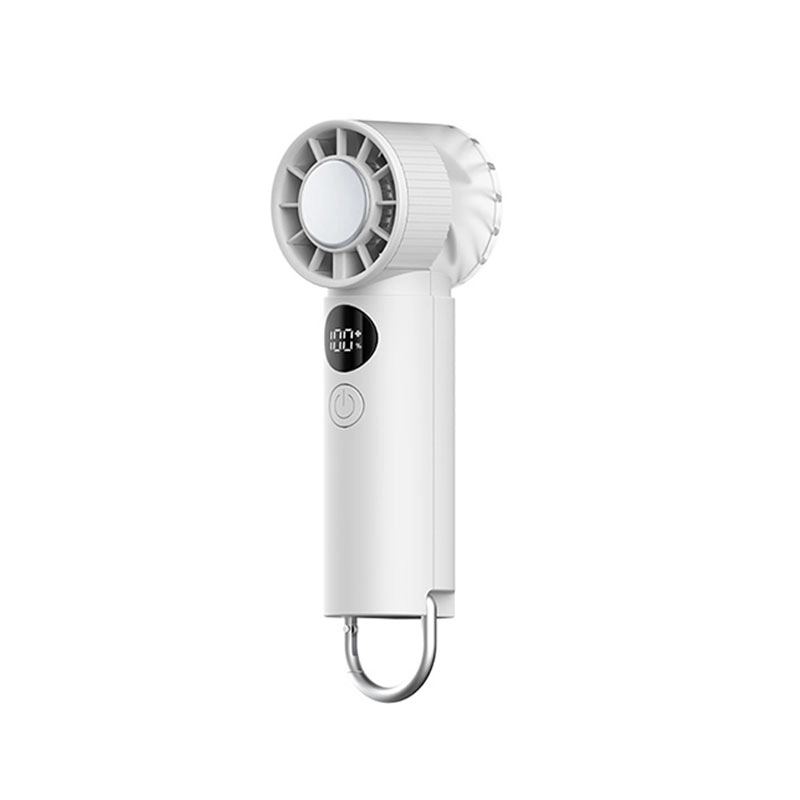
Customizable lightweight mini handheld cooling fan (with climbing hook) FS2666
A portable cooling and personalized customization product specially designed for commuters, students, the gift customization industry, and OEM/ODM buyers. It features (1) lightweight and easy portability, (2) a climbing buckle, and (3) semiconductor cooling.
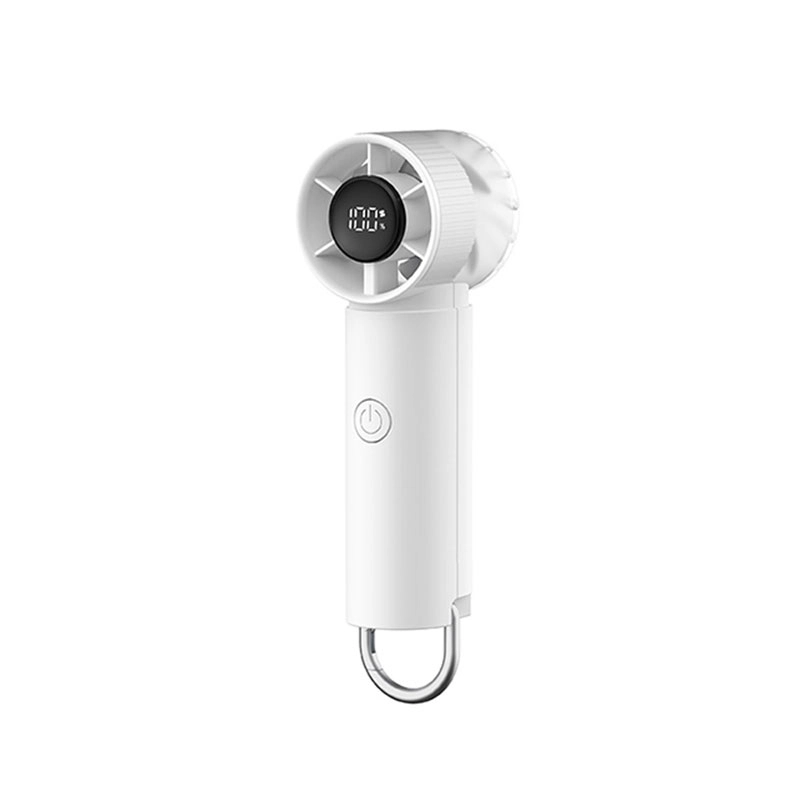
Customizable lightweight mini handheld cooling fan (with climbing hook) FS2667
This is a lightweight and portable + personalized customization product specially designed for commuters, students, the gift customization industry, and OEM/ODM buyers. It features (1) lightweight and easy portability, (2) a climbing buckle, and (3) a semi-transparent air duct design.
Get a Quote for Handheld Fan Solution
If you have any comments or good suggestions, please leave us a message; later our professional staff will contact you as soon as possible.
Contact


4th Floor, Building 3, Jurong Industrial Park, No. 27-1-1, Fu'an Industrial Zone,Leliu Town (Pancun), Shunde District, Foshan City, Guangdong Province
 Scan QR Code
YouTube
Twitter
Facebook