






Tips for buy best portable usb fan from China
- Why source portable USB fans from China?
- Market scale and buyer intent
- Regulatory environment and certifications
- How to evaluate product specifications
- Airflow (CFM) and fan type
- Battery capacity and charging
- Noise level (dB) and motor type
- Quality, certifications and compliance
- Essential certifications and documentation
- Sample inspection and third-party testing
- Supply chain, production and OEM/ODM considerations
- MOQ, tooling, and lead time
- Quality control (IQC, IPQC, OQC)
- Packing, labeling and market compliance
- Negotiation, pricing and logistics
- Cost components and hidden costs
- Shipping modes and lead-time planning
- After-sales support and warranty
- Checklist: How to pick the best portable USB fan
- Comparison table: key buyer questions
- Conclusion
- Frequently Asked Questions (FAQ)
- 1. What is the single most important spec when choosing a portable USB fan?
- 2. How do I verify a supplier’s certification claims?
- 3. Are bladeless fans better than bladed models?
- 4. What are realistic lead times for custom portable fans?
If you’re searching for the best portable USB fan from China, this guide helps buyers quickly identify reliable suppliers, compare critical specs (airflow, battery life, noise), verify certifications (CE, FCC, UL, ISO9001), and set up OEM/ODM production. It includes practical sourcing tips, inspection checkpoints, and a purchasing checklist tailored for e-commerce sellers and retail brands seeking high-quality handheld and portable USB fans.
Why source portable USB fans from China?
China remains the leading global manufacturing base for small consumer electronics, including handheld and portable USB fans. Sourcing from China allows buyers to access diversified designs, rapid prototyping, competitive pricing, and established supply chains for components such as micro-USB/USB-C power modules, brushless DC motors, batteries, and injection-molded housings. RYW Technology Co., Ltd., founded in 2018, exemplifies a vertically integrated partner with a 4,000 m² facility, three production lines and an in-house R&D team of 30+ experts, offering OEM and ODM services for Ice-Cooling Fans and other portable cooling solutions.
Market scale and buyer intent
Buyers typically search for the best portable USB fan with intentions such as: sourcing private-label products for e-commerce, finding OEM partners for retail SKUs, or comparing specs to choose finished products for resale. Understanding that intent helps tailor your supplier conversations around lead times, minimum order quantities (MOQs), and certification timelines.
Regulatory environment and certifications
Electronic handheld devices must meet regional safety and EMC requirements. Common credentials include CE/UKCA (EU/UK), FCC (USA), UL (safety testing), PSE (Japan), KC (Korea), and CCC (China). ISO 9001 demonstrates quality management systems. For background, see the ISO 9001 overview and the EU CE marking guidance (CE marking).
How to evaluate product specifications
Technical specifications determine user experience. Focus on parameters that affect comfort, portability, and reliability.
Airflow (CFM) and fan type
Airflow, commonly measured in cubic feet per minute (CFM), indicates cooling power. For portable USB fans, typical ranges are:
| Fan Type | Typical Airflow (CFM) | Use Case |
|---|---|---|
| Mini desk / handheld | 10–45 CFM | Personal cooling at close range |
| Clip-on | 15–60 CFM | Attach to stroller, desk, bed frame |
| Neck / wearable | 8–30 CFM | Hands-free, personal airflow |
| Bladeless / enclosed | 10–70 CFM (varies) | Safer, smoother airflow, often higher cost |
Note: CFM values for small portable fans vary by design and motor power. Compare the manufacturer’s test methods (fan test chamber, standardized conditions) when possible.
Battery capacity and charging
Battery life impacts portability. Typical battery capacities are 1,500–10,000 mAh in consumer portable fans. Expect 3–12+ hours of run time depending on speed settings and motor efficiency. Modern fans often include USB-C fast charging and support pass-through operation while charging. Ask suppliers for discharge curves or run-time tests at each speed to verify claims.
Noise level (dB) and motor type
Noise is measured in decibels (dB). Portable fans usually operate in the 20–60 dB range. Brushless DC (BLDC) motors are more energy-efficient, quieter, and longer-lasting than brushed motors; for quieter operation look for BLDC with PWM speed control. For context, a normal conversation is around 60 dB and a quiet library is around 30–40 dB.
Quality, certifications and compliance
Certifications and lab testing validate safety and market access. Ask for original certificates and test reports; sample testing by an independent lab is often worthwhile for large orders.
Essential certifications and documentation
- ISO 9001: Quality management system. (See iso.org.)
- CE / UKCA: Mandatory for EU/UK market entry. See EU guidance: CE marking.
- FCC: FCC Part 15 for electronic emissions in the U.S. (FCC overview: fcc.gov).
- UL / ETL: Safety testing for North America (UL info: ul.com).
- Battery tests: UN38.3 for lithium battery air transport safety; IEC 62133 for battery cell/packs.
Sample inspection and third-party testing
Before full production, require pre-production samples and a third-party test report verifying safety (electrical, battery, flammability) and EMC where applicable. Independent labs like UL, Intertek, SGS or TÜV can perform these tests and issue reports you can use for customs and marketplaces.
Supply chain, production and OEM/ODM considerations
Managing manufacturing and logistics determines cost, lead time and product consistency.
MOQ, tooling, and lead time
Typical MOQs depend on product complexity. For standard designs, MOQs can be a few hundred to a thousand units; customized molds or tooling increase MOQs and lead times (4–8+ weeks for tooling). RYW Technology offers rapid prototyping and agile development to shorten iteration cycles for OEM/ODM projects.
Quality control (IQC, IPQC, OQC)
Implement multilayered quality control:
- IQC (Incoming Quality Control) — inspect components (motors, batteries, PCBs, housings).
- IPQC (In-Process QC) — check assemblies during production runs (wiring, soldering, balance).
- OQC (Outgoing QC) — perform functional tests (run-time, noise, airflow) on finished units before shipment.
Packing, labeling and market compliance
Ensure packaging meets retail and marketplace requirements (barcodes/UPC, multilingual manuals, safety labels). For marketplaces like Amazon, follow their packaging and battery handling guidelines to avoid delisting or shipping restrictions.
Negotiation, pricing and logistics
Getting the best price without sacrificing quality requires transparency and benchmarking.
Cost components and hidden costs
Price factors include BOM components (motor, battery, PCB), assembly labor, tooling, certifications, testing, packaging, freight and duties. Ask suppliers for a cost breakdown to identify savings opportunities (alternative motors, battery suppliers, or simplified packaging).
Shipping modes and lead-time planning
For sample orders air freight is fastest; for bulk shipments consider sea freight (cheaper but slower). Plan 8–12 weeks total for custom products (tooling, production, testing, and shipping) and shorter for stock orders (2–6 weeks).
After-sales support and warranty
Clarify warranty terms, RMA turnaround, and spare parts availability. A reliable supplier offers clear warranty policies and supports replacement parts for at least 12 months.
Checklist: How to pick the best portable USB fan
Use this actionable checklist during supplier selection and sample review:
- Request company profile, factory photos, ISO 9001 certificate and customer references.
- Verify safety certifications and battery test reports (UN38.3, IEC 62133, CE/FCC/UL as required).
- Obtain detailed BOM and unit cost breakdown.
- Test sample for airflow (CFM), battery run-time at each speed, noise (dB), charging time, and build quality.
- Check IP rating if water resistance is claimed (e.g., IPX4 for splash resistance).
- Confirm MOQ, tooling costs, lead times, packaging and labeling options.
- Arrange third-party inspection (AQL sampling) and pre-shipment testing.
Comparison table: key buyer questions
| Buyer Question | What to request from supplier |
|---|---|
| Is the airflow sufficient? | Request measured CFM and testing conditions. |
| How long will the battery last? | Ask for runtime charts at different speed levels and battery mAh. |
| Is it safe to ship by air? | Obtain UN38.3 battery test report and manufacturer declaration. |
| Can my brand be applied? | Confirm OEM/ODM capabilities, MOQ for custom branding and packaging. |
Conclusion
Sourcing the best portable USB fan from China requires a balance of technical evaluation, supplier verification, and supply-chain planning. Prioritize measurable specs (CFM, battery runtime, noise), confirm safety and battery certifications, and insist on sample and third-party testing before committing to large orders. Working with an experienced, vertically integrated manufacturer—such as RYW Technology Co., Ltd., which provides in-house design, rapid prototyping, and global certifications (ISO9001, CE, FCC, UL and others)—reduces risk and accelerates time-to-market.
Frequently Asked Questions (FAQ)
1. What is the single most important spec when choosing a portable USB fan?
It depends on use case, but for most buyers airflow (CFM) combined with battery runtime matters most. High CFM with poor battery life or excessive noise undermines the user experience.
2. How do I verify a supplier’s certification claims?
Request scanned original certificates and lab reports, then cross-check certificate numbers with issuing bodies or request a copy of the testing lab’s report. For added assurance, commission a third-party testing lab (e.g., UL, Intertek, SGS, TÜV) to validate key claims.
3. Are bladeless fans better than bladed models?
Bladeless or enclosed designs are generally safer and can feel smoother, but they may cost more and differ in airflow characteristics. Choose based on target user preferences, price point, and retail positioning.
4. What are realistic lead times for custom portable fans?
For custom designs: 8–16 weeks (tooling, prototyping, certification, production). For off-the-shelf models: 2–6 weeks depending on stock and shipping method.
About RYW Technology Co., Ltd.: Founded in 2018, RYW is the originator of the Ice-Cooling Fan, integrating design, R&D, manufacturing and sales to create ergonomic, user-friendly portable cooling solutions. Our 4,000 m² factory, three production lines and 30+ R&D experts support professional OEM and ODM services and global certifications, including ISO9001, CE, CB, UKCA, PSE, KC, UL, FCC and CCC. We serve clients across North America, Europe and Asia.
References: Fan basics and technology overview: Wikipedia - Fan (machine). ISO 9001 quality management: ISO.org. CE marking guidance: EU CE guidance. FCC overview: fcc.gov. USB standards and power delivery: USB Implementers Forum.
Contact us to discuss OEM/ODM options or request samples: adrian@rywlife.com.
For custom designs and bulk sourcing of the best portable USB fan, contact RYW at adrian@rywlife.com to get a tailored quote and prototype timeline.
Top mini air cooler fan Manufacturers and Suppliers
Top mini handheld fans Manufacturers and Suppliers
Tips for buy best portable fan from China
Top best mini fan portable Manufacturers and Suppliers
About Logistics
Do you offer freight forwar ding support?
Can you ship to my country?
About Products
How long is the quarantee?
About Customization
Can you provide customized packaging and labels?
Yes, the MOQ is 1,000
What is the MOQ for custom logo?
You May Also Like
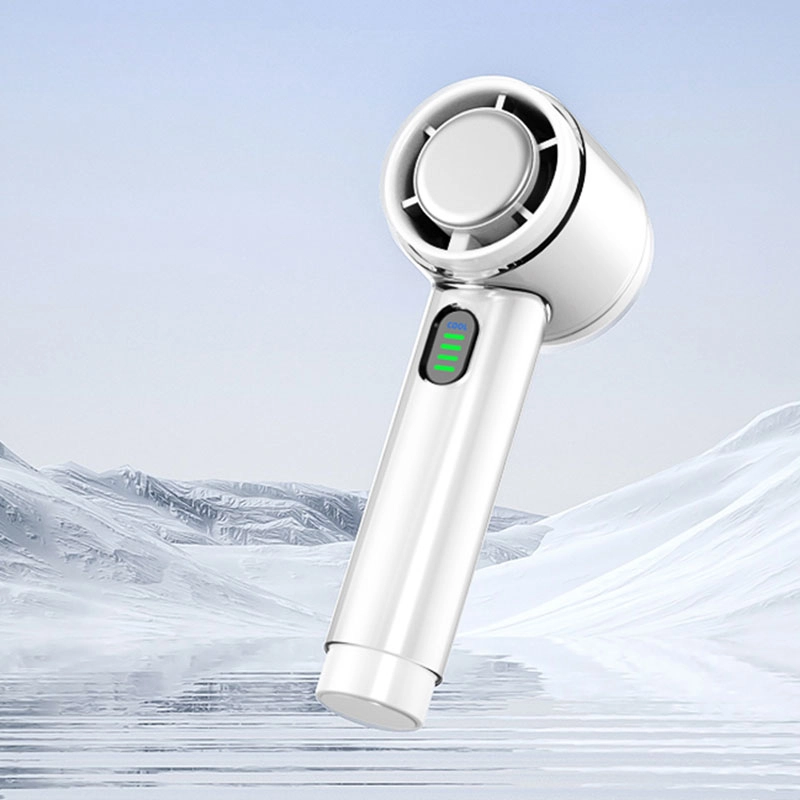
Customizable high-speed handheld cooling fan FS2554
A high-speed, long-lasting, personalized, custom portable cooling product specially designed for commuters, outdoor camping enthusiasts, gift buyers, cross-border e-commerce sellers, and OEM/ODM cooperation enterprises. It features (1) strong wind speed, (2) semiconductor cooling, (3) transparent shell design, (4) hand rope attachment for easy carrying, and (5) long battery life.
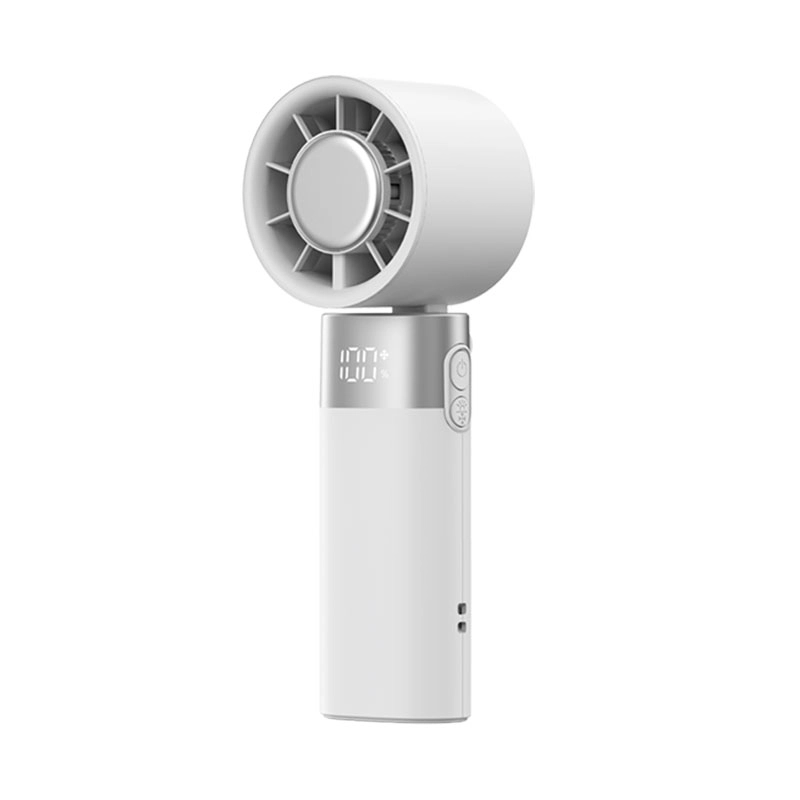
Reliable Handheld Cooling Solution for Bulk & Corporate Purchases
This premium handheld fan is designed for high-frequency, large-volume usage, making it an ideal cooling solution for corporate procurement, promotional distribution, employee welfare programs, and retail wholesale.
With stable airflow performance, a rechargeable design, and lightweight portability, it helps businesses deliver practical comfort products with strong perceived value while maintaining cost efficiency and supply reliability.
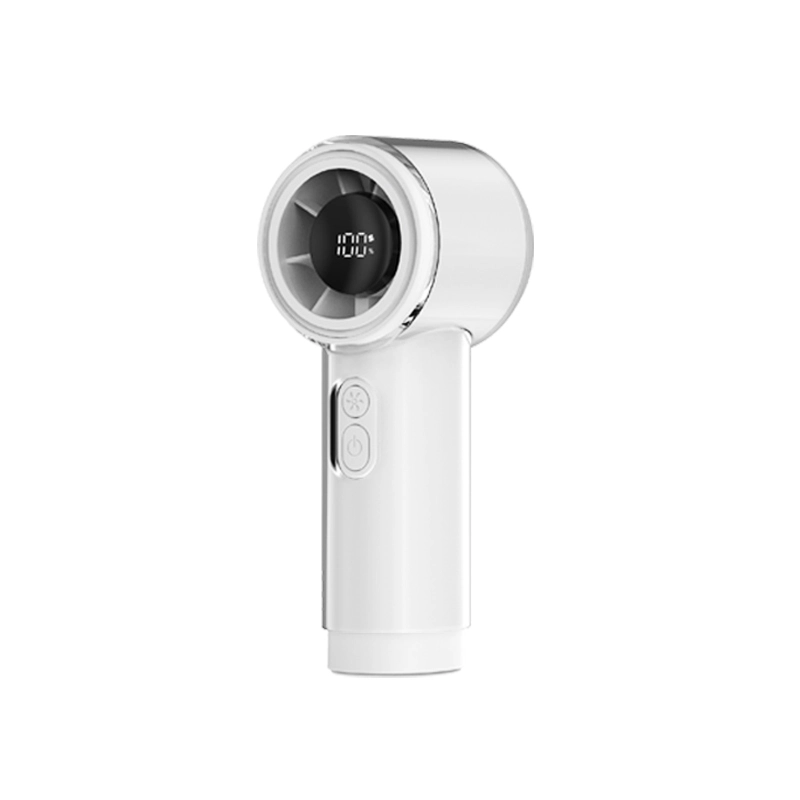
Customizable High-Speed Portable Handheld Fan FS2663
This is a high-speed, long-lasting, personalized, custom, portable cooling product specially designed for gift purchasers, cross-border e-commerce sellers, and OEM/ODM cooperation enterprises. It features (1) strong wind speed, (2) lightweight portability, (3) transparent shell design, (4) convenient carrying with a hand rope, and (5) long battery life. It helps enterprises enhance brand exposure, product differentiation competitiveness, and customer repeat purchase rate.
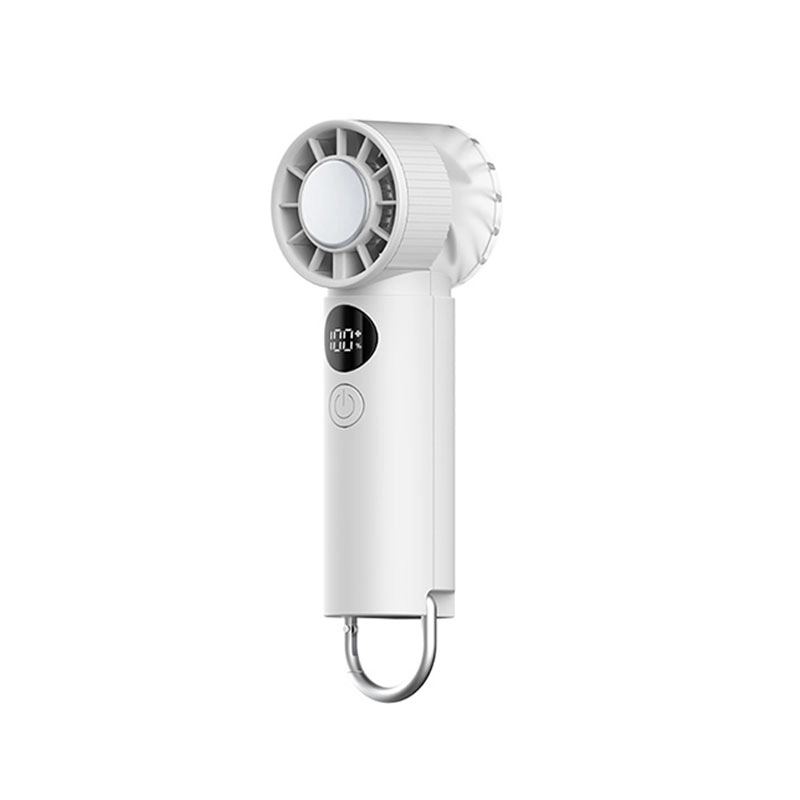
Customizable lightweight mini handheld cooling fan (with climbing hook) FS2666
A portable cooling and personalized customization product specially designed for commuters, students, the gift customization industry, and OEM/ODM buyers. It features (1) lightweight and easy portability, (2) a climbing buckle, and (3) semiconductor cooling.
Get a Quote for Handheld Fan Solution
If you have any comments or good suggestions, please leave us a message; later our professional staff will contact you as soon as possible.
Contact


4th Floor, Building 3, Jurong Industrial Park, No. 27-1-1, Fu'an Industrial Zone,Leliu Town (Pancun), Shunde District, Foshan City, Guangdong Province
 Scan QR Code
YouTube
Twitter
Facebook