






Tips for buy best handheld fan from China
- Understanding portable cooling technologies
- Types of handheld fans and how they cool
- Key performance metrics buyers should know
- Typical spec ranges (realistic expectations)
- How to choose the best handheld fan from China
- Define end‑use and priorities — portability, cooling power, or safety?
- Design, ergonomics and user experience
- Performance testing you should require
- Sourcing, certifications, and quality controls
- Which certifications matter and why
- Supplier audits and in‑line quality checks
- Battery safety and transport rules
- Ordering, logistics and post‑sales support
- Minimum order quantities (MOQs) and customization options
- Packing, labeling and export documentation
- Warranty, spare parts, and after‑sales
- Comparing common handheld fan types (quick reference)
- Frequently asked questions (FAQ)
- How do I verify the supplier actually meets certifications?
- What sample tests should I run before a bulk order?
- Is it safer to buy from an ISO‑certified factory?
- Conclusion
- References
This article helps buyers worldwide find the best handheld fan from China by focusing on supplier capability, international certifications, product performance metrics (battery capacity, run time, airflow, noise), and export-ready quality controls. It is optimized for geographic search by addressing compliance for North America, Europe, and Asia, and by referencing global standards and authoritative sources for safety and quality.
Understanding portable cooling technologies
Types of handheld fans and how they cool
Handheld fans fall into several engineering categories: traditional bladed fans (axial), bladeless/air-multiplying designs, and hybrid fans that add misting or ice‑cooling elements. Traditional bladed fans move air directly and are efficient for airflow per watt. Bladeless designs (using a brushless motor with an air multiplier) are quieter and perceived as safer for children. Ice‑cooling or evaporative fans combine air movement with phase change or humidity to reduce perceived temperature without refrigerants.
Key performance metrics buyers should know
When evaluating the best handheld fan, focus on measurable technical parameters:
- Airflow (measured in CFM or m³/h): indicates cooling effectiveness at a distance.
- Battery capacity (mAh) and chemistry (Li‑ion vs Li‑Polymer): affects run time and lifecycle.
- Motor type (brushless DC motors are preferred for longevity and efficiency).
- Noise level (dB): important for indoor/office use — typical ranges are 30–60 dB depending on speed.
- Charging standard (USB‑C fast charging vs micro‑USB) and safety protections (overcharge, short circuit).
Typical spec ranges (realistic expectations)
Manufacturers commonly ship small handheld fans with these typical specifications: battery 1,200–5,000 mAh; run time 2–20 hours depending on speed; airflow 10–120 CFM (or equivalent m³/h); noise 30–55 dB. These ranges help you set minimum acceptance criteria when asking suppliers for samples and datasheets.
How to choose the best handheld fan from China
Define end‑use and priorities — portability, cooling power, or safety?
Start by clarifying your customer: commuters need compact, light fans (200–300 g) with 2–6 hours run time; outdoor users value higher airflow and power banks; office consumers prioritize low noise and elegant design. These end‑use priorities determine acceptable battery size, weight, and cost targets.
Design, ergonomics and user experience
RYW's philosophy, Refined in Heart, Simple in Form, highlights why ergonomics matter: handle diameter, button placement, and grille design affect perceived comfort and safety. Request 3D renders and prototypes to verify grip comfort, weight distribution, and stability when placed on a desk.
Performance testing you should require
Insist on quantified measurements from suppliers: airflow (CFM or m³/h) at each speed setting, runtime tests at high/medium/low, and sound level (dB(A)) at 1 meter. Ask for test reports or run independent lab verification. Use standardized test conditions (room temperature, humidity) and sample size (3–5 units) to avoid cherry‑picked data.
Sourcing, certifications, and quality controls
Which certifications matter and why
For global distribution, the most important marks are CE (Europe), FCC/UL (North America), UKCA (UK), PSE/KC (Japan/ Korea), and CCC (China domestic). These address electrical safety, electromagnetic compatibility, and other regulatory requirements. Learn more about CE marking on the European Commission site: CE marking guidance. For quality systems, ISO 9001 remains the globally recognised benchmark — see ISO 9001.
Supplier audits and in‑line quality checks
Ask for factory capability evidence: production lines, test benches, and an R&D team. RYW Technology, for example, operates a 4,000 m² facility with three production lines and an in‑house R&D team of 30+ engineers, enabling rapid prototyping and consistent quality control. Require supplier photos/videos, third‑party factory audits (Bureau Veritas/Intertek), and regular in‑line inspections for components like battery packs and motors.
Battery safety and transport rules
Lithium batteries are the most common energy source and must meet UN38.3 for air transport and IEC 62133 for cell and battery safety. Check battery labels and test certificates during sampling. For official guidance on electrical safety standards consult IEC/IEEE resources and certification bodies such as UL and FCC.
Ordering, logistics and post‑sales support
Minimum order quantities (MOQs) and customization options
Chinese manufacturers commonly set MOQs depending on customization complexity: 500–2,000 units for custom molds and branding, but lower MOQs (100–300) are often possible for standard models or private‑label changes. OEM/ODM partners like RYW offer flexible prototyping and small runs to validate market fit before scaling.
Packing, labeling and export documentation
Ensure packaging meets retail standards and regulatory labeling (CE/FCC/UKCA marks where required). Clarify Incoterms (EXW, FOB, CIF) and request pre‑shipment inspection reports. For shipments containing lithium batteries, ensure the logistics partner is experienced in IATA/IMDG rules and that documentation (MSDS, UN38.3) is included.
Warranty, spare parts, and after‑sales
Negotiate warranty terms (12–24 months is common for electronics) and a spare parts policy. Confirm lead times for spare batteries, motors, and PCBs. Ask suppliers to include a troubleshooting guide and user manual in the target market language to reduce returns.
Comparing common handheld fan types (quick reference)
| Type | Airflow | Typical Battery | Noise | Best for |
|---|---|---|---|---|
| Bladed axial fan | 30–120 CFM | 2,000–5,000 mAh | 35–60 dB | High airflow, low cost |
| Bladeless (air multiplier) | 20–90 CFM (smoother flow) | 1,500–4,000 mAh | 30–50 dB | Safety, quiet operation, High Quality design |
| Evaporative / Ice‑cooling hybrid | 15–80 CFM + cool feel | 2,000–5,000 mAh | 35–55 dB | Perceived cooling in dry hot climates |
Frequently asked questions (FAQ)
How do I verify the supplier actually meets certifications?
Request copies of certificates and search the issuing body's database where possible. For CE, request a signed Declaration of Conformity. For UL/FCC, verify the specific file numbers on the agency's database. Third‑party testing labs (SGS, Intertek) can provide independent verification.
What sample tests should I run before a bulk order?
Run functional tests (runtime, airflow, noise), drop tests, battery charge/discharge cycles, and EMC tests. If you plan to market in the EU or US, perform regulatory pre‑compliance EMC and safety tests to avoid later surprises.
Is it safer to buy from an ISO‑certified factory?
ISO 9001 certification indicates a formal quality management system and consistent processes, which reduces variability. It is not a product safety certificate, but combined with product‑level tests (IEC 62133, UN38.3), ISO 9001 gives stronger assurance of consistent manufacturing quality. See ISO 9001 overview.
Conclusion
Finding the best handheld fan from China requires a clear specification of your end‑user needs, rigorous verification of supplier capabilities and certifications, and well‑defined testing protocols. Prioritize suppliers who provide transparent test data, factory audits, and reliable after‑sales support. For brands, partnering with an experienced OEM/ODM like RYW Technology — with in‑house design, ISO9001 accreditation, and multiple global certifications — reduces time to market and ensures compliance for major markets including North America, Europe, and Asia.
If you want help evaluating suppliers, reviewing specifications, or developing a custom handheld fan, contact RYW at adrian@rywlife.com — we offer prototyping, testing, and global compliance support.
References
Top hand Fan Manufacturers and Suppliers
OEM/ODM best handheld fan for travel Manufacturers and Suppliers
Tips for buy best mini fan from China
OEM/ODM best handheld mini fan Manufacturers and Suppliers
About Products
How to order?
Can l order samples for testing?
About Customization
Can you provide customized packaging and labels?
Yes, the MOQ is 1,000
About Logistics
What payment methods do you accept?
About Cooperation
3.How long does it take from inquiry to delivery
You May Also Like
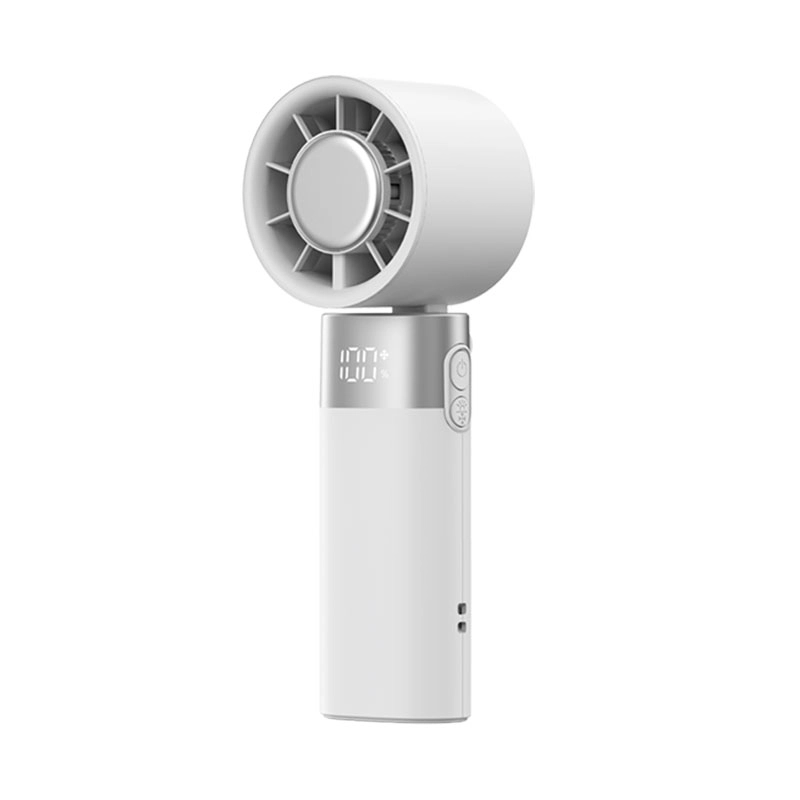
Reliable Handheld Cooling Solution for Bulk & Corporate Purchases
This premium handheld fan is designed for high-frequency, large-volume usage, making it an ideal cooling solution for corporate procurement, promotional distribution, employee welfare programs, and retail wholesale.
With stable airflow performance, a rechargeable design, and lightweight portability, it helps businesses deliver practical comfort products with strong perceived value while maintaining cost efficiency and supply reliability.
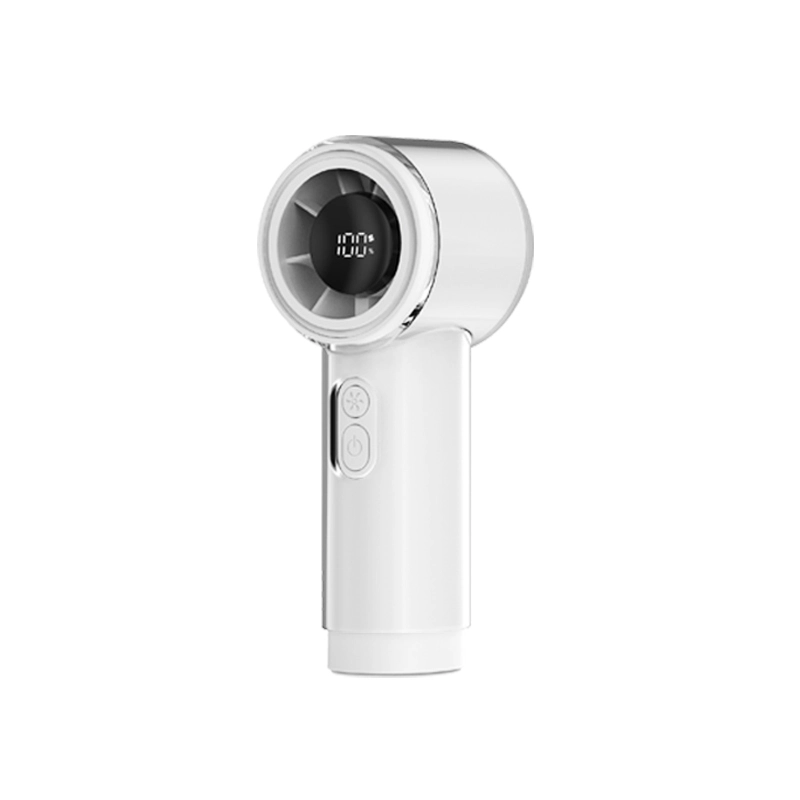
Customizable High-Speed Portable Handheld Fan FS2663
This is a high-speed, long-lasting, personalized, custom, portable cooling product specially designed for gift purchasers, cross-border e-commerce sellers, and OEM/ODM cooperation enterprises. It features (1) strong wind speed, (2) lightweight portability, (3) transparent shell design, (4) convenient carrying with a hand rope, and (5) long battery life. It helps enterprises enhance brand exposure, product differentiation competitiveness, and customer repeat purchase rate.
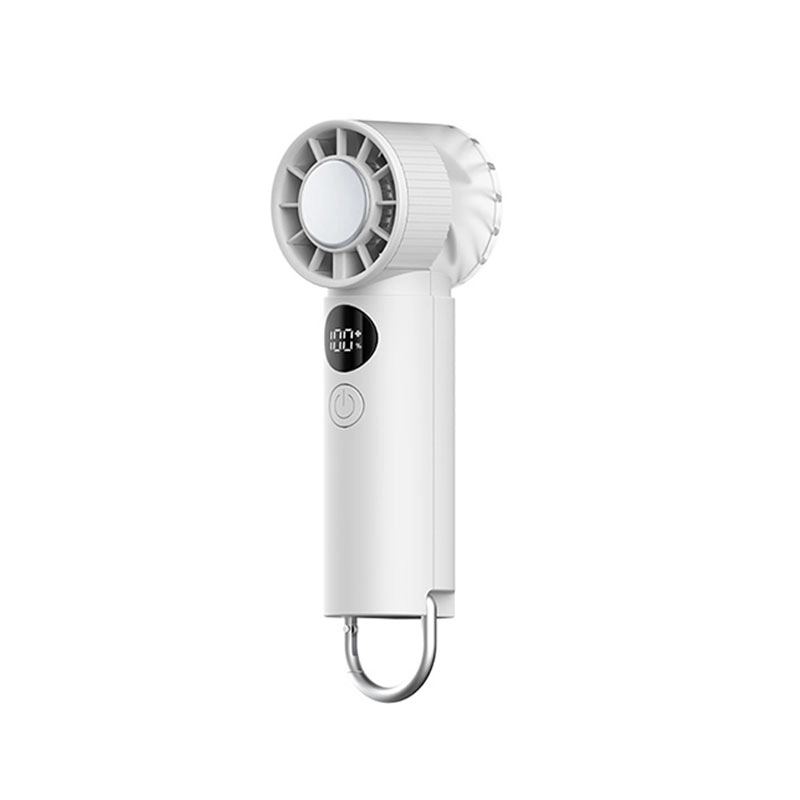
Customizable lightweight mini handheld cooling fan (with climbing hook) FS2666
A portable cooling and personalized customization product specially designed for commuters, students, the gift customization industry, and OEM/ODM buyers. It features (1) lightweight and easy portability, (2) a climbing buckle, and (3) semiconductor cooling.
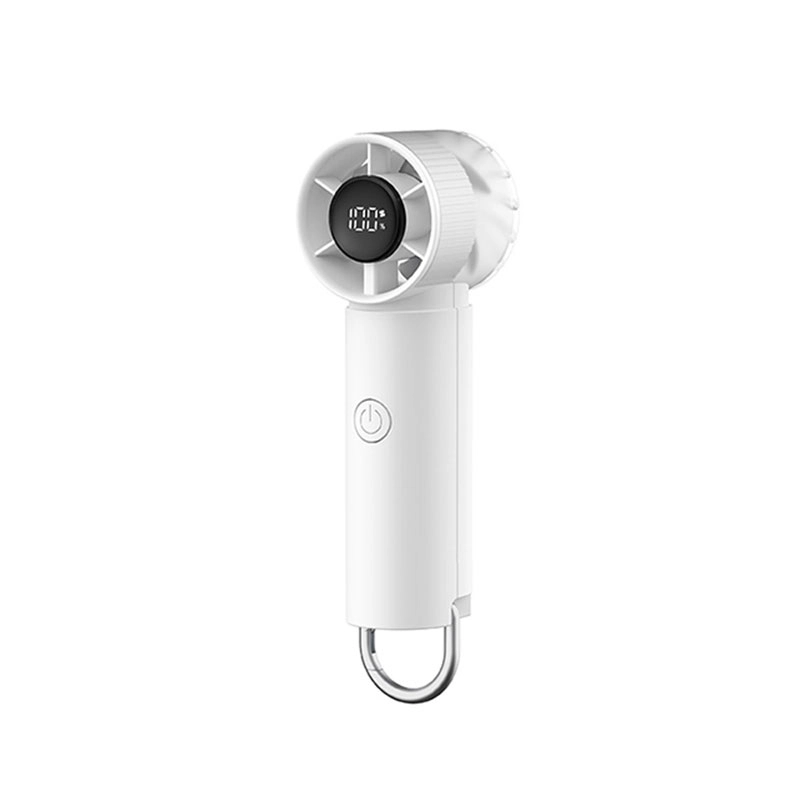
Customizable lightweight mini handheld cooling fan (with climbing hook) FS2667
This is a lightweight and portable + personalized customization product specially designed for commuters, students, the gift customization industry, and OEM/ODM buyers. It features (1) lightweight and easy portability, (2) a climbing buckle, and (3) a semi-transparent air duct design.
Get a Quote for Handheld Fan Solution
If you have any comments or good suggestions, please leave us a message; later our professional staff will contact you as soon as possible.
Contact


4th Floor, Building 3, Jurong Industrial Park, No. 27-1-1, Fu'an Industrial Zone,Leliu Town (Pancun), Shunde District, Foshan City, Guangdong Province
 Scan QR Code
YouTube
Twitter
Facebook