






OEM/ODM best handheld mini fan Manufacturers and Suppliers
- How to choose the right handheld mini fan for RYW
- Key performance metrics buyers use
- Battery, charging, and safety expectations
- Durability, IP rating and real-world testing
- OEM vs. ODM: choosing the right partnership model
- OEM (Original Equipment Manufacturer): when and why to choose
- ODM (Original Design Manufacturer): speed and design assistance
- Cost, lead time and IP considerations
- What the best handheld mini fan manufacturers and suppliers must provide
- Manufacturing capacity and quality assurance (why it matters)
- Prototyping, tooling and agile development
- Certifications and regulatory compliance
- Design, materials and testing best practices for high-rated handheld mini fans
- Ergonomics, airflow design and perceived cooling
- Motor technology, noise control and efficiency
- Sustainability, materials and end-of-life considerations
- Benchmarks: Typical specifications for the best handheld mini fans
- Frequently Asked Questions (FAQs)
- Q: What defines the best handheld mini fan?
- Q: How do I verify a supplier’s OEM/ODM capability?
- Q: What are reasonable lead times for OEM and ODM handheld fans?
- Conclusion
- References and further reading
OEM/ODM best handheld mini fan Manufacturers and Suppliers: a practical guide that highlights manufacturing scale, certifications, and regional compliance to help global buyers (North America, Europe, Asia) find reliable partners for portable cooling solutions. Includes product-spec benchmarks, testing expectations, and how RYW Technology’s 4,000 m² facility, 3 production lines and ISO9001-backed quality system accelerate safe, compliant handheld fan launches.
How to choose the right handheld mini fan for RYW
Key performance metrics buyers use
When sourcing the best handheld mini fan, buyers evaluate objective metrics that affect user comfort and satisfaction. Important indicators include airflow (commonly expressed in CFM or m³/h), battery capacity and runtime (mAh and hours), noise level (dB), and weight (g). For a consistent user experience, vendors often publish: peak airflow, multi-speed runtimes, and real-world charging times (USB-C PD vs. standard USB).
Battery, charging, and safety expectations
Portable fans rely on lithium-ion or polymer cells. Buyers should require: declared cell capacity (mAh), charge/discharge protection circuits, and compliance with transport and safety frameworks such as UN 38.3 for lithium batteries. For electronics compliance, look for FCC (for US), CE/UKCA (for EU/UK) and other regional marks to ensure electromagnetic and safety compliance. See CE guidance from the European Commission (ec.europa.eu) and FCC basics (fcc.gov).
Durability, IP rating and real-world testing
Demand test reports showing drop resistance, blade containment testing and any ingress protection (IP) rating if the product is water-resistant. A good supplier runs lifecycle motor tests (e.g., hours-to-failure), battery cycle tests, and thermal checks at full load. Ask for accelerated aging or MTBF data where available to substantiate durability claims.
OEM vs. ODM: choosing the right partnership model
OEM (Original Equipment Manufacturer): when and why to choose
OEMs manufacture to your design and specifications. Choose OEM when you have a finalized product, want to control BOM selection and maintain a unique brand design. Benefits: closer control over components, intellectual property protection for your design, and typically lower unit cost at scale. Risks: you need product engineering resources and more lead time for tooling if molds or custom parts are required.
ODM (Original Design Manufacturer): speed and design assistance
ODM suppliers provide a near-ready design you can brand and adjust. This model is faster to market and reduces initial R&D costs—ideal for e-commerce sellers or retailers who need rapid SKU expansion. High-quality ODMs offer configurable design elements (colors, branding, slight feature variants) while handling compliance testing and production optimization.
Cost, lead time and IP considerations
Typical tradeoffs are:
| Factor | OEM | ODM |
|---|---|---|
| Design control | High | Moderate |
| Time to market | Longer (customization) | Shorter |
| Initial cost and tooling | Higher (custom tooling) | Lower |
| IP protection | Easier to enforce | Requires clear contracts |
What the best handheld mini fan manufacturers and suppliers must provide
Manufacturing capacity and quality assurance (why it matters)
Suppliers should document plant size, production lines, output capacity, and QA processes. For example, RYW Technology operates a 4,000 m² modern facility with three production lines and an in-house R&D team of 30+ experts—capabilities that support rapid prototyping and volume production. An ISO9001 quality system is a baseline expectation for repeatable manufacturing quality (iso.org).
Prototyping, tooling and agile development
Top-tier suppliers provide fast prototyping (3D printed and functional prototypes), iterative firmware updates for motor control, and pilot runs to validate manufacturability. If your supplier offers both OEM and ODM, confirm timelines: prototype iteration (typically 1–4 weeks per cycle for simple changes), pilot production (2–6 weeks), and mass production scale-up.
Certifications and regulatory compliance
Verify that the manufacturer holds relevant safety and EMC certifications (CE, FCC, UKCA, PSE for Japan, KC for Korea, UL for North America where applicable). Battery and electrical safety tests should reference recognized frameworks such as UL standards for battery safety and transport compliance documents. RYW lists CE, CB, UKCA, PSE, KC, UL, FCC and CCC among its portfolio—an indicator of broad-market readiness. For more on safety standards and market marks, consult UL (ul.com) and the FCC (fcc.gov).
Design, materials and testing best practices for high-rated handheld mini fans
Ergonomics, airflow design and perceived cooling
Effective personal cooling relies not only on peak airflow but on perceived cooling—air velocity at face level, blade design, and nozzle shaping. Fan blade geometry, motor speed control and air guide design all affect airflow distribution and user comfort. Ergonomic handle design, weight balance and surface finish influence the handheld experience and user retention.
Motor technology, noise control and efficiency
Brushless DC (BLDC) motors are common in best-in-class handheld fans because they deliver higher efficiency, lower noise, and longer life than brushed motors. When discussing motor specs with suppliers, ask for power consumption (W), RPM at each speed, and measured sound levels (dB) at a standardized distance (typically 1 meter). Noise targets for comfortable handheld fans commonly fall between 20–45 dB depending on speed.
Sustainability, materials and end-of-life considerations
Increasingly, buyers expect responsible materials selection (recycled plastics where feasible), minimal single-use packaging, and clear end-of-life recycling instructions. Suppliers should be able to share material declarations, flame retardant substances (if any), and packaging weight reductions. For cross-border shipments, ensure compliance with regional substance restrictions like RoHS for electronics in applicable markets.
Benchmarks: Typical specifications for the best handheld mini fans
Below is a practical spec comparison to help buyers set product targets. Values represent typical ranges across consumer handheld mini fans and are useful as procurement targets when specifying 'best handheld mini fan' performance.
| Category | Ultra-compact | Standard | High-performance |
|---|---|---|---|
| Airflow (CFM) | 20–40 | 40–70 | 70–120 |
| Battery (mAh) | 1,200–2,200 | 2,200–4,000 | 4,000–6,000+ |
| Runtime (hours, mixed speeds) | 2–6 | 4–12 | 8–24 |
| Noise (dB) | 20–40 | 25–45 | 30–50 (at high speed) |
| Weight (g) | 80–150 | 120–250 | 200–350 |
| Charging | Micro-USB/Type-C 5V | Type-C Fast Charge 5–9V | Type-C PD with quick charge options |
Frequently Asked Questions (FAQs)
Q: What defines the best handheld mini fan?
A: The best handheld mini fan balances real-world airflow, low noise, safe and reliable battery performance, and robust build quality. It should meet regional safety standards (e.g., CE/FCC/UL) and provide clear performance data (runtime at each speed, measured dB, and airflow). Reviews and objective test reports matter more than marketing terms.
Q: How do I verify a supplier’s OEM/ODM capability?
A: Request factory photos, production-line videos, sample reports for prototyping, and copies of certifications (ISO9001, CE/FCC/UL). Ask for recent references or customer case studies and a visit (in-person or virtual) to witness QA processes and pilot production runs.
Q: What are reasonable lead times for OEM and ODM handheld fans?
A: Lead time varies by project scope. For ODM (minimal custom changes), expect 4–8 weeks for samples and 6–12 weeks for mass production depending on order quantity. For OEM with custom tooling, initial development may take 3–6 months including tooling, regulatory testing, and pilot runs. Confirm timelines during contract negotiation.
Conclusion
Finding the best handheld mini fan OEM/ODM manufacturer requires combining technical scrutiny (airflow, battery, noise), compliance verification (CE, FCC, UL, ISO9001), and operational due diligence (factory capability, prototyping speed, QA). Whether you choose OEM for full control or ODM for speed, prioritize suppliers that can demonstrate test data, certification evidence, and a track record of launching products into North America, Europe and Asia. RYW Technology—backed by a 4,000 m² facility, three production lines, 30+ R&D experts and multiple global certifications—offers end-to-end OEM/ODM capability to turn concepts into market-ready handheld fans and portable cooling solutions.
References and further reading
- Fan (machine) — Wikipedia
- ISO 9001 — Quality management systems (ISO)
- CE marking — European Commission
- Federal Communications Commission (FCC)
- UL — Safety science
Contact RYW Technology to discuss OEM/ODM handheld mini fan projects and rapid prototyping at adrian@rywlife.com.
OEM/ODM usb powered fan Manufacturers and Suppliers
Tips for buy best handheld fan from China
Tips for buy best portable usb fan from China
Top best hand held fan Manufacturers and Suppliers
About Logistics
What payment methods do you accept?
About Cooperation
3.How long does it take from inquiry to delivery
About Customization
What is the MOQ for custom logo?
About Company
What's the difference between RYW products and others?
What is RYW main product for factory?
You May Also Like
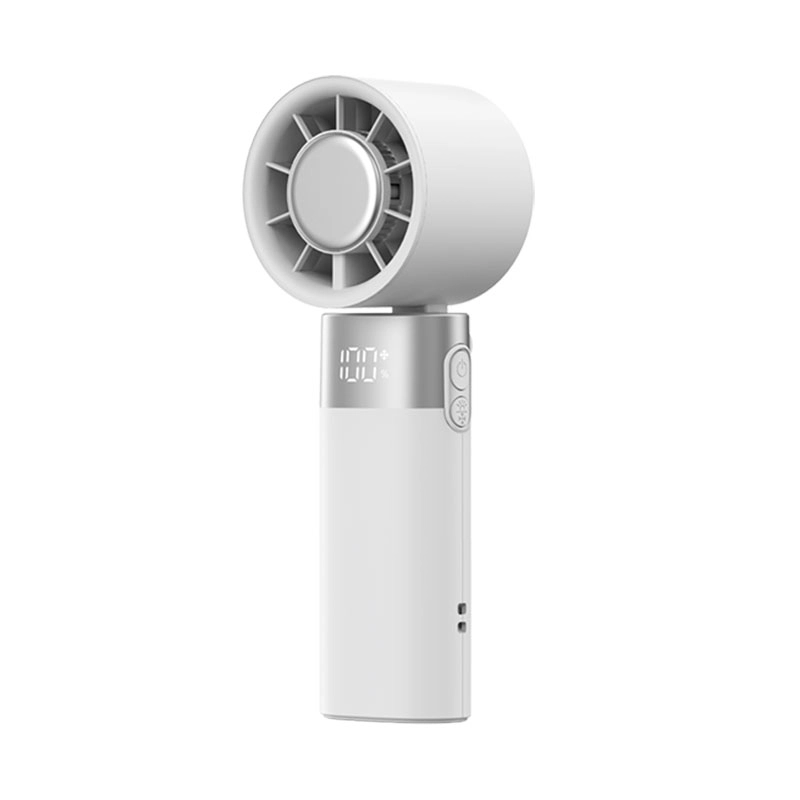
Reliable Handheld Cooling Solution for Bulk & Corporate Purchases
This premium handheld fan is designed for high-frequency, large-volume usage, making it an ideal cooling solution for corporate procurement, promotional distribution, employee welfare programs, and retail wholesale.
With stable airflow performance, a rechargeable design, and lightweight portability, it helps businesses deliver practical comfort products with strong perceived value while maintaining cost efficiency and supply reliability.
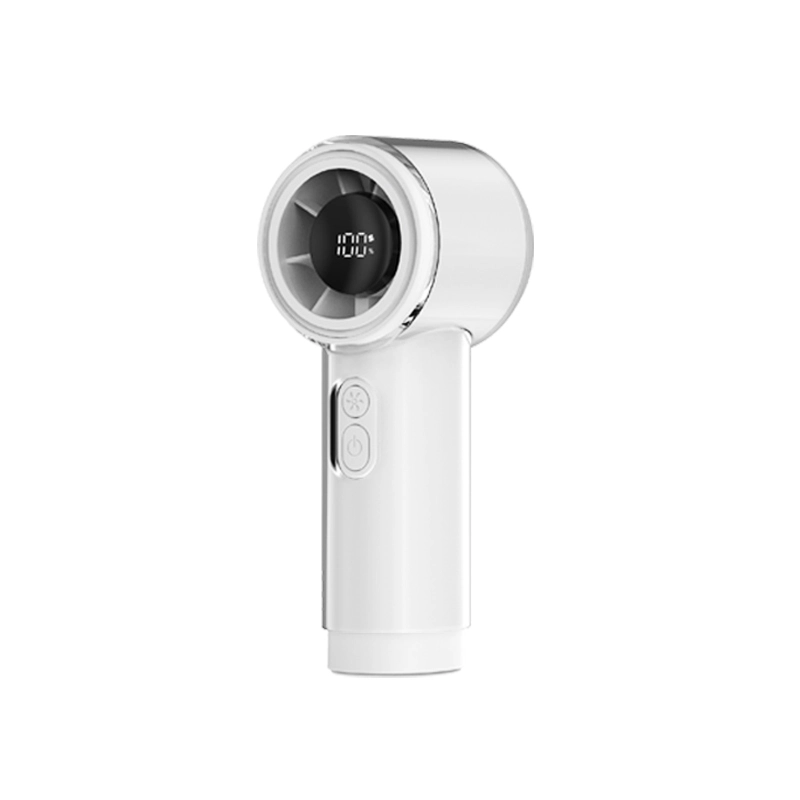
Customizable High-Speed Portable Handheld Fan FS2663
This is a high-speed, long-lasting, personalized, custom, portable cooling product specially designed for gift purchasers, cross-border e-commerce sellers, and OEM/ODM cooperation enterprises. It features (1) strong wind speed, (2) lightweight portability, (3) transparent shell design, (4) convenient carrying with a hand rope, and (5) long battery life. It helps enterprises enhance brand exposure, product differentiation competitiveness, and customer repeat purchase rate.
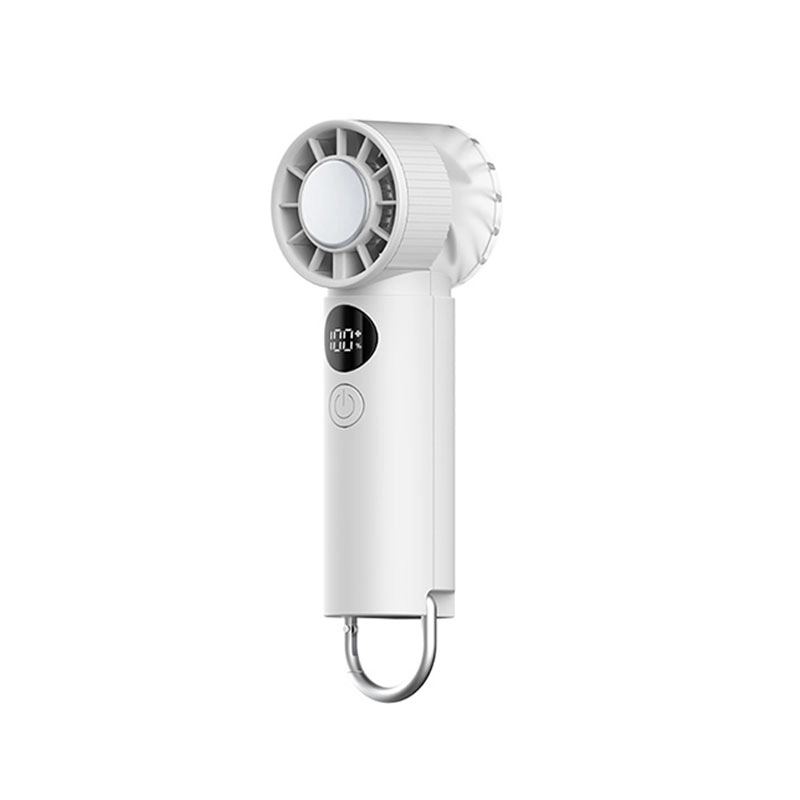
Customizable lightweight mini handheld cooling fan (with climbing hook) FS2666
A portable cooling and personalized customization product specially designed for commuters, students, the gift customization industry, and OEM/ODM buyers. It features (1) lightweight and easy portability, (2) a climbing buckle, and (3) semiconductor cooling.
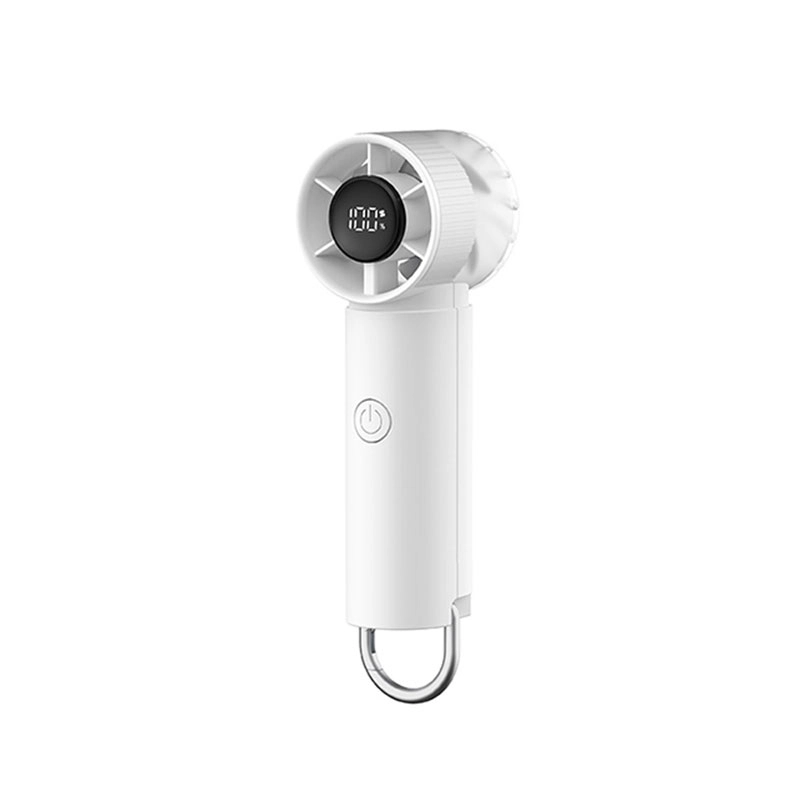
Customizable lightweight mini handheld cooling fan (with climbing hook) FS2667
This is a lightweight and portable + personalized customization product specially designed for commuters, students, the gift customization industry, and OEM/ODM buyers. It features (1) lightweight and easy portability, (2) a climbing buckle, and (3) a semi-transparent air duct design.
Get a Quote for Handheld Fan Solution
If you have any comments or good suggestions, please leave us a message; later our professional staff will contact you as soon as possible.
Contact


4th Floor, Building 3, Jurong Industrial Park, No. 27-1-1, Fu'an Industrial Zone,Leliu Town (Pancun), Shunde District, Foshan City, Guangdong Province
 Scan QR Code
YouTube
Twitter
Facebook