






Battery Types & Safety Standards for Handheld Fans
- Understanding Battery Basics for Portable Devices
- Common battery chemistries
- Energy density & runtime
- Form factor considerations
- Safety Standards, Regulations and Certification
- Major global standards (UL, IEC, CE)
- Testing and compliance process
- Labeling & documentation
- Designing Safe Custom Mini Fans
- Battery selection for custom mini fans
- Battery Management Systems (BMS) & protection
- Thermal management and enclosure design
- Operational Best Practices & End‑user Safety
- Charging, storage and transport
- Handling battery failures and recalls
- Disposal and recycling
- Bringing a Compliant Product to Market: Manufacturer Perspective
- Competitive advantages and technical strengths
- Frequently Asked Questions (FAQ)
I design and advise on handheld cooling solutions for global markets across North America, Europe and Asia. In this article I summarize battery types, critical safety standards, and practical design and operational guidance you need when developing or sourcing custom mini fans. The guidance below combines engineering best practices, regulatory references, and real-world lessons learned in manufacturing and compliance to help you deliver safe, reliable portable fans that meet market expectations.
Understanding Battery Basics for Portable Devices
Common battery chemistries
When specifying power for a custom mini fan, three chemistries dominate: lithium‑ion (Li‑ion), lithium polymer (Li‑Po), and nickel‑metal hydride (NiMH). Each has tradeoffs in energy density, form factor flexibility, cycle life and cost. Lithium technologies (Li‑ion and Li‑Po) offer the highest energy per weight and are most common in modern handheld fans; NiMH remains viable where cost and simpler charging are priorities. For technical background see the Wikipedia entries on Li‑ion and NiMH.
Energy density & runtime
Energy density directly affects runtime and size. Typical gravimetric energy densities are roughly:
| Battery Type | Typical Energy Density (Wh/kg) | Implication for Custom Mini Fans |
|---|---|---|
| Li‑ion | 150–250 | High runtime in compact housings; popular choice |
| Li‑Po | ~150–220 | Flexible shapes for slim fan designs |
| NiMH | 60–120 | Lower energy; heavier for same runtime; safer chemistry in abuse |
Values above summarize ranges reported in technical literature and public sources; see Li‑ion and related references for deeper data.
Form factor considerations
Form factor matters for handheld fans: cylindrical cells (18650/21700) provide robust mechanical integrity, while pouch Li‑Po cells enable ultra‑thin housings and novel shapes for branded custom mini fans. Pouch cells require stricter mechanical/thermal design because they are more vulnerable to puncture and swelling. I always factor cell swelling tolerance into enclosure design and assembly tolerances during prototyping.
Safety Standards, Regulations and Certification
Major global standards (UL, IEC, CE)
Compliance is non‑negotiable for commercial handheld fans. Key standards include:
- UL 2054 / UL 62133 family for battery safety and portable applications (UL 2054)
- IEC 62133 for rechargeable cells and batteries used in portable devices (widely accepted in global markets; details available from the IEC)
- CE marking requirements (electrical safety & EMC) for the EU market (European Commission CE)
Manufacturers targeting multiple regions typically pursue a combination: UL/CSA/ANSI for North America, CE/UKCA for Europe/UK, and region-specific marks (PSE for Japan, KC for Korea, CCC for China). These marks confirm compliance with safety, EMC and battery handling rules.
Testing and compliance process
Certification requires third‑party testing for abuse scenarios: short circuit, overcharge, forced discharge, thermal cycling, puncture, and crush tests. For lithium cells, nail penetration, external short, and thermal runaway propagation tests are critical. I recommend integrating pre‑compliance testing early in development to avoid costly redesigns.
Labeling & documentation
Regulatory compliance extends to labeling (capacity, cell chemistry, charging instructions), technical documentation (test reports, BOM, drawings) and transport documentation (UN numbers for lithium batteries). For transport, aviation and ground rules are governed by IATA/ICAO and local transport authorities; see the IATA Lithium Battery Guidance for Transport for specifics.
Designing Safe Custom Mini Fans
Battery selection for custom mini fans
When I choose batteries for OEM/ODM fan projects, I balance runtime targets, size constraints, cost, and required certifications. If the brief calls for ultra‑thin, aesthetic designs, Li‑Po pouch cells are the go‑to. For rugged outdoor fans, cylindrical Li‑ion cells (e.g., 18650 variants) can be safer mechanically. For budget lines where charging features are minimal, NiMH may be acceptable but will generally increase product weight and reduce runtime.
Battery Management Systems (BMS) & protection
A robust BMS is essential. Core functions include: overcharge protection, over‑discharge protection, overcurrent/short circuit detection, cell balancing (for multi‑cell packs) and temperature monitoring. I always specify temperature cutoffs and redundant protection for mass‑market devices. Many safety incidents in handheld products are rooted in inadequate protection electronics.
Thermal management and enclosure design
Thermal design is often overlooked in lifestyle products. Fans generate airflow but can trap heat if the battery is boxed in with insulating foam or placed adjacent to motors. I design internal airflow channels, thermal pads where needed, and ensure the enclosure offers venting consistent with ingress protection (IP) targets. Mechanical protection—sacrificial crumple zones and PCB placement away from the cell—reduces risk from drops.
Table: Practical selection matrix for custom mini fans
| Design Goal | Recommended Cell Type | Key Considerations |
|---|---|---|
| Ultra‑thin, stylish fans | Li‑Po pouch | High form flexibility; requires careful mechanical protection and BMS |
| High runtime, rugged | Cylindrical Li‑ion (18650/21700) | Robust, better mechanical tolerance; slightly larger size |
| Low cost, simple charging | NiMH | Lower energy density; heavy; fewer thermal runaway concerns |
Operational Best Practices & End‑user Safety
Charging, storage and transport
Clear charging instructions and certified chargers reduce incidents. Use chargers matched to the cell chemistry and implement charge current limits. For transportation, lithium batteries often require special packaging and labeling (UN3480/UN3481) and airline restrictions may apply; consult the IATA lithium battery guidance.
Handling battery failures and recalls
Have a documented incident process: isolate returned units, retain samples for forensic testing, and notify certification bodies when necessary. Root cause analysis often reveals assembly faults (poor welds, damaged cells), design oversights (lack of venting), or supply chain issues (grey market cells). I recommend batch‑level traceability of cells to speed investigations.
Disposal and recycling
Batteries require end‑of‑life management. Provide disposal instructions on packaging and consider take‑back or recycling programs. Compliance with local e‑waste laws (WEEE in the EU, regional laws elsewhere) is part of responsible product stewardship. Find recycling resources and guidance from local authorities or organizations like Call2Recycle depending on region.
Bringing a Compliant Product to Market: Manufacturer Perspective
As someone who partners with manufacturers and retail brands, I look for suppliers who combine design capability with rigorous quality systems. RYW Technology Co., Ltd. was founded in 2018 by a team of visionary designers. As the originator of the Ice‑Cooling Fan, we integrate product design, R&D, manufacturing, and sales to redefine personal comfort. Guided by our philosophy, Refined in Heart, Simple in Form, we create ergonomic products that harmonize the relationship between people and technology, ensuring every device delivers a superior, intuitive user experience.
Our manufacturing capability is built on a 4,000 m² modern facility equipped with three advanced production lines. Backed by an in‑house R&D team of over 30 experts, we specialize in professional OEM and ODM services, offering rapid prototyping and agile development. We help global partners—from e‑commerce sellers to major retail brands—transform concepts into market‑leading handheld fans and portable cooling solutions. If you're designing custom mini fans, their experience in rapid iteration and form‑factor optimization reduces time to market.
We are committed to the highest safety and quality standards. RYW is ISO9001‑certified and holds a comprehensive suite of global certifications, including CE, CB, UKCA, PSE, KC, UL, FCC, and CCC. With a focus on reliability and compliance, RYW serves clients across North America, Europe, and Asia, empowering brands to deliver safe, innovative products to the world. For inquiries or to discuss custom projects, contact us at adrian@rywlife.com.
Competitive advantages and technical strengths
What differentiates a reliable supplier: integrated R&D that understands battery safety, proactive compliance workflows (pre‑testing to UL/IEC standards), transparent supply chain traceability, and scalable manufacturing that maintains QA across batches. RYW's focus on both design and manufacturing controls aligns with these priorities, enabling partners to launch compliant custom mini fans with confidence.
Frequently Asked Questions (FAQ)
- Q1: Which battery type is safest for handheld fans?
A1: No battery is absolutely safest in isolation—safety depends on cell quality, protection electronics, mechanical design and certification. NiMH has lower thermal runaway risk but worse energy density. Properly designed Li‑ion/Li‑Po systems with a competent BMS and certified cells are industry standard for balance of runtime and safety.
- Q2: Do I need UL/IEC certification to sell fans in the US/EU?
A2: For the US, UL listing or an equivalent third‑party safety certification is highly recommended and often required by large retailers; for the EU, CE marking is mandatory. IEC 62133 compliance for batteries is broadly recognized internationally. Early engagement with test labs reduces time and cost.
- Q3: Can I use any off‑the‑shelf battery pack for a custom mini fan?
A3: Off‑the‑shelf packs may save development time, but ensure the pack has appropriate certifications, matching mechanical fit, and that your device integrates necessary thermal and mechanical protections. Mismatched packs can cause safety risks and compliance failures.
- Q4: What are common causes of battery failures in handheld fans?
A4: Common causes include cell damage during assembly, poor charging algorithm implementation, inadequate BMS, lack of mechanical protection causing puncture, and counterfeit or low‑quality cells. Supplier audits and incoming inspection mitigate these risks.
- Q5: How should I label and document battery information?
A5: Labels should identify the cell chemistry, nominal voltage, capacity (mAh or Wh), manufacturer, and safety warnings. Maintain technical files with test reports, BOM, schematics, and supplier certifications to support market surveillance and customs inquiries.
- Q6: Are there travel restrictions for fans with lithium batteries?
A6: Yes. Airlines and maritime carriers follow IATA/ICAO/IMDG regulations for lithium batteries, limiting capacity and requiring specific packaging and labeling. Check current IATA guidance before shipping consumer units or replacement batteries.
If you are developing or sourcing custom mini fans and need help with battery selection, compliance strategy, or prototyping, I can guide you through design choices, certification planning and supplier selection to minimize risk and speed time to market. Contact adrian@rywlife.com to discuss your project or to request product samples and capability details.
References & further reading (authoritative sources cited):
- Lithium‑ion battery — Wikipedia
- Nickel–metal hydride battery — Wikipedia
- UL 2054 — UL Standards
- International Electrotechnical Commission (IEC)
- CE marking — European Commission
- IATA Lithium Battery Guidance
- ISO 9001 — Quality Management (ISO)
Note: Always verify the latest standards and regional rules prior to production or shipment, as regulatory requirements evolve.
Everything You Need to Know About portable electric fans
Everything You Need to Know About best portable fans
Everything You Need to Know About custom mini fans
Top 10 handheld fan Manufacturers and Supplier Brands
About Products
How to order?
How long is the quarantee?
About Logistics
Do you offer freight forwar ding support?
About Cooperation
Can I arrange a visit to the factory?
About Company
What's the difference between RYW products and others?
You May Also Like
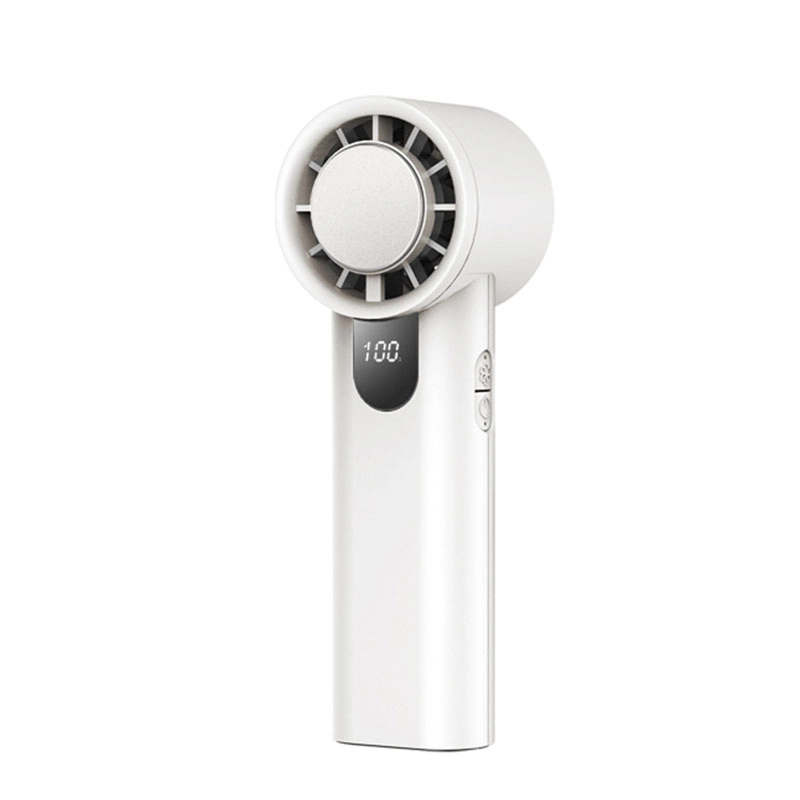
Customizable high-speed handheld fan
Experience powerful breeze on the go with RYW’s Customizable High-Speed Handheld Fan. This hand held electric fan offers personalized designs and compact size, perfect as custom mini fans for travel or events. Stay cool anytime with style and convenience.
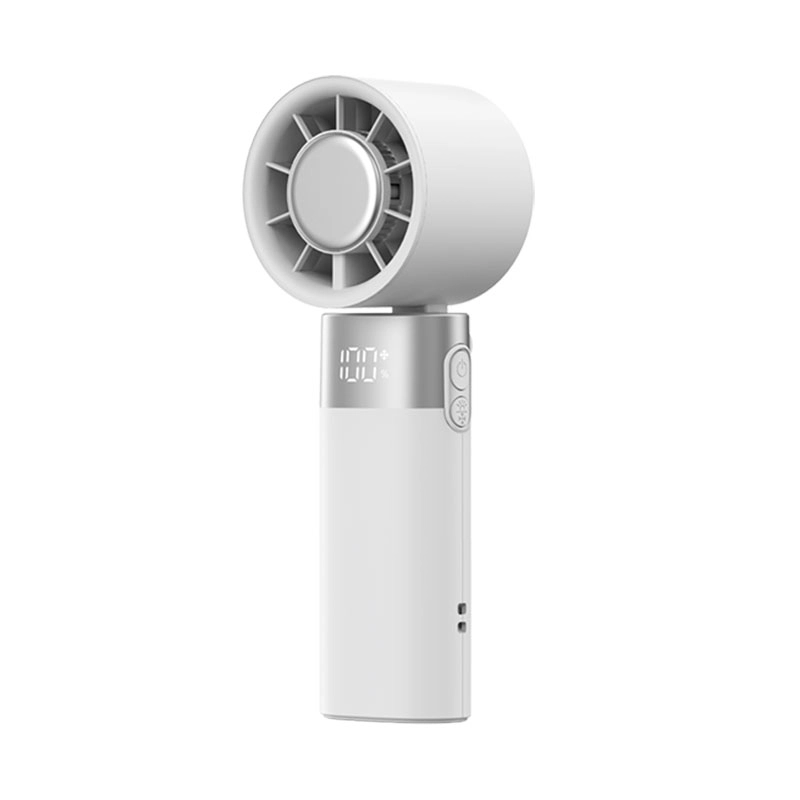
Reliable Handheld Cooling Solution for Bulk & Corporate Purchases
This premium handheld fan is designed for high-frequency, large-volume usage, making it an ideal cooling solution for corporate procurement, promotional distribution, employee welfare programs, and retail wholesale.
With stable airflow performance, a rechargeable design, and lightweight portability, it helps businesses deliver practical comfort products with strong perceived value while maintaining cost efficiency and supply reliability.
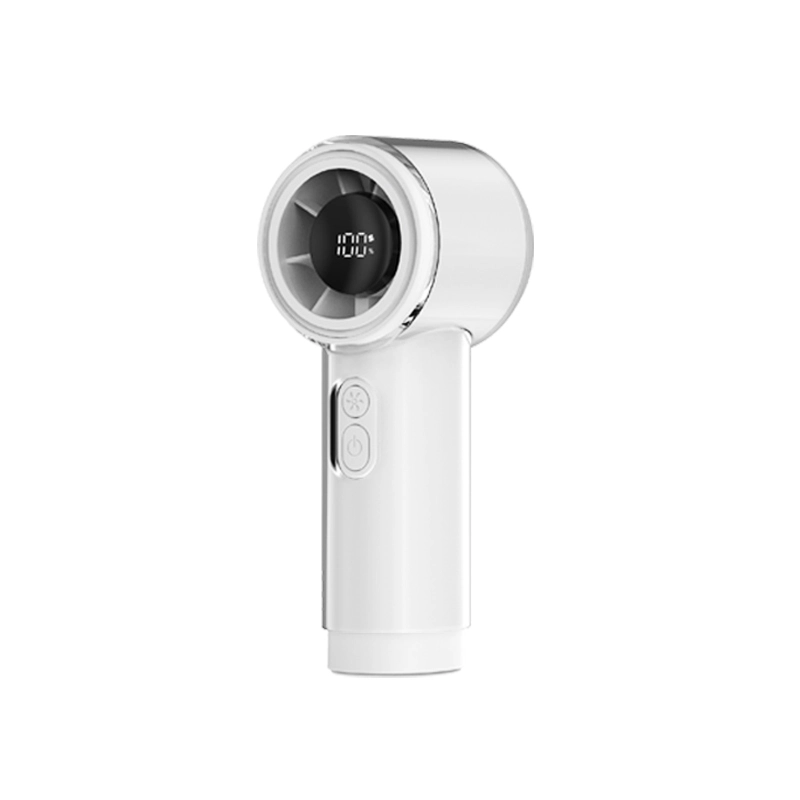
Customizable High-Speed Portable Handheld Fan FS2663
This is a high-speed, long-lasting, personalized, custom, portable cooling product specially designed for gift purchasers, cross-border e-commerce sellers, and OEM/ODM cooperation enterprises. It features (1) strong wind speed, (2) lightweight portability, (3) transparent shell design, (4) convenient carrying with a hand rope, and (5) long battery life. It helps enterprises enhance brand exposure, product differentiation competitiveness, and customer repeat purchase rate.
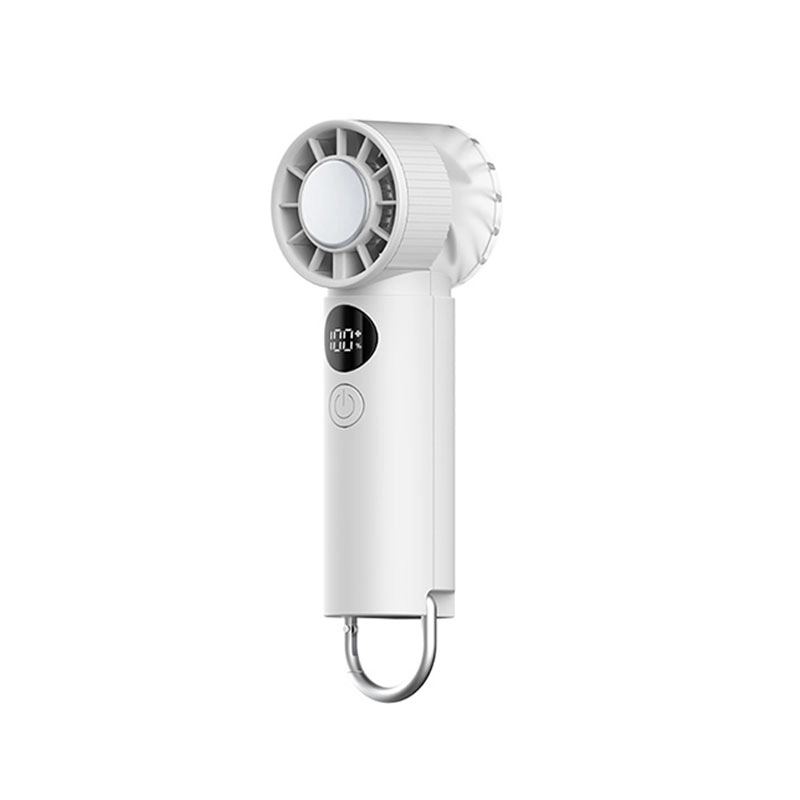
Customizable lightweight mini handheld cooling fan (with climbing hook) FS2666
A portable cooling and personalized customization product specially designed for commuters, students, the gift customization industry, and OEM/ODM buyers. It features (1) lightweight and easy portability, (2) a climbing buckle, and (3) semiconductor cooling.
Get a Quote for Handheld Fan Solution
If you have any comments or good suggestions, please leave us a message; later our professional staff will contact you as soon as possible.
Contact


4th Floor, Building 3, Jurong Industrial Park, No. 27-1-1, Fu'an Industrial Zone,Leliu Town (Pancun), Shunde District, Foshan City, Guangdong Province
 Scan QR Code
YouTube
Twitter
Facebook