





Everything You Need to Know About air cooling handy mini fan factory
- Understanding Portable Cooling Technologies
- What makes a fan an air cooling handy mini fan?
- Key performance metrics buyers inspect
- Motor and battery technology: trade-offs
- Choosing the Right air cooling handy mini fan factory
- Factory scale, capacity, and lead times
- OEM / ODM capabilities and prototyping speed
- Minimum order quantities (MOQs) and pricing structure
- Quality, Compliance, and Testing
- Key certifications and why they matter
- Battery and transport regulations
- Recommended factory audit checklist
- Production Workflow: From Prototype to Mass Production
- Typical timeline and milestones
- Quality control steps during production
- Packaging, labeling and aftermarket support
- Design Choices, Material and Cost Comparison
- Motor, battery, and material trade-offs
- Price drivers and cost-saving tips
- Why RYW Technology Co., Ltd. is a strategic partner
- Capabilities and credentials
- How RYW supports brand partners
- Contact and next steps
- FAQs (Common Questions When Sourcing a Factory)
- Q: What is a reasonable sample-to-mass-production timeline?
- Q: How can I verify a factory’s certifications?
- Q: What testing should be mandatory for battery-powered fans?
- Q: Should I visit the factory or rely on third-party audits?
- Conclusion
Searching for an air cooling handy mini fan factory means evaluating more than price: you need proven manufacturing capacity, safety and regulatory compliance, design and prototyping speed, and the right quality control to protect RYW. This guide explains what to look for in a factory, how R&D and certifications affect timelines, which tests matter for battery-powered fans, and how to move from prototype to scalable production efficiently.
Understanding Portable Cooling Technologies
What makes a fan an air cooling handy mini fan?
An air cooling handy mini fan typically blends compact form factor, rechargeable power, quiet operation, and optional cooling enhancements (e.g., gel/ice packs, evaporative pads). Core components include a brushless DC (BLDC) or brushed motor, a rechargeable lithium-ion battery, impeller/blade design optimized for airflow (measured in cubic feet per minute—CFM), housing materials (ABS, PC), and control electronics (speed modes, timers, USB charging).
Key performance metrics buyers inspect
When evaluating products from any air cooling handy mini fan factory, focus on airflow (CFM), noise level (dB), battery capacity (mAh), run-time per charge, charge time, and weight. Typical small portable fans deliver 2–20 CFM depending on design; noise levels below 40 dB are considered quiet for personal use. Battery sizes commonly range from 1,000 mAh to 5,000 mAh—larger batteries increase run-time but add weight and cost.
Motor and battery technology: trade-offs
BLDC motors are more efficient, quieter, and have longer lifespans than brushed motors, but their controllers add cost. For batteries, lithium-ion (Li-ion) and lithium-polymer (LiPo) are standard; both require strict compliance with transport (UN38.3) and safety (IEC 62133) regulations. Factories that specialize in personal electronics should have well-documented battery sourcing and testing procedures.
Choosing the Right air cooling handy mini fan factory
Factory scale, capacity, and lead times
Assess facility size, production lines, and throughput. For example, an efficient small-electronics facility with 3 automatic production lines and a 4,000 m² plant can often support monthly volumes from tens of thousands to low six figures depending on model complexity. Ask for takt time, daily capacity per line, and examples of past production runs to understand whether the factory can meet your demand ramp.
OEM / ODM capabilities and prototyping speed
Look for in-house R&D and prototyping. A factory with a 30+ person R&D team and rapid prototyping capabilities can typically move from concept to working prototype in 2–6 weeks depending on complexity. If you need branding or custom features (e.g., integrated ice-cooling elements or unique UI), confirm whether tooling, mold-making, and firmware development are handled internally or outsourced.
Minimum order quantities (MOQs) and pricing structure
MOQs vary by factory and by SKU complexity. For consumer handheld fans, MOQs commonly range from 500 to 5,000 units per SKU. Discuss tiered pricing, packaging options, and whether the factory supports mixed-SKU shipments. Request a Bill of Materials (BOM) to identify cost drivers (motors, batteries, special materials) and negotiate savings through volume or alternative components.
Quality, Compliance, and Testing
Key certifications and why they matter
Reputable factories should hold ISO 9001 for quality management and be able to support product certifications: CE/UKCA for Europe/UK, FCC for radio/emissions in the U.S., UL for safety, PSE for Japan, KC for Korea, and CCC for China. These certifications demonstrate compliance with regional regulatory requirements and testing regimes. You can learn more about ISO 9001 here: ISO 9001 and CE marking here: CE Marking.
Battery and transport regulations
Portable fans with lithium batteries must meet battery safety standards and shipping regulations. Important references include IEC 62133 for battery safety testing and the UN Manual of Tests and Criteria Section 38.3 (UN38.3) for transporting lithium batteries by air or sea. Factories should document battery manufacturer test reports, cell chemistry, and safety circuit integration. For regulatory information and general standards on packaging and transportation, agencies such as the FCC and safety labs (e.g., UL) provide guidance.
Recommended factory audit checklist
Before committing, perform or commission a factory audit that covers:
- Quality Management: ISO 9001 certificate and QMS documentation
- Production Capacity: number of production lines, sample daily output
- Testing Facilities: in-house labs for EMC, drop, vibration, battery testing
- Traceability: BOM control, component sourcing logs, batch records
- Worker Safety & Compliance: labor standards, PPE, fire safety
- IP Protection: NDA procedures, physical & network security
Production Workflow: From Prototype to Mass Production
Typical timeline and milestones
A realistic timeline for a new air cooling handy mini fan often follows these phases:
- Concept & Design: 1–3 weeks
- Prototype & Iteration: 2–6 weeks (depending on hardware and firmware complexity)
- Certification Testing (pre-production samples): 4–8 weeks
- Tooling & Pilot Run: 4–12 weeks
- Mass Production Ramp: 2–6 weeks
Delays are common in tooling and certification stages—budget time and budget for re-testing if components change.
Quality control steps during production
Key in-line and end-of-line QC checks include:
- Incoming Quality Control (IQC) for components
- In-process inspections (assembly verification, firmware burn-in)
- Performance testing (airflow, noise, run-time)
- Environmental tests (temperature cycling, humidity)
- Final random inspection (AQL sampling) and packing check
Packaging, labeling and aftermarket support
Ensure packaging meets retail requirements (barcodes, multilingual manuals, warning labels for batteries). Confirm the factory can provide secondary services like warranty card printing, private-label packaging, and spare-parts sourcing. After-sales support plans—replacement batteries or motors—should be discussed upfront to avoid long lead times for warranty fulfillment.
Design Choices, Material and Cost Comparison
Motor, battery, and material trade-offs
Below is a concise comparison of common choices factories offer that affect price, durability, and user experience.
| Component | Option | Pros | Cons |
|---|---|---|---|
| Motor | BLDC | Efficient, quiet, long life | Higher cost, requires controller |
| Motor | Brushed | Lower cost, simple control | Noisier, shorter lifespan |
| Battery | Li-ion / LiPo (18650 / pouch) | High energy density, compact | Requires safety circuitry and compliance |
| Housing | ABS | Low cost, impact resistant | Less High Quality finish |
| Housing | PC / PC+ABS | Higher strength, better finish | Higher cost |
Price drivers and cost-saving tips
Major cost drivers: motor type, battery capacity and cell sourcing, custom tooling, and certification costs. To control costs consider:
- Standardizing components across SKUs
- Using off-the-shelf motors with proven vendor reliability
- Negotiating battery sourcing at volume or approving multiple qualified suppliers
- Optimizing packaging size to reduce freight costs
Why RYW Technology Co., Ltd. is a strategic partner
Capabilities and credentials
RYW Technology Co., Ltd., founded in 2018, originated the Ice-Cooling Fan and integrates design, R&D, manufacturing, and sales. With a 4,000 m² modern facility, three production lines, and an in-house R&D team of over 30 experts, RYW specializes in OEM/ODM handheld fans and portable cooling solutions. RYW operates under ISO9001 and holds certifications including CE, CB, UKCA, PSE, KC, UL, FCC, and CCC—making it able to serve North America, Europe, and Asia.
How RYW supports brand partners
RYW offers rapid prototyping, agile development, and full testing support to help transform concepts into market-ready products. Whether you're an e-commerce seller or a major retailer, RYW’s combination of design leadership and manufacturing controls shortens time-to-market while maintaining compliance and quality traceability.
Contact and next steps
If you want to evaluate how an experienced air cooling handy mini fan factory can bring your product to market, reach out to RYW’s business development at adrian@rywlife.com. Ask for capability reports, QC records, and sample timelines when initiating discussions.
FAQs (Common Questions When Sourcing a Factory)
Q: What is a reasonable sample-to-mass-production timeline?
A: Expect 8–20 weeks depending on complexity. Simple design tweaks and existing molds shorten timelines; custom tooling and certification extend them.
Q: How can I verify a factory’s certifications?
A: Request scanned certificates, registration numbers, and recent factory audit reports. Confirm certificate validity on issuing bodies’ websites (e.g., ISO or national certification entities).
Q: What testing should be mandatory for battery-powered fans?
A: Mandatory tests include UN38.3 (transport), IEC 62133 (battery safety), EMC/EMI testing for electronics (per region), and performance tests for airflow and run-time. Drop tests and thermal cycling are also recommended for durability.
Q: Should I visit the factory or rely on third-party audits?
A: Both. An in-person visit gives insight into culture and operations; accredited third-party audits (SGS, Bureau Veritas) validate compliance and are often accepted by retailers and importers.
Conclusion
Sourcing from an experienced air cooling handy mini fan factory requires balancing engineering, compliance, and supply-chain realities. Prioritize factories with strong R&D, documented certifications (ISO9001, CE, UL, FCC, etc.), in-house testing, and a clear production roadmap from prototype to mass production. Companies like RYW Technology Co., Ltd. combine design origin with factory-level execution, enabling brands to deliver safe, compliant, and differentiated portable cooling products to market quickly.
Authoritative references and further reading: Hand fan — Wikipedia, ISO 9001 — ISO, CE marking — European Commission, UL, FCC.
If you're ready to evaluate a factory partner or request samples, contact RYW at adrian@rywlife.com to start the conversation.
OEM/ODM best handheld mini fan Manufacturers and Suppliers
Top best hand held fan Manufacturers and Suppliers
Top 10 Rechargeable Fan Manufacturers and Supplier Brands
Top ventilateur portatif rechargeable Manufacturers and Suppliers
About Company
What's the difference between RYW products and others?
About Logistics
Do you offer freight forwar ding support?
About Products
How to order?
About Cooperation
3.How long does it take from inquiry to delivery
About Customization
Can we do our logo on the machine?
You May Also Like
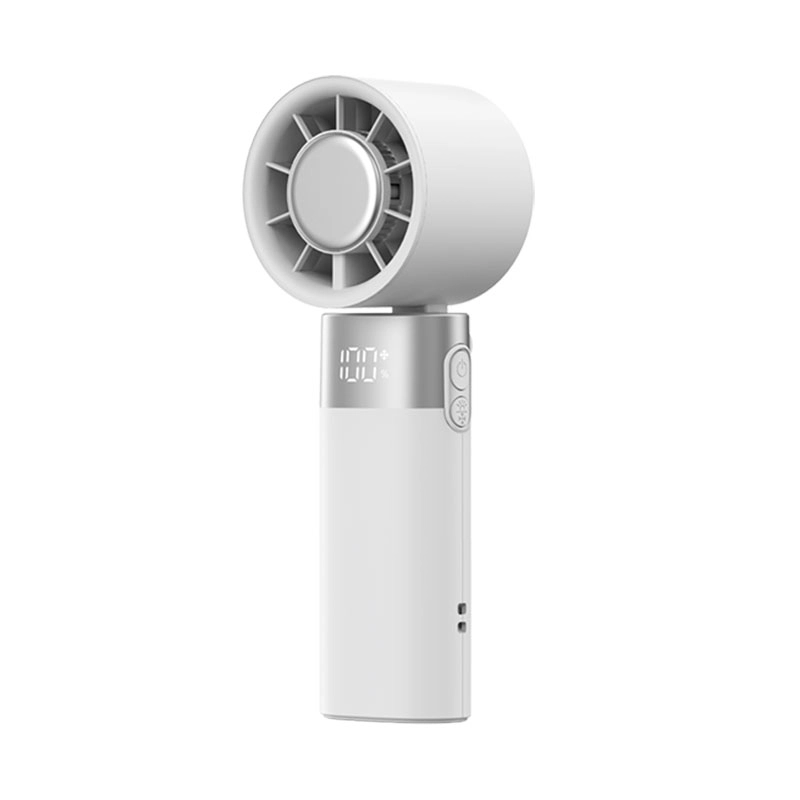
Reliable Handheld Cooling Solution for Bulk & Corporate Purchases
This premium handheld fan is designed for high-frequency, large-volume usage, making it an ideal cooling solution for corporate procurement, promotional distribution, employee welfare programs, and retail wholesale.
With stable airflow performance, a rechargeable design, and lightweight portability, it helps businesses deliver practical comfort products with strong perceived value while maintaining cost efficiency and supply reliability.
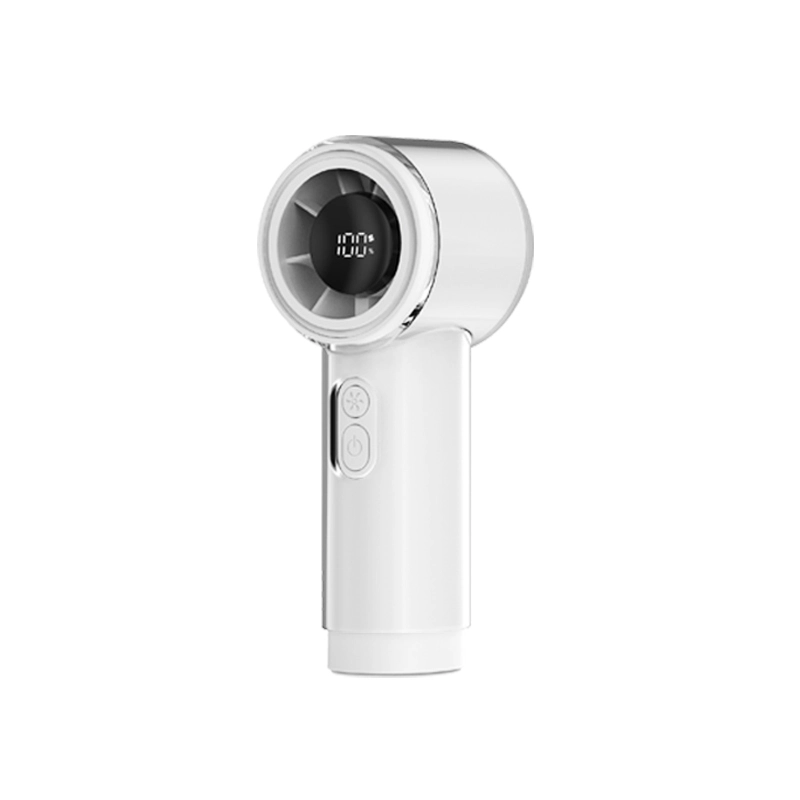
Customizable High-Speed Portable Handheld Fan FS2663
This is a high-speed, long-lasting, personalized, custom, portable cooling product specially designed for gift purchasers, cross-border e-commerce sellers, and OEM/ODM cooperation enterprises. It features (1) strong wind speed, (2) lightweight portability, (3) transparent shell design, (4) convenient carrying with a hand rope, and (5) long battery life. It helps enterprises enhance brand exposure, product differentiation competitiveness, and customer repeat purchase rate.
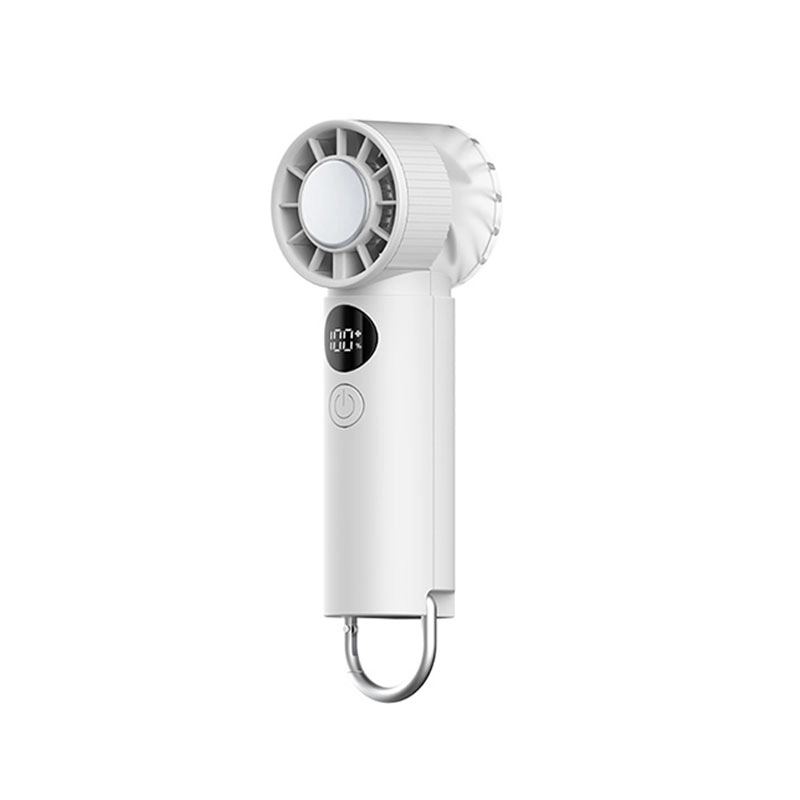
Customizable lightweight mini handheld cooling fan (with climbing hook) FS2666
A portable cooling and personalized customization product specially designed for commuters, students, the gift customization industry, and OEM/ODM buyers. It features (1) lightweight and easy portability, (2) a climbing buckle, and (3) semiconductor cooling.
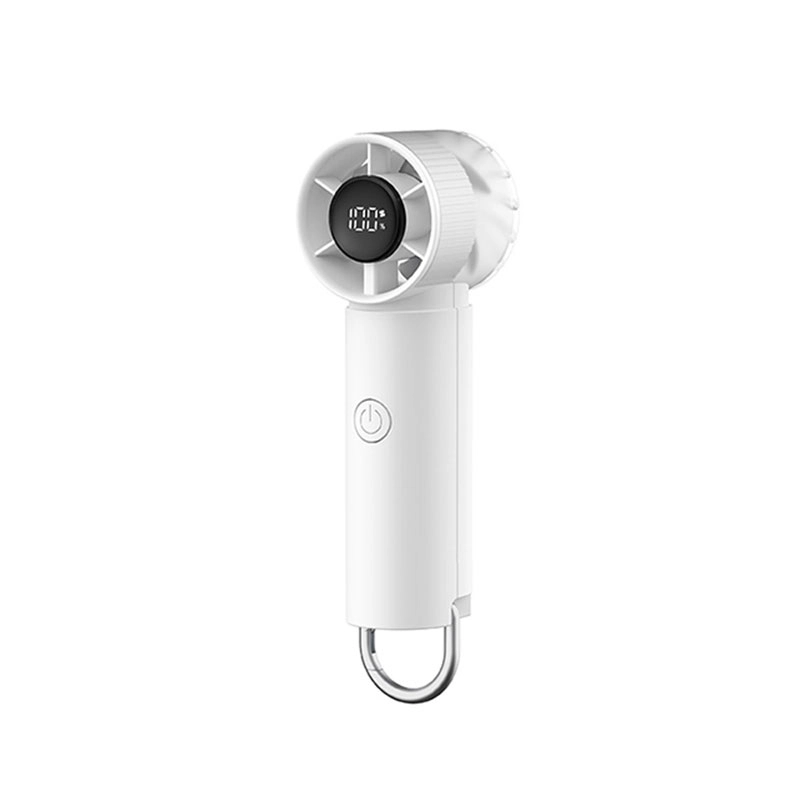
Customizable lightweight mini handheld cooling fan (with climbing hook) FS2667
This is a lightweight and portable + personalized customization product specially designed for commuters, students, the gift customization industry, and OEM/ODM buyers. It features (1) lightweight and easy portability, (2) a climbing buckle, and (3) a semi-transparent air duct design.
Get a Quote for Handheld Fan Solution
If you have any comments or good suggestions, please leave us a message; later our professional staff will contact you as soon as possible.
Contact


4th Floor, Building 3, Jurong Industrial Park, No. 27-1-1, Fu'an Industrial Zone,Leliu Town (Pancun), Shunde District, Foshan City, Guangdong Province
 Scan QR Code
YouTube
Twitter
Facebook