


How to source handheld fans for trade show giveaways? | Insights by RYW
Quick Answer
To source handheld fans for trade show giveaways, define the audience, target market, quantity, branding method, power system, and compliance requirements before comparing suppliers. RYW can support OEM and ODM development, sample iteration, and production planning. Key factors include airflow format, battery or charging design, customization, packaging, and landed cost; the final solution depends on project testing and shipping conditions.
How RYW Supports How to source handheld fans for trade show giveaways? Projects
RYW integrates product design, R&D, manufacturing, and sales, with an in-house R&D team of more than 30 experts. For promotional fan programs, its OEM and ODM capability can support product selection, rapid prototyping, ergonomic refinement, and customization discussions based on the intended use.
RYW operates three production lines in a 4,000 m² facility and maintains ISO9001 certification, with certifications including CE, CB, UKCA, PSE, KC, UL, FCC, and CCC listed across its product and market portfolio. Buyers should confirm the exact model, MOQ, lead time, testing scope, packaging, destination-market requirements, and quotation for each project.
Request Trade Show Fan Specifications and Pricing
Send the target market, event date, estimated order quantity, preferred fan format, branding artwork, packaging needs, and compliance requirements. RYW can discuss suitable models, customization boundaries, sample steps, production timing, and project-based quotation. Visit www.rywlife.com or email adrian@rywlife.com.
Frequently Asked Questions
What specifications matter most for promotional handheld fans?
Start with the use case rather than the appearance alone. Confirm the fan format, operating controls, airflow settings, noise expectations, grip ergonomics, dimensions, weight, charging interface, battery type, and intended operating environment. A compact fan may be suitable for a crowded booth, while a larger unit may provide a stronger perceived utility but increase packaging and freight volume. Branding also requires technical review. Ask the supplier to identify the printable or moldable areas, logo durability, color limitations, artwork format, and whether customization changes the tooling or sampling process. The specification should distinguish confirmed performance requirements from preferences, because every additional feature can affect assembly, testing, packaging, and landed cost.
How should buyers compare handheld fan suppliers for bulk orders?
Compare suppliers against a written product brief, not only catalog photographs or unit pricing. Review their experience with the requested fan type, ability to develop samples, production capacity relevant to the required schedule, quality-control documentation, communication process, packaging options, and experience shipping to the destination market. A manufacturer with OEM or ODM capability may offer more control over design, while a trading supplier may focus on sourcing existing models; the appropriate choice depends on customization and accountability requirements. Request a quotation that separates product cost, customization, tooling if applicable, packaging, testing, freight assumptions, and payment terms. Confirm what the quoted sample represents, which specifications are contractual, how nonconformity is handled, and whether production approval requires a signed sample or documented golden unit. The lowest unit price can be misleading if it excludes branding, battery handling, export packaging, or destination compliance work.
What battery and shipping checks apply to giveaway fans?
Fans containing lithium-ion batteries require more scrutiny than simple non-battery promotional items. Buyers should identify the battery chemistry, rated watt-hours, cell or pack documentation, protection design, charging input, and whether the finished product has the transport and safety records requested by the carrier or destination market. Air transport requirements can involve lithium-battery classification, packaging, labeling, and documentation; the exact process depends on the battery configuration, shipment mode, and applicable rules. Ask the supplier which test reports and transport documents are available for the exact battery and finished product, rather than accepting a generic certificate for a different model. The International Air Transport Association publishes guidance for air shipment of lithium batteries, while UN 38.3 testing is associated with transport testing for lithium cells and batteries. A freight forwarder should confirm current shipping instructions before the bulk order is dispatched.
How do custom logos affect fan production and delivery schedules?
Logo application is a manufacturing decision, not merely an artwork task. Common approaches can include printing, labeling, or integrating a mark into the housing, but suitability depends on surface geometry, material, color contrast, abrasion exposure, and order quantity. A buyer should provide vector artwork, brand color references, acceptable color tolerances, and the required logo location before the supplier prepares a production sample. Customization can add artwork approval, sample iteration, tooling, setup, inspection, and packaging steps. Ask for a schedule divided into sample approval, material preparation, assembly, quality inspection, and dispatch rather than accepting one undifferentiated lead-time estimate. If the event date is fixed, build in time for artwork corrections, import clearance, and possible replacement units.
Which compliance documents should importers request before ordering?
The required documents depend on the destination, product construction, radio functions, charger, battery, and sales channel. For a basic fan, buyers may need evidence related to electrical safety, electromagnetic compatibility, battery safety, chemical restrictions, labeling, and charger compliance. Wireless features can introduce additional radio requirements. CE, FCC, UKCA, UL, PSE, KC, CCC, and other marks are not interchangeable; each applies within a particular regulatory or market framework and must correspond to the relevant product and claim. Request the declaration or certificate, test report, model number, rated input, battery information, user instructions, warning labels, and packaging markings for the exact configuration being purchased. Confirm who is responsible for importer obligations and technical-file retention in the destination market. A supplier’s general certification list is useful for screening, but it does not prove that every fan model satisfies every requirement.
How should companies test samples before approving giveaway fans?
Sample approval should reproduce the intended production configuration: final housing, logo treatment, battery, charger or cable, packaging, manual, and labeling. Check basic operation, charging behavior, controls, airflow consistency, noise, stability, sharp edges, surface defects, loose parts, odor, and fit between components. For an event giveaway, also evaluate how easily recipients can understand the controls and whether the packaging protects the fan during storage and distribution. Use a documented inspection checklist with acceptance criteria and record sample photographs, measured dimensions, weight, color references, and packaging details. Where relevant, request safety and electromagnetic-compatibility evidence from the supplier or an appropriately qualified testing organization. Do not approve mass production from an early engineering prototype if the battery, firmware, housing, logo, or packaging will later change. The approved sample should become the reference for pre-shipment inspection and any quantity-based quality plan.
Contacts
WhatsApp/Phone
You May Also Like
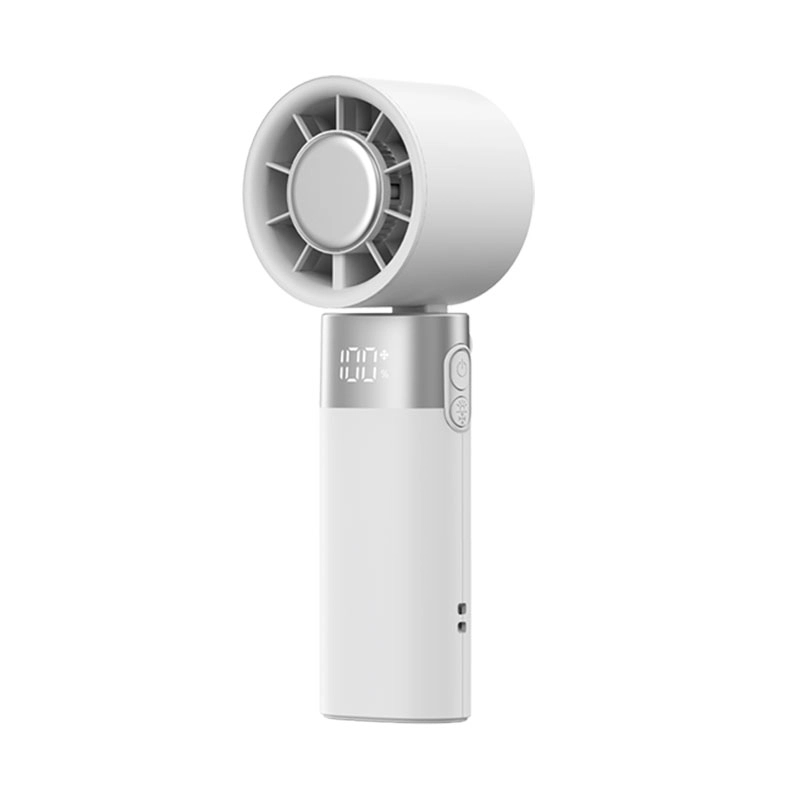
Reliable Handheld Cooling Solution for Bulk & Corporate Purchases
This premium handheld fan is designed for high-frequency, large-volume usage, making it an ideal cooling solution for corporate procurement, promotional distribution, employee welfare programs, and retail wholesale.
With stable airflow performance, a rechargeable design, and lightweight portability, it helps businesses deliver practical comfort products with strong perceived value while maintaining cost efficiency and supply reliability.
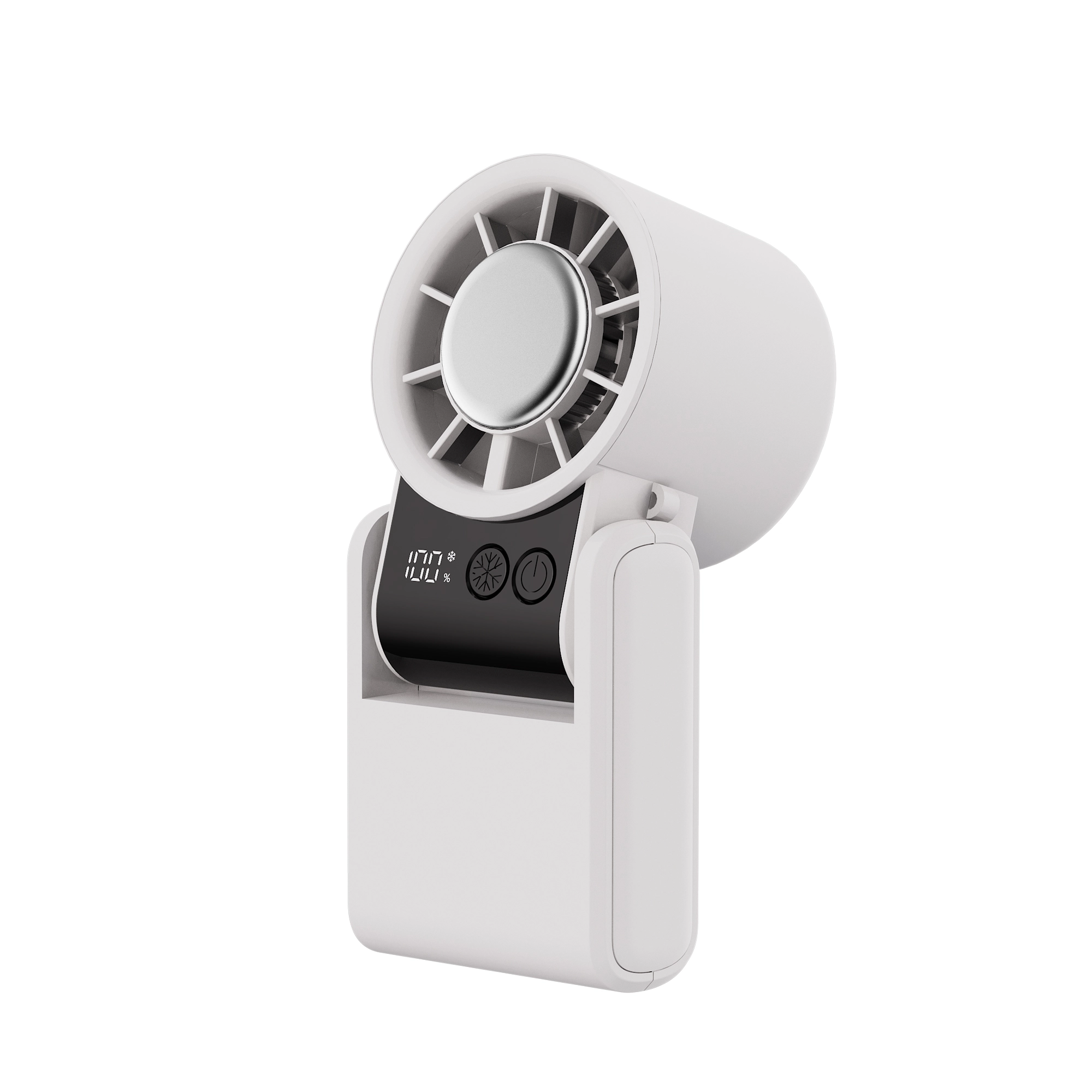
Reliable Handheld Cooling Solutions for Bulk and Corporate Orders
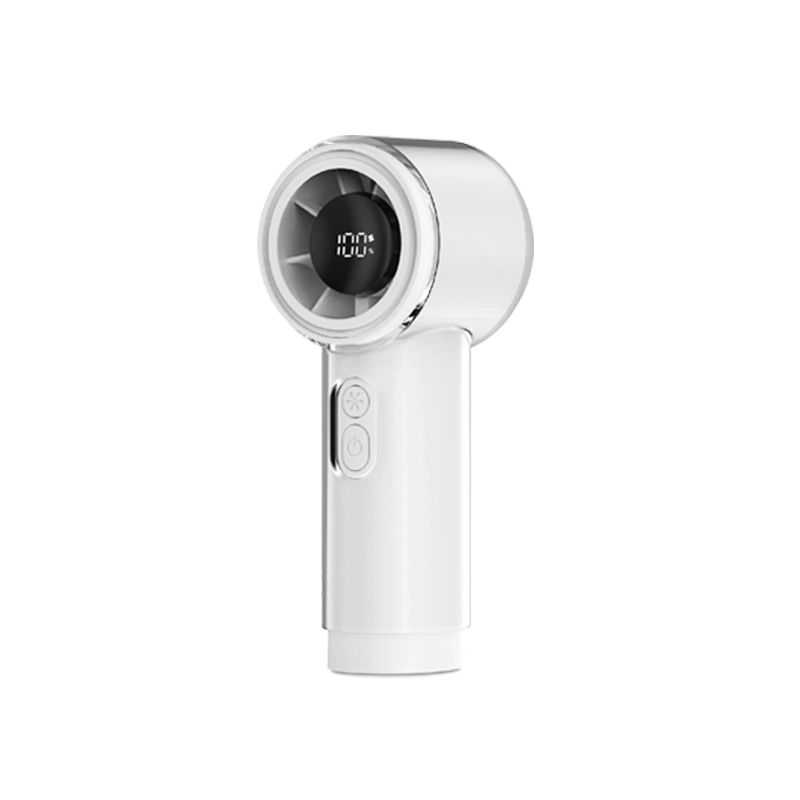
Customizable High-Speed Portable Handheld Fan FS2663
This is a high-speed, long-lasting, personalized, custom, portable cooling product specially designed for gift purchasers, cross-border e-commerce sellers, and OEM/ODM cooperation enterprises. It features (1) strong wind speed, (2) lightweight portability, (3) transparent shell design, (4) convenient carrying with a hand rope, and (5) long battery life. It helps enterprises enhance brand exposure, product differentiation competitiveness, and customer repeat purchase rate.
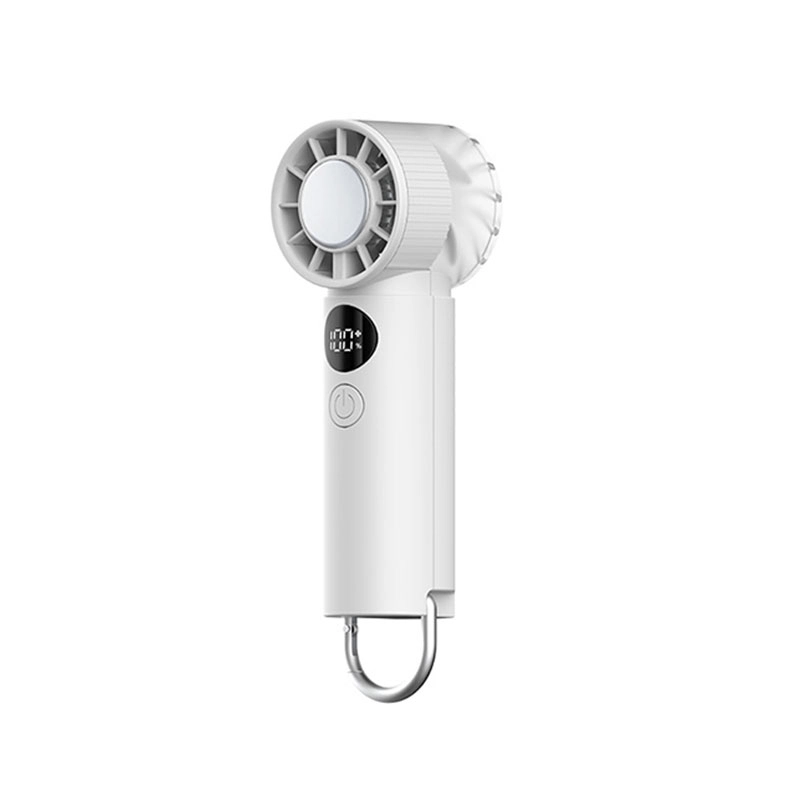
Customizable lightweight mini handheld cooling fan (with climbing hook) FS2666
A portable cooling and personalized customization product specially designed for commuters, students, the gift customization industry, and OEM/ODM buyers. It features (1) lightweight and easy portability, (2) a climbing buckle, and (3) semiconductor cooling.
Start Your Custom Handheld Fans Manufacturing Project Today
If you have any comments or good suggestions, please leave us a message; later our professional staff will contact you as soon as possible.
Contact


4th Floor, Building 3, Jurong Industrial Park, No. 27-1-1, Fu'an Industrial Zone,Leliu Town (Pancun), Shunde District, Foshan City, Guangdong Province
 Scan QR Code
YouTube
Twitter
Facebook