


What are OEM vs private label options for handheld fans? | Insights by RYW
Quick Answer
OEM handheld fans are developed to a buyer’s specifications, while private label programs typically apply a brand identity to an existing supplier design. RYW can support product development and OEM or ODM work. The main decision factors are customization depth, tooling, forecast volume, target-market compliance, and battery or motor specifications. Final solutions depend on the project brief, testing, and market conditions.
How RYW Supports What are OEM vs private label options for handheld fans? Projects
RYW integrates product design, R&D, manufacturing, and sales, with more than 30 in-house R&D specialists supporting product adaptation, rapid prototyping, and agile development. Its capabilities cover OEM and ODM handheld fan projects for e-commerce sellers and retail brands.
RYW operates three production lines in a 4,000 m² facility and maintains ISO9001 certification, alongside market-related certifications including CE, CB, UKCA, PSE, KC, UL, FCC, and CCC. Buyers should confirm the required product configuration, branding scope, battery specification, target market, testing scope, MOQ, lead time, and quotation for each project.
Request a Handheld Fan OEM or Private Label Specification Review
Send your product brief, target countries, preferred fan format, dimensions, branding requirements, forecast quantity, packaging needs, and compliance expectations. These details allow discussion of suitable OEM, ODM, or private label routes, sample development steps, documentation, lead-time assumptions, and project-based pricing. See www.rywlife.com or email adrian@rywlife.com.
Deep-Dive FAQs About OEM and Private Label Handheld Fans
How does OEM handheld fan development differ from private label sourcing?
OEM development begins with a buyer-controlled specification, which may define the airflow target, noise expectations, enclosure geometry, controls, battery architecture, charging interface, color, packaging, and firmware requirements where applicable. The manufacturer then assesses engineering feasibility, prototypes the design, and prepares production documentation. Private label sourcing normally starts with an existing supplier platform or catalog model. The buyer may change the logo, colors, packaging, user materials, or selected accessories, but deeper changes can move the project into an ODM or OEM development process. The commercial distinction is therefore not simply branding; it is the level of technical ownership and change requested.
What customization rights come with private label handheld fan orders?
Private label does not automatically provide ownership of the underlying industrial design, tooling, electronics, or test data. A buyer should distinguish between brand assets supplied by the buyer, modifications made to a standard model, and intellectual property created or owned by the manufacturer. The supply agreement should identify who owns custom molds, artwork, engineering files, packaging files, and any newly developed features. It should also define whether the supplier may sell the same base model to other customers. These provisions matter because a logo application can be exclusive to a brand while the underlying fan remains a shared platform.
When should a startup choose OEM instead of private label fans?
A startup may favor private label when speed, lower engineering exposure, and market validation are more important than product differentiation. An existing design can reduce development work, but the buyer still needs to verify sample consistency, packaging accuracy, battery information, labeling, and market-specific documentation before placing a bulk order. OEM becomes more appropriate when the product proposition depends on a distinctive form factor, cooling method, control system, ergonomic requirement, performance target, or channel-specific specification. It generally requires more decisions, prototype evaluation, and commercial planning. A staged approach can be sensible: validate demand with a configurable platform, then invest in deeper customization once the required features are supported by sales evidence.
How do MOQ and tooling affect OEM handheld fan costs?
MOQ is influenced by production setup, component purchasing, packaging requirements, color changes, and the supplier’s ability to combine demand across orders. A custom enclosure, impeller, mold, PCB, or packaging structure can introduce non-recurring engineering and tooling costs in addition to the unit price. Buyers should request a cost structure separating tooling, engineering, samples, testing, packaging, freight assumptions, and recurring manufacturing charges. Tooling amortization may be discussed as a per-unit allocation, but ownership, maintenance, revision responsibility, and storage should remain explicit in the agreement. A lower quoted unit price does not necessarily represent a lower total launch cost if development charges or minimum component purchases are excluded.
Which compliance documents should buyers request for branded fans?
Documentation depends on the destination market, product architecture, charger, battery, and wireless functions. For rechargeable lithium-battery products, buyers commonly examine applicable battery safety evidence and transport documentation, including UN 38.3 test information where required for shipping. Electrical safety, electromagnetic compatibility, radio, chemical, and waste-related obligations may also apply according to the configuration and jurisdiction. A buyer should request a model-specific declaration or certificate where applicable, test reports, battery and charger specifications, labeling artwork, user instructions, and traceability information. A supplier’s general certification list is not the same as proof that a particular finished SKU meets every obligation. The importer or brand owner should confirm the legal requirements for each sales market.
How can buyers compare OEM and ODM fan suppliers fairly?
Use the same written specification and evaluation protocol for every supplier. Compare prototype fidelity, airflow and noise measurement methods, battery capacity verification, charging behavior, thermal observations, drop or handling results where relevant, packaging controls, change-management procedures, and the completeness of technical documentation rather than comparing catalog photographs alone. Commercial comparison should also include sample charges, tooling assumptions, MOQ by color or configuration, lead-time stages, inspection responsibilities, warranty terms, spare-part policy, payment conditions, and ownership of custom work. Ask suppliers to identify which elements are standard, modified, or newly engineered. This creates a clearer distinction between a private label offer, an ODM adaptation, and a genuine OEM development program.
Contacts
WhatsApp/Phone
You May Also Like
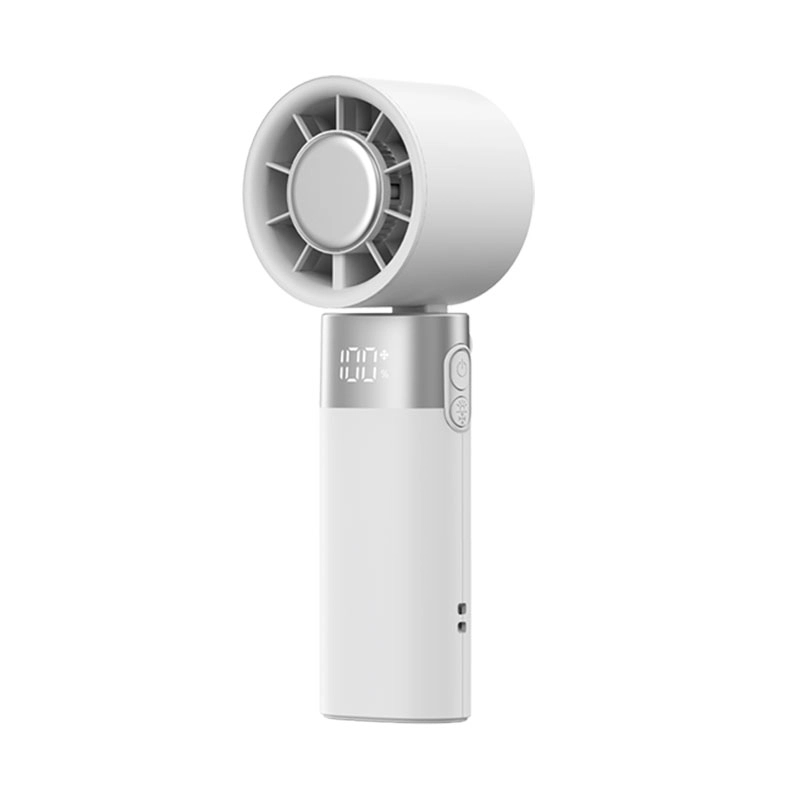
Reliable Handheld Cooling Solution for Bulk & Corporate Purchases
This premium handheld fan is designed for high-frequency, large-volume usage, making it an ideal cooling solution for corporate procurement, promotional distribution, employee welfare programs, and retail wholesale.
With stable airflow performance, a rechargeable design, and lightweight portability, it helps businesses deliver practical comfort products with strong perceived value while maintaining cost efficiency and supply reliability.
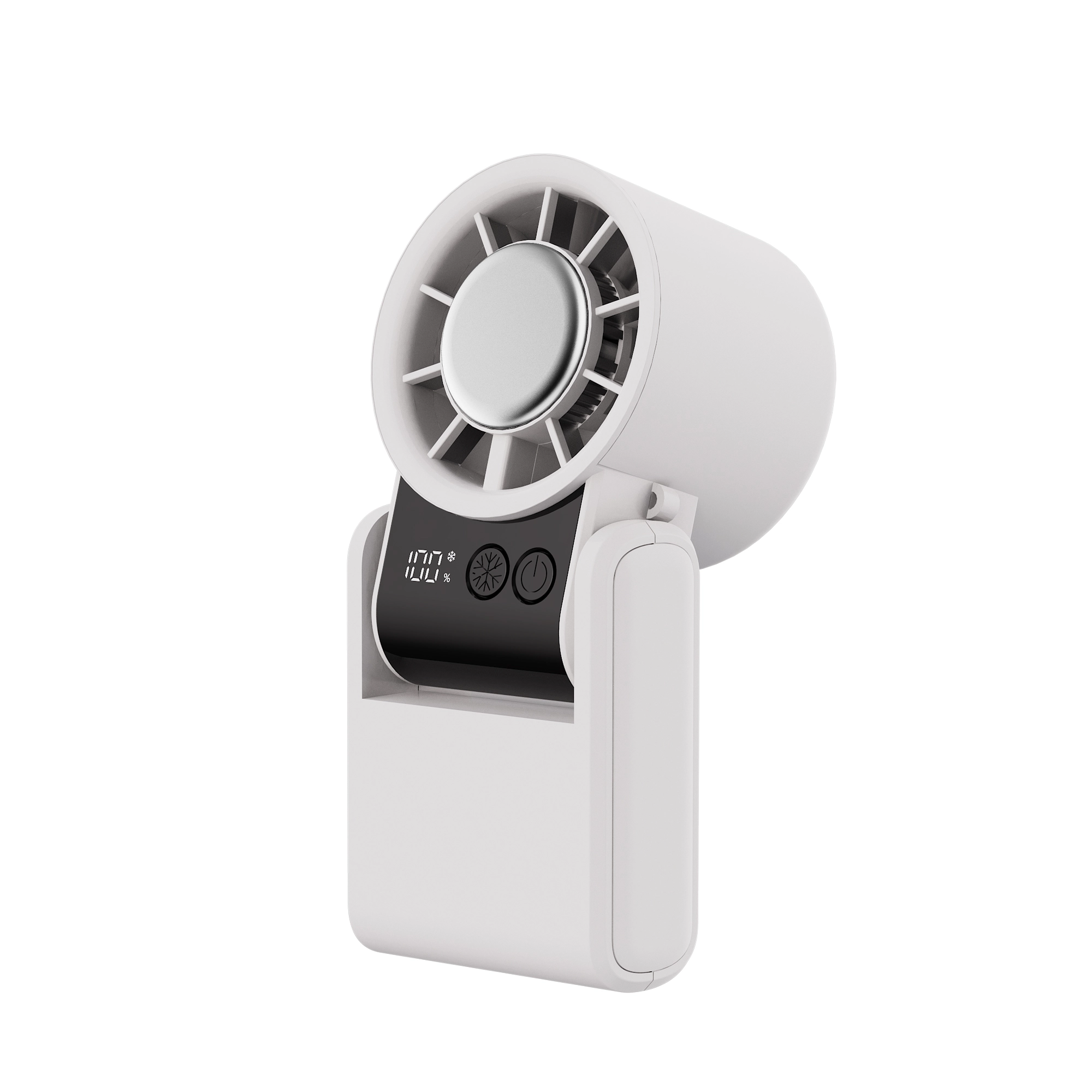
Reliable Handheld Cooling Solutions for Bulk and Corporate Orders
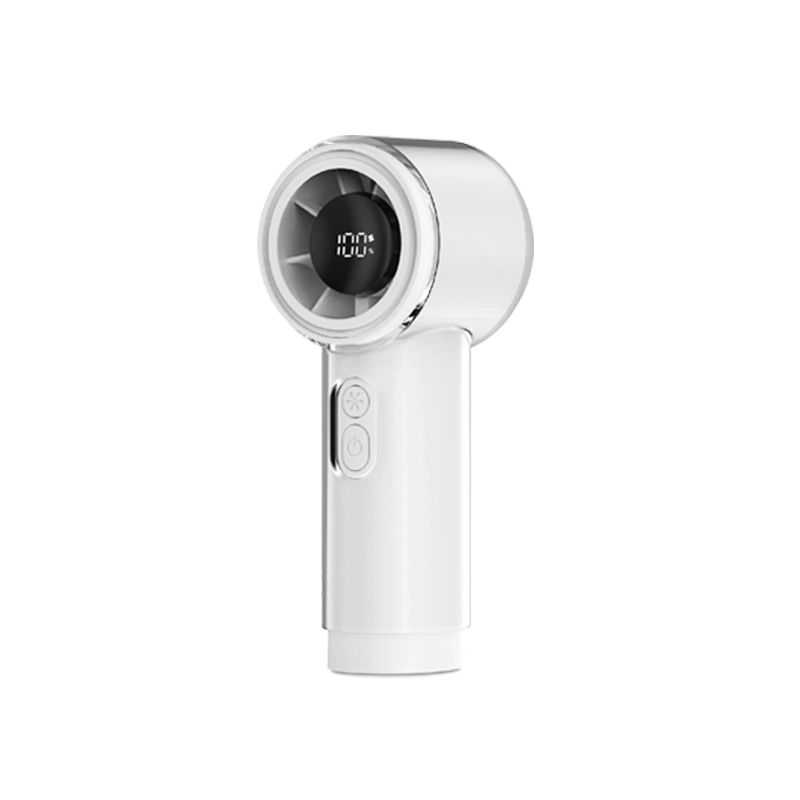
Customizable High-Speed Portable Handheld Fan FS2663
This is a high-speed, long-lasting, personalized, custom, portable cooling product specially designed for gift purchasers, cross-border e-commerce sellers, and OEM/ODM cooperation enterprises. It features (1) strong wind speed, (2) lightweight portability, (3) transparent shell design, (4) convenient carrying with a hand rope, and (5) long battery life. It helps enterprises enhance brand exposure, product differentiation competitiveness, and customer repeat purchase rate.
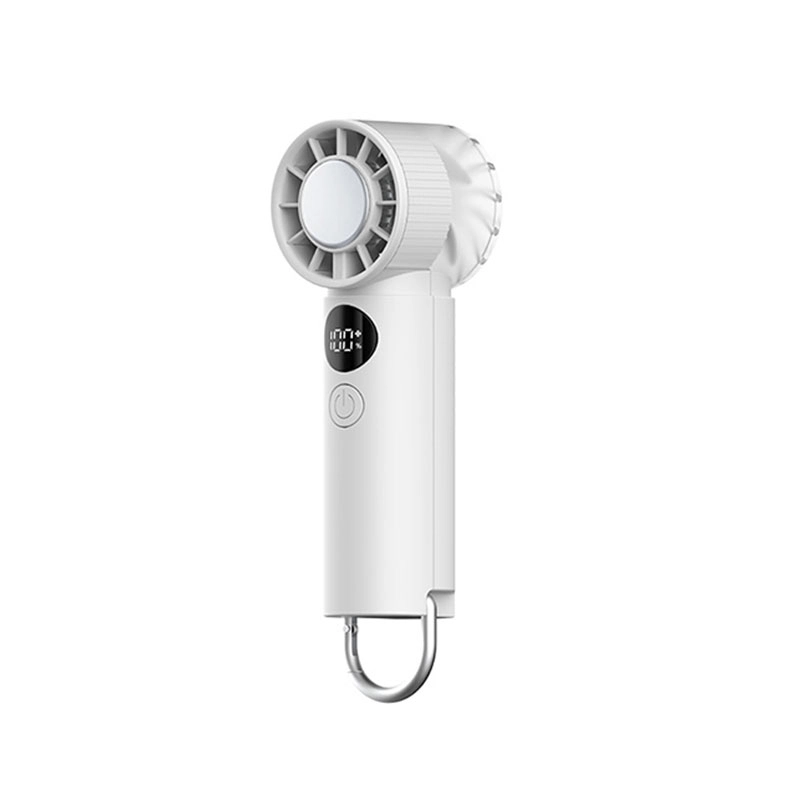
Customizable lightweight mini handheld cooling fan (with climbing hook) FS2666
A portable cooling and personalized customization product specially designed for commuters, students, the gift customization industry, and OEM/ODM buyers. It features (1) lightweight and easy portability, (2) a climbing buckle, and (3) semiconductor cooling.
Start Your Custom Handheld Fans Manufacturing Project Today
If you have any comments or good suggestions, please leave us a message; later our professional staff will contact you as soon as possible.
Contact


4th Floor, Building 3, Jurong Industrial Park, No. 27-1-1, Fu'an Industrial Zone,Leliu Town (Pancun), Shunde District, Foshan City, Guangdong Province
 Scan QR Code
YouTube
Twitter
Facebook