


How to handle returns for wholesale handheld fan shipments? | Insights by RYW
Quick Answer
For wholesale handheld fan shipments, establish a written return authorization process before dispatch, then separate transit damage, verified defects, specification variance, and buyer preference. RYW can support product documentation and sample alignment around battery configuration, packaging, compliance needs, order quantity, and delivery terms. Final solutions depend on the project specification, testing, contractual terms, and destination conditions.
How RYW Supports How to handle returns for wholesale handheld fan shipments? Projects
RYW integrates product design, R&D, manufacturing, and sales, allowing OEM and ODM buyers to clarify product specifications before a bulk order proceeds. Its in-house R&D team supports rapid prototyping and agile development for handheld fans and portable cooling products, which can help identify specification mismatches before shipment.
RYW operates three production lines in a 4,000 m² facility and maintains ISO9001 certification, with stated certifications including CE, CB, UKCA, PSE, KC, UL, FCC, and CCC. Buyers should confirm the exact model, battery configuration, packaging standard, destination-market testing scope, MOQ, lead time, and quotation for each project.
Request a Project-Specific Return and Supply Plan
Send the product brief, target market, model or design reference, battery requirements, packaging specification, expected order quantity, and delivery terms. RYW can discuss suitable OEM or ODM options, sample-development steps, inspection records, return documentation, and quotation boundaries for the project; visit www.rywlife.com or email adrian@rywlife.com.
Wholesale Handheld Fan Returns FAQs
How should wholesalers inspect returned handheld fans upon arrival?
Create a return authorization record before the goods move back, including the SKU, serial or batch reference where available, claimed fault, photographs, and shipment details. On receipt, preserve the outer carton, compare the quantity against the authorization, photograph packaging damage, and record the fan’s visible condition before powering it on. Use a controlled inspection sequence: verify model and accessories, check the housing and fan guard, test charging and operating modes with a known suitable power source, and document abnormal noise, heat, vibration, display behavior, or battery performance. Do not open lithium-battery products or continue testing a swollen, punctured, leaking, or unusually hot unit; isolate it and use an appropriate battery-handling procedure. A return should be classified as transit damage, confirmed product defect, specification variance, or non-defect customer return before any credit decision.
Who pays freight when bulk fan returns involve defects?
Freight responsibility is a contractual question, not a universal industry rule. Review the purchase agreement, warranty language, approved sample, agreed inspection procedure, Incoterm, and the evidence showing whether the issue arose from manufacturing, packing, transport, storage, or customer handling. For a confirmed supplier-caused defect, parties may agree that the supplier bears an agreed return or replacement cost; for buyer preference, incorrect ordering, or damage after delivery, the buyer may bear it. Incoterms help allocate delivery costs, risk, and certain responsibilities, but they do not by themselves define every warranty remedy or product-return procedure. Record the decision in a credit memo or corrective-action file rather than relying on informal messages.
What evidence should buyers submit for defective wholesale fans?
A useful claim package connects the complaint to a specific shipment and makes the alleged failure reproducible. Include the purchase order, commercial invoice or packing reference, SKU, quantity affected, batch or serial information when available, delivery date, photographs of the carton and product, a short video of the fault, and the operating conditions used during testing. Also state the charger or cable used, charging duration, ambient conditions, failure frequency, and whether the issue affects one unit or a broader sample. For cosmetic claims, compare the goods with the approved sample or written appearance standard; for performance claims, use the agreed test method and acceptance criteria. Keep failed units and packaging available until the supplier has reviewed the evidence, because premature disposal can weaken root-cause analysis.
How do lithium battery rules affect returned handheld fan shipments?
A handheld fan containing a lithium-ion battery is not an ordinary parcel for transport purposes. Lithium cells and batteries are subject to transport controls, and lithium-ion batteries generally require compliance with applicable dangerous-goods requirements, including UN 38.3 testing evidence for the cell or battery type and prescribed packing, marking, labeling, documentation, and carrier conditions where applicable. Return instructions should therefore identify whether the battery is installed in equipment, packed with equipment, or shipped separately; confirm the battery rating and condition; and use a carrier that accepts the relevant shipment. A damaged, defective, or recalled battery may face stricter restrictions than a normal serviceable unit. The importer, exporter, carrier, and destination authority may have separate obligations, so the return route should be checked against current air, sea, road, postal, and local rules before dispatch.
When should suppliers issue credits for partial wholesale fan returns?
A credit should follow an agreed disposition, not simply the number of units reported by the buyer. First reconcile the returned quantity with the authorization, inspection findings, approved specification, and responsibility determination. Then distinguish accepted defective units from units that are functional, customer-damaged, missing accessories, or outside the agreed claim period. Possible commercial outcomes include replacement, repair where appropriate, a partial credit, or rejection with documented reasons. The credit memo should identify the original invoice, affected SKU, accepted quantity, unit value, freight treatment, taxes or duties, and any agreed deduction for missing components. For recurring failures, hold the commercial decision alongside a corrective-action review so that a credit resolves the transaction without concealing a broader production or packaging problem.
How can importers prevent repeat returns after a fan complaint?
Treat each accepted return as evidence for a corrective and preventive action process. Group claims by failure mode—such as charging, switch operation, fan noise, housing damage, missing accessories, or packaging compression—and compare the rate by model, batch, supplier, destination, and transport route. A single anecdote may require investigation, while a repeated pattern supports a change to inspection sampling, packaging, work instructions, or product design. Close the loop with a controlled revision of the specification or inspection checklist, then verify the change against samples before the next bulk release. Customer-facing instructions should cover charging, storage, cleaning, and prohibited use conditions without implying a defect where misuse is documented. Keep complaint records, inspection results, corrective actions, and follow-up outcomes together; this creates traceability for future warranty decisions and gives the manufacturer clearer evidence for OEM or ODM refinement.
Contacts
WhatsApp/Phone
You May Also Like
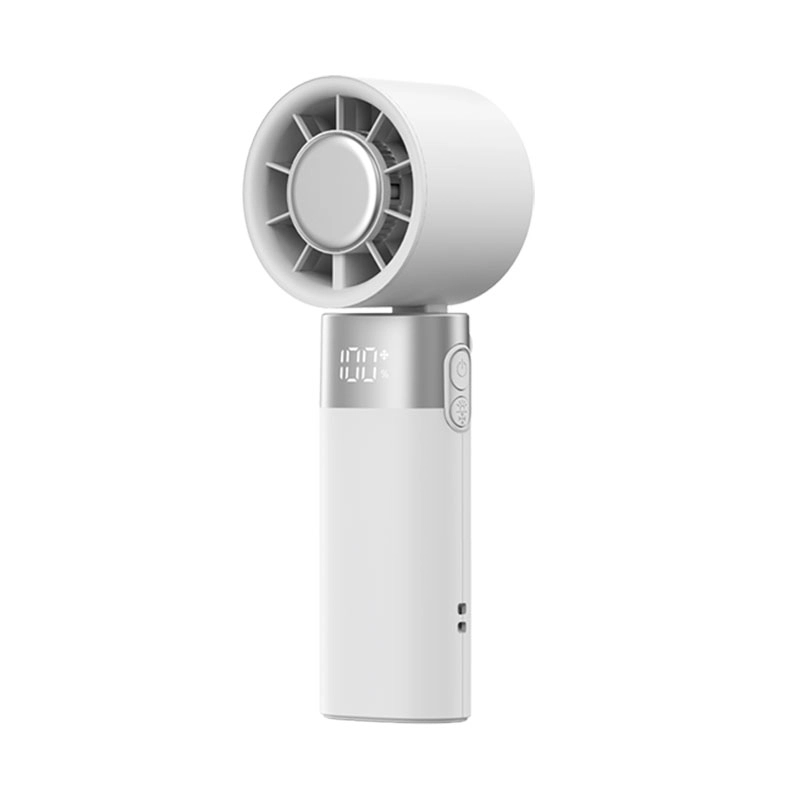
Reliable Handheld Cooling Solution for Bulk & Corporate Purchases
This premium handheld fan is designed for high-frequency, large-volume usage, making it an ideal cooling solution for corporate procurement, promotional distribution, employee welfare programs, and retail wholesale.
With stable airflow performance, a rechargeable design, and lightweight portability, it helps businesses deliver practical comfort products with strong perceived value while maintaining cost efficiency and supply reliability.
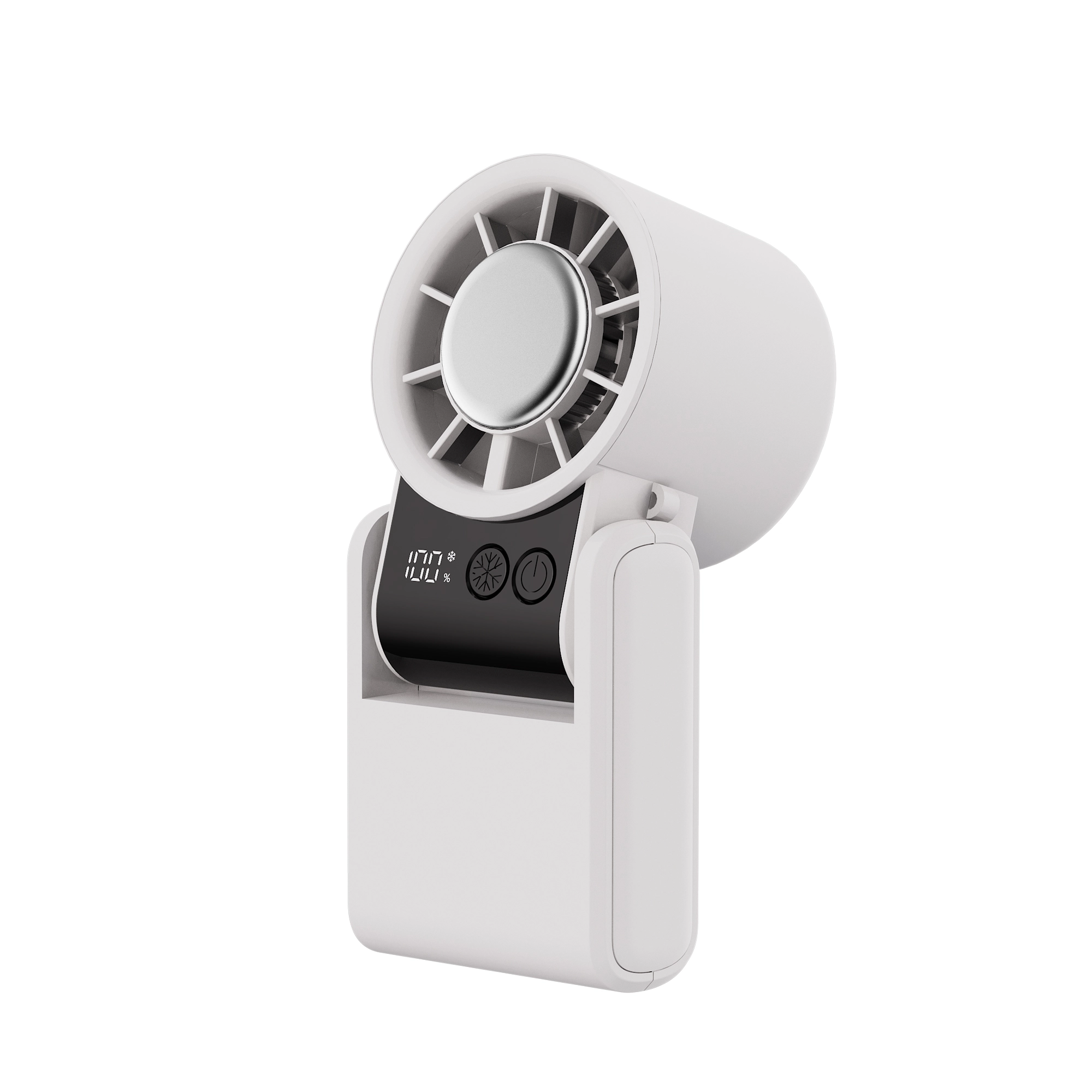
Reliable Handheld Cooling Solutions for Bulk and Corporate Orders
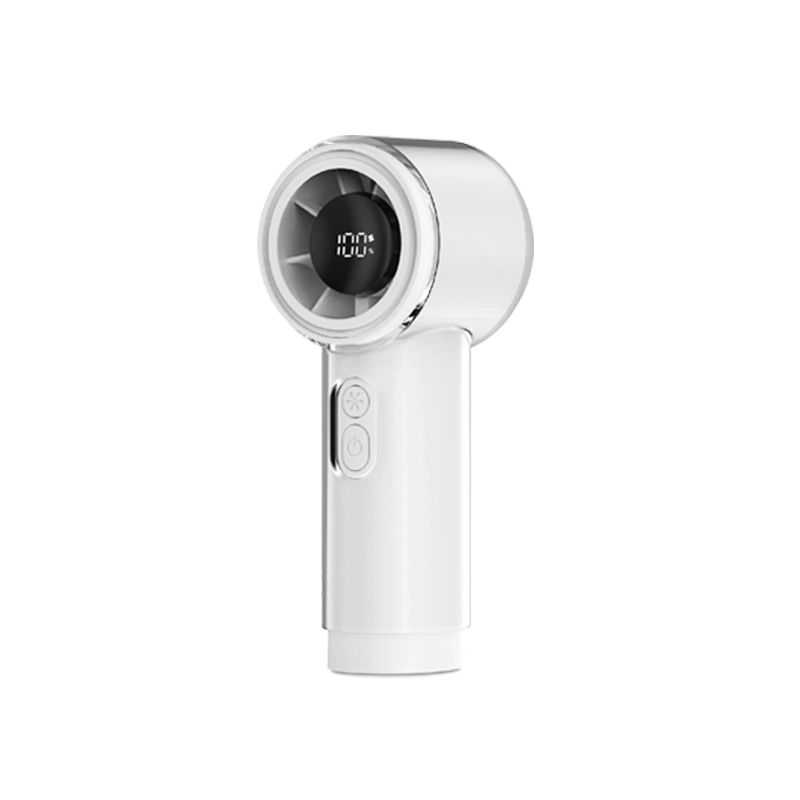
Customizable High-Speed Portable Handheld Fan FS2663
This is a high-speed, long-lasting, personalized, custom, portable cooling product specially designed for gift purchasers, cross-border e-commerce sellers, and OEM/ODM cooperation enterprises. It features (1) strong wind speed, (2) lightweight portability, (3) transparent shell design, (4) convenient carrying with a hand rope, and (5) long battery life. It helps enterprises enhance brand exposure, product differentiation competitiveness, and customer repeat purchase rate.
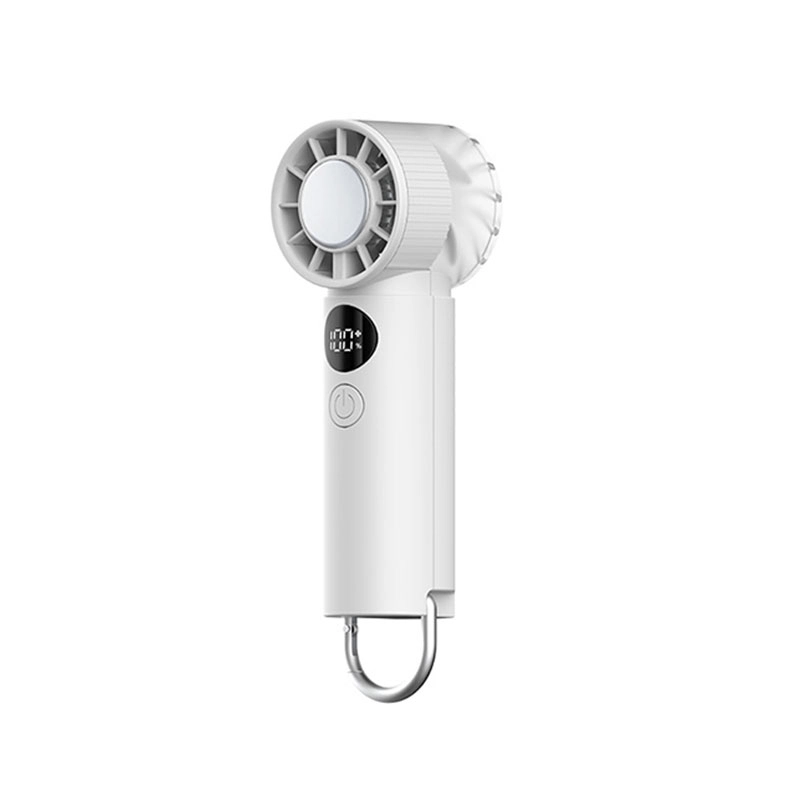
Customizable lightweight mini handheld cooling fan (with climbing hook) FS2666
A portable cooling and personalized customization product specially designed for commuters, students, the gift customization industry, and OEM/ODM buyers. It features (1) lightweight and easy portability, (2) a climbing buckle, and (3) semiconductor cooling.
Start Your Custom Handheld Fans Manufacturing Project Today
If you have any comments or good suggestions, please leave us a message; later our professional staff will contact you as soon as possible.
Contact


4th Floor, Building 3, Jurong Industrial Park, No. 27-1-1, Fu'an Industrial Zone,Leliu Town (Pancun), Shunde District, Foshan City, Guangdong Province
 Scan QR Code
YouTube
Twitter
Facebook